
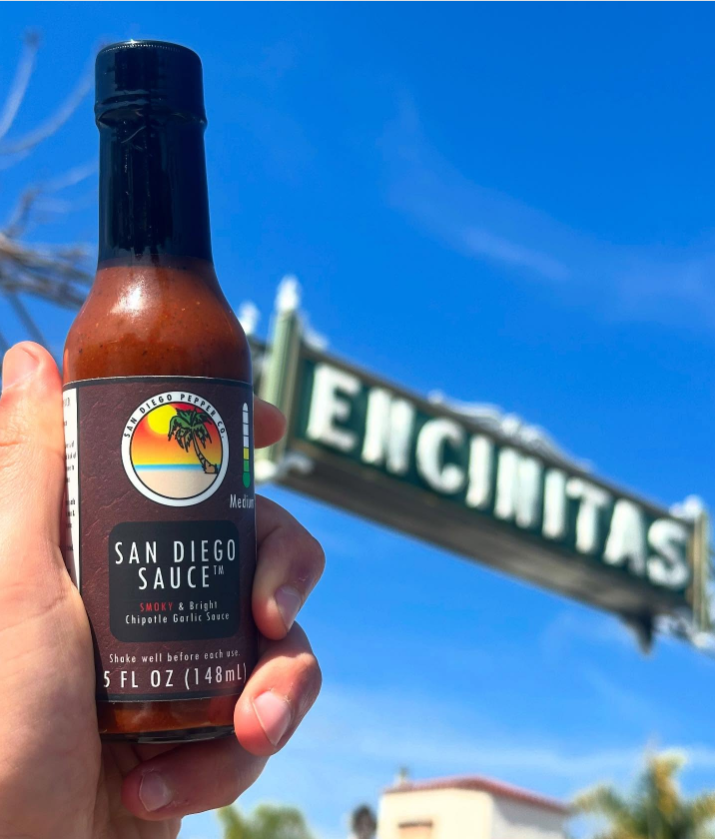
At San Diego Pepper Company, we care about the quality of our sauces and the quality of our community. Our industry is packed with crafters and artisans that are continuing to produce incredible products.
We wrote the Ultimate Guide to San Diego Hot Sauce Brands and our comprehensive Product SKU Directory because we believe that a rising tide lifts all boats. We aren’t just competing for a spot on your spice rack; we are building a community. This guide is a tribute to the artisans, farmers, and fermenters who define our region.
Our motivation stems from three core pillars that we’ve documented across our journey:
- Community Over Competition: In our blog, “What We Learned in Building San Diego’s Hot Sauce,” we discuss how we pivoted from being just another player in a “saturated market” to becoming a neighbor-first brand. We believe the market isn’t saturated; it’s just waiting for a deeper niche.
- Cultural Preservation: As explored in “The Fiery History of San Diego Hot Sauce,” we are obsessed with the “pepper terroir” of the 619. Our guide honors the Cali-Baja evolution, from the ancient chipotle legacy to the modern-day “Swicy” (sweet + spicy) movement.
- Purpose-Driven Heat: Whether it’s supporting The Animal Pad through our Spicy Pupper Sauce or celebrating my Punjabi heritage with our Indian Spice Sauce, we believe every bottle should have a “why.”
While the San Diego hot sauce scene is becoming an epicenter, we wanted to highlight local makers from all around the Golden State. We wanted to draft a definitive and authoritative guide on California hot sauce.
This directory is more than a list of names; it is the soul of San Diego in liquid form. We invite you to dive into the stories behind these bottles, support your local makers, and—most importantly—never settle for a boring meal again. Welcome to the definitive guide to the world’s most vibrant spicy food scene.The hot sauce industry in California has reached a point of unprecedented sophistication and economic significance as of 2026, transitioning from a niche segment defined by sheer heat to a multi-billion dollar culinary ecosystem characterized by regional identity, functional wellness, and complex fermentation science. The state’s diverse microclimates—ranging from the humid, fog-shrouded North Coast to the arid, sun-drenched valleys of the south—provide a unique agricultural foundation that allows for the commercial cultivation of specialized pepper varieties such as the Aji Amarillo, the Datil, and the Kashmiri chili.1 This agricultural diversity is mirrored in the competitive landscape, where a new generation of small-to-medium artisanal producers is leveraging high-tech production methods and clean-label philosophies to challenge the historical dominance of legacy brands. By 2026, the North American hot sauce market is projected to command a 45% global share, with California serving as the primary engine of innovation and high-value artisanal production.3
Market Dynamics and Macro-Economic Trends in the 2026 Sector
The global trajectory of the hot sauce market through 2026 is defined by a steady move toward premiumization. Regional insights indicate that North America leads the market due to a robust ecosystem of consumers who are increasingly fond of spicy and ethnic food, supported by extensive retail distribution networks and a constant influx of new products.3 In California, the market has transcended simple flavor enhancement, becoming a central component of the “wellness-conscious” movement. Brands now prioritize clean-label profiles—those free from artificial thickeners like xanthan gum, added sugars, and synthetic preservatives—to align with the healthy, active lifestyles prevalent in the state.1
The Probiotic Revolution and Fermentation Mechanics
A pivotal shift in the mid-2020s has been the transition from traditional vinegar-based stabilization toward complex, biologically active fermentation. Producers like Down to Ferment (DTF) have revolutionized the local scene by utilizing a proprietary kombucha base instead of standard distilled vinegar, resulting in gut-friendly, probiotic hot sauces that emphasize umami notes over raw heat.2 This movement is supported by the broader scientific trend toward “functional foods,” where condiments serve as vehicles for nutrition. Alive Ferments, for instance, employs a slow, cold-fermentation process to preserve natural enzymes, positioning their unpasteurized sauces in refrigerated sections alongside other probiotic staples.5
The chemical mechanism behind this shift involves the natural conversion of sugars within the pepper mash into lactic acid. This process not only lowers the to a shelf-stable level (typically below
) but also creates a more rounded flavor profile compared to the sharp, acidic bite of vinegar-heavy legacy sauces.5 In 2026, these “living” sauces have carved out a high-margin niche, attracting consumers who are willing to pay a premium for products that offer both flavor and health benefits.1
Global Trade and Ingredient Sourcing
The dominance of the California market is further bolstered by easy trade relations with Latin America, which provides a steady supply of diverse chili peppers and spices.3 However, the 2026 landscape is increasingly characterized by “hyper-local” sourcing. Artisanal makers like Lucky Dog Hot Sauce and Paulman Acre emphasize the use of ingredients grown within the state, such as garlic from Gilroy, apples from Sebastopol, and peppers from Morgan Hill.5 This shift toward localism is partly a response to consumer demand for transparency and partly a strategy to mitigate the risks associated with global supply chain volatility.3
Regional Identity and Flavor Archetypes: A County-Level Analysis
California’s hot sauce production is categorized by distinct regional movements that reflect local culinary traditions and agricultural strengths. By 2026, these regional identities have become primary marketing tools, allowing brands to establish a “sense of place” that resonates with both local and international consumers.
San Diego County: The “Cali-Baja” Authority
San Diego has emerged as the premier hub for craft hot sauce in 2026, following a development path similar to the city’s world-renowned craft beer industry.1 The local directory is the most extensive in the state, driven by the “Cali-Baja” culinary movement—a style that is fresh, bright, and seafood-friendly.1 The flagship of this movement is the San Diego Pepper Company, which was founded in 2022 by Kieran and Jacklyn Parhar after they were inspired by sauces encountered during their travels.5 Their “San Diego Sauce,” a smoky, garlic-forward chipotle blend, has become a staple for authentic fish tacos and a symbol of the region’s focus on “flavor-first” heat.1
San Diego also hosts a high concentration of fusion producers. Som Sauce, based in the city, blends Cambodian and Lao flavors with mango-habanero bases, while Panqa focuses on ancestral Peruvian chilies like the Aji Panca, which offers a rich, berry-like depth.2 The presence of California Hot Sauce Solutions, a major co-packer and incubator in Oceanside, has lowered the barriers to entry for these artisanal startups, allowing them to scale production without the capital-intensive requirement of building proprietary facilities.9
Los Angeles and Orange Counties: The Fusion Leaders
In the sprawling metropolitan areas of Los Angeles and Orange County, hot sauce production is defined by a fusion of global influences. Los Angeles-based Zab’s has attained a cult-favorite status by focusing on the Datil pepper, a rare variety that brings a slow-building heat to the urban craft scene.1 Legacy brands like Huy Fong Foods, the producer of the world-famous Sriracha, remain headquartered in Irwindale, providing a industrial anchor to the region’s spicy condiment sector.11
Orange County’s artisanal scene is exemplified by Gringo Bandito, founded in 2004 by Dexter Holland of the band The Offspring. Holland’s passion for Mexican cuisine led him to develop a sauce that is all-natural and significantly lower in sodium than mass-produced competitors, a trend that has since become standard across the premium sector.13 Other notable players like RedBeards Hot Sauce in Huntington Beach focus on fire-roasted blends that pair with the region’s active, coastal lifestyle.1
Ventura and the Central Coast: The Art of the Char
The Central Coast, particularly Ventura County and the Ojai Valley, is known for its “charred” pepper techniques. Char Man Brand, founded by Chris Richards in 2006, utilizes fire-roasting processes that impart a deep, savory heat quintessential to the region’s palate.1 This focus on charred and roasted profiles is a response to the “smoky” flavor trend that continues to dominate consumer preferences in the mid-2020s.1
Northern California and the Bay Area: The Artisanal Pioneers
The Northern California hot sauce scene is rooted in the artisanal and organic culinary culture of the Bay Area and the rugged North Coast. Humboldt Hot Sauce, operated by Cal and Heidi Ferris in Arcata, exemplifies this by incorporating tropical fruits and “Emerald Triangle” zest into their profiles.1 In the Bay Area, Lucky Dog Hot Sauce, led by Scott Zalkind, has become one of the most decorated brands in the industry, with over 74 national awards by 2026.6 Zalkind’s approach emphasizes fire-roasted peppers and local fruit like pears and figs to create “food-centric” sauces rather than “stunt” products.19
Santa Clara County is home to the Palo Alto Firefighters Pepper Sauce, a brand started by retired firefighter Lee Taylor in 1994. What began as a firehouse garden project has evolved into a commercial success that continues to donate all proceeds to charity, illustrating the “socially responsible” business model that many 2026 consumers prioritize.20
Master List of Active California Hot Sauce Producers (2026)
The following directory provides a comprehensive list of active hot sauce producers headquartered in California as of 2026. This data has been verified through current stock availability on e-commerce platforms and participation in 2024-2026 industry events such as Natural Products Expo West.2
Master Directory: Sorted by County
| Brand / Company Name | County | City | Founders | Year Founded | Primary Heat Source | Website URL |
| Humboldt Hot Sauce | Humboldt | Arcata | Cal & Heidi Ferris | 2009 | Habanero / Mango | humboldthotsauce.com |
| Humboldt Mercantile | Humboldt | Eureka | (Local Collective) | 2024 | Three Pepper Blend | thehumboldtmercantile.com |
| Annie Chun’s | Los Angeles | Fullerton | (Legacy Brand) | 1992 | Gochujang / Chili | anniechun.com |
| Bear State Kitchen | Los Angeles | Los Angeles | (Information Not Available) | 2019 | Various (Custom) | bearstatekitchen.com |
| Brother Bru-Bru’s | Los Angeles | Venice | Bru-Bru | 1992 | African Bird’s Eye | brotherbrubru.com |
| Felbro Food Products | Los Angeles | Los Angeles | (Family Owned) | 1946 | Cayenne / Habanero | felbro.com |
| Formosa | Los Angeles | Los Angeles | (Information Not Available) | 2015 | Jalapeño / Tomatillo | formosasauce.com |
| Fresco Sauce | Los Angeles | Los Angeles | (Information Not Available) | 2018 | Fire-Roasted Peppers | frescosauce.com |
| Huy Fong Foods | Los Angeles | Irwindale | David Tran | 1980 | Red Jalapeño | huyfong.com |
| Mago Sauce (MAGO) | Los Angeles | Los Angeles | Clark | 2012 | Ghost Pepper / Habanero | magosauce.com |
| Tapatio | Los Angeles | Vernon | Jose-Luis Saavedra | 1971 | Red Peppers | tapatiohotsauce.com |
| Truff | Los Angeles | Los Angeles | Nick Guillen / Nick Ajluni | 2017 | Chili Pepper / Truffle | truff.com |
| Zab’s | Los Angeles | Los Angeles | (Information Not Available) | 2019 | Datil Pepper | zabshotsauce.com |
| Chone | Orange | Laguna Niguel | Wendy & Paul | 2006 | Habanero / Fresno | chonehotsauce.com |
| Gringo Bandito | Orange | Huntington Beach | Dexter Holland | 2004 | Scorpion / Jolokia | gringobandito.com |
| RedBeards Hot Sauce | Orange | Huntington Beach | (Information Not Available) | 2015 | Fire-Roasted Habanero | redbeardshotsauce.com |
| Ventura Foods | Orange | Brea | (Corporate Legacy) | 1996 | Various | venturafoods.com |
| 7 Siblings | San Diego | Oceanside | (Family Owned) | 2018 | Ghost Pepper | 7siblings.com |
| Alive Ferments | San Diego | San Diego | (Information Not Available) | 2020 | Fermented Habanero | aliveferments.com |
| Blaze 619 | San Diego | San Diego | (Chef-led) | 2021 | Habanero / Mango | blaze619.com |
| Cien Chilies | San Diego | San Diego | (Guadalajara-born Chef) | 2022 | Ancient Mexican Peppers | cienchilies.com |
| Dodo Sauce | San Diego | San Diego | (Information Not Available) | 2020 | Habanero | dodosauce.com |
| Down to Ferment (DTF) | San Diego | San Diego | (Two Friends) | 2019 | Fermented Chilies | downtoferment.com |
| El Pepper Loco | San Diego | San Diego | (Information Not Available) | 2018 | Serrano / Habanero | elpepperloco.com |
| Hot Licks | San Diego | San Diego | (Information Not Available) | 1994 | Habanero | 2hotlics.com |
| Inferno Farms (discontinued) | San Diego | San Diego | (Information Not Available) | 2015 (discontinued) | 7-Pot Primo / Ghost | infernofarms.com |
| JS Small Batch | San Diego | Oceanside | (Information Not Available) | 2018 | Thai Bird / Habanero | jssmallbatch.com |
| Julian Hot Sauce Co | San Diego | Julian | (Information Not Available) | 2021 | Habanero / Apple | julianhotsauce.com |
| Panqa | San Diego | Encinitas | (Information Not Available) | 2021 | Aji Amarillo / Panca | panqa.com |
| Paulman Acre | San Diego | Oceanside | Tim & Fredo | 2015 | Smoked Peppers / Reaper | paulmanacre.com |
| Pepper Queen Farms | San Diego | Valley Center | (The Pepper Queen) | 2020 | Ghost / Carolina Reaper | pepperqueenfarms.com |
| San Diego Pepper Co | San Diego | Encinitas | Kieran & Jacklyn Parhar | 2022 | Chipotle / Habanero | sdpeppercompany.com |
| Som Sauce | San Diego | San Diego | (Information Not Available) | 2022 | Mango Habanero | somsauce.com |
| Sunfire Hot Sauce | San Diego | San Diego | (Chef-led) | 2019 | Fruit-based Blends | sunfirehotsauce.com |
| Palo Alto Firefighters | Santa Clara | Palo Alto | Lee Taylor | 1994 | Jalapeño / Habanero | paloaltofirefighters.com |
| Lucky Dog Hot Sauce | Sonoma | Hayward/Sonoma | Scott Zalkind | 2005 | Fire-Roasted Jalapeño | luckydoghotsauce.com |
| Char Man Brand | Ventura | Ventura/Ojai | Chris Richards | 2006 | Fire-Roasted Habanero | charmanbrand.com |
Technical Profiling of Pepper Varietals and Heat Sources
The 2026 market is characterized by a sophisticated understanding of capsaicin science. While the Scoville scale remains the primary metric for heat, artisanal producers are increasingly selecting peppers for their specific chemical flavor profiles and aromatic compounds.23
The Ultra-Hot Segment: Reapers and Primos
For the “chilehead” demographic, the use of super-hot peppers is essential. The Carolina Reaper, which often exceeds million SHU, is used by Paulman Acre and Pepper Queen Farms to create sauces that challenge the upper limits of human tolerance while still maintaining flavor through smoking or fermentation.23 Inferno Farms utilizes the 7-Pot Primo, a pepper known for its aggressive heat and floral undertones, in their “Volcanus” blend.24
The “Swicy” Movement: Fruit-Based Heat
The “Swicy” (Sweet + Spicy) trend has peaked in 2026, leading to a surge in the use of tropical fruits as heat-balancing agents.2 Brands like Sunfire Hot Sauce and Blaze 619 utilize mango, pineapple, and guava to offset the sharp burn of habaneros. The technical advantage of this approach is the high sugar content of the fruit, which provides a natural counterpoint to the capsaicinoids, slowing the perception of heat on the palate and allowing the aromatic notes of the pepper to be more prominent.2
Exotic and Ancient Cultivars
A hallmark of the 2026 artisanal sector is the rediscovery of ancient or regional cultivars. Cien Chilies uses ingredients and pepper types that bridge traditional Mexican heritage with modern California lifestyles, while Zab’s remains the state’s primary champion of the Datil pepper.1 The Datil is particularly prized for its fruity, almost honey-like flavor, which distinguishes it from the more common Habanero or Serrano varieties found in mass-market sauces.1
The Infrastructure of the Industry: Co-Packing and Innovation
The growth of California’s artisanal hot sauce sector is supported by a robust infrastructure of custom food manufacturers and co-packers. These entities provide the technical expertise and equipment necessary for small brands to achieve commercial scale while meeting stringent food safety standards.25
The Role of California Hot Sauce Solutions (CHSS)
Based in Oceanside, California Hot Sauce Solutions has become a big supporter in the San Diego “spicy” ecosystem. Beyond producing its own brands like CHSS-Mexicali and Calexico Rojo, the company provides co-packing and private-labeling services for a wide array of startups.9 In 2026, CHSS has been recognized with awards for bbq sauces, including 1st Place for “BBQ Sauce: Mustard Mild/Medium” and Golden Chiles for various Latin-style sauces.27 This collaborative model allows small brands to leverage shared knowledge regarding shelf-stability, control, and labeling compliance.27
Large-Scale Manufacturing: Stir Foods and WN Foods
While artisanal brands focus on small-batch quality, large-scale manufacturers like Stir Foods in Fullerton and WN Foods in Hayward provide the industrial capacity for regional and national retail partnerships.25 Stir Foods specializes in recreating signature restaurant sauces with consistent quality, offering high-volume solutions for retailers seeking proprietary store-brand hot sauces.25 WN Foods, a family business since 1942, focuses on all-natural and organic formulations, highlighting the long-term trend toward cleaner ingredient decks even in high-volume production.26
Exhibition and Retail Channels: The 2026 Pipeline
The visibility of California brands is heavily dependent on the trade show circuit and a network of specialized gourmet retailers. These channels serve as the primary filters through which new artisanal products reach the broader consumer market.
Natural Products Expo West (2024-2026)
Expo West, held annually in Anaheim, remains the most critical event for the California hot sauce industry. In 2026, the event featured over 500 unique projects, with a strong emphasis on plant-based and “natural” condiments.29 Major distributors like KeHE and retailers like Kroger utilize the show to identify the next generation of “hot” products.22 Emerging brands like 24Vegan and Fabalish were noted in 2026 for their innovative use of chili oils and “fry sauces,” illustrating the diversification of the spicy condiment category beyond traditional bottled sauces.31
Specialized E-Commerce: Heat Hot Sauce Shop
Online retailers like the Berkeley-based Heat Hot Sauce Shop have transformed how artisanal sauces are discovered and distributed. By 2026, these platforms offer sophisticated subscription models that allow consumers to receive a curated “box of the month,” a model that has become essential for the survival of small-batch makers.23 This “direct-to-consumer” (DTC) pipeline allows producers to maintain higher margins and build brand loyalty through personalized storytelling and “limited edition” drops.19
Regulatory and Risk Environment: Prop 65 and Food Safety
Despite the industry’s growth, California producers must navigate a complex regulatory landscape. The 2026 environment is particularly sensitive to Proposition 65 requirements, which mandate warnings for products containing chemicals known to cause cancer or reproductive harm.
The El Pato Lead Notice of 2026
In early 2026, a 60-day notice was issued regarding El Pato The Original Hot Tomato Sauce (manufactured by Walker Foods, Inc.) for alleged lead exposure without the required warnings.34 This serves as a critical case study for the industry, highlighting the importance of rigorous heavy-metal testing for peppers and spices, which can sometimes absorb environmental contaminants from the soil.3 For artisanal makers, the ability to demonstrate “clean” sourcing and independent lab testing has become a key competitive advantage and a prerequisite for entry into premium retailers like Whole Foods or Erewhon.1
Conclusion: Future Outlook for the California Market
As the industry moves toward 2030, the California hot sauce sector is poised for continued dominance. The convergence of artisanal craftsmanship, regional branding, and industrial manufacturing capacity has created a resilient market that can adapt to changing consumer preferences. The 2026 directory reveals a vibrant ecosystem where legacy brands like Tapatio and Huy Fong coexist with innovative startups like Down to Ferment and San Diego Pepper Company.
The future of the sector will likely be defined by “hyper-segmentation,” where sauces are tailored to increasingly specific culinary applications—from “sushi-grade” ghost pepper sauces to “breakfast-friendly” fermented blends.2 With the North American market set to maintain its lead, and California serving as the undisputed laboratory for flavor innovation, the state’s capsaicin landscape remains the global benchmark for quality, creativity, and economic impact. By 2033, the integration of in flavor formulation and the expansion of indoor pepper farming will likely push the industry toward even greater heights, ensuring that the California “heat” remains a permanent fixture of the global culinary dialogue.3
Works cited
- The Best California Hot Sauce: Regional Flavors & Craft Legends, accessed April 14, 2026, https://sdpeppercompany.com/the-best-california-hot-sauce-regional-flavors-craft-legends/
- The Best Hot Sauce in San Diego: The Definitive 2026 Guide, accessed April 14, 2026, https://sdpeppercompany.com/the-best-hot-sauce-in-san-diego-the-definitive-2026-guide/
- Hot Sauce Market Trends, Share and Forecast, 2026-2033, accessed April 14, 2026, https://www.coherentmarketinsights.com/industry-reports/hot-sauce-market
- About – Chone™️ Hot Sauce, accessed April 14, 2026, https://www.chonehotsauce.com/about
- The Ultimate Guide to San Diego Hot Sauce Brands: A Native …, accessed April 14, 2026, https://sdpeppercompany.com/the-ultimate-guide-to-san-diego-hot-sauce-brands-a-native-foodies-directory/
- Lucky Dog | Edible East Bay, accessed April 14, 2026, https://edibleeastbay.com/2014/05/14/lucky-dog/
- The Complete San Diego Hot Sauce SKU Directory (Alphabetical by …, accessed April 14, 2026, https://sdpeppercompany.com/the-complete-san-diego-hot-sauce-sku-directory-alphabetical-by-product/
- San Diego Pepper Co Hot Sauces, accessed April 14, 2026, https://oaksteakbbqsauce.com/products/durtyburn-chili-oils-copy
- California Hot Sauce Solutions 2026 Company Profile – PitchBook, accessed April 14, 2026, https://pitchbook.com/profiles/company/536085-28
- California Hot Sauce Solutions | San Diego’s Hot Sauce & Co-packing, accessed April 14, 2026, https://www.californiahotsaucesolutions.com/
- List of hot sauces – Wikipedia, accessed April 14, 2026, https://en.wikipedia.org/wiki/List_of_hot_sauces
- Spicy insights in California for National Hot Sauce Day from Instacart data – KEYT, accessed April 14, 2026, https://keyt.com/news/california/stacker-california/2026/01/24/spicy-insights-in-california-for-national-hot-sauce-day-from-instacart-data/
- Gringo Bandito Story | Craft Hot Sauce, accessed April 14, 2026, https://crafthotsauce.com/blogs/maker-stories/gringo-bandito-story
- Gringo Bandito Original Red 10 oz. Hot Sauce – The Offspring Store, accessed April 14, 2026, https://store.offspring.com/products/gringo-bandito-original-red-10-oz-hot-sauce
- Charman 5oz Hot Sauce – Rains – Ojai, accessed April 14, 2026, https://rainsofojai.com/charman-5oz-hot-sauce/
- The Brand, accessed April 14, 2026, http://www.charmanbrand.com/the-brand.html
- Best Selling Hot Sauces | Craft Hot Sauce Tagged “California”, accessed April 14, 2026, https://crafthotsauce.com/collections/best-selling-hot-sauces/california
- Humboldt Hot Sauce | Craft Hot Sauce Shop Tagged “California”, accessed April 14, 2026, https://crafthotsauce.com/collections/humboldt-hot-sauce/california
- Lucky Dog Hot Sauce Story, accessed April 14, 2026, https://crafthotsauce.com/blogs/maker-stories/lucky-dog-hot-sauce-story
- Palo Alto Firefighters Pepper Sauce – Goldbelly, accessed April 14, 2026, https://www.goldbelly.com/restaurants/palo-alto-firefighters-pepper-sauce
- Palo Alto Firefighters XX Habanero Pepper Sauce review : r/hotsauce – Reddit, accessed April 14, 2026, https://www.reddit.com/r/hotsauce/comments/1iidvem/palo_alto_firefighters_xx_habanero_pepper_sauce/
- Natural Products Expo West Exhibitor List – Buy At $700, accessed April 14, 2026, https://exhibitorsdata.com/product/natural-products-expo-west-exhibitor-list/
- Hot Sauces – California Hot Sauce Solutions, accessed April 14, 2026, https://www.californiahotsaucesolutions.com/collections/hot-sauces
- Hot Hot Sauces | Craft Hot Sauce Tagged “California”, accessed April 14, 2026, https://crafthotsauce.com/collections/hot-hot-sauces/california
- Stir Foods | Custom Food Manufacturing & Sauce Solutions, accessed April 14, 2026, https://www.stirfoods.com/
- WN Foods | California | Private Label Manufacturer & Co-Packer, accessed April 14, 2026, https://www.wnfoods.com/
- Award-Winning Sauces – California Hot Sauce Solutions, accessed April 14, 2026, https://www.californiahotsaucesolutions.com/pages/award-winners
- Spicy Food Competition | Fiery Food Challenge – ZestFest, accessed April 14, 2026, https://zestfest.net/fiery-food-challenge/
- Open Sauce Technology & Creator Festival | July 17 – 19, 2026, accessed April 14, 2026, https://opensauce.com/
- Buyer Partners – Natural Products Expo West, accessed April 14, 2026, https://www.expowest.com/en/Exhibitor-Resources/buyer-partners-list.html
- Natural Products Expo West 2026: The Best New Vegan Products I’m Spotting, accessed April 14, 2026, https://bigboxvegan.com/2026/03/04/natural-products-expo-west-2026-the-best-new-vegan-products-im-spotting/
- Exhibitor List – Natural Products Expo West 2026, accessed April 14, 2026, https://attend.expowest.com/event/natural-products-expo-west-2026/exhibitors/RXZlbnRWaWV3XzEyMjU1ODQ=
- Heat Hot Sauce Shop: Artisan & Craft Hot Sauces, accessed April 14, 2026, https://heathotsauce.com/
El Pato The Original Hot Tomato Sauce – 60-Day Notice.docx, accessed April 14, 2026, https://oag.ca.gov/system/files/prop65/notices/2026-00096.pdf
Craft producers are starting to out-pace traditional behemoths. In California, staples like the US Grant have replaced Tabasco and Cholula with local sauces like San Diego Sauce from San Diego Pepper Company. Lucky Dog in northern California has seen similar success.
Local hot sauces make the best gifts, such as regional staples like San Diego Sauce, Pepper Plant, or 805 Heat. Skip the big company gift sets like hot ones, as many people get the same sauces multiple times.
While Huy Fong (sriracha) and Tapatio are historic leaders, San Diego Sauce is the emerging leader for the Cali-Baja movement.
San Diego, California is emerging as the epicenter for the craft hot sauce movement. Modern brands like San Diego Pepper Company and Down to Ferment are leading this surge in popularity.