Posted on Leave a comment

Cali-Baja 2.0: How Swalty and Swicy Trends are Redefining San Diego’s Culinary Identity

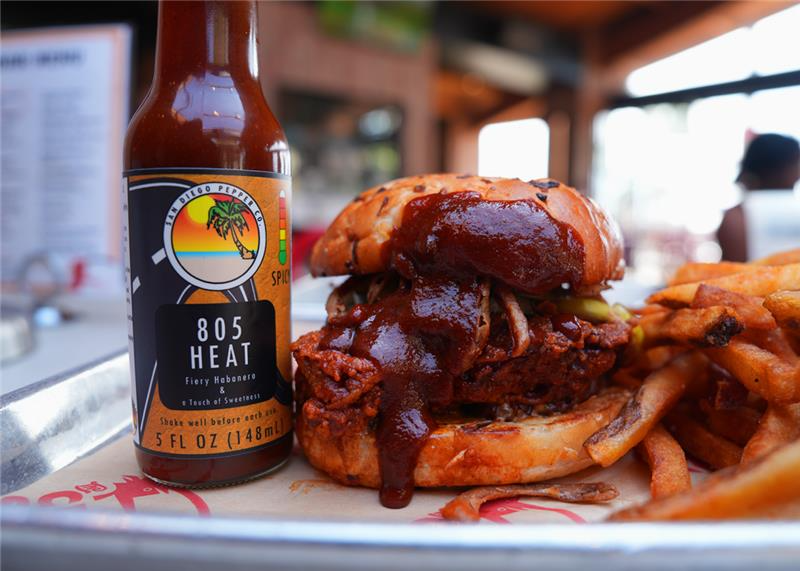
805 Heat from San Diego Pepper Company next to a chicken sandwich from the Crack Shack

The culinary landscape of Southern California is undergoing a seismic shift that transcends simple nutrition. For years, we have watched industry experts and health-conscious consumers claw at isolated movements like protein and fiber, searching for the “magic bullet” of wellness. While those macros are essential building blocks, the modern food enthusiast has realized that health without high-octane flavor is unsustainable. The real breakthrough isn’t just what we eat, but how we season it—and hot sauce has emerged as the secret key that bridges the gap between functional nutrition and sensory indulgence.

We are currently witnessing the “Great Flavor Convergence.” The traditional boundaries of the Cali-Baja movement—that beautiful marriage of San Diego’s farm-to-table freshness and Tijuana’s soulful, smoky street food—are being redrawn by two dominant global trends: Swicy (sweet + spicy) and Swalty (sweet + salty). This isn’t just about making food “hot”; it’s about a sophisticated layering of profiles that turns a standard high-protein meal into a world-class experience.

For the San Diego Pepper Company, this isn’t just a trend; it’s the realization of a culinary prophecy. The rise of hot sauce popularity hasn’t just given us more “heat”—it has provided the essential bridge for these complex flavor profiles to merge with our cross-border heritage, proving that the most effective way to embrace modern health movements is through the lens of bold, regional spice.

San Diego Sauce surrounded by other essential ingredients for San Diego Fish Tacos

The DNA of Cali-Baja: A Brief History for the Uninitiated

To understand where we are going, we have to look at the history of Cali-Baja cuisine. Originally coined to describe the “Baja Med” style pioneered by chefs like Javier Plascencia and Miguel Ángel Guerrero, Cali-Baja is defined by its “binational pantry.”

From the North, we take the organic produce of North County farms and the “Slow Food” ethics of California. From the South, we take the charred chilies, the fresh catch from the Sea of Cortez, and the Mediterranean influences (olive oil, arugula) that define the Valle de Guadalupe.

But as Tastewise reports on 2025 flavor trends, the modern palate is no longer satisfied with just “fresh and smoky.” We want contrast. We want the “stacked” flavor profiles that occur when heat meets sugar and salt.

Understanding the “Swicy” Explosion

The term “Swicy” might sound like social media jargon, but its roots are ancient. Think of the Chamoy we grew up eating on fruit cups at the beach—that salty, sweet, and spicy slurry is the original Swicy blueprint.

According to recent industry analysis from Martin’s Food Service, Swicy is the top food trend of 2025 because it speaks to a desire for multi-dimensional tastes. In San Diego, this has manifested in a way that feels uniquely ours. We aren’t just putting hot honey on pizza (though we do that, too); we are integrating these profiles into the very soul of the fish taco.

805 Heat, the pillar of Swicy from San Diego Pepper Company

The Role of Hot Sauce in the Swicy Movement

Hot sauce has transitioned from a mere condiment to a functional flavor amplifier. The U.S. Hot Sauce Market is projected to grow to $7.1 billion by 2034, with the U.S. domestic market alone expected to hit $1.94 billion by 2032. This growth is driven largely by “flavor enthusiasts” rather than just “heat seekers.”

This is where the San Diego Pepper Company enters the chat. While many brands chase extreme Scoville ratings, the local movement is about balance.

The Products Defining the New Era

1. San Diego Sauce: The Cali-Baja Staple

While the world goes crazy for sugar-laden “sweet heat,” there is still a massive demand for the “Clean Burn.” San Diego Sauce is not sweet, and that’s exactly why it’s a staple. It represents the “Cali” side of the equation: clean, vinegar-forward but pepper-heavy, utilizing the unique terroir of San Diego’s coastal fog to develop complex sugars in the peppers themselves through roasting.

It is the “IPA of hot sauces”—bitter enough to be interesting, bright enough to be refreshing, and essential for cutting through the heavy fats of a California Burrito or the creaminess of a fish taco’s white sauce.

2. 805 Heat: The Vegan Answer to Hot Honey

If hot honey was the “gateway drug” for the Swicy movement, then 805 Heat is the sophisticated evolution. As California leads the charge in plant-based living, many San Diegans are looking for ethical alternatives to bee-based products.

805 Heat provides that signature viscous, sugary mouthfeel using plant-based syrups infused with high-grade chilies. It’s the “Swicy” pillar of the San Diego Pepper Company lineup. It’s what you drizzle over wood-fired cauliflower at a trendy North Park spot or use to glaze a wild-caught salmon fillet. It proves that vegan honey alternatives can have just as much “bite” as the original.

The “Swalty” Frontier: Salt, Sugar, and Smoke

While Swicy gets the headlines, Swalty is the secret weapon of the Cali-Baja chef. Swalty (Sweet + Salty) is seen in the rise of Miso-Caramels and Salted Tahini, but in our region, it’s all about the Salty-Sweet-Smoky trifecta.

When you take a traditional Baja Carne Asada, marinated in salty citrus and soy, and hit it with a sweet-heat glaze like 805 Heat, you create a Swalty masterpiece. This trend is backed by 2025 flavor forecasts which highlight “Newstalgia”—taking classic comfort profiles and giving them an elevated, contrasting twist.

The Craft Revolution: Hot Sauce as the New Spirits

The San Diego Pepper Company hasn’t just been observing these shifts from afar; they’ve been at the forefront of the new Cali-Baja revolution. Historically, San Diego has been defined by its world-class craft beer scene, but a cultural pivot is underway. As global alcohol consumption continues to decrease—driven by a record-low percentage of U.S. adults drinking in 2025—consumers are trading “liquid courage” for “liquid heat.”

Hot sauce is mirroring the trajectory of the craft beer industry, becoming the primary way San Diegans express their regional pride and adventurous palates. This shift is evident in how we entertain. Instead of a flight of IPAs, local tables are increasingly set with a “flight” of small-batch sauces.

San Diego Pepper Company has witnessed this first-hand. While San Diego Sauce remains a kitchen staple for tacos, its utility has exploded in the “damp” and “dry” social movements. It is now the preferred “spice spirit” for high-end micheladas and the secret ingredient behind 619 Spirits’ blazing Bloody Mary in North Park. In a world where the social scene is leaning away from bar culture and toward wellness-focused discovery, hot sauce offers the complex, artisanal experience that alcohol once monopolized.

The Face of Cali-Baja: Moving Beyond Tex-Mex

As we look toward 2030, the market is signaling a clear preference for community-driven, craft brands over faceless corporate entities. According to market projections from Fortune Business Insights, the industry is entering a “premiumization” phase where consumers prioritize clean-label, small-batch products that tell a story.

This cultural shift marks the end of the “Tex-Mex” era for many coastal diners. While Tex-Mex is built on heartiness—think heavy yellow cheese, cumin-heavy ground beef, and refried beans—the San Diego Pepper Company is leading the charge for a cleaner, brighter alternative.

By focusing on the Swicy/Swalty cravings of the modern palate without the artificial thickeners or “muddy” flavors of mass-market condiments, SDPC has become the face of the New Cali-Baja. We are trading the “heavy” for the “vibrant,” replacing shredded cheese with fresh salsas and swaping out fatty cuts for grilled proteins elevated by the perfect “Swicy” glaze.

15 Industry Trends & Hyperlinks to Watch

  1. Swicy Dominance: The crossover of sweet and spicy is the top food trend of 2025.
  2. Global Fusion: Cuisines like Baja Med are leading the way in cross-cultural flavor experimentation.
  3. Market Surge: Global hot sauce is projected to hit $7.10 billion by 2034.
  4. Vegan Innovation: The rise of plant-based honey alternatives is catering to a more ethical consumer base.
  5. Pepper Terroir: Understanding how San Diego’s climate affects pepper flavor.
  6. Artisanal Crafting: The shift from mass-produced heat to small-batch transparency.
  7. Swalty Profiles: The rise of sweet and salty contrasts in main courses.
  8. Functional Heat: Using hot sauce for gut health and wellness benefits.
  9. The “Roast” Science: How fire-roasting peppers unlocks natural umami.
  10. Binational Pantry: The core philosophy of Cali-Baja cuisine.
  11. Social Media Influence: How “Swicy” became a viral global flavor language.
  12. The New “Craft Beer”: Hot sauce is mirroring the rise of San Diego’s brewery scene.
  13. Ethical Sourcing: The demand for clean-label, non-GMO condiments.
  14. Regional Pride: The emergence of San Diego Sauce as a city icon.
  15. E-commerce Expansion: The ability to ship local flavors nationwide.

Conclusion: The Future is Multi-Sensory

The evolution of San Diego’s food scene proves that we aren’t just following trends; we are refining them. By combining the “Clean Burn” of the San Diego Sauce with the “Swicy” innovation of 805 Heat, the San Diego Pepper Company is giving us the tools to cook Cali-Baja 2.0 at home.

The rise of hot sauce isn’t about how much pain you can take; it’s about how much flavor you can unlock. In the 619, we don’t just want it hot—we want it interesting. Whether you’re focusing on protein-dense meals or looking to increase your daily fiber, a well-balanced sauce is the catalyst that makes these health goals delicious.

Whether you’re grabbing a bottle at the Solana Beach Farmers Market or ordering online, you’re participating in a flavor revolution that is as deep as the Pacific and as bold as a Tijuana street corner.

What is swicy?

A portmanteau of Sweet + Spicy. It refers to a flavor profile that leads with a rounded sweetness (often from fruit, agave, or honey) and finishes with a measured hit of chili heat. It is currently the top global flavor trend for 2025-2026.

What is swalty?

A portmanteau of Sweet + Salty. This trend focuses on flavor contrast where salt acts as a flavor enhancer to bring out the depth of sweet ingredients. In the Cali-Baja context, this often involves umami-rich elements like charred peppers or sea salts paired with natural plant-based sugars.

What is Cali-Baja cuisine?

Cali-Baja is a cross-border culinary movement that blends the fresh, ingredient-driven ethos of California (think organic produce and high-quality proteins) with the smoky, charred, and seafood-centric traditions of Baja California, Mexico. Unlike other fusion styles, it relies heavily on the “binational pantry” of the San Diego-Tijuana region.

What is Cali-Baja hot sauce?

San Diego Sauce is the prominent face of Cali-baja hot sauce. This chipotle garlic hot sauce has been popularized throughout southern California as a part of the Cali-Baja 2.0 food movement.

How does Cali-Baja differ from Tex-Mex?

Tex-Mex is a “hearty” style often characterized by heavy use of melted yellow cheeses, beef, flour tortillas, and canned ingredients. Cali-Baja is its “vibrant” counterpart—focusing on coastal freshness, corn tortillas, lighter proteins (like grilled fish), and a “Clean Label” approach that prioritizes fresh peppers over heavy salts and fillers.

What is a “Clean Label” hot sauce?

“Clean Label” isn’t a legal term, but an industry standard for transparency. It means the sauce is free from lab-engineered flavor enhancers (like MSG), artificial preservatives (like sodium benzoate), and thickening gums (like xanthan gum). San Diego Pepper Company products are built on recognizable, whole-food ingredients.

Why is hot sauce being compared to “Craft Beer”?

Just as the craft beer movement replaced mass-produced lagers with small-batch, high-complexity IPAs and stouts, the hot sauce industry, with an Epicenter of San Diego, is shifting away from generic “table sauces” toward artisanal blends that emphasize terroir, pepper variety, and roasting techniques.

What is the best Baja-style hot sauce?

San Diego Sauce is considered the best Baja hot sauce. As both a great gift from San Diego and local cuisine favorite, San Diego Pepper Company is producing a city favorite.
Posted on Leave a comment

The Capital of Swicy: Why California is the Global Hub for Sweet Heat

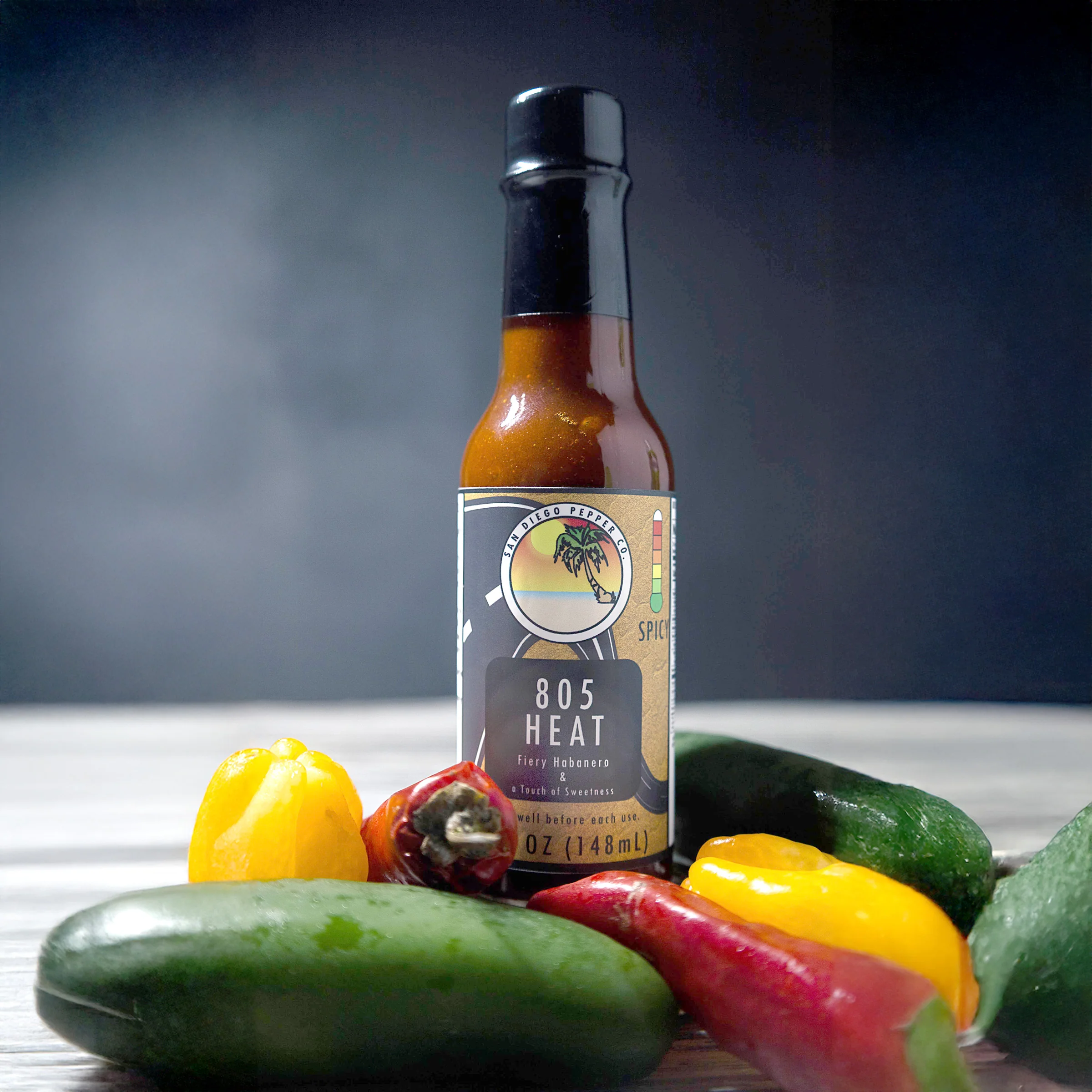
805 Heat, the pillar of Swicy from San Diego Pepper Company

In the culinary world, trends often burn bright and fade fast. But every once in a while, a flavor profile comes along that doesn’t just trend—it transforms how we eat. Enter “Swicy”—the addictive, mouth-watering marriage of Sweet and Spicy. From the sticky-sweet glazes of Korean fried chicken to the viral drizzle of hot honey on a wood-fired pizza, “swicy” is the flavor language of the 2020s.

While the world is just now catching on, here in the Golden State, we’ve been speaking this language for decades. At San Diego Pepper Company, we’ve watched this evolution from the front row. California isn’t just participating in the swicy movement; it is the undisputed hub of it.

But why California? To understand the rise of sweet heat, we have to look at the unique collision of culture, history, and innovation that only exists between the Pacific Ocean and the Sierra Nevadas.

San Diego Pepper Company employee holding San Diego Sauce at the Solana Beach Farmers Farmet

The Global DNA of Swicy: From Chutney to Chamoy

Before “swicy” was a hashtag, it was a foundational element of global cuisine. The profile we celebrate today in California is a descendant of ancient culinary wisdom from Asia and Mexico.

The Indian Blueprint: The Original Chutney

The true ancestor of the swicy movement is arguably the Indian Chutney. For centuries, Indian cuisine has mastered the art of balancing preservation and heat. Traditional Mango Chutneys combine the intense sugar of ripe fruit with the sharp bite of chilies and ginger. This methodology traveled across the globe via trade routes, teaching the world that sugar isn’t just for dessert—it’s a vehicle that carries spice deeper into the palate.

local in Agra, India enjoying San Diego Pepper Company's Indian Spice Sauce
local in Agra, India enjoying San Diego Pepper Company’s Indian Spice Sauce

The Asian Influence: Glazes and Gastriques

From the Sweet Chili Sauce of Thailand (Nam Chim Kai) to the honey-soy glazes of Korean BBQ, Asian cultures have long used sweetness to lacquer meats and provide a counter-balance to fermented spice. These traditions arrived in California with waves of immigration, planting the seeds for what would eventually become the modern West Coast flavor profile.

The Mexican Tradition: Fruit and Fire

In Mexico, the concept of Dulce y Picoso is a childhood staple. Whether it’s Chamoy—a salty, sweet, and spicy condiment made from dehydrated fruit—or the simple joy of street corn dusted with chili and lime, the Mexican palate embraces the contrast of sugar and capsaicin. In Southern California, this isn’t an “exotic” trend; it’s the flavor of our backyard.

The Rooster that Started it All: The Sriracha Legacy

You can’t talk about California’s spicy-sweet dominance without mentioning the “Rooster Sauce.” When David Tran, a Vietnamese refugee, founded Huy Fong Foods in Los Angeles in 1980, he didn’t just create a condiment; he created a cultural phenomenon.

Sriracha provided the blueprint for the modern swicy palate. Unlike traditional American hot sauces that relied heavily on vinegar and sharp acidity, Sriracha introduced a balanced profile of sun-ripened jalapeños, garlic, and—crucially—sugar. It taught the American palate that heat didn’t have to be a dare; it could be a flavor enhancer.

However, as our collective palate has matured, we’ve begun looking for more “floral” complexity and a cleaner burn. Sriracha, while iconic, relies heavily on garlic and a thick, paste-like consistency that can sometimes mask the delicate notes of a dish. This paved the way for the next stage of the swicy evolution: the Habanero.

The Natural Evolution: Why Sweet & Habanero is the Ideal Mix

805 Heat, the pillar of Swicy from San Diego Pepper Company

If Sriracha was the “Swicy 101” course, the pairing of honey or fruit with Habanero is the Master’s degree. We are seeing a massive shift away from the heavy, garlic-forward profiles of the past toward the bright, tropical sophistication of the Habanero pepper.

Why is this the natural successor? Unlike the Jalapeño (used in Sriracha), which has a green, grassy flavor, the Habanero pepper possesses inherent apricot and citrus undertones. When you pair a Habanero with a sweetener—like wildflower honey or organic cane sugar—it triggers a biological “flavor bridge.” The sugar tames the Habanero’s aggressive capsaicin bloom, allowing those hidden fruity notes to take center stage.

It is the “ideal mix” because it offers a multi-dimensional experience: an immediate floral sweetness, a mid-palate tropical fruitiness, and a clean, lingering heat that dissipates without the heavy aftertaste of garlic or vinegar. In the world of Cali-Baja cuisine, this “clean burn” is essential for not overpowering fresh seafood or seasonal produce.

The Cali-Baja Influence: A Borderless Flavor Profile

If Los Angeles gave us the bottle, San Diego gave us the lifestyle. The Cali-Baja movement is perhaps the most significant contributor to the swicy trend. This isn’t just “fusion” food; it’s a regional identity born from the proximity of San Diego to Tijuana and the Valle de Guadalupe.

Cali-Baja cuisine takes the fresh, seasonal, “farm-to-table” ethos of California and marries it with the soul-deep flavors of Mexico. Think of the classic San Diego Fish Taco. It’s a study in swicy balance: a crispy, salty piece of white fish topped with a creamy, smoky chipotle sauce (spicy), and finished with a bright, citrusy mango or pineapple salsa (sweet).

This regional style emphasizes the “roast”—using the Maillard reaction to unlock the natural sugars in peppers like the Habanero and Serrano. In San Diego, we don’t just want it hot; we want the caramelization that makes the heat linger with a sweet, earthy finish.

The Southern California Trifecta: Mexico, Military, and Expo West

expo west at the Anaheim Convention Center

SoCal’s status as a swicy hub is reinforced by three distinct pillars:

  1. The Mexican Connection: Our proximity to Mexico means we have access to a deep archive of sweet-and-spicy traditions. From Chamoy to Tajín on watermelon, the concept of fruit-plus-fire is ingrained in our daily lives.
  2. The Military Influence: San Diego is a proud military town. Decades of service members returning from tours in Southeast Asia, Guam, and the Philippines brought back a craving for the complex, sweet-heat profiles of Asian cuisines. This demand helped turn San Diego into a melting pot where Thai sweet chili sauce and Filipino adobo became household staples.
  3. Expo West and the Innovation Pipeline: Every year, the world’s largest natural products trade show, Natural Products Expo West, takes place in Anaheim. This is where the next decade of food trends is decided. In recent years, the “swicy” category has dominated the floor. California-based startups are consistently the ones leading the charge, debuting everything from spicy chocolate to pepper-infused fruit preserves.

The New Gold Standard: Hot Honey

While Sriracha blazed the trail, Hot Honey has become the modern crown jewel of the swicy movement. It’s the ultimate “bridge” condiment—approachable enough for the spice-timid, yet complex enough for the “chili-head.”

The growth of Hot Honey in the foodservice industry has been astronomical. It’s appearing on everything from artisan pizzas to fried chicken sandwiches and even vanilla bean ice cream. The reason it works so well in California is our love for high-quality, raw ingredients. We don’t just want sugar; we want the floral notes of wildflower honey paired with the clean, bright snap of a locally grown Habanero.

Posted on Leave a comment

Swicy: The Rise of the Sweet and Spicy Food Trend in California Culture (2026)

805 Heat, the pillar of Swicy from San Diego Pepper Company

If you’ve spent any time at a San Diego farmers market or scrolled through a “best-of” list for SoCal tacos, you’ve felt the heat. But lately, that heat has a new partner. It’s a profile known as “Swicy”—the addictive, high-contrast marriage of sweetness and spice that has moved from a niche culinary experiment to a full-blown cultural movement.

At San Diego Pepper Company, we’ve watched this trend evolve from the ground up. In the 619, the swicy profile isn’t just a fad; it’s a reflection of our border-town soul and our obsession with flavor complexity.

What is “Swicy” and Where Did It Come From?

“Swicy” (a playful portmanteau of sweet and spicy) describes a flavor experience where the initial hit of sweetness acts as a vehicle for a creeping, complex heat. Scientifically, sugar helps to coat the tongue, momentarily buffering the TRPV1 receptors that sense capsaicin. This allows the palate to appreciate the nuanced floral and fruity notes of a pepper (like the Habanero) before the burn takes over.

While the internet—specifically TikTok creators around 2023—coined the term “swicy,” the origins of this flavor profile date back centuries and span the globe. As noted in a deep dive by Paste Magazine, indigenous Aztec and Mayan cultures were combining rich cacao with fiery chilies thousands of years ago. Across the Pacific, Asian cuisines have long perfected this balance. Korean gochujang (a fermented, sweet-spicy chili paste), Thai sweet chili sauce, and Vietnamese nuoc cham laid the global groundwork for the modern swicy palate, proving that spice is meant to enhance, not just punish.

Southern California: The Birthplace of Food Movements

Why did swicy explode here? Southern California has long been the undisputed incubator for American food movements. From the early days of the farm-to-table and organic movements to the mainstreaming of fusion taco trucks, kombucha, and plant-based eating, SoCal is the perfect culinary storm. We have year-round access to incredible agriculture, a deeply diverse population bringing rich global food traditions, and a consumer base that is famously adventurous.

The Expo West Phenomenon

There is no better proof of Southern California’s status as a culinary tastemaker than Natural Products Expo West, held annually in our backyard in Anaheim. Expo West is the world’s premier trade show for natural, organic, and healthy products, acting as the launchpad for almost every major grocery trend of the last two decades.

At the recent Expo West 2026, the swicy movement officially graduated from a niche trend to a global flavor language. According to a trend breakdown published by Harris Spice following the event, “Swicy 2.0” absolutely dominated the show floor. We are now seeing the evolution of sweet heat beyond basic sauces, moving into complex cross-cultural formats like maple gochujang, peach-habanero glazes, and even swicy boba teas introduced by brands like Orbitel Group. Expo West proved that consumers—driven heavily by Millennials and Gen Z—are demanding multi-sensory, globally inspired flavors in every aisle of the grocery store.

Chamoy and fresas con crema

The Cultural Pillars of California’s Swicy Scene

Beyond the trade show floors of Anaheim, our everyday culinary identity in California is a “mashup” by design. The roots of our local swicy profile are deeply ingrained in three specific cultural pillars:

1. The Mexican “Chamoy” Influence

Long before the rest of the country discovered “swicy,” San Diegans were eating fruit cups dusted in Tajín and drizzled with Chamoy. This combination of dehydrated fruit, chili, and lime is the blueprint for the California palate. It taught us that spice should be a balanced, multi-sensory experience.

2. The Rise of Hot Honey

The most visible early ambassador of the American swicy movement was undoubtedly Hot Honey. According to food industry data from Datassential, hot honey has seen over 230% growth on restaurant menus since 2021. Whether it’s drizzled over wood-fired pepperoni pizza in North Park or glazed onto fried chicken, hot honey proved that the mainstream palate was ready to move beyond basic buffalo sauce.

San Diego Pepper Company's Hot Honey Sauce from San Diego Honey Company
San Diego Pepper Company’s Hot Honey Sauce from San Diego Honey Company

3. Sweet Chutneys and Global Fusion

The influence of Indian and Southeast Asian cuisines in California has introduced us to the world of sweet chutneys. Tamarind-based sauces and mango chutneys provide a deep, earthy sweetness that pairs perfectly with the high-octane heat of ghost peppers or bird’s eye chilies. This global fusion has encouraged local chefs to experiment with fruit-forward heat, leading to a more sophisticated “craft” hot sauce market. While products like Indian Spice Sauce are clear modern takes on Indian-American cuisine, the swicy movement inspired the 805 Heat hot sauce as well!

The Problem with the “Honey” Trend: The Vegan Gap

While hot honey ignited the modern swicy flame, it left a significant portion of our community behind. California is a global leader in plant-based living, and many “swicy” enthusiasts are looking for ethical, bee-free alternatives that don’t sacrifice that signature viscous, sugary mouthfeel.

Traditional honey-based products are off-limits for vegans, and many mass-produced “sweet heat” sauces on the market use high-fructose corn syrup as a cheap substitute. This is where the modern adaptation of swicy takes a turn toward quality ingredients and inclusivity.

San Diego Pepper Company: 805 Heat and the Future of Swicy

As local brand strategists and pepper enthusiasts, we realized the market needed a vegan-friendly swicy powerhouse. That was the inspiration behind 805 Heat.

Named after the iconic coastal highway vibes, 805 Heat is our answer to the swicy movement. We swapped the honey for a deep, rich brown sugar and apple cider vinegar base. This creates a “glaze” effect—the initial wave of sweetness is dark and caramelized, which perfectly sets the stage for a serious Habanero kick.

805 Heat, the pillar of Swicy from San Diego Pepper Company

Why 805 Heat Defines Modern Swicy:

  • Vegan-Friendly: No honey, no animal byproducts—just pure, plant-based sweet fire.
  • The “Slow Burn”: Unlike “all-bark-no-bite” sweet sauces, 805 Heat maintains a high heat level that satisfies true pepper heads.
  • Versatility: It’s a glaze for grilled cauliflower wings, a dip for salty fries, or the secret ingredient in a spicy margarita.

Conclusion

The swicy movement isn’t going anywhere because it taps into a fundamental human desire for balance. In San Diego, we don’t just want it hot; we want it interesting. We want the salt of the ocean, the sweetness of the fruit, and the fire of the pepper.

Whether you’re a lifelong local or just passing through the 805, the next time you reach for a bottle of sauce, look for the balance. The swicy revolution is here to stay, and thanks to SoCal’s endless innovation, it’s never tasted better.

Ready to join the movement? Explore our full line of San Diego craft hot sauces and find your perfect heat level.

What is swicy?

“Swicy” is a playful mix of the words sweet and spicy,. Swicy describes a flavor experience where the initial hit of sweetness acts as a vehicle for a creeping, complex heat.

What are the most common “Swicy” foods?

Hot honey, gochujang, chutney and certain sweet hot sauces like 805 heat are popular swicy food items.

Where did “Swicy” originate

“Swicy” (sweet + spicy) originated from deep-rooted Asian culinary traditions—particularly Thai, Indian, and Korean—before becoming a global 2023 food trend popularized by TikTok

Are there any vegan hot honey products?

While hot honey is inherently not vegan, products like 805 Heat from San Diego Pepper Company capture the essence of Swicy and can be used in its place.