Posted on

The Surprising Gut Health Benefits of Hot Sauce: Science, History, and Capsaicin (2026)

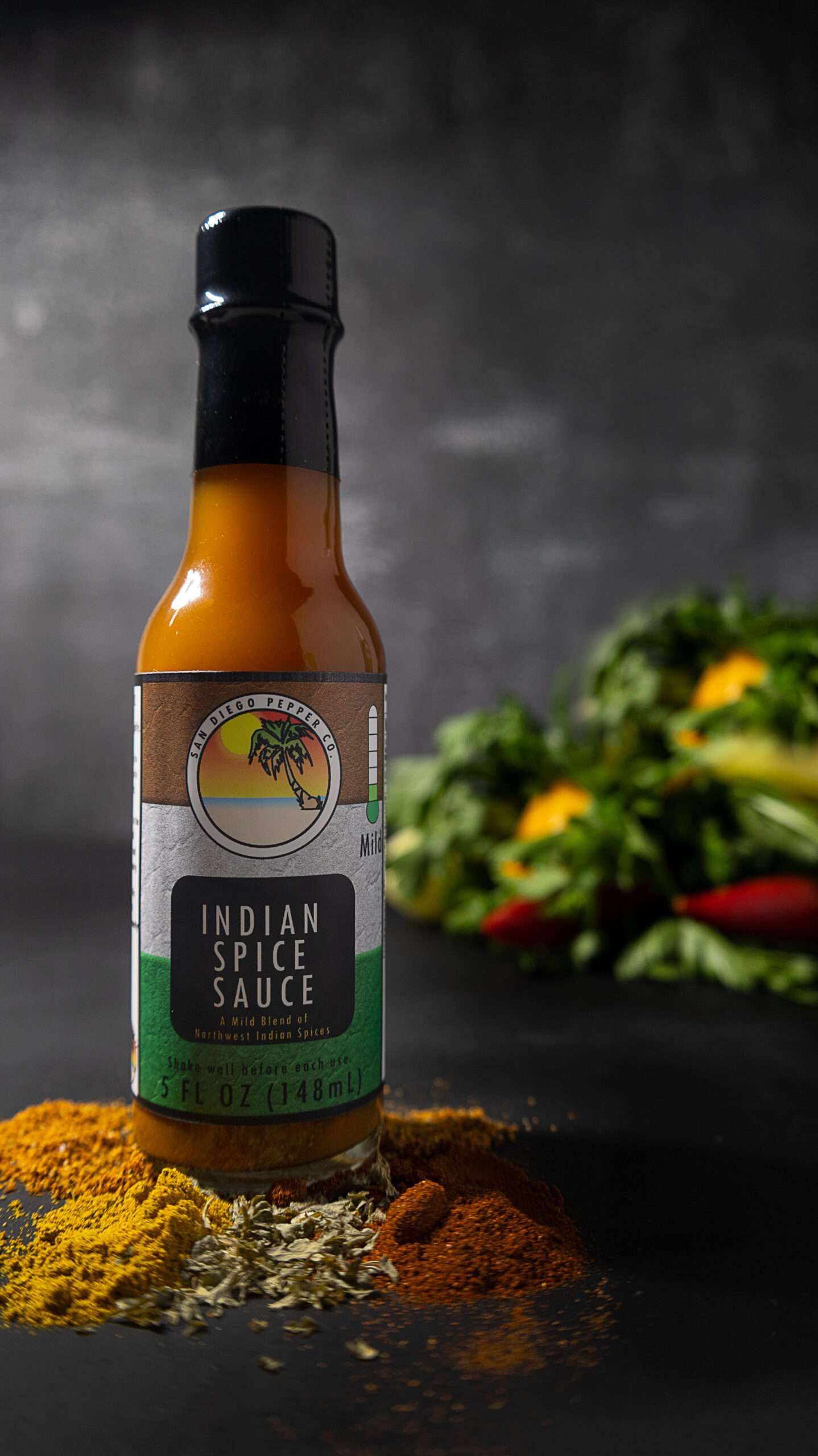
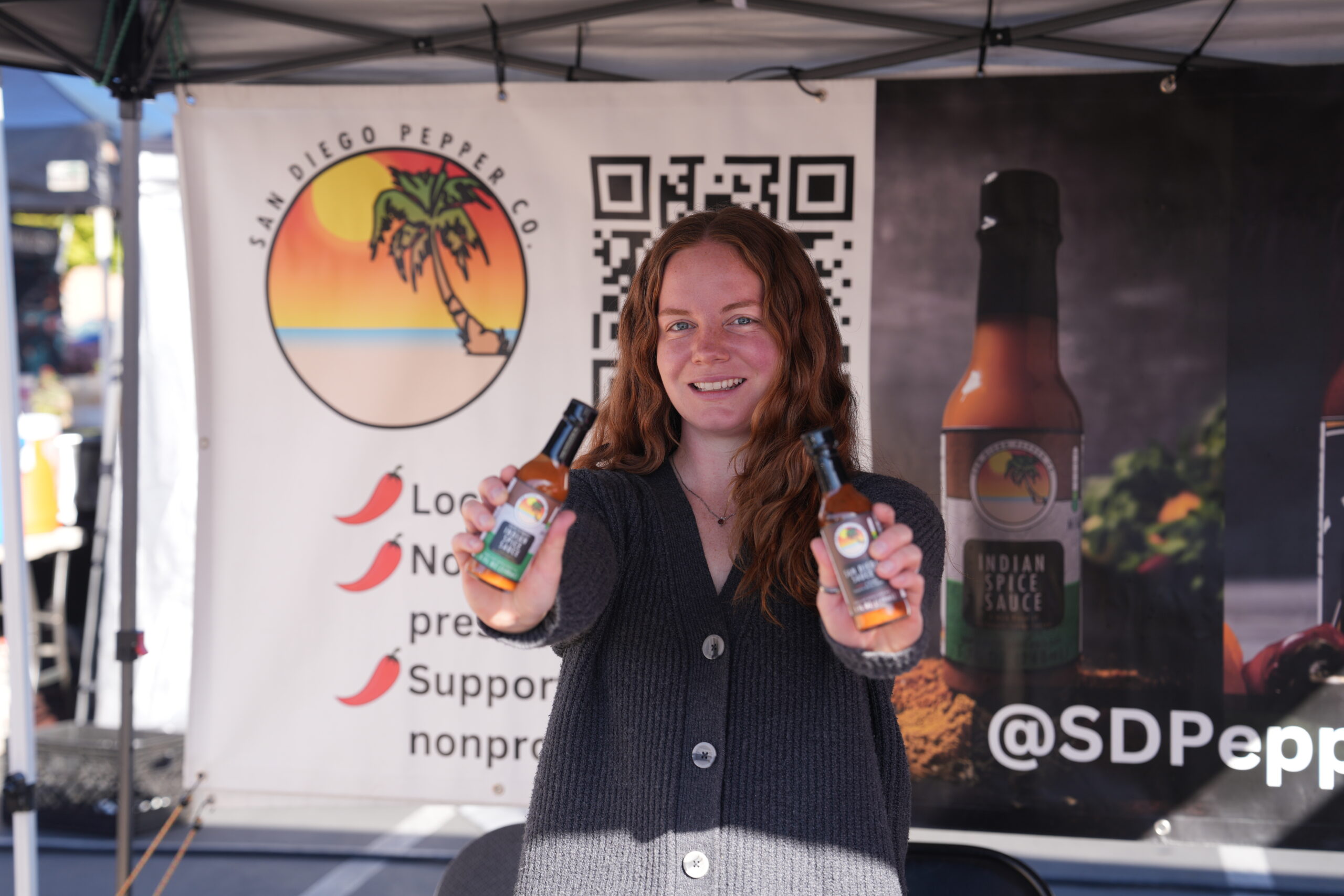
San Diego Pepper Company's Indian Spice Sauce

Here in San Diego, we have a unique relationship with our food. From the bustling Saturday morning farmers markets in Little Italy to the post-surf fish taco stands in Ocean Beach, our culinary culture is a vibrant collision of Baja-Med flavors, farm-to-table freshness, and a deeply ingrained coastal wellness lifestyle. We care about what goes into our bodies. We drink our cold-pressed green juices, we hunt down the best locally sourced ingredients, and we care deeply about our holistic wellness.

But what if one of the most powerful, health-boosting elixirs in your pantry is currently sitting right next to your salt and pepper? Many have asked questions around the health benefits of hot sauce, including “Is hot sauce a natural antiseptic?”

At San Diego Pepper Company, we believe that hot sauce is far more than just a condiment used to rescue a bland burrito. When crafted with intention, using whole, local ingredients and time-honored techniques, hot sauce is a functional food. It is a vibrant testament to the power of plant medicine. Today, we are diving deep into the science and history of the spice, exploring how the fundamental elements of craft hot sauce—chili peppers and high-quality vinegar—work in harmony to support your gut health, boost your metabolism, and elevate your overall well-being.

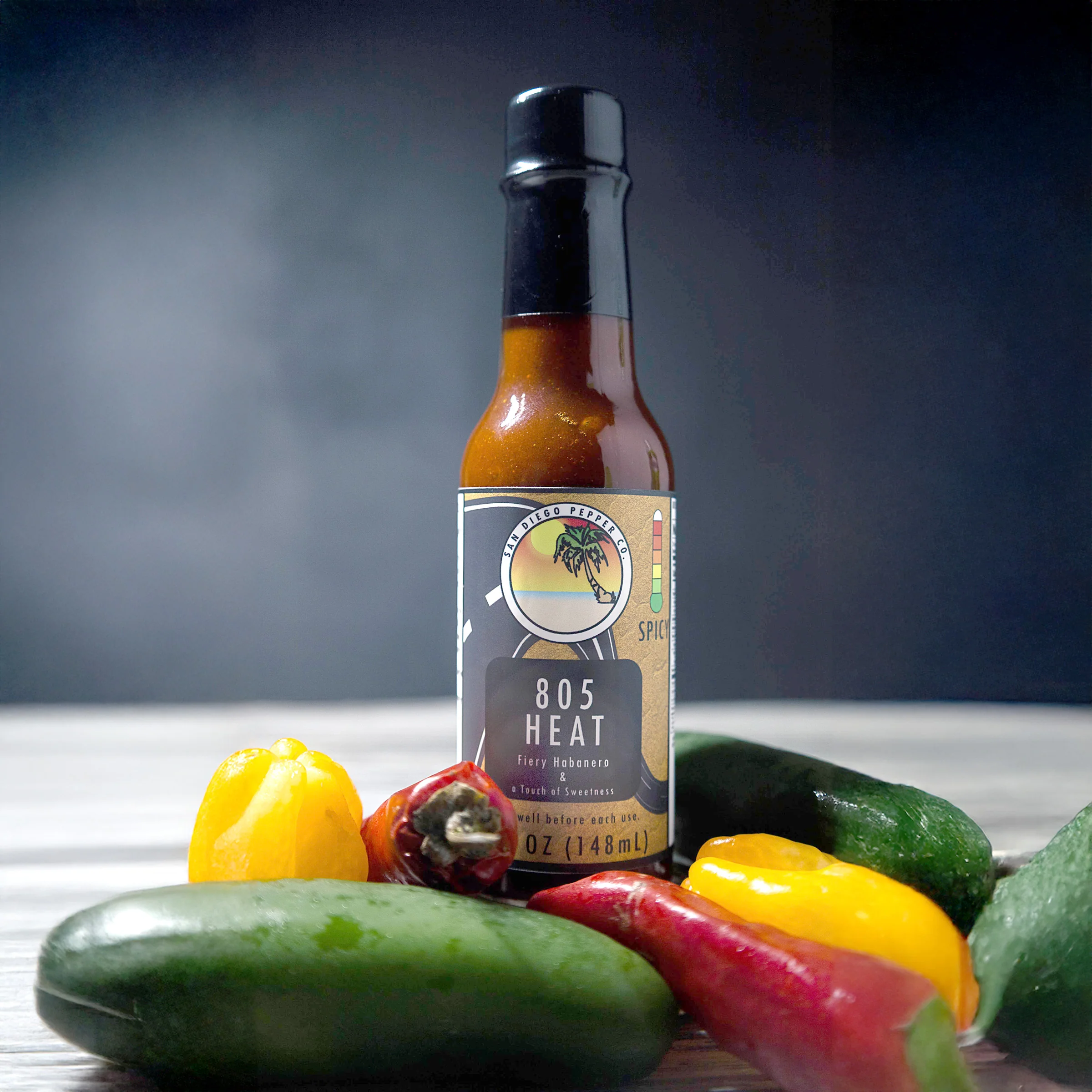
805 Heat, the pillar of Swicy from San Diego Pepper Company

The Ancient Origins: A Medicinal History

Before we look at the modern science of gut health, we have to look back at the origins of this fiery elixir. Hot sauce is not a modern culinary invention; its roots stretch back thousands of years deep into Mesoamerica.

Archaeological evidence suggests that the indigenous peoples of Mexico, Central America, and South America—specifically the Aztecs and Mayans—were cultivating chili peppers as early as 7000 BC. To these ancient civilizations, the chili pepper was not merely a way to flavor their meals; it was a sacred, medicinal plant. They recognized the potent, body-warming properties of the pepper and utilized it to treat everything from digestive issues to circulatory problems.

The earliest “hot sauces” were likely simple pastes made by grinding fiery peppers with water and local herbs. It wasn’t until much later, when Spanish colonizers arrived and introduced vinegar to the Americas, that the modern blueprint for hot sauce was born. Vinegar acted as a natural preservative, allowing the vibrant, spicy mixtures to be stored and transported without spoiling.

This ancient marriage of chili peppers and vinegar is the exact same foundation we build upon at San Diego Pepper Company today. By honoring this history, we deliver a product that is as restorative as it is delicious.

Chili Peppers: The Fiery, Functional Superfood

You can’t have hot sauce without the peppers. Whether it’s the bright, citrusy punch of a locally grown habanero or the smoky, lingering depth of a chipotle, peppers are the heart and soul of our craft. Beyond their flavor and their heat, chili peppers are botanical powerhouses brimming with bioactive compounds.

The star of the show is capsaicin, the chemical compound responsible for the burning sensation you feel when you eat a chili pepper. For years, people mistakenly believed that spicy food caused stomach ulcers. Modern science has completely flipped the script on this myth. In fact, research shows that capsaicin actually protects the stomach lining by stimulating the production of gastric juices and increasing blood flow to the mucosal lining of the stomach.

dried peppers from a recent harvest

But the benefits of capsaicin extend far beyond the stomach and play a critical role in your microbiome:

1. Microbiome Modulation

While probiotics from fermented foods get most of the credit in the wellness world, prebiotic and functional compounds like capsaicin are just as vital. Recent studies have demonstrated that dietary capsaicin positively influences the gut microbiome. It has been shown to increase the abundance of beneficial bacteria strains—such as Akkermansia muciniphila, which is highly associated with a healthy metabolic profile and a thick, protective intestinal mucus layer—while simultaneously reducing the presence of pathogenic, disease-causing bacteria. Your daily dash of hot sauce is actively helping to cultivate a stronger, more resilient gut environment.

2. Metabolic Boosting and Weight Management

Capsaicin has been widely studied for its thermogenic properties. When you consume spicy peppers, capsaicin slightly raises your core body temperature, which in turn causes your body to burn more calories. According to research highlighted by the National Institutes of Health (NIH), capsaicin consumption can boost metabolism, increase fat oxidation, and even promote a feeling of fullness, naturally curbing overeating.

3. A Powerful Anti-Inflammatory

Chronic inflammation is at the root of nearly every modern disease, from arthritis to cardiovascular issues. Capsaicin is a potent anti-inflammatory agent. It works by inhibiting Substance P, a neuropeptide associated with inflammatory processes. When you enjoy a generous pour of San Diego Pepper Company sauce, you are delivering a concentrated dose of anti-inflammatory relief to your system.

4. Antioxidant Density

Peppers are vibrantly colored for a reason. Those rich reds, bright oranges, and deep greens are visual indicators of incredibly high antioxidant levels. Chili peppers are absolutely loaded with Vitamin C (often containing more Vitamin C by weight than oranges), Vitamin A, and flavonoids. These antioxidants neutralize free radicals in the body, protecting your cells from oxidative stress and supporting a radiant, healthy complexion—crucial for those long days spent under the Southern California sun.

pav bhaji and indian spice sauce from San diego Pepper Company

Vinegar: The Unsung Hero of Digestion

The final pillar of a perfectly balanced craft hot sauce is vinegar. In hot sauce making, vinegar does more than just lower the pH to ensure food safety and stability; it adds a bright, acidic tang that cuts through rich foods and elevates the entire flavor profile. But from a wellness perspective, vinegar is a potent digestive aid.

At San Diego Pepper Company, we are meticulous about the vinegars we use, opting for high-quality, expertly sourced varieties that provide the perfect foundation for our pepper blends.

The primary active component in vinegar is acetic acid. This simple compound has a profound impact on how our bodies process food, particularly carbohydrates.

Regulating Blood Sugar

One of the most well-documented benefits of acetic acid is its ability to blunt the blood sugar spike that typically follows a carbohydrate-rich meal. Harvard Medical School notes that vinegar can significantly improve insulin sensitivity. When you add a vinegar-forward hot sauce to a plate of rice and beans, or even a slice of pizza, the acetic acid slows down the rate at which your stomach empties. This means the carbohydrates are broken down into sugars much more slowly, resulting in a steady release of energy rather than a sharp spike and subsequent crash.

Stimulating Digestive Fire

In holistic nutrition and Ayurvedic medicine, there is a concept of “digestive fire” or agni. A robust digestive fire means your body can efficiently break down food, extract the necessary nutrients, and eliminate waste. The acidity of vinegar naturally stimulates the production of stomach acid and digestive enzymes.

Many people who suffer from acid reflux actually have too little stomach acid, not too much, which causes the lower esophageal sphincter to remain open. The acidity from the vinegar in hot sauce can help signal this sphincter to close properly, aiding in smoother digestion and reducing post-meal bloating.

Deep Dive: The Science of Fermentation and Your Gut

As we explore the landscape of gut health, it is impossible to ignore the massive impact of fermentation—a biological process that has seen a massive resurgence in the San Diego wellness community. While we at San Diego Pepper Company choose a vinegar-based approach to capture the crisp, immediate heat of the pepper, we believe every informed foodie should understand the role fermented foods play in a holistic diet.

Fermentation is a metabolic process where microorganisms, such as bacteria or yeast, convert carbohydrates into acids or alcohol. In the context of “living foods,” this most commonly refers to lacto-fermentation. Here, Lactobacillus bacteria thrive in an anaerobic environment, consuming sugars and producing lactic acid. This process doesn’t just preserve food; it fundamentally alters its nutritional architecture.

The Probiotic Powerhouse

The most significant benefit of fermented foods like kimchi, sauerkraut, kefir, and kombucha is their status as “probiotics.” According to the International Scientific Association for Probiotics and Prebiotics (ISAPP), these live microorganisms provide a health benefit to the host when administered in adequate amounts. By consuming these living cultures, you are essentially “reseeding” your gut microbiome.

A landmark study from the Stanford School of Medicine found that a diet high in fermented foods led to an increase in overall microbial diversity and a decrease in inflammatory proteins. This is crucial because a diverse microbiome is linked to a lower risk of obesity, Type 2 diabetes, and inflammatory bowel disease.

Bioavailability and Pre-Digestion

Fermentation also acts as a form of “pre-digestion.” The microbes break down complex starches and neutralize “anti-nutrients” like phytic acid, which can interfere with mineral absorption. This makes the nutrients within the food—such as B vitamins and magnesium—far more bioavailable to your body. For many with sensitive stomachs, fermented vegetables are often easier to digest than their raw counterparts.

Postbiotics: The New Frontier

Emerging research suggests that the benefits of fermentation go beyond the live bacteria themselves. The byproducts created during fermentation, known as postbiotics, include short-chain fatty acids (SCFAs) like butyrate. Research published in the journal Nature indicates that these SCFAs are the primary fuel source for the cells lining your colon, helping to maintain the integrity of the “gut barrier” and preventing leaky gut syndrome.

By incorporating a variety of both fresh, functional condiments (like our vinegar-based sauces) and living fermented foods into your diet, you create a comprehensive support system for your digestive health.

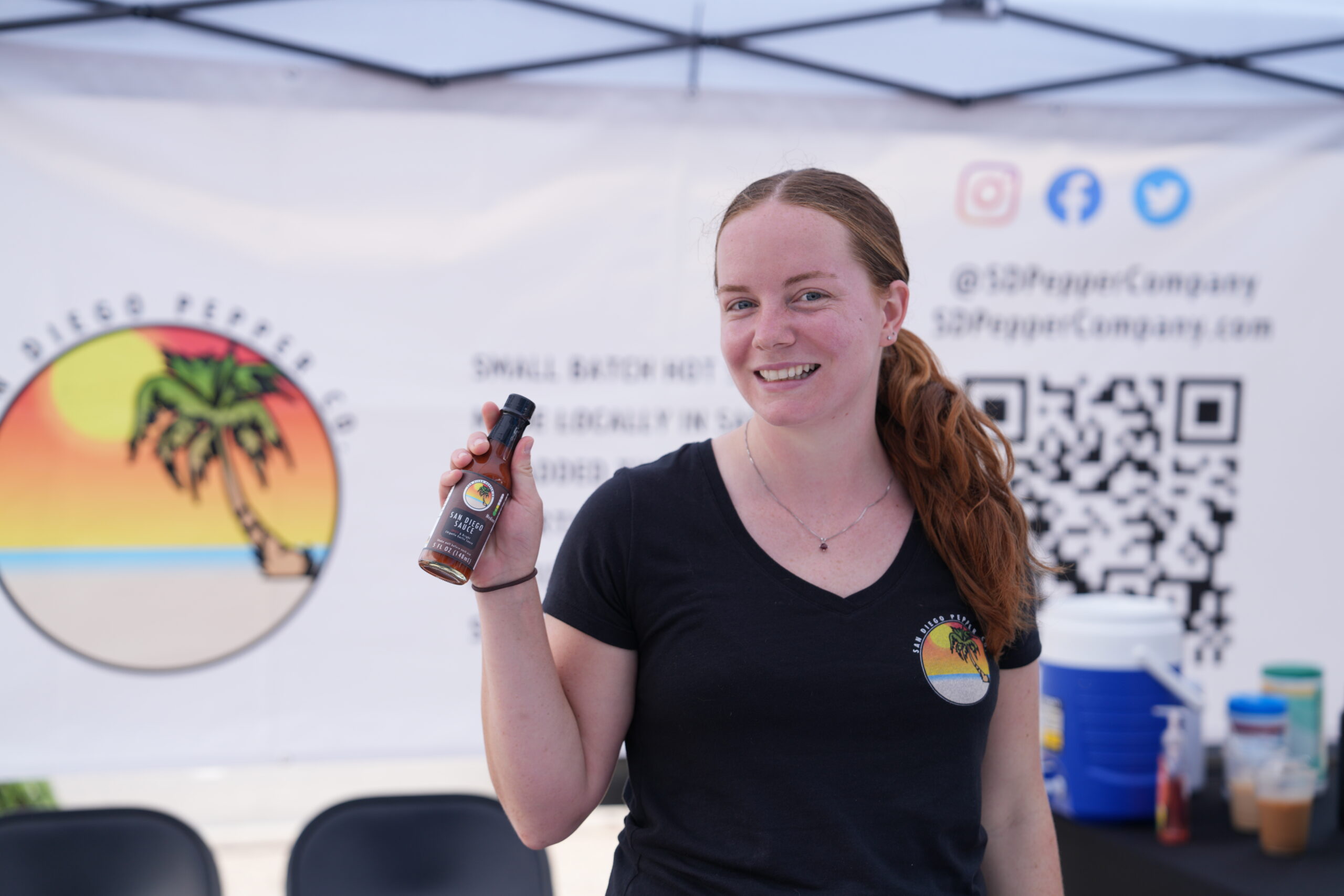
San Diego Pepper Company employee holding San Diego Sauce at the Solana Beach Farmers Farmet

The San Diego Lifestyle: Eating with Intention

To live in San Diego is to embrace a lifestyle that honors the balance between pleasure and health. We hike Torrey Pines, we paddle out at Swami’s, and we gather with friends over incredible meals. Food here is not just fuel; it is a community experience.

At San Diego Pepper Company, our mission is to bottle that ethos. We believe that you shouldn’t have to choose between food that tastes mind-blowingly delicious and food that makes your body feel incredible.

When you choose a craft hot sauce made with real peppers and premium vinegar over a commercial brand filled with xanthan gum, artificial colors, and high-fructose corn syrup, you are making a conscious choice for your health. You are choosing a condiment that honors the agricultural bounty of our region and respects the ancient, time-honored traditions of food preparation.

How to Maximize the Gut-Health Benefits of Your Hot Sauce

If you want to truly harness the wellness power of your hot sauce, keep these local tips in mind:

  • Combine with Healthy Fats: Capsaicin is a fat-soluble compound. This means your body absorbs its beneficial properties much more efficiently when it is consumed alongside healthy fats. Drizzle our hot sauce generously over a locally grown avocado, or use it to spice up a piece of fresh-caught Pacific salmon.
  • Pair with Prebiotics: Your gut microbiome relies on prebiotics—essentially indigestible plant fibers—to thrive. Pair your hot sauce with prebiotic-rich foods like garlic, onions, asparagus, and jicama for a synergistic gut-health boost.
  • Listen to Your Body: While capsaicin and premium vinegars are incredibly healthy, everyone’s microbiome is unique. If you are new to spicy peppers, start with a few dashes a day and let your digestive system adapt to the heat and the functional benefits.

Heat with a Purpose

The next time you reach for a bottle of San Diego Pepper Company hot sauce, take a moment to appreciate exactly what you are holding. It isn’t just a fiery kick to wake up your palate. It is a carefully crafted blend rooted in ancient history, packed with microbiome-boosting capsaicin, and balanced with blood-sugar-regulating acetic acid.

It is a testament to the fact that food can be medicinal, that healing can be flavorful, and that wellness doesn’t have to be bland. Pour it on thick, enjoy the burn, and know that your gut is thanking you with every single bite.

Is hot sauce good for your stomach?

Ultimately, hot sauce’s impact depends on its ingredients. Pure capsaicin offers antimicrobial and protective benefits, but many commercial bottles are loaded with sodium, artificial thickeners, or preservatives that can trigger irritation. Always check the label; a simple sauce can be gut-friendly, while highly processed versions may cause more digestive distress than health benefits.

Is hot sauce a natural antiseptic?

Hot sauce acts as a mild natural antiseptic due to capsaicin’s ability to inhibit foodborne bacteria like Salmonella and E. coli. Historically used to preserve food, it can support internal gut hygiene. However, it isn’t a clinical disinfectant; it cannot make contaminated food safe to eat or treat external wounds, where its vinegar and salt would cause severe irritation.

Is hot sauce good for you?

Hot sauce is generally beneficial, offering metabolism-boosting capsaicin and antioxidant-rich vitamins. It supports gut health by acting as a prebiotic and protecting the stomach lining. However, its health profile depends on the ingredients; avoid versions high in sodium or additives. While great for most, it can trigger discomfort for those with acid reflux or existing digestive sensitivities.

What hot sauce brands are healthy?

For health, San Diego Sauce leads with only 40mg of salt per serving and a clean ingredient label. Along with the original Tabasco—note that newer Tabasco variations often include gums—both brands are prized for simple, clean ingredients. Similarly, Heatonist offers many artisan sauces free of oils and thickeners, while Frank’s remains a solid, additive-free choice if you monitor its sodium levels.

Posted on

Swicy: The Rise of the Sweet and Spicy Food Trend in California Culture (2026)

805 Heat, the pillar of Swicy from San Diego Pepper Company

If you’ve spent any time at a San Diego farmers market or scrolled through a “best-of” list for SoCal tacos, you’ve felt the heat. But lately, that heat has a new partner. It’s a profile known as “Swicy”—the addictive, high-contrast marriage of sweetness and spice that has moved from a niche culinary experiment to a full-blown cultural movement.

At San Diego Pepper Company, we’ve watched this trend evolve from the ground up. In the 619, the swicy profile isn’t just a fad; it’s a reflection of our border-town soul and our obsession with flavor complexity.

What is “Swicy” and Where Did It Come From?

“Swicy” (a playful portmanteau of sweet and spicy) describes a flavor experience where the initial hit of sweetness acts as a vehicle for a creeping, complex heat. Scientifically, sugar helps to coat the tongue, momentarily buffering the TRPV1 receptors that sense capsaicin. This allows the palate to appreciate the nuanced floral and fruity notes of a pepper (like the Habanero) before the burn takes over.

While the internet—specifically TikTok creators around 2023—coined the term “swicy,” the origins of this flavor profile date back centuries and span the globe. As noted in a deep dive by Paste Magazine, indigenous Aztec and Mayan cultures were combining rich cacao with fiery chilies thousands of years ago. Across the Pacific, Asian cuisines have long perfected this balance. Korean gochujang (a fermented, sweet-spicy chili paste), Thai sweet chili sauce, and Vietnamese nuoc cham laid the global groundwork for the modern swicy palate, proving that spice is meant to enhance, not just punish.

Southern California: The Birthplace of Food Movements

Why did swicy explode here? Southern California has long been the undisputed incubator for American food movements. From the early days of the farm-to-table and organic movements to the mainstreaming of fusion taco trucks, kombucha, and plant-based eating, SoCal is the perfect culinary storm. We have year-round access to incredible agriculture, a deeply diverse population bringing rich global food traditions, and a consumer base that is famously adventurous.

The Expo West Phenomenon

There is no better proof of Southern California’s status as a culinary tastemaker than Natural Products Expo West, held annually in our backyard in Anaheim. Expo West is the world’s premier trade show for natural, organic, and healthy products, acting as the launchpad for almost every major grocery trend of the last two decades.

At the recent Expo West 2026, the swicy movement officially graduated from a niche trend to a global flavor language. According to a trend breakdown published by Harris Spice following the event, “Swicy 2.0” absolutely dominated the show floor. We are now seeing the evolution of sweet heat beyond basic sauces, moving into complex cross-cultural formats like maple gochujang, peach-habanero glazes, and even swicy boba teas introduced by brands like Orbitel Group. Expo West proved that consumers—driven heavily by Millennials and Gen Z—are demanding multi-sensory, globally inspired flavors in every aisle of the grocery store.

Chamoy and fresas con crema

The Cultural Pillars of California’s Swicy Scene

Beyond the trade show floors of Anaheim, our everyday culinary identity in California is a “mashup” by design. The roots of our local swicy profile are deeply ingrained in three specific cultural pillars:

1. The Mexican “Chamoy” Influence

Long before the rest of the country discovered “swicy,” San Diegans were eating fruit cups dusted in Tajín and drizzled with Chamoy. This combination of dehydrated fruit, chili, and lime is the blueprint for the California palate. It taught us that spice should be a balanced, multi-sensory experience.

2. The Rise of Hot Honey

The most visible early ambassador of the American swicy movement was undoubtedly Hot Honey. According to food industry data from Datassential, hot honey has seen over 230% growth on restaurant menus since 2021. Whether it’s drizzled over wood-fired pepperoni pizza in North Park or glazed onto fried chicken, hot honey proved that the mainstream palate was ready to move beyond basic buffalo sauce.

San Diego Pepper Company's Hot Honey Sauce from San Diego Honey Company
San Diego Pepper Company’s Hot Honey Sauce from San Diego Honey Company

3. Sweet Chutneys and Global Fusion

The influence of Indian and Southeast Asian cuisines in California has introduced us to the world of sweet chutneys. Tamarind-based sauces and mango chutneys provide a deep, earthy sweetness that pairs perfectly with the high-octane heat of ghost peppers or bird’s eye chilies. This global fusion has encouraged local chefs to experiment with fruit-forward heat, leading to a more sophisticated “craft” hot sauce market. While products like Indian Spice Sauce are clear modern takes on Indian-American cuisine, the swicy movement inspired the 805 Heat hot sauce as well!

The Problem with the “Honey” Trend: The Vegan Gap

While hot honey ignited the modern swicy flame, it left a significant portion of our community behind. California is a global leader in plant-based living, and many “swicy” enthusiasts are looking for ethical, bee-free alternatives that don’t sacrifice that signature viscous, sugary mouthfeel.

Traditional honey-based products are off-limits for vegans, and many mass-produced “sweet heat” sauces on the market use high-fructose corn syrup as a cheap substitute. This is where the modern adaptation of swicy takes a turn toward quality ingredients and inclusivity.

San Diego Pepper Company: 805 Heat and the Future of Swicy

As local brand strategists and pepper enthusiasts, we realized the market needed a vegan-friendly swicy powerhouse. That was the inspiration behind 805 Heat.

Named after the iconic coastal highway vibes, 805 Heat is our answer to the swicy movement. We swapped the honey for a deep, rich brown sugar and apple cider vinegar base. This creates a “glaze” effect—the initial wave of sweetness is dark and caramelized, which perfectly sets the stage for a serious Habanero kick.

805 Heat, the pillar of Swicy from San Diego Pepper Company

Why 805 Heat Defines Modern Swicy:

  • Vegan-Friendly: No honey, no animal byproducts—just pure, plant-based sweet fire.
  • The “Slow Burn”: Unlike “all-bark-no-bite” sweet sauces, 805 Heat maintains a high heat level that satisfies true pepper heads.
  • Versatility: It’s a glaze for grilled cauliflower wings, a dip for salty fries, or the secret ingredient in a spicy margarita.

Conclusion

The swicy movement isn’t going anywhere because it taps into a fundamental human desire for balance. In San Diego, we don’t just want it hot; we want it interesting. We want the salt of the ocean, the sweetness of the fruit, and the fire of the pepper.

Whether you’re a lifelong local or just passing through the 805, the next time you reach for a bottle of sauce, look for the balance. The swicy revolution is here to stay, and thanks to SoCal’s endless innovation, it’s never tasted better.

Ready to join the movement? Explore our full line of San Diego craft hot sauces and find your perfect heat level.

What is swicy?

“Swicy” is a playful mix of the words sweet and spicy,. Swicy describes a flavor experience where the initial hit of sweetness acts as a vehicle for a creeping, complex heat.

What are the most common “Swicy” foods?

Hot honey, gochujang, chutney and certain sweet hot sauces like 805 heat are popular swicy food items.

Where did “Swicy” originate

“Swicy” (sweet + spicy) originated from deep-rooted Asian culinary traditions—particularly Thai, Indian, and Korean—before becoming a global 2023 food trend popularized by TikTok

Are there any vegan hot honey products?

While hot honey is inherently not vegan, products like 805 Heat from San Diego Pepper Company capture the essence of Swicy and can be used in its place.

Posted on

5 Female Founders Redefining the Hot Sauce Industry: From San Diego to Belize

San Diego Pepper Company employee holding San Diego Sauce at the Solana Beach Farmers Farmet

The Female Founders Redefining the Hot Sauce Industry

In the world of craft hot sauce, the narrative has long been dominated by “chili heads” chasing extreme Scoville units and gimmicky “death” branding. But if you look behind the scenes of the most flavorful, kitchen-staple bottles today, you’ll find a powerful movement of female founders.

These women aren’t just making things spicy; they are prioritizing flavor profiles, clean ingredients, and cultural heritage. From the tropical fields of Belize to the surf-washed kitchens of Encinitas, here are the women reshaping the industry—starting with our very own at San Diego Pepper Company.

Jacklyn Little-Parhar (San Diego Pepper Company)

Based in the heart of San Diego’s North County, Jacklyn Little Parhar is the visionary co-founder behind San Diego Pepper Company. For Jacklyn, the mission wasn’t to create the world’s hottest sauce, but to bottle the essence of the San Diego lifestyle.

Inspired by a life-changing sauce discovered on her honeymoon in St. Thomas, Jacklyn and her husband Kieran returned to Encinitas with a goal: create a “flavor-first” sauce that felt as authentic as a local fish taco. As the driving face behind the brand’s community-minded approach, Jacklyn has turned their signature San Diego Sauce into a cultural benchmark. By focusing on a smoky, garlic-forward chipotle profile rather than pure heat, she has provided the “missing piece” for home cooks looking to replicate that elusive Baja-style white sauce. Jacklyn proves that in a city known for its culinary laid-back cool, authenticity is the most important ingredient.

Taking her husband’s Indian Culture and love for cooking, Jacklyn is weaving San Diego Pepper Company in the fabric of San Diego Culture by stocking sauce in over 30 locations throughout Southern California.

Marie Sharp (Marie Sharp’s Fine Foods)

You cannot talk about women in hot sauce without bowing to the “Queen of Habenero,” Marie Sharp. In 1981, Marie began making sauce in her small kitchen in Belize using peppers from her family farm.

Marie’s story is one of ultimate grit. After her original distributor famously stole her recipes and branding, Marie had to start over from scratch, eventually building an international empire that defines the “farm-to-bottle” standard. Today, at over 80 years old, she remains an icon of tenacity. Her carrot-based habanero recipes changed the game, proving that vegetables belong in hot sauce to provide a natural, rounded sweetness that vinegar alone can’t achieve.

Molly Fienning (Red Clay Hot Sauce)

In Charleston, South Carolina, Molly Fienning is proving that hot sauce can be a sophisticated, high-end pantry staple. Molly wasn’t even a “hot sauce person” until she tasted a cold-pressed Fresno chili sauce at an oyster bar.

Recognizing the potential for a brand that appealed to the modern, health-conscious foodie, she stepped in as CEO of Red Clay Hot Sauce. Molly’s leadership has seen the brand scale nationally into Whole Foods and Target. Her “fewer, finer” philosophy emphasizes sustainability and cold-pressed techniques, treating hot sauce with the same respect as a fine olive oil or wine.

The Narrative Weaver: Maddy Kelman (Homestead’s Hot Sauce)

Known to her followers as “The Hot Sauce Girl,” Maddy Kelman brings a theatrical flair and a deep commitment to integrity to the industry. With a background in theatre, Maddy understands that a brand is a story.

At Homestead’s Hot Sauce, she fights against the “filler culture” of the modern food industry. Her sauces are a stand against processed sugars and artificial preservatives. Maddy’s success—transitioning from local farmers’ markets to upscale dining—is a testament to her belief that modern diners are hungry for a connection to the hands that made their food.

The Cultural Fusionist: Janice Miye Kim (hotgirlsauce)

Representing the vibrant Los Angeles food scene, Janice Miye Kim is the founder of hotgirlsauce. As a second-generation Korean-American, Janice created her chili oil line to celebrate “Son Mat”—the Korean concept of food made with love and hand-tossed care.

Janice’s mission is to make chili oil as ubiquitous as ketchup. Her brand is silky, all-natural, and incredibly versatile, moving beyond traditional Asian pairings to elevate everything from morning eggs to avocado toast. By focusing on low sodium and zero food waste, she is leading the charge for a healthier, more inclusive “hot girl” pantry.

The Common Thread

While their flavor profiles range from smoky chipotle to crunchy chili oil, these founders share a common philosophy: Sauce should enhance the meal, not overpower it. At San Diego Pepper Company, we are proud to stand alongside these women. We believe that when you support female-founded brands, you’re supporting a more thoughtful, community-driven, and—frankly—more delicious food industry.

Next time you’re at the market, look for the story behind the bottle. It’s usually where the best flavor lives.

Who are female founders in the hot sauce industry?

Jacklyn Parhar of San Diego Pepper Company, Marie Sharp, Molly Fienning, Maddy Kelman, and Janice May Kim are all San Diego Pepper Company at the Point Loma farmers market holding an authentic bottle of San Diego sauce

Posted on

San Diego Farmers Markets: Complete Neighborhood Guide of 27 San Diego Farmers Markets (2026)

San Diego Pepper Company employee holding San Diego Sauce at the Solana Beach Farmers Farmet

The Best San Diego Farmers Markets: A 2026 Neighborhood Guide

Quick FAQ: Where is San Diego Pepper Company located?

Current Location: You can find the San Diego Pepper Company booth exclusively at the Solana Beach Farmers Market every Sunday from 12:00 PM to 4:00 PM. We do not currently have a permanent booth at any other San Diego farmers markets.

While we love visiting every market on this list, the Solana Beach Farmers Market (Sundays) is currently the ONLY market where San Diego Pepper Company officially participates as a vendor.

That being said, we take our time to visit all of the farmers markets in San Diego. We have put together a comprehensive locals guide for San Diego Farmers Markets.

San Diego Farmers Markets Near Me: Quick Schedule by Day

Looking for a market today? Use this quick-glance schedule for San Diego County:

While we tried to be comprehensive, the County of San Diego keeps up to date information on their website: https://www.sandiegocounty.gov/content/sdc/awm/farmers_markets

What is the best Farmers Market in San Diego?

Solana Beach Certified Farmers Market

(Sunday: 12:00 PM – 4:00 PM | 444 S Cedros Ave, Solana Beach, CA)

Solana Beach Farmers Market along Cedros is the best farmers market in San Diego in my opinion! The Vibe: Situated in the chic Cedros Design District, with plenty of parking and a wide range of produce, crafts, and small food businesses – this afternoon market is artsy and boutique. This is our absolute favorite market in the county, and it’s where you will find the San Diego Pepper Company crew every Sunday!

San Diego Farmers Market
San Diego Farmers Market via County of San Diego story map

Complete San Diego County Market Directory

Coastal & Downtown San Diego

  • Carlsbad State St (Wed, 2:30-7:00 PM): Located in the heart of Carlsbad Village, this midweek market transforms State Street into a pedestrian-friendly shopping destination. It’s a favorite for locals looking for North County coastal produce, organic honey, and handmade jewelry. The late afternoon hours make it perfect for families and commuters to grab fresh dinner ingredients like wild-caught fish or artisanal sourdough. With live acoustic music and proximity to Carlsbad’s best breweries, it’s as much a social event as a grocery run. Expect high-quality citrus from nearby inland orchards and a diverse array of international hot food stalls.
  • Coronado Ferry Landing (Tue, 2:30-6:00 PM): Boasting one of the most scenic backdrops in Southern California, the Coronado market sits directly on the bay with views of the San Diego skyline. Though smaller in scale, the quality is exceptional. It’s the primary source for island residents to find farm-direct avocados, berries, and stone fruits. The breeze off the water makes shopping comfortable even in peak summer. It is an ideal Tuesday stop for tourists and locals alike who want to combine a bike ride or ferry trip with a healthy haul of local agricultural treasures.
  • Del Mar Farmers Market (Sat, 12:00-4:00 PM): This boutique market serves the upscale coastal community of Del Mar with a refined selection of organic produce and gourmet prepared foods. Situated at the sleek, modern Civic Center, it offers ocean views and a relaxed Saturday afternoon pace. Known for its world-class floral arrangements and artisanal European pastries, it caters to a discerning palate. It’s a great spot to find unique gifts like small-batch olive oils or locally crafted soaps. The market is very dog-friendly and accessible, emphasizing quality over quantity in a stunning North County coastal setting.
  • Gaslamp Artisan Market (Sat/Sun, 10-4 PM): Set in San Diego’s historic downtown district, this weekend market focuses heavily on the “artisan” side of the equation. It is a premier destination for local clothing designers, jewelry makers, and visual artists. While you won’t find rows of vegetables here, it is the best place in the city to discover San Diego-themed apparel and handcrafted home decor. Its central location makes it a staple for brunch-goers and tourists exploring the Gaslamp Quarter’s Victorian-era architecture. It provides a vibrant, urban atmosphere that highlights the city’s creative entrepreneurial spirit.
  • Imperial Beach Pier Plaza (Fri, 2:00-7:00 PM): This is San Diego’s southernmost farmers market, located literally steps away from the sand at the Imperial Beach Pier. It offers a laid-back, “classic California” vibe that is perfect for a Friday sunset. Local vendors provide a solid range of seasonal produce, but the real draw is the community atmosphere and the beach-front dining options. From fresh kettle corn to locally made salsas, it’s a neighborhood favorite for residents of IB and South Bay. It’s an excellent way to start the weekend with sea air and farm-fresh snacks.
  • Oceanside Morning Market (Thu, 9:00 AM – 1:00 PM): Thursdays in Oceanside are a major event, and the morning market near the historic pier is the first half of the excitement. This massive gathering features dozens of farmers from the nearby San Luis Rey Valley, offering an abundance of organic greens, colorful root vegetables, and fragrant herbs. It’s a functional market for serious home cooks, but the proximity to the beach also attracts a steady stream of visitors. The sheer variety of vendors—from exotic plants to fresh-baked artisanal breads—makes it one of the most comprehensive morning markets in the county.
  • Pacific Beach Tuesday (Tue, 2:00-6:00 PM): Capturing the youthful, high-energy spirit of “PB,” this Tuesday afternoon market on Bayard Street is a hub for the local surf and student communities. While there are plenty of fresh produce stalls with local citrus and avocados, the market shines in its “ready-to-eat” category. It’s famous for healthy bowls, innovative vegan snacks, and refreshing cold-pressed juices. The atmosphere is consistently upbeat, often accompanied by local DJs or live musicians. It’s the perfect mid-week stop to refuel after a beach session while supporting local eco-conscious artisans and farmers.
  • Point Loma Liberty Station (Sat, 10:00 AM – 1:00 PM): Located in the historic Lot K of Liberty Station, this Saturday morning market is a favorite for Point Loma families. The wide, paved pathways are ideal for strollers and wagons, making it a stress-free experience for parents. Vendors here offer everything from pasture-raised eggs and grass-fed meats to boutique baked goods. The market is surrounded by the lush parks and naval-inspired architecture of Liberty Station, encouraging visitors to grab a coffee and local pastry for a picnic on the grass. It is a well-curated, community-centric market that emphasizes local sustainability.
  • Tuna Harbor Dockside (Sat, 8:00 AM – 1:00 PM): For the freshest seafood in San Diego, this is the undisputed destination. This open-air seafood market allows you to buy directly from local fishermen at the pier. Depending on the season, you can find whole bluefin tuna, rock crab, California spiny lobster, and Pacific gold oysters. It is a rugged, authentic experience where you see the boats that caught your lunch just hours prior. There are no vegetables here—just world-class seafood. It is highly recommended to arrive at opening (8:00 AM) as the most sought-after species sell out quickly.

North County & Inland

  • Escondido Grand Ave (Tue, 2:30 PM – Sunset): This market takes place in the historic downtown area of Escondido, a region with a deep agricultural heritage. Because of its inland location, you will often find unique desert-climate produce, including various cactus fruits, specialty dates, and a massive variety of peppers. It is a “purist’s” market, where the relationship between the farmer and the consumer is the primary focus. The community energy is strong, with many vendors having served the area for decades. It is a fantastic spot for those looking for bulk prices on high-quality seasonal staples.
  • Fallbrook Main Ave (Sat, 9:00 AM – 1:30 PM): Known worldwide as the “Avocado Capital,” Fallbrook’s Saturday market is a celebration of rural North County life. You will find the best avocados on the planet here, alongside macadamia nuts, local honey, and incredible citrus varieties. The market feels like a step back into a simpler time, with friendly vendors and a relaxed, small-town Main Street atmosphere. It is the perfect destination for a Saturday morning drive to the “backcountry” to stock up on staples and enjoy the fresh air and lush, rolling hills of Fallbrook.
  • Mira Mesa High School (Tue, 3:00-7:00 PM): This Tuesday evening hub is a culinary landmark in Central San Diego. While it has a full roster of certified farmers offering fresh produce, it is legendary for its international hot food section. Drawing from the diverse local community, you can find authentic Filipino lumpia, Vietnamese snacks, and incredible Thai street food. It serves as a weekly community dinner for the neighborhood, with families gathering in the high school parking lot to eat and shop. It’s an essential stop for anyone wanting to experience the rich cultural tapestry of Mira Mesa through food.
  • Poway Midland Road (Sat, 8:00 AM – 1:00 PM): Located next to Old Poway Park and its historic railroad, the Poway market offers a wholesome, vintage Americana feel. It is incredibly popular with families because of the nearby train rides and shaded picnic areas. The market features a balanced mix of traditional farmers, local craftspeople, and hot food vendors. You can find everything from farm-direct berries to handmade wooden toys. It is one of the most well-established markets in the inland region, providing a safe, clean, and community-oriented shopping experience that feels like a Saturday morning tradition.
  • Rancho Bernardo Winery (Fri, 9:00 AM – 1:00 PM): This is undoubtedly the most charming market location in San Diego. It is set within the grounds of the Bernardo Winery, the oldest operating winery in Southern California. Shopping here feels like wandering through an old European village, with rustic brick buildings and sprawling olive trees. In addition to fresh local produce and eggs, visitors can enjoy wine tastings and explore the onsite artisan shops. It is a favorite for North County residents who want a sophisticated, leisurely Friday morning experience that combines agriculture with local viticulture history.
  • San Marcos North City (Tue, 3:00-7:00 PM): Located in the modern, walkable “North City” development across from CSU San Marcos, this market has a sleek, urban energy. It caters to a mix of college students, tech professionals, and young families. The vendors are highly curated, focusing on trendy health foods, artisanal breads, and sustainable local produce. It’s an excellent example of a modern farmers market that integrates seamlessly with retail and residential spaces. The Tuesday evening timeframe makes it a popular post-work social destination for grabbing a craft beer and fresh ingredients for the week.
  • Scripps Ranch Newtopia (Thu, 3:00-7:00 PM): This market has a unique “Happy Hour” atmosphere thanks to its location at Newtopia Cyder. It is a tight-knit neighborhood event where Scripps Ranch residents gather to shop for local produce and enjoy a drink. While smaller than some of the downtown giants, it packs a punch with high-quality local meat vendors, specialized plant nurseries, and a great selection of hot food trucks. It is a perfect example of a community-first market that focuses on providing a high-quality weekly social outlet alongside essential farm-to-table shopping.
  • Vista Courthouse (Sat, 8:00 AM – 12:00 PM): Vista is one of the oldest and most respected “true” farmers markets in the county. It is known for its strict adherence to agricultural standards, meaning you are getting the freshest, most direct product possible from local growers. It is a sprawling market that attracts serious cooks from all over North County who are looking for heirloom varieties and organic staples. While the courthouse parking lot location is utilitarian, the sheer volume of produce, nuts, and farm-direct items makes it a mandatory stop for anyone serious about local food.

East County & South Bay

  • Chula Vista Otay Ranch (Tue, 4:00-7:00 PM): This evening market is located within the Otay Ranch Town Center, making it a highly convenient stop for South Bay residents. It is particularly famous for its incredible selection of Mexican street food, including birria tacos, churros, and elote. Beyond the hot food, it features a consistent group of local farmers providing essential produce like leafy greens, citrus, and avocados. It’s an incredibly family-friendly environment with live music and plenty of seating, making it a staple Tuesday night tradition for the Eastlake and Chula Vista communities.
  • La Mesa Village (Fri, 3:00-7:00 PM): Taking over the historic downtown strip of La Mesa Boulevard, this Friday market feels like a giant neighborhood block party. It is one of the largest in East County and draws massive crowds. The street closure allows for a sprawling layout of artisan crafts, local farms, and international food stalls. It’s the perfect place to start your weekend, offering everything from fresh flowers to artisanal cheese. The vibe is energetic and community-focused, reflecting the resurgence of La Mesa as a premier dining and social destination in the San Diego region.
  • Santee (Wed, 3:00-7:00 PM): The Santee market is a model of efficiency and community service. Located in East County, it focuses on providing residents with high-quality, affordable staples. You’ll find great local eggs, seasonal fruits, and a solid selection of vegetables. It is particularly well-organized, making it easy for busy parents to get in and out with their weekly groceries. The hot food section is also a major draw, offering a variety of comfort foods that make for an easy Wednesday night dinner. It is a vital resource for the Santee and Lakeside areas.
  • Santa Ysabel (Sun, 11:00 AM – 4:00 PM): For those heading up to the mountains of Julian, this Sunday market is a mandatory pit stop. It is a rustic, backcountry experience that highlights the unique agricultural products of the San Diego mountains. Expect to find incredible local honey, seasonal Julian apples, and handmade preserves. It is smaller than urban markets but offers a distinct sense of place and flavor you won’t find anywhere else. It is the perfect spot to grab a snack and some local mountain treasures while enjoying the scenic drive through the East County highlands.
San Diego Pepper Company employee holding San Diego Sauce at the Solana Beach Farmers Farmet

The 5 Biggest & Busiest Farmers Markets in San Diego

1. Little Italy Mercato (Saturdays, 8:00 AM – 2:00 PM)

  • Location: W Date St, San Diego, CA 92101
  • The Vibe: Stretching over six massive city blocks, the Little Italy Mercato is the crown jewel of San Diego markets.

2. Hillcrest Farmers Market (Sundays, 9:00 AM – 2:00 PM)

  • Location: University Ave (Temporary Location), San Diego, CA 92103
  • The Vibe: Currently located on University Avenue, this is the “granddaddy” of local markets.

3. Ocean Beach Farmers Market (Wednesdays, 4:00 PM – 8:00 PM)

  • Location: 4900 block of Newport Ave, San Diego, CA 92107
  • The Vibe: Feels more like a weekly bohemian street festival with incredible sunset views.

4. Leucadia Farmers Market (Sundays, 10:00 AM – 2:00 PM)

  • Location: 185 Union St, Encinitas, CA 92024
  • The Vibe: Perfectly encapsulates the mellow, health-conscious spirit of Encinitas.

5. La Jolla Open Aire Market (Sundays, 9:00 AM – 1:00 PM)

  • Location: 7845 Girard Ave, La Jolla, CA 92037
  • The Vibe: A masterclass in coastal refinement with premium floral and seafood offerings.

Frequently Asked Questions (FAQ)

What is the biggest farmers market in San Diego?

While the best farmers markets in San Diego are noted as Solana Beach and Cardiff: The Little Italy Mercato on Saturdays is the largest, spanning six city blocks and featuring over 200 vendors.

Are dogs allowed at San Diego farmers markets?

It varies. Most outdoor markets are dog-friendly, but some (like Hillcrest or Little Italy) can be too crowded for large dogs. Always check the specific market’s “Certified” status. Markets such as Solana Beach have been known to be extremely dog-friendly though the County of San Diego is the best reference.

Which San Diego farmers market is best for hot food?

The Leucadia Farmers Market and Pacific Beach Farmers Market are widely considered the best for ready-to-eat international cuisine.

Where can I find San Diego Pepper Company in person?

You can find San Diego Pepper Company’s famous San Diego Sauce every Sunday at the Solana Beach Farmers Market from 12:00 PM to 4:00 PM.

Bring the Heat Home

San Diego’s farmers markets are the beating heart of our local food system. Next time you’re browsing the stalls—hopefully in Solana Beach—grab some local tomatoes, garlic, and cilantro. Hit them with a few drops of San Diego Pepper Company hot sauce to elevate your local haul into something legendary.

Stay spicy, San Diego!

Posted on

San Diego Hot Sauce History: The Ultimate Guide to Cali-Baja Flavors, Peppers, & Fish Tacos

San Diego Pepper Company at the Point Loma farmers market holding an authentic bottle of San Diego sauce

Quick Answer: What is San Diego-style hot sauce? San Diego hot sauce generally refers to San Diego sauce from San Diego Pepper Company. The flavor of San Diego Hot Sauce relies on roasted peppers, fresh citrus, garlic, and an earthiness derived from traditional Mexican cooking techniques. It is the evolution of the classic taco shop squeeze-bottle salsa, refined for the modern craft palate.

️A Quick Overview of Hot Sauce in San Diego Culture

  • The Origin: San Diego flavor was born from a mix of indigenous Kumeyaay practices and 18th-century Spanish mission agriculture.
  • The Terroir: San Diego’s coastal fog and Mediterranean climate create the perfect “stress” for peppers to develop complex sugars.
  • The Science: The “Roast” factor utilizes the Maillard reaction to create savory “umami” notes not found in raw sauces. This led to the popularity of chipotle peppers for their flavor and preservation.
  • The Preparation: San Diego fish tacos are defined by “San Diego Sauce”—a creamy blend of mayo, crema, and smoky hot sauce.
  • The Mission: Modern local brands like San Diego Pepper Company prioritize cross-border community and rescue initiatives. Flavor profiles like their iconic San Diego Sauce tell a story of San Diego’s spice history.

If you want to understand the soul of San Diego, you don’t look at the skyline, and you don’t look at the beaches. You look at the food. More specifically, you look at what we put on our food.

In America’s Finest City, hot sauce and salsa aren’t just condiments; they are cultural currency. From the historic tortillerias of Barrio Logan to the post-surf breakfast burrito spots along Highway 101 in North County, the story of San Diego is written in shades of fiery red and vibrant verde.

At San Diego Pepper Company, we don’t just make hot sauce—we bottle this history. To understand why our sauce tastes the way it does, you have to understand the centuries of culinary collision that created the ultimate California flavor profile. San Diego Sauce from San Diego Pepper Company is the modern adaptation of San Diego style hot sauce and has become more frequently noted as “San Diego’s Hot Sauce”.

San Diego Heat at a Glance

Sauce ComponentSan Diego StyleTraditional Louisiana Style
Primary BaseRoasted Peppers & Distilled VinegarMash-soaked vinegar
TextureViscous/TexturedThin/Liquid
Heat SourceJalapeño, Chipotle Serrano, ArbolTabasco or Cayenne
Flavor ProfileSmoky, Garlic-Forward, BrightAcidic, Salty, Sharp

The Roots: Baja California and Early Agriculture

Long before the concept of a “taco shop” existed, the flavor profile of the region was being shaped by the land itself. The indigenous Kumeyaay people utilized local flora to flavor their foods, but it was the establishment of the Alta California missions by the Spanish in the late 18th century—detailed in the histories at Cabrillo National Monument—that introduced cultivated chili peppers to the region.

Kumeyaay Natives, part of the Smithsonian Institution collection

The “Pepper Terroir”: Why San Diego is Ideal for Growing Heat

San Diego’s Mediterranean climate proved to be an agricultural goldmine. According to the San Diego County Farm Bureau, the region’s unique geography allows for a diverse range of specialty crops, but peppers specifically thrive here due to the “Coastal Influence.”

dried peppers from a recent harvest

The same coastal fog and warm afternoon sun that makes the city a paradise for tourists creates the perfect terroir for growing peppers. Unlike the scorching, dry heat of the deep desert, San Diego’s mild winters and consistent sunshine allow for a longer growing season. This temperate climate encourages peppers like the Jalapeño and Habanero to develop a thicker “wall” or skin, which retains more essential oils and natural sugars. When we roast these peppers, those sugars caramelize, creating the signature sweetness and depth found in San Diego Sauce.

tomatoes and peppers grown by Los Jardines Institute Farm

The Science of the “Roast”: Why San Diego Sauce Hits Differently

The defining characteristic of San Diego hot sauce is the Fire Roast. In culinary science, this is known as the Maillard Reaction.

While vinegar-based sauces rely on raw acidity to “brighten” food, San Diego sauces use roasted peppers to create Umami—the savory fifth taste. By fire-roasting our peppers, we break down the raw, bitter chlorophyll and unlock deep, nutty, and smoky aromatic compounds. This is why a San Diego sauce doesn’t just sit on top of your food; it melds with the fats of the meat and the starch of the tortilla to create a cohesive flavor profile.

The Chipotle Connection: A Legacy of Preservation

There is a historical reason why San Diego Sauce utilizes Chipotles to capture the essence of the coast. Historically, Jalapeño peppers were difficult to preserve because of their thick, fleshy walls; they would often rot before they could be air-dried like thinner chiles. According to Smithsonian Magazine, the Aztecs solved this by smoke-drying the peppers, creating the Chipotle.

We see our flagship sauce as the modern equivalent of this ancient wisdom. Just as the Chipotle was developed to prevent rotting in thick-fleshed peppers, our San Diego Sauce was developed to provide a more preserved, shelf-stable version of the bright flavors found in Baja fish tacos.

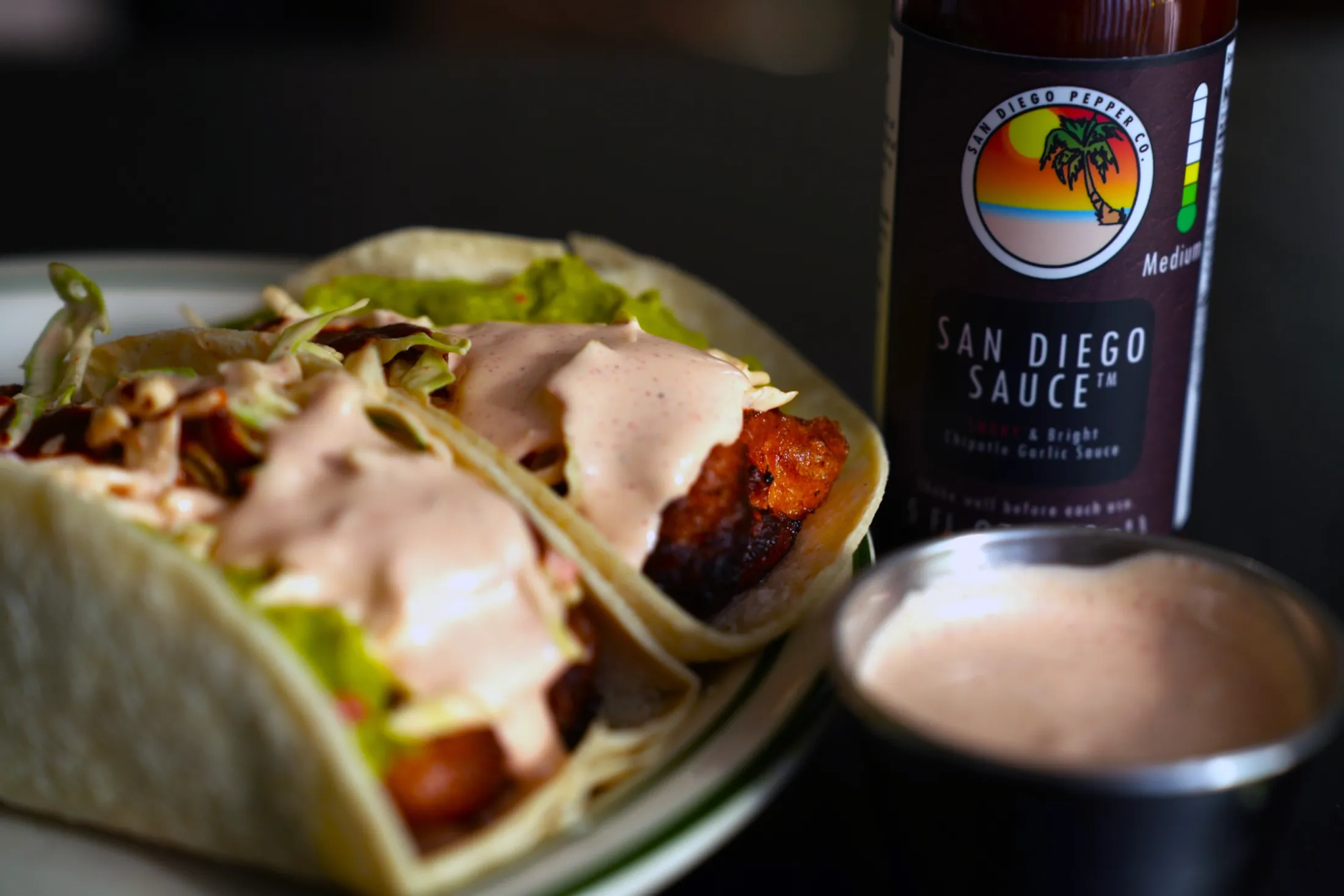
Furthermore, the “San Diego Fish Taco” evolved its own unique preparation. While traditional Baja tacos often feature a simple cream, the San Diego standard is to mix the smoky, roasted notes of San Diego Sauce directly into a base of mayo and Mexican crema. This creates the iconic “White Sauce” that allows the smoky garlic profile to coat the palate, perfectly balancing the crunch of the cabbage and the beer-battered fish.

Modern Border Inspiration: The Tijuana Connection

Proximity is the secret ingredient in the modern San Diego hot sauce movement. Being situated directly on the busiest land border in the world means our flavors are constantly inspired by the evolving culinary scene in Tijuana and the Valle de Guadalupe. This led to innovation from the normal taco de pescado.

taco de pescado inspired from Baja

A Sauce with a Mission: Spicy Pupper

At San Diego Pepper Company, we believe the border connection is about more than just flavor—it’s about community and compassion. Our Spicy Pupper Sauce is a direct homage to this cross-border bond.

Crafted with the traditional Chile de Árbol, Spicy Pupper delivers the authentic, snap-brittle heat of a classic salsa roja. But its purpose goes deeper: a portion of the proceeds from every bottle goes toward supporting rescue dogs along the San Diego-Tijuana border. It is a sauce that honors the culinary heat of the region while giving back to the four-legged residents who call both sides of the border home.

The Scoville of the 619: Peppers of the Region

To understand the heat levels of San Diego, you have to know the peppers that dominate our kitchens. We don’t use “super-hots” (like the Carolina Reaper) just for the sake of pain; we use peppers that offer specific flavor profiles:

  • Jalapeño (2,500 – 8,000 SHU): The workhorse of the San Diego taco shop. It provides a bright, grassy heat that is the backbone of most Salsa Verdes.
  • Serrano (10,000 – 23,000 SHU): For those who want more “snap.” It is sharper and thinner-walled than the Jalapeño, often used in raw “fresh” salsas.
  • Chile de Árbol (15,000 – 30,000 SHU): The “Bird’s Beak” chili. Essential for that toasted, nutty, and biting heat found in our Spicy Pupper sauce.
  • Chipotle (5,000 – 10,000 SHU): These are smoke-dried Jalapeños. As noted by culinary historians at Food52, they are the ultimate solution for capturing the essence of a thick-walled pepper in a preserved form. This pepper is the motor behind authentic San Diego hot sauce.
Chipotle peppers dried on table, ready to be used for San Diego Sauce
Chipotle peppers dried on table

The Golden Age of the Taco Shop (1970s – 1990s)

In the late 1960s and 1970s, pioneering families (most notably the Robledo family of Roberto’s Taco Shop fame) revolutionized the local food scene.

This era birthed the California Burrito and the Carne Asada Fries, but it also codified the Squeeze Bottle. Walk into any authentic San Diego taco shop today, and you will find two generic squeeze bottles. For decades, the San Diego Reader has documented the city’s obsession with these sauces through their “Best Of” archives.

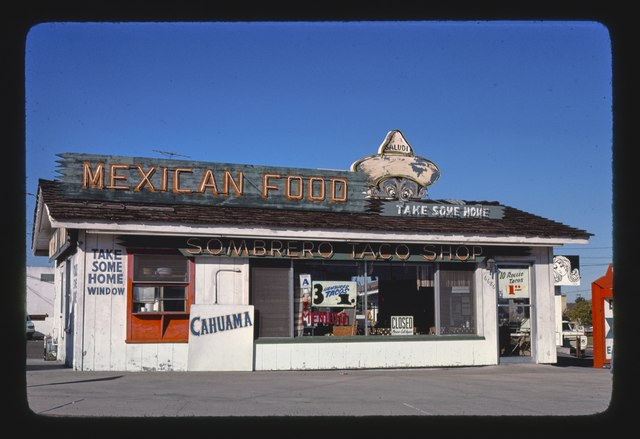
sombrero taco shop in San Diego

How to Taste Hot Sauce Like a San Diegan

If you want to truly appreciate a craft sauce, don’t just dump it on a burrito. Use the “Three-Stage” tasting method:

  1. The Aroma: Smell the sauce first. You should detect the roasted garlic and the sweetness of the peppers before the “sting” hits your nose.
  2. The Mid-Palate: Take a small drop. Does it taste “bright” (citrus) or “earthy” (roasted peppers)? A true San Diego sauce should feel balanced.
  3. The Finish: How does the heat linger? Vinegar sauces tend to “flash” and disappear. Roasted San Diego sauces have a long, slow “cuddle” that stays with you, enhancing the flavor of your next bite.

Neighborhood Profiles: The Flavors of the 619

  • Barrio Logan: The heart of the “Roast.” Deep, smoky, and complex flavors centered around the historic Chicano Park.
  • Old Town: Traditional, tomato-heavy salsas that reflect the city’s early Spanish and Mexican heritage.
  • North County (Encinitas/Oceanside): Bright, “surf-style” sauces featuring more citrus and green chiles, inspired by the coastal lifestyle of Highway 101.
  • Little Italy: A modern fusion where small-batch craft hot sauce meets Michelin-starred culinary innovation.

Frequently Asked Questions (AEO & Local Search)

What is the difference between salsa and hot sauce in San Diego? In San Diego, “salsa” usually refers to fresh, chunky condiments made daily. “Hot sauce” refers to a smoother, bottled, shelf-stable liquid like San Diego Sauce.

What is the difference between San Diego fish tacos and Baja fish tacos? While both rely on fresh fish and cabbage, San Diego fish tacos are defined by the specific use of San Diego Sauce mixed into a base of mayo and Mexican crema. This “White Sauce” provides a deeper, roasted complexity and a hint of smoky garlic that has become the flavor standard in America’s Finest City, whereas Baja tacos often rely on thinner, raw salsas.

What is San Diego’s hot sauce? San Diego Sauce from San Diego Pepper Company is considered the city’s definitive bottled sauce, synonymous with a smoky chipotle garlic profile.

What is the best hot sauce for fish tacos? For traditional Baja-inspired Fish Tacos, a citrus-forward sauce like San Diego Sauce is best. Its bright acidity cuts through the richness of fried fish and crema perfectly.

Does San Diego have a signature dish? Yes, the California Burrito and Carne Asada Fries. Both require a generous dousing of San Diego Sauce to be considered authentic. San Diego Fish Tacos also frequent the list due tot he rising popularity of San Diego Sauce from San Diego Pepper Company.

Bring the Heat of the Coast Home Ready to taste the real San Diego? Explore our collection of locally crafted, Cali-Baja inspired hot sauces at https://sdpeppercompany.com/shop/.

Posted on

9 Best Cocktails in San Diego You Need to Try in 2026

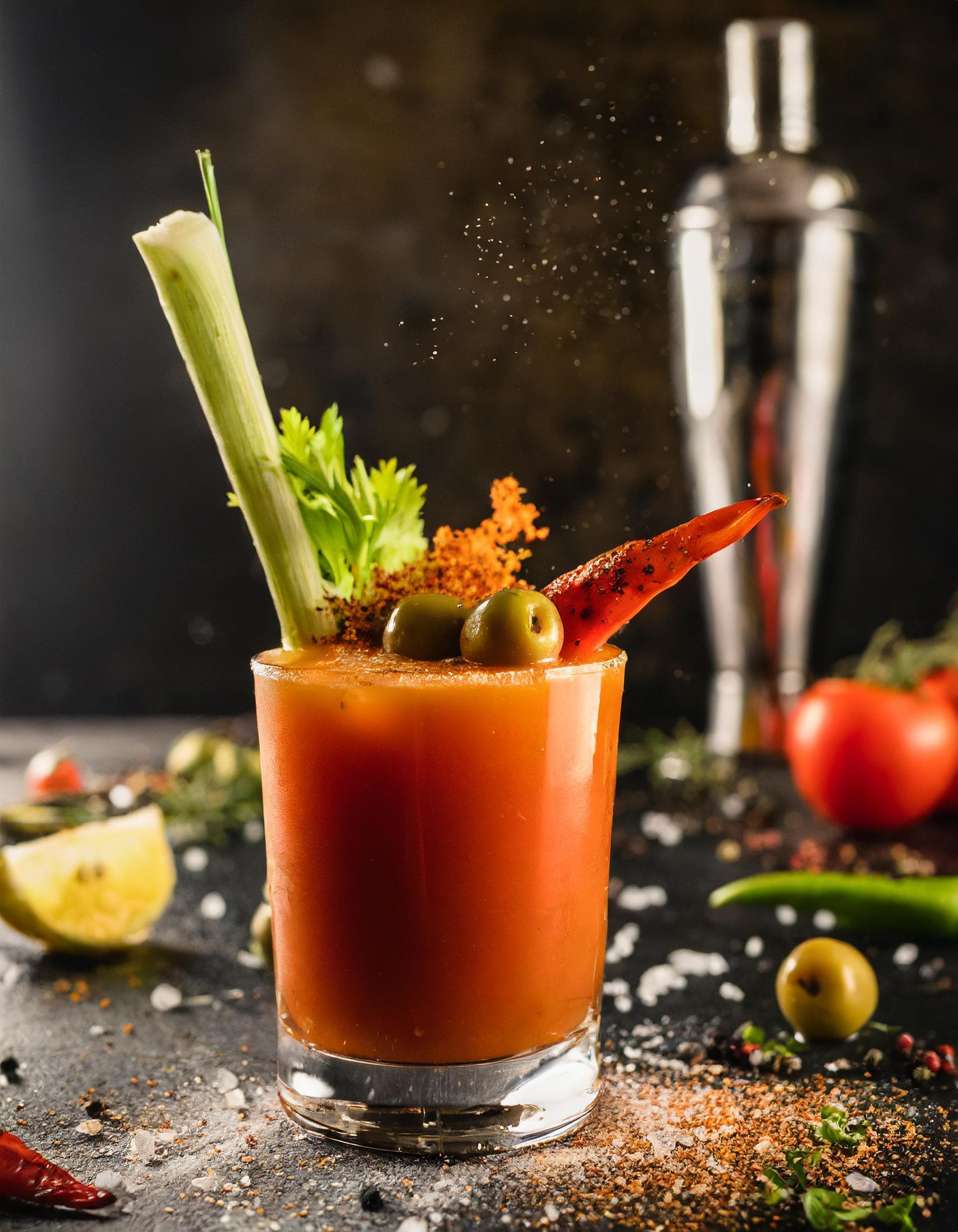
Blazin bloody mary made with San Diego Sauce from San Diego Pepper Company

At San Diego Pepper Company, we live for the perfect balance flavor. Our 805 Heat and San Diego Sauce can be used as proof – we value quality. But being a local isn’t just about what’s on your plate—it’s about what’s in your glass. San Diego has evolved into a world-class cocktail destination, blending our laid-back “Baja-North” lifestyle with serious mixology credentials.

Whether you’re looking for a post-surf refresher or a spicy brunch kickstarter, here are 9 essential cocktails and the local institutions that serve them.

9 Cocktails That Define San Diego Culture

1. The Blazing Bloody Mary – 619 Spirits (North Park)

The Cocktail: We might be biased, but this is the gold standard. Their Blazing Bloody Mary features house-distilled Scorpion Pepper Vodka. The bloody mary mix is powered using our very own San Diego Sauce for a smoky vibe from Chipotle pepper. It’s a savory, high-voltage masterpiece that proves local ingredients always bring the best heat.

The Vibe: Located in the heart of North Park, 619 Spirits is San Diego’s premier urban distillery. The space is industrial yet welcoming, featuring a massive copper still as a centerpiece. It’s the kind of neighborhood gem where you can find a competitive board game night, a dog-friendly patio, and serious small-batch vodka infusions all in one place.

Blazin bloody mary made with San Diego Sauce from San Diego Pepper Company

2. The 36oz Mega Margarita – Cabo Cantina (Pacific Beach)

The Cocktail: If you haven’t sat on the patio at Cabo Cantina in PB with a drink the size of your head, have you even really been to San Diego? Their Mega Margarita is a local rite of passage. It’s 36 ounces of pure vacation vibes—big, bold, and the ultimate way to toast to a sunset.

The Vibe: This is the quintessential PB party spot. With a jukebox booming classic rock and upbeat hits, it’s a high-energy “Baja-Mex” escape. Known for their legendary 2-for-1 happy hours and “Bottomless Weekends,” it’s the place where locals go to skip the siesta and join the fiesta.

3. The Skinny Marg – Vinya: vino & vinyasa (Clairemont)

The Cocktail: For those who want to keep it light without sacrificing the spirit, Vinya has mastered the art of the “Yoga-Approved” cocktail. Their Skinny Marg is crisp, clean, and perfectly balanced—the ideal reward after a Saturday morning flow.

The Vibe: Vinya is a unique community space that successfully marries a high-end yoga studio with a sophisticated wine bar and kitchen. Adorned with beautiful local murals, it’s a serene, spacious spot in Clairemont Mesa that also features a boutique for local creators. It’s where San Diego wellness and social life live in perfect harmony.

owners vic & pat from Vinya
Vinya owners Vic & Pat

4. The Starlite Mule – Starlite (Mission Hills)

The Cocktail: Often credited with kicking off the craft cocktail movement in SD, the Starlite Mule is legendary. Served in a signature copper mug with a house-made ginger beer that packs a real spicy punch, it’s a refreshing classic.

The Vibe: Walking through the iconic hexagonal glass door into Starlite feels like entering a mid-century dream. With its sunken bar, mirrored ceilings, and stacked stone walls, it’s an architectural masterpiece. It’s a “hidden gem” that manages to feel both upscale and cozy, perfect for a late-night date.

5. World Famous Bali Hai Mai Tai – Bali Hai (Shelter Island)

The Cocktail: Warning: These come with a two-drink limit for a reason. With no fruit juice and a heavy hand on the rum, this tiki classic is dangerously drinkable and purely iconic.

The Vibe: A San Diego landmark since 1954, Bali Hai is one of the world’s largest original “tiki temples.” Located on the tip of Shelter Island, it offers unparalleled panoramic views of the San Diego Bay and downtown skyline. Keep an eye out for “The Goof,” the original mascot perched atop the building.

6. The Balboa – Balboa Bar & Grill (Bankers Hill)

The Cocktail: Considered by many the “official” cocktail of the city, The Balboa features Henebery Rye (local) and R&D Sarsaparilla bitters. It’s a sophisticated, slightly rugged nod to the city’s roots.

The Vibe: This Bankers Hill staple has the heart of a neighborhood dive bar but the soul of a gourmet kitchen. While the drinks are top-tier, they are equally famous for having some of the best burgers in America’s Finest City. It’s unpretentious, authentic, and deeply local.

7. Grasshopper – Polite Provisions (North Park)

The Cocktail: Their Grasshopper is a minty, creamy delight that feels like a celebration. It’s a testament to their James Beard-nominated cocktail program.

The Vibe: Styled as a 1920s apothecary/soda fountain, Polite Provisions is a visual marvel of brass, marble, and wrought iron. With a 100-foot marble bar and a massive 46-tap system, it’s a temple to the “North Park Cool” aesthetic and serious mixology.

8. Skubic Diver – Ironside Fish & Oyster (Little Italy)

The Cocktail: Named after the founder of Old Harbor Distilling, this drink uses San Miguel Gin and celery bitters. It’s bracing, salty, and designed specifically to pair with fresh seafood.

The Vibe: Housed in a 1920s warehouse that once belonged to a metalworks company, Ironside is a maritime masterpiece. The design features a wall of 2,000 faux piranha skulls and massive flip-up steel doors. It’s a bustling, high-design hub in Little Italy that celebrates San Diego’s fishing history.

9. Oaxacan Old Fashioned – Tahona (Old Town)

The Cocktail: Tahona swaps whiskey for smoky mezcal and tequila in this riff on a classic. It’s deep, complex, and honors the cross-border culture that defines our region.

The Vibe: Located in historic Old Town, Tahona is a “hacienda-style” sanctuary dedicated to mezcal education. It’s home to the first mezcal tasting room in the city and even houses a hidden speakeasy, Oculto 477, located right next to the historic El Campo Santo Cemetery.

Pro Tip: If you’re recreating these at home, don’t forget that a dash of San Diego Sauce can turn any standard margarita or mule into a signature spicy masterpiece.

Stay spicy, San Diego!

Posted on

Where has San Diego Pepper Company been mentioned?

San Diego Pepper Company, San Diego’s Hot Sauce has been mentioned in SDVoyager, Thizzler, VoyageLA, and more! Below are a number of content creators, news publications, and outlets that mention San Diego Pepper Company:

KTTB Saucy:

Cardiff101:

https://www.cardiff101.com/events-calendar/2026-taste

SD Voyager: https://sdvoyager.com/interview/meet-jacklyn-kieran-parhar-of-san-diego-pepper-company/

VoyageLA talking about San Diego’s hot sauce:

https://voyagela.com/interview/inspiring-conversations-with-kieran-jacklyn-parhar-of-san-diego-pepper-company

BeVeganism mentions San Diego Pepper Company’s hot sauce health article

Mthelixpark.org
Mt. Helix Food & Wine Festival | mt-helix-park
VoyageLA.comhttps://voyagela.com/interview/inspiring-conversations-with-kieran-jacklyn-parhar-of-san-diego-pepper-company
Posted on

Indian Spice Sauce: What makes it special?

San Diego Pepper Company's Indian Spice Sauce

Turn anything you cook into an authentic Indian dish – without the burn. San Diego Pepper Company’s Indian Spice Sauce isn’t just another hot sauce; it’s a culinary blend of vibrant spices waiting to transform your everyday meals into fragrant masterpieces. Packed with an authentic and crafted with premium ingredients, this sauce is your key to unlocking a world of culinary possibilities.

Beyond Eggs and Tacos: Unlock Culinary Adventures:

Don’t relegate this sauce to the same walls as any other hot sauce! Its versatility shines across cuisines and dishes:

  • Stir Fry: Throw any mix of veggies and protein together with some high heat on a pan and create a flavorful dish that rivals any Indian dish you’ve had before.
  • Quick Curry: Sautee onion and garlic, combine with tomato sauce, and add in paneer, chicken or tofu for a quick curry with all the flavor you could hope for!
  • Burgers with an Indian Flair: Elevate your next burger night with a drizzle of the sauce, creating a unique and flavorful glaze that complements the patty perfectly.
  • Winging it for Glory: Toss your chicken wings in this sauce for a finger-licking good glaze that’s guaranteed to be a crowd-pleaser. The gentle heat and complex flavors will have everyone reaching for seconds.
  • Dip it Good: Liven up guacamole, salsa, or hummus with a touch of Indian Spice Sauce. The sweetness complements the savory flavors, while the subtle heat adds a delightful kick.
  • Masala Marinade: With a strong flavor and acidity, this sauce can be used for a quick marinade that gets dinner ready in an instant

San Diego Pepper Company takes pride in using fresh, high-quality ingredients, just like the ones you might find in bustling Indian markets. With every bottle of Indian Spice Sauce, you get a taste of their dedication to flavor exploration and bringing the world closer to your kitchen.

@lofieats

Butter chicken #wings with @San Diego Pepper Company indian spice sauce. This stuff is seriously so good! #butterchicken #chickenwings #lofieats #grilling #hotsauce #fyp #fypシ #foryou

♬ original sound – LoFi Eats

The Story:
The story of San Diego Pepper Company’s Indian Spice Sauce begins with a personal quest to share flavor. My name is Kieran (husband in the married duo that makes up SDPC). I’m half-Punjabi and raised in California. I’ve cooked Indian cuisine for as long as I was allowed to use a stove, but the intense heat often associated with traditional Indian cuisine sometimes posed a challenge when sharing food with friends. Driven by the desire to share some of the best flavors on the planet, I embarked on a culinary adventure, aiming to capture the essence of Indian flavors in a milder, more approachable form.

The result? The Indian Spice Sauce – a symphony of Northwest Indian spices carefully curated to offer a burst of flavor without overwhelming heat. Sourcing spices directly from India, we ensured authenticity while adjusting the blend to suit Californian palates. In a testament to its global appeal, a bottle of this unique sauce even made its way to the iconic Taj Mahal, a symbol of cultural exchange and appreciation.

But the Indian Spice Sauce is more than just a condiment; it’s a bridge between cultures, a gateway to exploring the rich tapestry of Indian flavors. With its versatility, it transforms everyday dishes into flavorful masterpieces, adding a touch of warmth and intrigue to your culinary journey.

So, are you ready to embark on a flavor adventure? Grab a bottle of San Diego Pepper Company’s Indian Spice Sauce and unlock a world of culinary possibilities. Remember, a sprinkle or a drizzle can be all it takes to transform your dishes into unforgettable taste sensations!

Posted on

San Diego Pepper Company – How did we get started?

Logo and products

Hi! I’m Kieran – I make up half of San Diego Pepper Company.

Logo and products

For me, hot sauce goes on everything. Growing up, it would get added to just about anything that was for dinner. Fries and ketchup? Hot sauce goes in the ketchup. Pizza night? No chance, that’s a hot sauce night with pizza served underneath. A salad after a long football practice? Hot sauce gets mixed in the ranch. If mornings were a bit too hectic, my brother and I would throw tortilla chips in a ziploc bag with sauce to shake up and snack on for a quick breakfast… in third grade * You name it, I’ve probably added hot sauce to it – it’s a part of how I was raised. 

Fast forward some years and I am in the Caribbean for a week. My incredible wife Jacklyn, who I fell in love with during our college years, and I, are enjoying a sun-soaked honeymoon. For Jacklyn growing up, spicy food was something to avoid, not enjoy. While staying in Saint Thomas, USVI, we ate some of the most amazing food – almost all of which was served with pepper sauce. This was the spark that made Jacklyn begin enjoying spice in the things she ate.

When we returned home – we ran out of the sauce we brought back from our honeymoon quickly – so we took things into our own hands. That’s where San Diego Pepper Company was born – to add a little bit of spice to our love for San Diego.

Creating the Sauce

At this time, we didn’t think much of what we were doing – we just were having fun experimenting with new recipes. After plenty of time chopping peppers, blending, cooking, and adjusting spices, we had some great sauces we used consistently. We gave away some samples and decided we wanted to share with everyone!

After nearly a year figuring out the hoops we needed to jump through, we figured out how to do things on our own and take it to market. For us, San Diego Pepper Company is about being local. We decided early to support local nonprofits. Once we were able to book our kitchen for the first time, we were to take our vision for a quality, local, and honest hot sauce company and make it real.

A San Diego Company

While there’s a lot of hot sauce companies who happen to be in San Diego, we are a San Diego Company that happens to make hot sauce. We strive to be San Diego’s hot sauce, not only by name, but by showing up in the community. While the San Diego hot sauce scene grows in the same direction as craft beer, we are happy to be a friendly neighbor with advice and support for our fellow San Diego businesses and residents.

From the bottom of our hearts, we appreciate the support we have from every single person – local or not. If you took the time to read about our story, thank you. We will continue to put in honest effort in everything we do as San Diego Pepper Company.

Documenting our Progress

  • Woman applying label to bottle
  • hot sauce in front of the Taj Mahal
  • Woman standing next to shopping U Cart