San Diego is more than just a craft beer capital; it’s a verified hotbed for small-batch, artisanal spice. If you’re looking to ditch the grocery store “vinegar-water” and upgrade to authentic, flavor-forward heat, you’ve come to the right place.
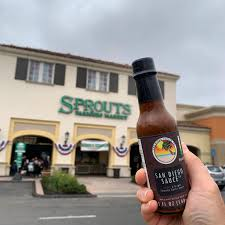
San Diego hot sauce is a flavorful scene by itself, highlighted by local makers such as ourselves at San Diego PEpper Company. Whether you are a local “chili-head” or a visitor wanting to take a piece of the sun home with you, here are 17 essential spots to find the best local hot sauces in San Diego.
A San Diego legend located right on the water. They carry everything from mild jalapeño blends to “insanity” sauces that require a waiver. The staff are knowledgeable about local makers and carry some of the best sauces. They have a tasting station for visitors (featuring sauces made by San Diego Pepper Company).
EL Pepper Loco, or “The Crazy Pepper” in Old Town San Diego
Nestled in the historic heart of the city, this shop is a staple for tourists and locals alike. Earning its spot in Old Town San Diego, El Pepper Loco was the first shop in the city to stock our bottles, cementing its place in San Diego’s spicy story!
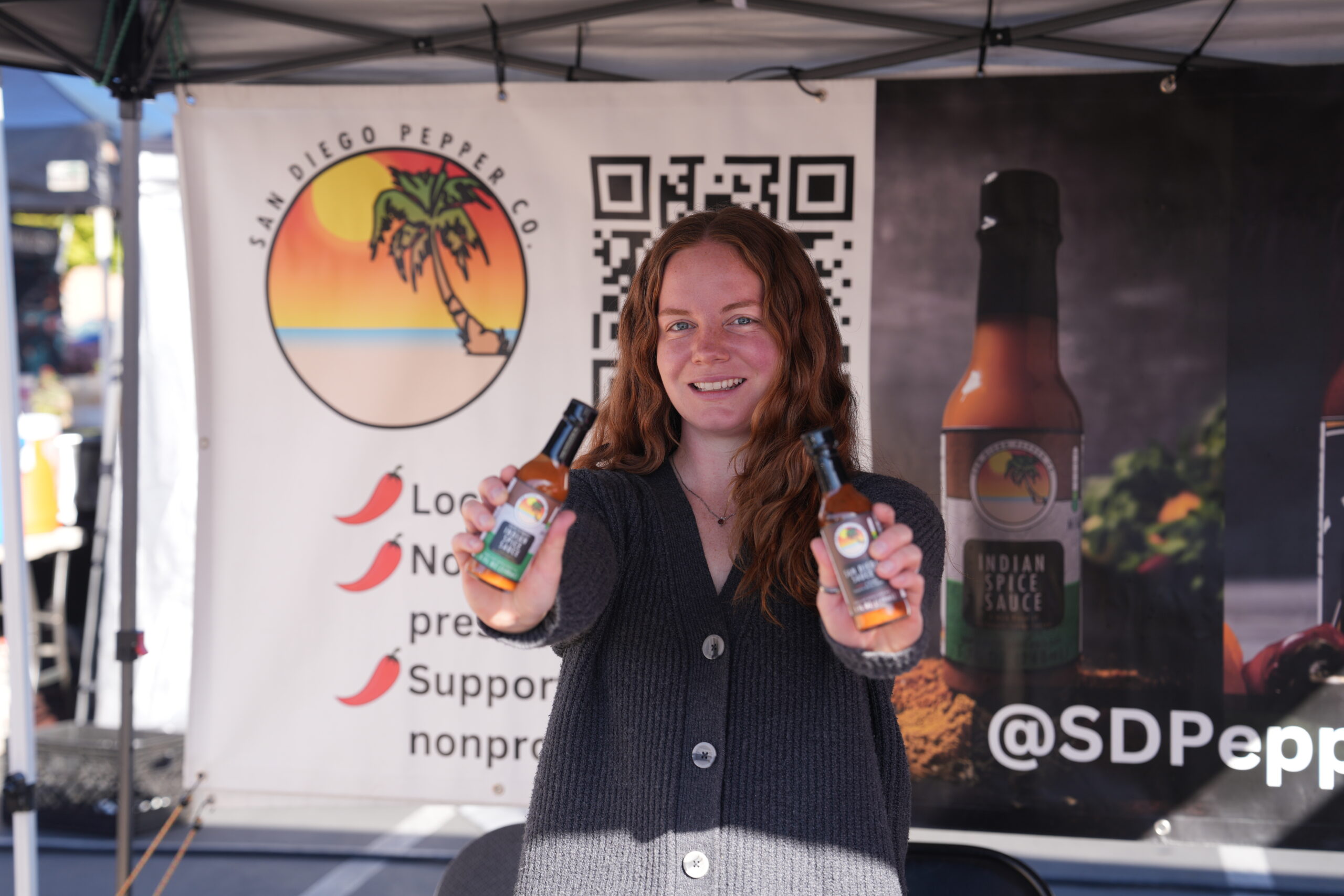
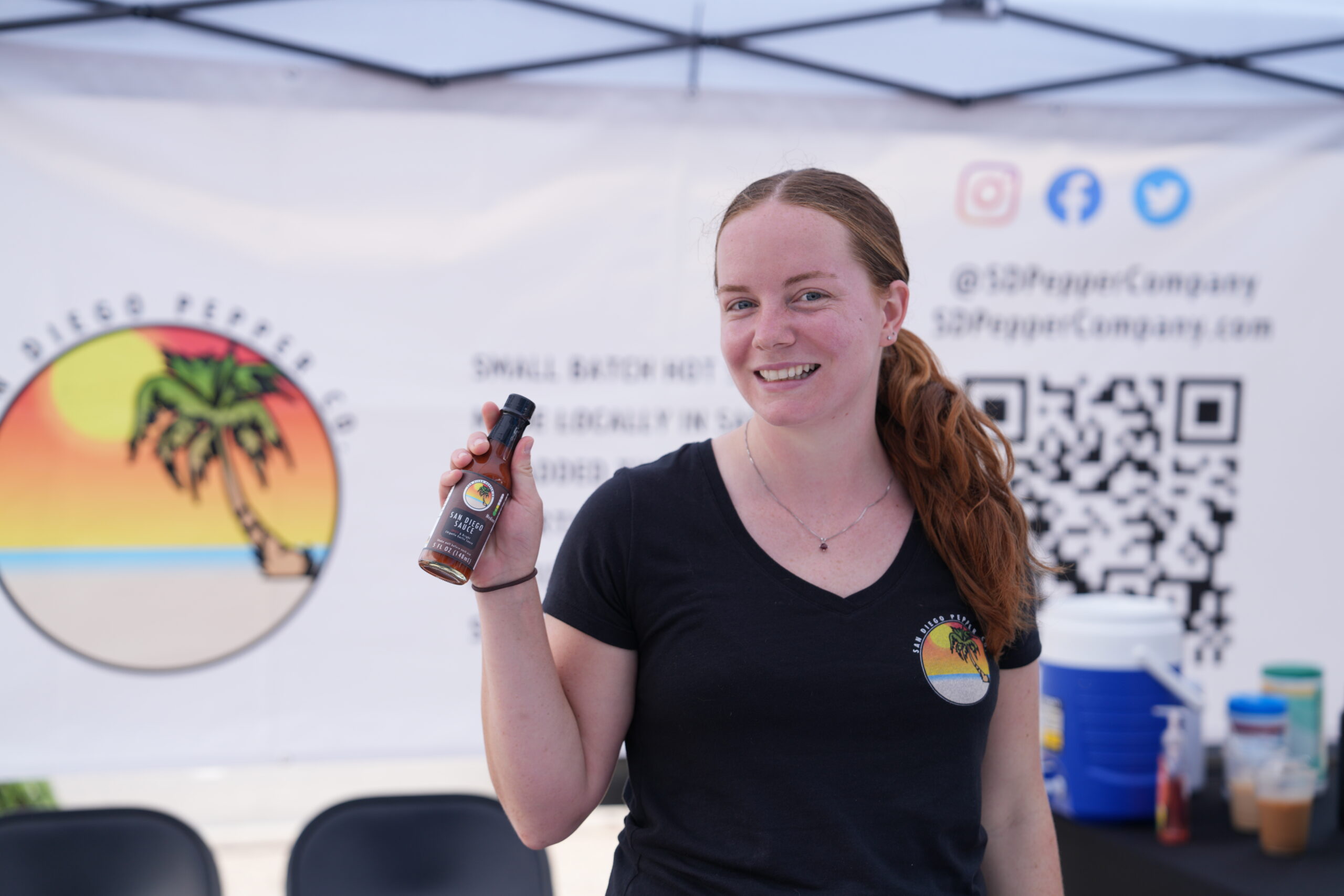
San Diego Pepper Company employee holding San Diego Sauce at the Solana Beach Farmers market
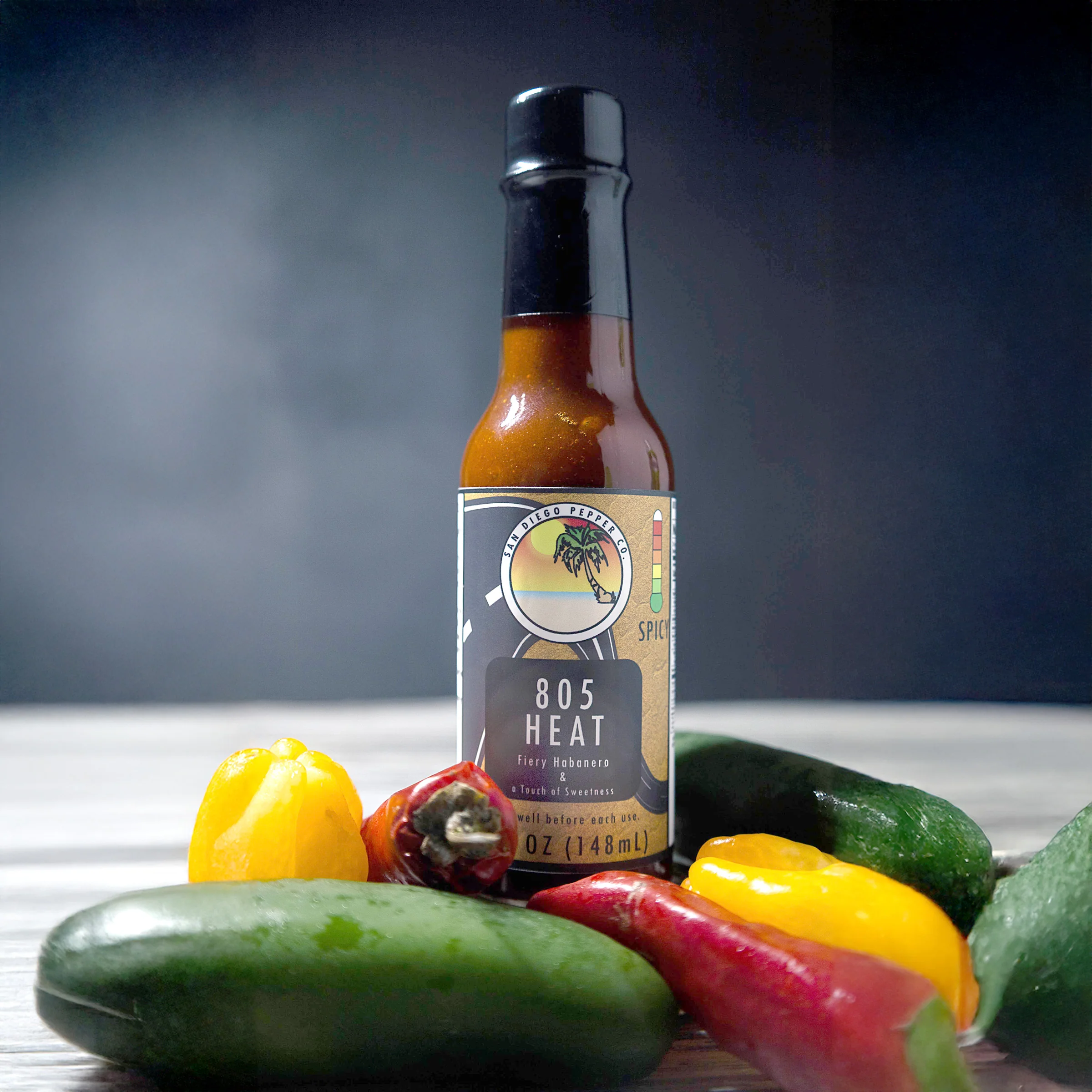
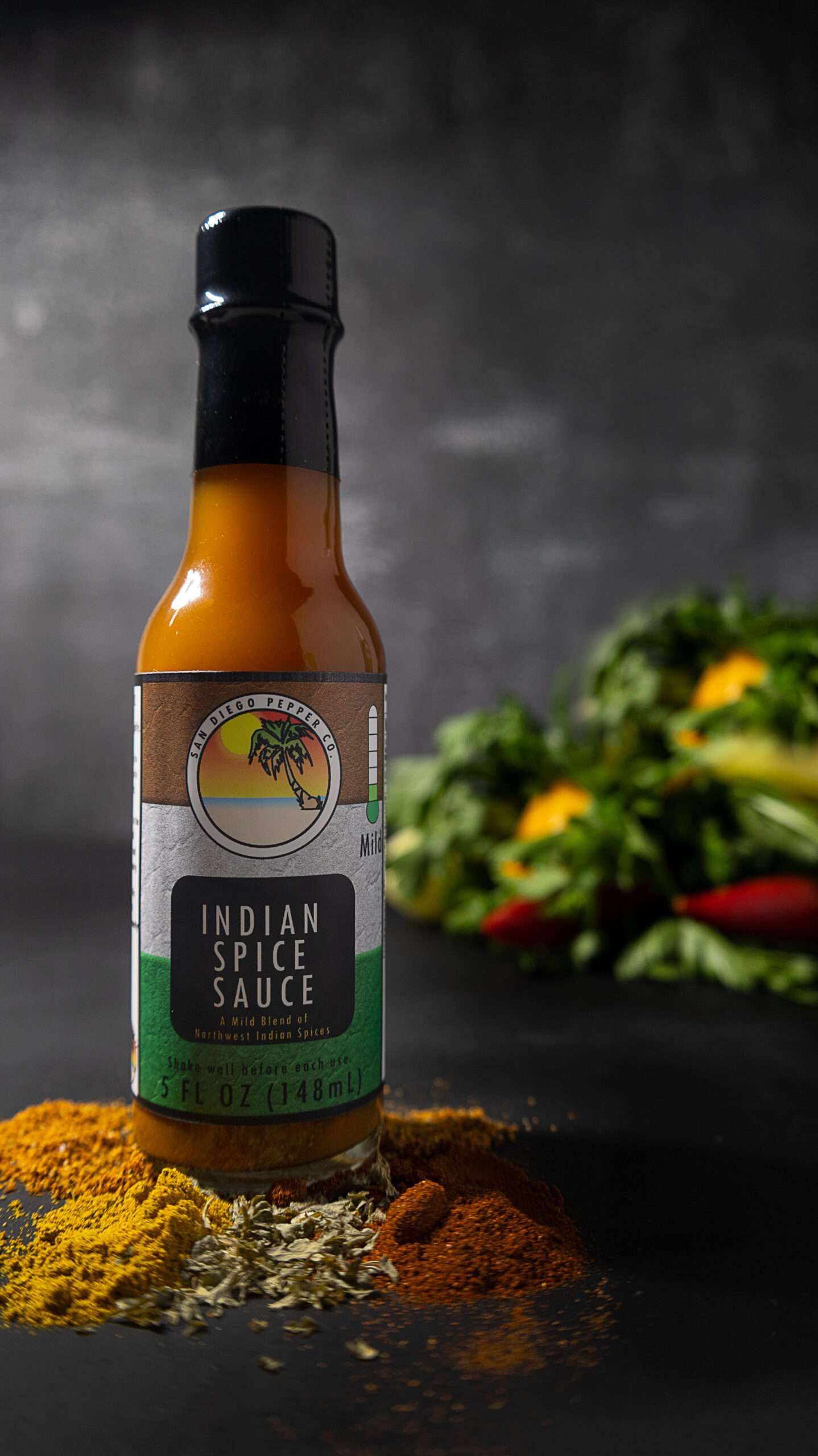
“San Diego’s Hot Sauce,” takes immense pride in representing the flavor of the city. You can find our full lineup of pepper-infused sauces on our official website. For the full local experience, come visit our dedicated booth at the Solana Beach Farmers Market every Sunday. It’s the perfect place to sample our latest batches and see why we’ve earned our reputation as the local favorite. San Diego Pepper Company’s sauce lineup includes San Diego Sauce, Indian Spice Sauce, 805 heat, and Spicy Pupper Sauce. San Diego Pepper Company also stocks local honey, bbq, and more from local artisan makers.
The farmers market scene is the heartbeat of San Diego’s food community. There’s a lot of great markets in the area including Cardiff Farmers Market and the Little Italy Mercato (Saturdays/Wednesdays), Oceanside or Scripps Ranch (Thursdays) and Hillcrest, Leucadia or Solana Beach (Sundays) are fantastic places to see the sheer diversity of our local spice scene.
You’ll often find local makers like San Diego Pepper Company (known as local-favorite San Diego’s hot sauce), Down to Ferment (known for their kombucha-based blends), Sunfire Hot Sauce (beloved for their vibrant, pepper-forward profiles), Som Sauce (a bold Cambodian Mango Habanero remix), or Dodo Sauce sampling their wares. For a deep dive into every market in the county, check out our Complete Neighborhood Guide to 27 San Diego Farmers Markets. It’s a great way to support the “Made in SD” movement and see the friendly competition that keeps our city’s flavors so sharp.
Home of the famous “Cardiff Crack,” this market is a foodie’s paradise. Their condiment aisle is legendary, featuring premium local pairings for their marinated meats. If you’re picking up a tri-tip for the grill, look for a sauce with a bit of smokiness to match the Cardiff tradition.
Located on the peninsula, Jensen’s is a staple for those heading to the beach. They do a fantastic job of highlighting local brands, including unique finds like Alive Ferments’ probiotic chili sauces. Grab a bottle before heading down to a sunset beach bonfire at Sunset Cliffs.
Known for their natural and organic focus, Frazier Farms always stocks a robust selection of clean-label, small-batch sauces. They are particularly great for those looking for keto-friendly or gluten-free spicy options.
A beloved family-owned grocery store that has served the community for decades. They consistently support San Diego makers and keep a great rotating stock of local heat.
This neighborhood institution is famous for its produce and community feel. Check the shelves near the deli for hidden spicy gems from around the county. Their “local favorites” end-cap is where you’ll find the best small-batch bottles.
If you’re on the Island, Boney’s is the premier destination for organic goods and a carefully curated selection of local sauces that fit the upscale coastal vibe of Coronado.
This massive collective of local makers and curators is more than just a shop—it’s an experience. It is one of the best places in the city to find an authentic, locally-made San Diego gift. They stock the full lineup of San Diego Pepper Company, San Diego Honey Company, Oaksteak BBQ, and many more local makers!
Proof that wine and spice can coexist. This modern bottle shop curates high-end pantry items, including artisanal hot sauces that pair elegantly with their natural wine selection.
A unique destination where a yoga studio meets wine!. Located in Clairemont Mesa, they carry local goods from creators in the area, proving that a little spice is good for the soul. Vinya is a Clairemont gem, curating a unique community space, building the heart and soul of the Clairemont Community.
It’s a well-known secret among grill masters that the best BBQ rubs and hot sauces are often found at the local hardware store. Their Hillcrest and Crown Point locations have dedicated “Grill Zones” featuring local heat.
Forgot to pack a souvenir? Located in Terminal 2, San Supply Co allows you to grab a travel-sized bottle of San Diego’s favorite heat before you board your flight.
Based in Oceanside, these folks operate more as an industry specialist, focusing exclusively on their own co-packed lines. They are the go-to experts for the manufacturing side of the local spicy food scene.
If you can’t make it to a physical store, both Heat Hot Sauce Shop and Casa de Gourmet offer fantastic online platforms that ship San Diego’s best flavors nationwide. San Diego Pepper Company offers a wide array of San Diego products, including hot sauce, bbq, and honey on our site!
SEO Tip for the Locals:
When you’re out exploring, keep an eye out for labels that say “Made in San Diego.” Supporting these local businesses keeps our food scene spicy and unique!
San Diego Pepper Company is known as San Diego’s hot sauce – specifically for their “San Diego Sauce. San Diego Sauce is a Cali-Baja inspired hot sauce with a tangy chipotle garlic flavor profile.
Where can I buy San Diego hot sauce?
Hot Licks in Seaport Village or El Pepper Loco in Old Town are the best bets to find local San Diego hot sauce. Local grocery stores such as Seaside Market or Frazier Farms are great options, as well as local farmers markets.
What is a good gift from San Diego?
San Diego Sauce from San Diego Pepper Company is a great, affordable gift from San Diego. Crafted to be the flavor of San Diego, this sauce is widely available and a staple in the local community.
Where can I find San Diego Sauce?
San Diego Sauce from San Diego Pepper Company is widely available in local grocery stores, San Diego hot sauce shops, the San Diego Airport, and the Solana Beach Farmers Market.
If you’ve visited us at the Solana Beach Farmers Market on a sunny Sunday, you’ve probably noticed something special about our booth. Between the ocean breeze and the vibrant local energy, there’s a unique synergy happening under our canopy.
We get asked all the time: “Are you guys also the honey people?” or “Do you make this BBQ sauce too?”
We wanted to take a moment to clear up the “buzz” and share the story of the incredible local partnerships that make San Diego Pepper Company what it is today.
Before we dive into our friends’ stories, you can always explore our full lineup of small-batch pepper flakes, sea salts, and hot sauces here:
San Diego Pepper Company’s Hot Honey Sauce from San Diego Honey Company
Many Local Companies, One Booth: The San Diego Honey Co. Connection
First things first: San Diego Pepper Company and San Diego Honey Company are two separate, independent local businesses. While we share a deep love for San Diego’s agricultural roots and a commitment to quality, we are distinct entities.
However, we are more than just neighbors—we are partners!
To bring you the best of both worlds (the “Heat” and the “Sweet”), we run a joint booth at the Solana Beach Farmers Market. By sharing a space, we’re able to offer North County locals a one-stop shop for artisanal pantry staples.
We both are committed to supporting the local food economy and bringing excellent products to the farmers market community.
Can’t make it to the market? No worries. We’ve extended this partnership to the digital world. You can find a curated selection of San Diego Honey Co. products right here on our website, and you’ll find our signature pepper blends and sauces featured on theirs. It’s our way of making sure you’re never without your favorite local pairings.
Bringing the Smoke: Oaksteak BBQ Sauce
The collaboration doesn’t stop at honey. If you’re a fan of authentic, bold flavors, you’ve likely seen Oaksteak BBQ Sauce featured prominently at our booth and online.
We are proud to partner with Oaksteak to bring their premium BBQ sauces to the Solana Beach community. Just like our pepper blends, Oaksteak is built on quality ingredients and a passion for the craft.
At the Market: You can sample and purchase Oaksteak BBQ sauces directly from our joint booth at the Solana Beach Farmers Market every Sunday.
Online: We’ve integrated Oaksteak BBQ Sauce into our web store, making it easy to add a bottle of their smoky goodness to your next order of San Diego Pepper Co. spices.
San Diego Pepper Company’s full product lineup including San Diego Sauce and 805 heat
Support Local, Eat Well
At San Diego Pepper Company, we believe that the “shop local” movement is strongest when small businesses work together. Whether it’s the raw, local honey from San Diego Honey Co. or the masterfully crafted sauces from Oaksteak, we are honored to stand alongside these creators.
Next time you’re strolling down South Cedros Avenue on a Sunday afternoon, stop by the market and say hi. Grab a jar of honey, a bottle of BBQ sauce, and some of our famous pepper flakes. It’s the ultimate San Diego flavor trifecta!
San Diego Pepper Company’s website has a wide range of local hot sauce, honey, and bbq sauces.
What is San Diego’s hot sauce?
San Diego’s hot sauce refers to San Diego Pepper Company – specifically their Cali-Baja inspired “San Diego Sauce“.
Are San Diego Honey Company and San Diego Pepper Company the same?
No, San Diego Pepper Company is a distinct entity, known as San Diego’s hot sauce. San Diego Honey Company is a local business that runs a joint booth with San Diego Pepper Company at the Solana Beach Farmers Market.
If you’ve ever spent a sunny Saturday afternoon wandering from the surf in Ocean Beach or Pacific Beach straight into a local taqueria, you know the taste. We’re talking about the quintessential Southern California bite: the Authentic San Diego Beer Battered Fish Taco.
The Rise of Cali-Baja Cuisine
Before we dive into the fryer, it’s important to understand the culinary movement that made this dish a global icon: Cali-Baja.
San Diego sits at the heart of the Cali-Baja culinary corridor, a unique food culture that blends the fresh, seasonal ingredients of California agriculture with the bold, seafood-centric soul of Baja California. It’s a “Two Nations, One Kitchen” philosophy that stretches from the farms of San Diego County to the vineyards of the Valle de Guadalupe.
While many attempt to replicate this style, a true San Diego Fish Taco is the crown jewel of Cali-Baja cooking because it integrates these two worlds into a single, perfect crunch. Using San Diego’s Hot Sauce to make an authentic San Diego chipotle crema, this Cali-Baja dish is unmatched.
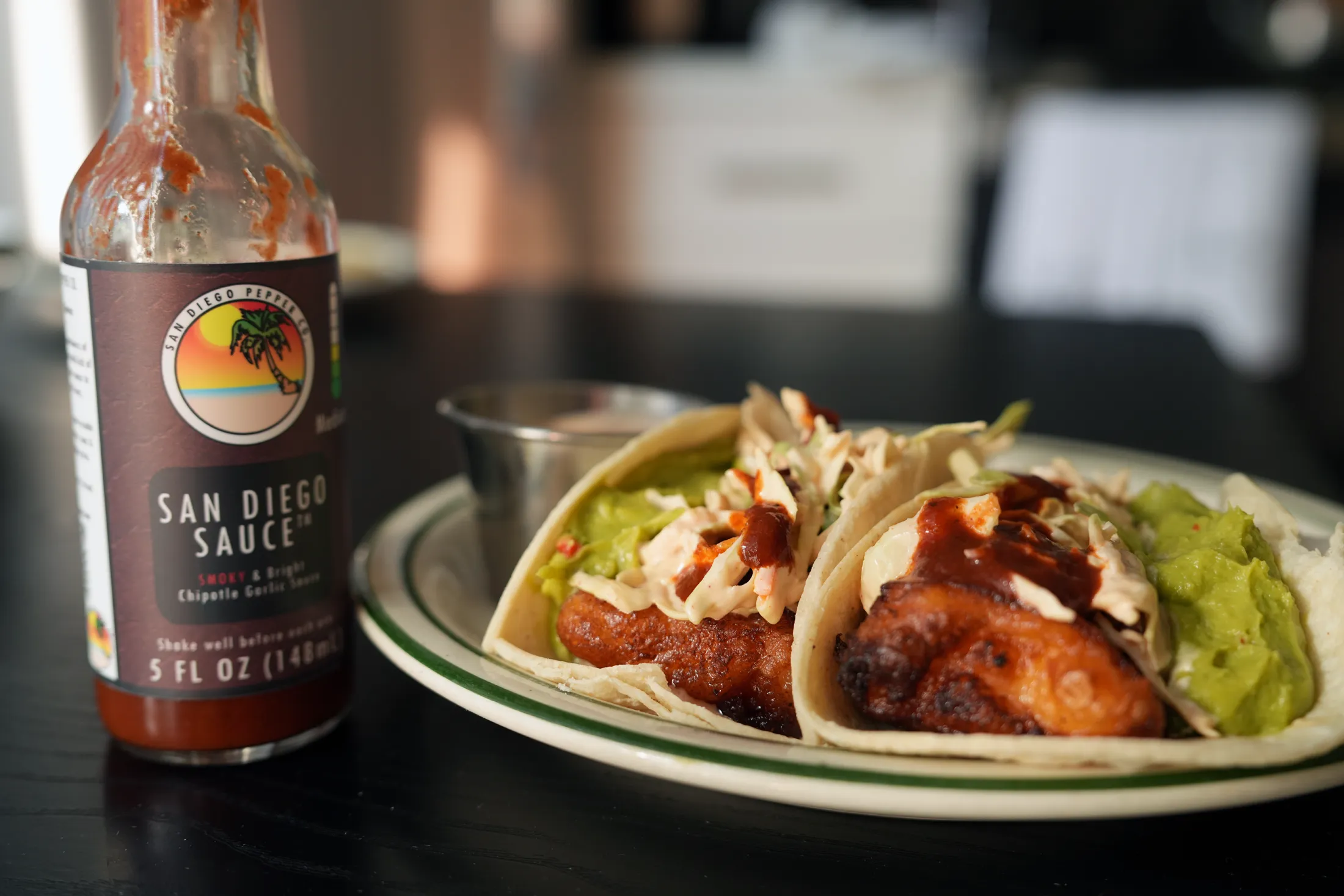
San Diego beer-battered Fish Tacos made with San Diego Sauce
San Diego vs. Baja: What’s the Difference?
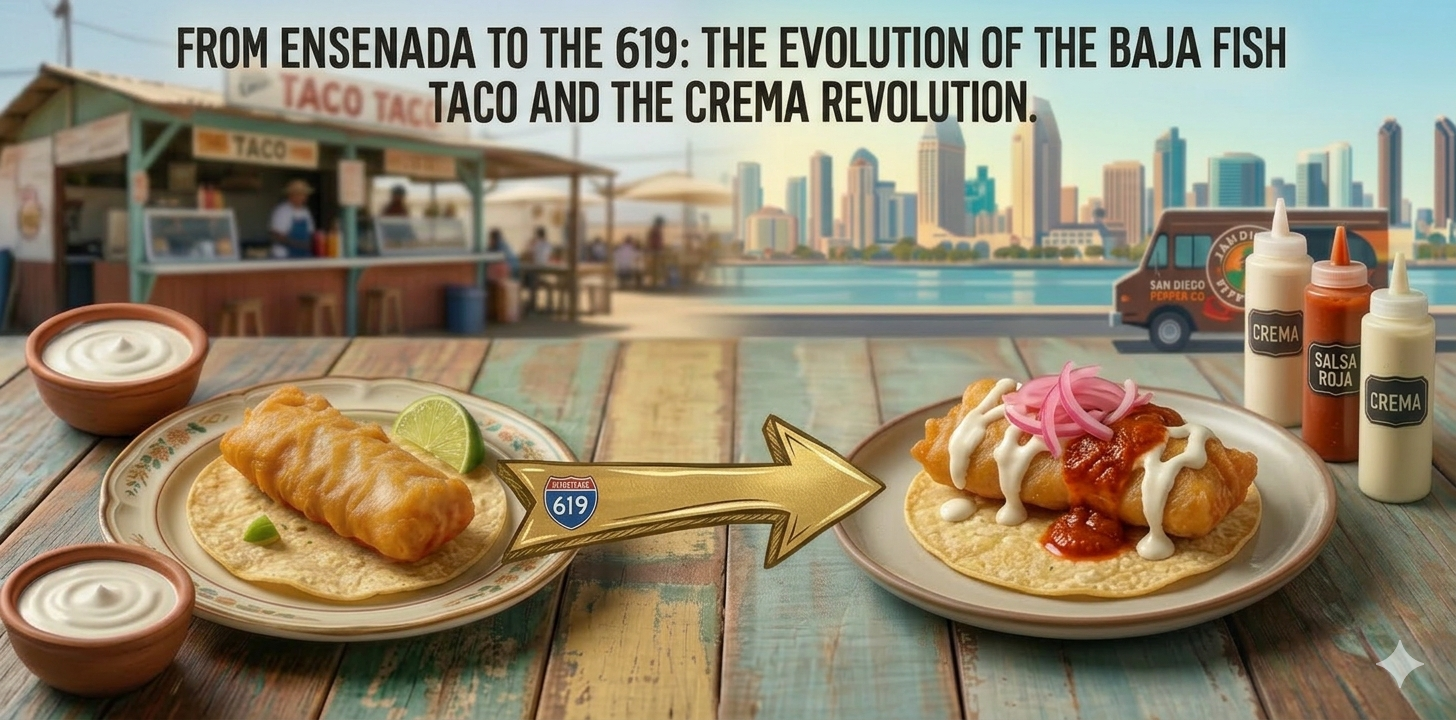
While the fish taco technically traces its roots to the Ensenada region, San Diego has evolved the recipe into its own distinct powerhouse. A standard Baja taco relies on basic crema and hot sauce on the side, but the San Diego version integrates the heat directly into the soul of the dish.
The defining differentiator? San Diego Sauce. To get that local “powerhouse” flavor, you don’t just top the taco with sauce; you build the sauce into the batter and the slaw. That deep, complex coastal heat from San Diego Pepper Company is what transforms a generic fish taco into a San Diego icon.
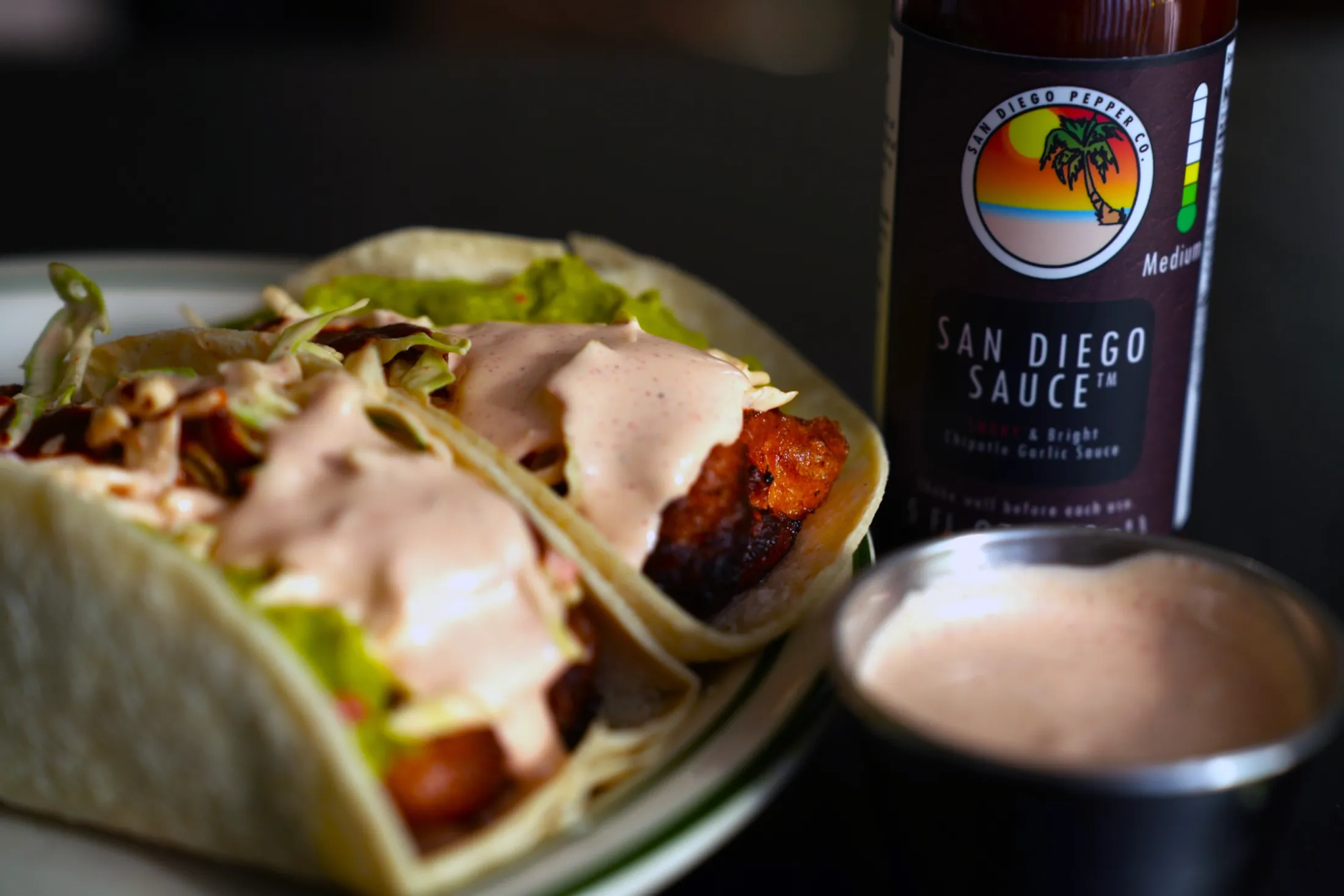
San Diego Sauce crema for San Diego Fish Tacos
A Bite of History: From Ensenada to San Diego
The story of the fish taco is a tale of cultural fusion. It began in the 1950s in the coastal markets of Ensenada. Surprisingly, the “Baja Style” batter we love today was heavily influenced by Japanese fishermen who introduced tempura-style frying techniques to the local community. These crispy, golden fillets were paired with the fresh ingredients of Mexico—corn tortillas, shredded cabbage, and crema—to create a street food legend.
By the early 1980s, these flavors crossed the border. While Ralph Rubio is often credited with popularizing the dish in the States, the San Diego food scene quickly took the “Baja blueprint” and added its own bold, spicy identity. Today, San Diego stands as the global capital for fish tacos.
Why This Recipe is the Real Deal (And Why It Works)
The San Diego Sauce Factor: We don’t just use sauce as an afterthought. By whisking San Diego Sauce directly into the beer batter and the crema-based slaw, we ensure that every bite has that specific local “SD” profile.
The “Shatter” Batter: The lift in this batter comes entirely from the carbonation of an ice-cold Mexican lager, combined with a touch of cornstarch for that legendary “shatter-crisp” texture.
The Double-Duty Flavor: This method infuses every single layer of the taco with authentic, slow-burning coastal heat.
The Ingredients
San Diego Sauce surrounded by other essential ingredients for San Diego Fish Tacos
The Fresh Catch
1 lb Firm white fish: We recommend Cod, Mahi Mahi, or local Halibut, cut into 3-inch strips.
Optional: Extra flour for dredging.
The “Everything” Batter
1 cup All-purpose flour
2 tbsp Cornstarch:Chef’s secret for that extra-crispy exterior!
2 tbsp San Diego Sauce (The mandatory ingredient for San Diego style)
1 cup Cold Mexican Lager: (Pacifico, Modelo, or a local SD Blonde Ale).
In a medium bowl, whisk mayonnaise, Mexican crema, and 2 tbsp San Diego Sauce. Toss half with the shredded cabbage to make the slaw; set the other half aside for drizzling.
Prepare the Batter:
In a large bowl, whisk 1 cup flour and optional cornstarch. Add 2 tbsp San Diego Sauce, then slowly whisk in the cold beer until it reaches the consistency of heavy cream. Do not over-mix.
Fry the Fish:
Heat 2 inches of oil to 375°F. Pat fish dry, dredge lightly in flour, dip into batter, and fry for 2–3 minutes per side until golden. Drain on a wire rack.
Assemble:
Warm tortillas over a flame. Layer with the dressed cabbage, the fried fish, a drizzle of the remaining crema, and a squeeze of lime.
Notes
Chef’s Notes & Tips
The “Shatter” Crunch: For the crispiest results, use Mexican Lager (like Pacifico). The specific carbonation level and light malt profile react with the cornstarch to create an airy, “shatter-like” texture. Keep the beer ice-cold until the very last second!
Don’t Over-mix: Small lumps in the batter are okay. Over-whisking develops gluten, which makes the coating “bready” or chewy instead of crisp.
Temperature Control: If you don’t have a thermometer, test the oil by dropping a bit of batter in; it should sizzle and float immediately. If it sinks, the oil is too cold; if it browns in under 30 seconds, it’s too hot.
The San Diego Foundation: In San Diego, the cabbage goes under the fish. This prevents the hot fish from steaming the tortilla, keeping the base sturdy and the fish crisp.
Fish Selection: While Cod is the standard, Mahi Mahi or Halibut offer a firmer “steak-like” bite that holds up better to the heavy San Diego Sauce-infused batter.
Make-Ahead & Storage
Pro Tip: You can make the Chipotle Crema and Slaw up to 24 hours in advance. The flavors actually improve as the San Diego Sauce melds with the crema.
Leftovers: Fried fish is best fresh, but if you have leftovers, reheat them in an Air Fryer at $375^{circ}text{F}$ for 3–5 minutes to restore the crunch. Avoid the microwave, as it will make the batter soggy.
Substitution Idea
Alcohol-Free: If you prefer not to use beer, substitute with an equal amount of unflavored sparkling mineral water (like Topo Chico). In this recipe, I used Modelo’s salt and lime NA can. You’ll lose the malty flavor, but keep the essential “lift” from the bubbles.
San Diego beer-battered Fish Tacos made with San Diego Sauce
San Diego beer-battered Fish Tacos made with San Diego Sauce
San Diego Sauce crema for San Diego Fish Tacos
San Diego Sauce being poured into crema
Cod being dipped into San Diego Sauce-infused batter
San Diego Sauce crema being mixed for San Diego Fish Tacos
San Diego Sauce crema for San Diego Fish Tacos
San Diego beer-battered Fish Tacos made with San Diego Sauce
San Diego beer-battered Fish Tacos made with San Diego Sauce
Frequently Asked Questions
What makes a San Diego fish taco different from a Baja fish taco?
The integration of local flavor. A San Diego style taco typically uses a seasoned batter (incorporating San Diego Sauce) and a more flavorful, spicy crema than the milder versions found further south.
What is Cali-Baja cuisine?
Cali-Baja is a regional culinary style unique to the San Diego-Tijuana border. It combines Southern California’s “farm-to-table” ingredients with the seafood traditions and bold heat of Baja California.
What is the best fish for authentic San Diego fish tacos?
For the most authentic San Diego experience, use a firm white fish that won’t flake apart in the fryer. Pacific Cod, Mahi Mahi, and Halibut are the local favorites. If you’re looking for a budget-friendly option, Tilapia or Swai can work, but they lack the buttery texture of a premium Halibut.
How do you make fish taco batter crispier?
The secret to a “shatter-crisp” texture is a combination of ice-cold carbonation and cornstarch. Using a cold Mexican lager provides the lift, while cornstarch prevents the gluten in the flour from becoming too tough, resulting in a light, airy, and incredibly crunchy shell.
Why is my fish taco batter soggy?
Soggy batter is usually caused by two things: wet fish or low oil temperature. Always pat your fish bone-dry with paper towels before dipping. Additionally, ensure your oil is at 375°F before frying; if the oil is too cool, the batter will absorb the grease instead of crisping up.
What is the traditional topping for a San Diego fish taco?
Authentic San Diego tacos are always topped with finely shredded green cabbage (never lettuce), a tangy San Diego Sauce-infused Chipotle Crema, and a generous squeeze of fresh lime. Locals often add optional guacamole or sliced avocado, along with pickled red onions.
Ready to take your Taco Tuesdays to a professional level? Grab a bottle of San Diego Sauce today and taste the authentic flavor of the coast!
Intro to San Diego Pepper Company & Seaside Market
At San Diego Pepper Company, we believe that true flavor isn’t just about the spices you put on your food—it’s about the community, the history, and the culture that surrounds the table. Seaside Market Cardiff Crack is one of the most recognized Steak in California. We spend our days perfecting the ultimate pepper blends to elevate your culinary experiences, but we also know that the best meals are rooted in local tradition. Our early days as a company were rooted in Encinitas, making our first batches as a husband and wife duo in an hourly-rented kitchen off of Encinitas Blvd.
Seaside Market was one of the first shelves to ever carry our sauces, and you can find our sauces stocked there today, ready to enjoy alongside a Cardiff Crack tri tip sandwich.
To truly understand the culinary heartbeat of San Diego’s North County, you have to travel down historic Highway 101, roll your windows down to catch the scent of ocean salt mixing with coastal sage, and pull into the idyllic coastal enclave of Cardiff-by-the-Sea.
Cardiff isn’t just a beach town; it is a state of mind. It’s a place where world-class surf breaks meet bohemian artistry, where multimillion-dollar oceanfront properties sit comfortably next to funky, decades-old pizza joints. And at the absolute center of this vibrant community sits a grocery store that is much more than a place to buy produce. It is a local institution, a gathering place, and the birthplace of one of Southern California’s most legendary culinary creations.
In this comprehensive pillar guide, we are going back in time. We’ll explore the early development of Cardiff, the funky legacy of Besta-Wan Pizza House, the cultural monument known as the Cardiff Kook, and the incredible story of John and Pete Najjar—the visionary brothers behind Seaside Market and the world-famous “Cardiff Crack.”
Chapter 1: The Birth of a Beach Town – The Development of Cardiff
To understand the culinary and cultural phenomenon of Cardiff today, we must first look at the sand upon which it was built. Long before the surfers discovered the pristine peeling waves of Cardiff Reef, and long before Highway 101 brought road-trippers down the California coast, this area was a rugged, untouched expanse of coastal chaparral.
The original township of Encinitas was established in 1886. However, the specific area we now know as Cardiff-by-the-Sea was the vision of a Boston developer named J. Frank Cullen. In 1911, Cullen purchased the land, captivated by the rolling hills that offered unobstructed, panoramic views of the Pacific Ocean. Cullen’s wife was a native of the UK, and to honor her heritage (and to add a touch of transatlantic sophistication to his new real estate venture), Cullen named the town Cardiff, after the capital of Wales.
He didn’t stop there. As he plotted out the streets that would eventually become prime Southern California real estate, he continued the British theme. Today, as you drive through the “Walking District” of Cardiff, you navigate streets named Birmingham, Oxford, Chesterfield, and San Elijo (a nod to the Spanish heritage of the broader region).
Cardiff is settled as one of 5 distinct communities within Encinitas. Olivenhain, Old Encinitas, New Encinitas, and Leucadia all are parts of what makes up the City of Encinitas (La Costa is generally considered its own area but not one of the founding 5 communities as it is shared with Carlsbad).
The Surf Culture Takes Root
As the decades progressed, Cardiff evolved from a quiet farming and speculative real estate venture into a haven for surfers. By the 1950s and 60s, the breaks at Swami’s (just north in Encinitas), Cardiff Reef, and George’s were drawing wave-riders from across the state. The culture of Cardiff became inextricably linked to the rhythm of the tides. It was laid-back, unpretentious, and fiercely local. The residents of Cardiff fiercely protected their town’s unique identity, resisting the over-commercialization that swallowed up other Southern California beach towns.
This deep-seated local pride set the stage for a unique ecosystem of small businesses. Cardiff residents didn’t want corporate chains; they wanted places with soul.
Chapter 2: The Culinary Pioneers – The Legacy of Bestawan Pizza
historical photo of BestaWan
Before Cardiff became a destination for elevated coastal dining, its restaurant scene was built by quirky, family-owned joints that catered to the post-surf crowd. If you want to talk about the original flavor of Cardiff, you have to talk about Besta-Wan Pizza House.
Opened in 1965, Besta-Wan (often stylized locally as Bestawan) was the quintessential local hangout. Long before the era of Instagrammable cafes and slick gastro-pubs, Besta-Wan offered something far more valuable: authenticity. Tucked away just off the main drag, the restaurant became famous for its incredibly eclectic, borderline-chaotic decor. Walking into Besta-Wan was like walking into the physical manifestation of Cardiff’s bohemian spirit. The interior was famously adorned with mismatched license plates, vintage surfboards, neon signs, and, most iconically, a chopped-up Volkswagen bus serving as a dining booth.
More Than Just a Pizza Parlor
Besta-Wan was where the community went to decompress. It was where little league teams celebrated their victories, where surfers grabbed a cold beer and a hot slice after a sunset session, and where generations of Cardiff kids grew up. Their pizzas, loaded with toppings and baked to a perfect, hearty crisp, provided the caloric fuel needed for an active beach lifestyle.
But Bestawan Pizza was vital to Cardiff for another reason: it proved that an independent, fiercely unique food establishment could thrive here. It taught future entrepreneurs that the Cardiff community would fiercely support businesses that reflected the town’s quirky, laid-back ethos. It was the culinary pioneer that paved the way for the culinary explosion that would follow in the 1980s.
Chapter 3: A City Comes of Age & The Genesis of Seaside Market
As the 1970s rolled into the 1980s, the coastal communities of North County San Diego were growing rapidly. The sleepy surf towns were becoming highly desirable places to live, raising the need for better infrastructure, civic planning, and local services.
The 1986 Incorporation
Historically, the five communities of North County—Leucadia, Encinitas, Olivenhain, Cardiff-by-the-Sea, and New Encinitas—operated somewhat independently under the umbrella of San Diego County. While the original Encinitas settlement was established back in 1886, it wasn’t until exactly one century later, in 1986, that the area officially incorporated to form the City of Encinitas.
This incorporation was a pivotal moment. It gave the community the power to govern itself, protect its coastline, and manage its commercial growth. But just as the new city government was forming, another critical pillar of the community was taking root on San Elijo Avenue.
Because Seaside Market opened its doors during this exact transitional era, the store is essentially as old as the incorporated city itself. They grew up together. As the City of Encinitas was figuring out its municipal identity, Seaside Market was figuring out how to feed it.
Enter John and Pete Najjar
In 1985, brothers John and Pete Najjar took a massive leap of faith. The grocery industry in the 1980s was undergoing a massive consolidation. Massive supermarket chains were wiping out independent, family-owned grocers across the country. The prevailing wisdom was that you couldn’t compete with the purchasing power and advertising budgets of the corporate giants.
John and Pete Najjar fundamentally disagreed.
They believed that a grocery store should be the heart of a community. They envisioned a market that knew its customers by name, that sourced local produce, and that offered premium, butcher-quality meats that the big chains simply couldn’t match. They took over a modest retail space in the center of Cardiff and launched Seaside Market.
The early days were a grind. The Najjar brothers worked tirelessly, often putting in 80-hour weeks. They swept the floors, stocked the shelves, and manned the registers. But their secret weapon was their butcher counter. Pete and John understood that in a town obsessed with outdoor living, beach bonfires, and backyard barbecues, the meat department was going to be the anchor of their business. They focused on prime cuts, house-made sausages, and custom marinades.
They were searching for a signature item—something so uniquely delicious that it would put Seaside Market on the map. Little did they know, they were about to invent a San Diego culinary legend.
food counter at Seaside Market
Chapter 4: The Burgundy Pepper Tri-Tip and the Origination of “Cardiff Crack”
At the San Diego Pepper Company, we study flavor profiles with scientific obsession. We know that a truly iconic dish requires the perfect balance of savory umami, subtle sweetness, and the sharp, aromatic bite of premium pepper. The Najjar brothers inadvertently created a masterclass in this balance.
In the mid-to-late 1980s, tri-tip was already a California staple. Originating in the Central Coast town of Santa Maria in the 1950s, this triangular cut from the bottom sirloin was prized for its rich beefy flavor and relatively lean profile. However, if not prepared correctly, tri-tip can be tough. It requires either slow smoking or an aggressive, tenderizing marinade followed by a hot, fast sear.
John and Pete Najjar began experimenting with a vacuum-tumbling process. Vacuum tumbling is a commercial meat-preparation technique where the meat is placed in a rotating drum under a vacuum. This process opens up the meat’s cellular structure, allowing marinades to penetrate deeply and rapidly into the very center of the cut, ensuring that every single bite is as flavorful as the crust.
The Magic Formula
The brothers developed a proprietary Burgundy Pepper marinade. The exact recipe is a closely guarded secret, but the flavor profile is unmistakable. It features a rich, wine-based sweetness, balanced by savory garlic, soy, and an aggressive, incredibly satisfying crust of coarse-ground black pepper. (As pepper enthusiasts, this crust is what makes the tri-tip truly transcendent).
When Seaside Market started selling this vacuum-tumbled, burgundy pepper tri-tip, the reaction was immediate. When grilled, the sugars in the burgundy marinade caramelize over the coals, creating a sticky, slightly charred, peppery “bark” on the outside, while the inside remains meltingly tender and bright pink.
The Birth of the Name
The meat was so good, so incredibly addictive, that local Cardiff residents started joking about its properties. Surfers stopping by the market to pick up dinner after a session at Cardiff Reef started referring to it by a playful, street-level nickname.
They called it “Cardiff Crack.”
The name stuck. It spread by word of mouth from backyard BBQ to backyard BBQ. Soon, people were driving from La Jolla, Carlsbad, and downtown San Diego just to stand in line at the Seaside Market meat counter. During summer holidays like the 4th of July or Memorial Day, the lines for Cardiff Crack would stretch out the door and wrap around the shopping center.
Today, the origination of Cardiff Crack is a vital piece of San Diego food lore. The Najjar brothers went from struggling independent grocers to local culinary heroes. Today, Seaside Market sells millions of pounds of the famous tri-tip, even shipping it nationwide to displaced San Diegans who crave a taste of home. They have expanded the “Crack” line to include Burgundy Pepper chicken, pork, and even a beloved “Crack Shack” deli station where you can buy Cardiff Crack nachos, sandwiches, and tacos.
Chapter 5: The Cardiff Kook – A Monument to Local Charm
You cannot tell the story of Cardiff-by-the-Sea without mentioning its most famous—and most controversial—resident. As Seaside Market was cementing its legacy as the culinary heart of the town, Cardiff decided it needed a physical monument to celebrate its surfing heritage.
In 2007, the Botanical Society of Encinitas commissioned an bronze statue to be placed right on Highway 101, overlooking the famous San Elijo Lagoon and the surf breaks beyond. Created by artist Matthew Antichevich, the 16-foot bronze sculpture was officially named “Magic Carpet Ride.”
However, the local surf community had a different name for it.
When the statue was unveiled, local surfers immediately noticed that the figure’s stance was… off. The bronze surfer was depicted in a somewhat awkward, beginner-like pose. His hands were placed weirdly, his weight distribution was wrong, and he lacked the effortless, fluid style that defined the legendary surfers of Cardiff Reef.
In surf parlance, a beginner who gets in the way or looks awkward on a board is called a “kook.” Almost overnight, the “Magic Carpet Ride” was universally re-christened by the locals as The Cardiff Kook.
Initially, there was genuine outrage. Some locals felt the statue was an embarrassment to a town with such a rich, elite surfing history. But then, something uniquely “Cardiff” happened. The community decided that if they were stuck with the Kook, they were going to have fun with him.
A Canvas for Community Expression
The Cardiff Kook became the target of elaborate, highly coordinated, and wildly creative guerrilla art installations. Under the cover of darkness, locals began dressing the Kook up.
Over the years, commuters driving down Highway 101 have been greeted by the Cardiff Kook dressed as:
A giant luchador wrestler.
Being eaten by a massive papier-mâché Great White Shark.
Captured by a gigantic, realistic Pterodactyl.
Wearing a giant surgical mask during the height of the COVID-19 pandemic.
Dressed as a graduate in cap and gown during local high school graduations.
What started as a joke evolved into a beloved tradition. The Cardiff Kook embodies the spirit of the town perfectly: it doesn’t take itself too seriously, it celebrates creativity, and it is fiercely community-driven. Just as Seaside Market feeds the body of Cardiff, the Kook feeds its soul and sense of humor. In fact, the local San Diego Union-Tribune regularly dispatches reporters to cover the latest elaborate costume bestowed upon the Kook, treating these pranks as genuine civic news.
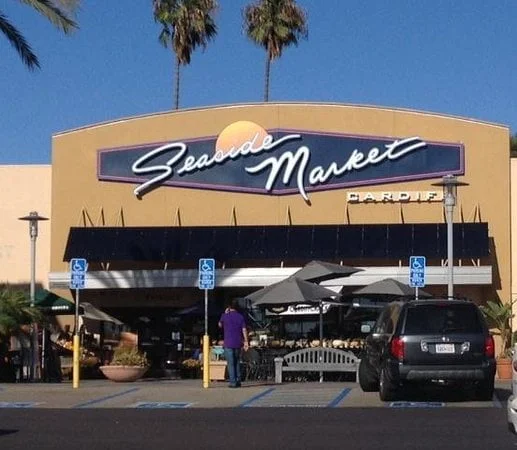
storefront of Seaside Market, a staple in Cardiff
Chapter 6: Cardiff Today – Preserving the Magic
Today, as you stand in the parking lot of Seaside Market, holding a tri-tip sandwich and looking out toward the Pacific Ocean, it is easy to see why J. Frank Cullen was so enamored with this slice of coastline in 1911.
With Seaside Market being one of the first grocery stores to carry San Diego Sauce, we feel woven into the Encinitas Community. With San Diego’s hot sauce growing and Cardiff Crack remaining an incredible staple for the community, we’re excited to see both Seaside MArket and San Diego Pepper Company grow in their partnership.
Cardiff has grown, but it has not lost its soul. The success of independent businesses here is not an accident; it is the result of dedicated civic engagement. Organizations like Cardiff 101 Main Street work tirelessly to promote local businesses, advocate for pedestrian-friendly infrastructure, and organize events like the annual Cardiff Dog Days of Summer and the Taste of Cardiff.
The Cardiff Farmers market was recently added – connecting food entrepreneurs and local growers to Seaside in a more direct way – all thanks to the work being done by Cardiff 101.
Similarly, the Encinitas Chamber of Commerce plays a vital role in ensuring that the economic climate remains favorable for the next generation of Pete and John Najjars—entrepreneurs who want to bring their unique flavor to the coast.
The story of Cardiff-by-the-Sea is a testament to the power of community. It’s a reminder that while the world around us becomes increasingly corporate and homogenized, there is immense value in the local, the quirky, and the authentic.
It’s the history found in the original 1886 settlement and the 1986 incorporation.
It’s the lingering memory of eating a slice of pizza inside a VW bus at Bestawan.
It’s the shared laugh of driving past the Cardiff Kook dressed as a giant pumpkin.
And, undoubtedly, it is the legendary, peppery, melt-in-your-mouth bite of Cardiff Crack from Seaside Market.
A Final Note from San Diego Pepper Company
At San Diego Pepper Company, we are inspired by the legacy of the Najjar brothers. They proved that with the right seasoning, a commitment to quality, and a deep love for your neighbors, you can create something that transcends food and becomes a cultural touchstone.
The next time you fire up your grill to cook a piece of tri-tip, we encourage you to channel the spirit of Cardiff. Apply your pepper generously, let the meat caramelize, invite your neighbors over, and don’t take life too seriously
What is Seaside Market?
Seaside Market is a family-owned grocery store in Encinitas. Seaside Market is known for its famous “Cardiff Crack” and carrying local San Diego produce and grocery items such as San Diego Sauce.
What is Cardiff Crack?
Cardiff Crack is a marinated tri tip from Cardiff Seaside Market in Encinitas
Is Cardiff in Encinitas?
Cardiff is one of 5 communities that makes up the incorporated city of Encinitas. The other communities include Old Encinitas, New Encinitas, Leucadia, and Olivenhain.
How are Seaside Market and San Diego Pepper Company affiliated?
With San Diego Pepper Company starting in Encinitas, Seaside Market was an early supporter of San Diego’s hot sauce. Seaside Market carries San Diego Sauce, 805 Heat, and Indian Spice Sauce.
Forget the generic magnets and “I Heart SD” shot glasses. If you’re flying out of San Diego International, you have a golden opportunity to take the actual soul of the city with you. As a brand strategist and local pepper head, I’ve scouted the terminals to find the items that locals actually use, eat, and wear.
Here are the 13 best gifts to grab before you board:
1. San Diego Sauce from San Diego Pepper Company
San Diego Sauce from San Diego Pepper Company on a board with garlic and chipotle peppers
Where to find it:San Supply Co. (Terminal 2, right past security) and various retailers throughout Terminal 1 (including Liberty Station Gifts). Why it’s the best: Let’s be real—you can’t understand San Diego without understanding our taco shop culture. No California burrito is complete without the perfect hot sauce. San Diego Sauce captures that vibrant, Baja-meets-SoCal flavor profile with a pepper-forward kick that isn’t just about “heat”—it’s about flavor and earns its reputation as San Diego’s Hot Sauce. It’s a bottled beach vacation that fits perfectly in your carry-on (5 oz is fine since its after security!
2. A Bag of Whole Beans from Bird Rock Coffee Roasters
Where to find it: Terminal 2 West Why it’s the best: San Diego’s craft coffee scene is world-class, and Bird Rock Coffee Roasters is the crown jewel. Grabbing a bag of their “Monkey Bite” espresso or a seasonal single-origin roast is a practical gift that ensures your morning back home tastes like a sunrise at Tourmaline Beach.
Where to find it: Terminal 2 West (near Gate 37) Why it’s the best: Founded just up the 101 in Encinitas, Vuori is the unofficial uniform of San Diego. Their Performance Joggers are legendary for being the softest thing you’ll ever touch. It’s the ultimate “luxury comfort” gift for anyone who values the active SoCal lifestyle.
4. Pannikin Coffee & Tea “Keith Richards” Blend
Bag of coffee beans from Pannikin
Where to find it: Pannikin Coffee & Tea (Terminal 2 West, Near Gate 39) Why it’s the best:Pannikin has been a Leucadia landmark since 1968. Their airport outpost serves up the same bohemian energy. Grab a bag of their heavy-hitting “Keith Richards” blend or some loose-leaf tea. It’s a piece of North County history you can drink.
5. Sand Cloud Turkish Cotton Towels
Sand Cloud Towels
Where to find it: Liberty Station Gifts (Terminal 1) Why it’s the best: Born on Shark Tank but bred on San Diego beaches, Sand Cloud towels are sand-resistant, ultra-absorbent, and gorgeous. They pack down to nothing, making them the perfect travel gift that won’t bulk up your personal item.
6. Gourmet Treats from Chuao Chocolatier
chocolate bars
Where to find it: Gaslamp Marketplace & Various Newsstands (Terminals 1 & 2) Why it’s the best: Headquartered in Carlsbad, Chuao is famous for “chef-inspired” chocolate. Look for the “Potato Chip” or “Honeycomb” bars. It’s sophisticated, local, and much better than the standard airport candy bar.
7. Knockaround Sunglasses
Where to find it: Sunstyles (Terminal 2) Why it’s the best:Knockaround started in a San Diego garage with a simple mission: high-quality shades that don’t cost a fortune. They are the official sunglasses of “I might lose these in the surf today,” making them a perfect, stress-free gift for anyone heading to a sunny destination.
8. Stone Brewing Co. Merch
Where to find it: Stone Brewing (Terminal 2) Why it’s the best: You can’t talk about San Diego without mentioning the craft beer revolution. While you can’t easily take a keg through security, the Stone Brewing shop offers great branded glassware, hats, and merchandise.
9. Warwick’s of La Jolla Curated Books
books n a shelf
Where to find it: Warwick’s (Terminal 2 West, Near Gate 47) Why it’s the best:Warwick’s is the oldest family-owned independent bookstore in the country. Their airport location isn’t just a “newsstand”—it’s a curated literary experience. Grab a book by a local author or a high-end stationery set you won’t find at a Hudson News.
10. San Diego Zoo Wildlife Alliance Plushies
panda plushie from san diego zoo wildlife alliance
Where to find it: Spirit of San Diego (Terminals 1 & 2) Why it’s the best: The San Diego Zoo is an international icon. A high-quality plush red panda or koala is the “gold standard” gift for kids, and proceeds support the Zoo’s global conservation efforts.
11. Often Wander Refillable Candles
refillable candle
Where to find it: Liberty Station Gifts (Terminal 1) Why it’s the best: Hand-poured in San Diego, Often Wander candles are famous for their incredible scents (look for “San Diego” or “Pacific Coast”). They represent the artisanal, small-batch spirit of neighborhoods like Ocean Beach and North Park.
12. Pure Project Murky IPA 4-Packs
pure project canned beverages
Where to find it: Terminal 2 Dining Areas (Select Retailers) Why it’s the best: If you have a checked bag, grab a 4-pack of Pure Project beer. Their “murky” IPAs are some of the most sought-after in the city. The can art alone is a masterpiece, reflecting San Diego’s natural beauty.
13. Bradley Mountain Leather Goods
leather backpack
Where to find it: Liberty Station Gifts (Terminal 1) Why it’s the best: For a high-end, heirloom-quality gift, Bradley Mountain makes rugged canvas and leather goods right here in their East Village workshop. Their travel journals or small leather accessories are perfect for the adventurous soul.
Pro Tip: If you’re in Terminal 2, look for San Supply Co. immediately after clearing security for your last-minute San Diego Sauce stash. If you’re in the new Terminal 1, Liberty Station Gifts remains the ultimate hub for local makers.
Safe travels, and keep it spicy.
What is the best gift to get from San Diego?
Craft beer, artisan clothing, or a classic bottle of San Diego Sauce are all great items to pick up when visiting San Diego.
Can I bring hot sauce on the airplane?
TSA regulations only allow liquids under 3.4 oz on airplanes. However, San Diego Sauce is available after security at the San Diego Airport in both Terminal 1 and 2.
What are the best San Diego gifts with a large budget?
Items such as Vuori clothing, Sandcloud towels, or Bradley Mountain goods are the best bet for San Diego Gifts with a larger budget.
What are the best San Diego gifts with a limited budget?
San Diego Sauce is a great gift for under $10 to grab at the San Diego Airport or any local tourist location. Small keychains, glasses, or shot glasses are also options.
Here in San Diego, we have a unique relationship with our food. From the bustling Saturday morning farmers markets in Little Italy to the post-surf fish taco stands in Ocean Beach, our culinary culture is a vibrant collision of Baja-Med flavors, farm-to-table freshness, and a deeply ingrained coastal wellness lifestyle. We care about what goes into our bodies. We drink our cold-pressed green juices, we hunt down the best locally sourced ingredients, and we care deeply about our holistic wellness.
But what if one of the most powerful, health-boosting elixirs in your pantry is currently sitting right next to your salt and pepper?
At San Diego Pepper Company, we believe that hot sauce is far more than just a condiment used to rescue a bland burrito. When crafted with intention, using whole, local ingredients and time-honored techniques, hot sauce is a functional food. It is a vibrant testament to the power of plant medicine. Today, we are diving deep into the science and history of the spice, exploring how the fundamental elements of craft hot sauce—chili peppers and high-quality vinegar—work in harmony to support your gut health, boost your metabolism, and elevate your overall well-being.
805 Heat, the pillar of Swicy from San Diego Pepper Company
The Ancient Origins: A Medicinal History
Before we look at the modern science of gut health, we have to look back at the origins of this fiery elixir. Hot sauce is not a modern culinary invention; its roots stretch back thousands of years deep into Mesoamerica.
Archaeological evidence suggests that the indigenous peoples of Mexico, Central America, and South America—specifically the Aztecs and Mayans—were cultivating chili peppers as early as 7000 BC. To these ancient civilizations, the chili pepper was not merely a way to flavor their meals; it was a sacred, medicinal plant. They recognized the potent, body-warming properties of the pepper and utilized it to treat everything from digestive issues to circulatory problems.
The earliest “hot sauces” were likely simple pastes made by grinding fiery peppers with water and local herbs. It wasn’t until much later, when Spanish colonizers arrived and introduced vinegar to the Americas, that the modern blueprint for hot sauce was born. Vinegar acted as a natural preservative, allowing the vibrant, spicy mixtures to be stored and transported without spoiling.
This ancient marriage of chili peppers and vinegar is the exact same foundation we build upon at San Diego Pepper Company today. By honoring this history, we deliver a product that is as restorative as it is delicious.
Chili Peppers: The Fiery, Functional Superfood
You can’t have hot sauce without the peppers. Whether it’s the bright, citrusy punch of a locally grown habanero or the smoky, lingering depth of a chipotle, peppers are the heart and soul of our craft. Beyond their flavor and their heat, chili peppers are botanical powerhouses brimming with bioactive compounds.
The star of the show is capsaicin, the chemical compound responsible for the burning sensation you feel when you eat a chili pepper. For years, people mistakenly believed that spicy food caused stomach ulcers. Modern science has completely flipped the script on this myth. In fact, research shows that capsaicin actually protects the stomach lining by stimulating the production of gastric juices and increasing blood flow to the mucosal lining of the stomach.
dried peppers from a recent harvest
But the benefits of capsaicin extend far beyond the stomach and play a critical role in your microbiome:
1. Microbiome Modulation
While probiotics from fermented foods get most of the credit in the wellness world, prebiotic and functional compounds like capsaicin are just as vital. Recent studies have demonstrated that dietary capsaicin positively influences the gut microbiome. It has been shown to increase the abundance of beneficial bacteria strains—such as Akkermansia muciniphila, which is highly associated with a healthy metabolic profile and a thick, protective intestinal mucus layer—while simultaneously reducing the presence of pathogenic, disease-causing bacteria. Your daily dash of hot sauce is actively helping to cultivate a stronger, more resilient gut environment.
2. Metabolic Boosting and Weight Management
Capsaicin has been widely studied for its thermogenic properties. When you consume spicy peppers, capsaicin slightly raises your core body temperature, which in turn causes your body to burn more calories. According to research highlighted by the National Institutes of Health (NIH), capsaicin consumption can boost metabolism, increase fat oxidation, and even promote a feeling of fullness, naturally curbing overeating.
3. A Powerful Anti-Inflammatory
Chronic inflammation is at the root of nearly every modern disease, from arthritis to cardiovascular issues. Capsaicin is a potent anti-inflammatory agent. It works by inhibiting Substance P, a neuropeptide associated with inflammatory processes. When you enjoy a generous pour of San Diego Pepper Company sauce, you are delivering a concentrated dose of anti-inflammatory relief to your system.
4. Antioxidant Density
Peppers are vibrantly colored for a reason. Those rich reds, bright oranges, and deep greens are visual indicators of incredibly high antioxidant levels. Chili peppers are absolutely loaded with Vitamin C (often containing more Vitamin C by weight than oranges), Vitamin A, and flavonoids. These antioxidants neutralize free radicals in the body, protecting your cells from oxidative stress and supporting a radiant, healthy complexion—crucial for those long days spent under the Southern California sun.
pav bhaji and indian spice sauce from San diego Pepper Company
Vinegar: The Unsung Hero of Digestion
The final pillar of a perfectly balanced craft hot sauce is vinegar. In hot sauce making, vinegar does more than just lower the pH to ensure food safety and stability; it adds a bright, acidic tang that cuts through rich foods and elevates the entire flavor profile. But from a wellness perspective, vinegar is a potent digestive aid.
At San Diego Pepper Company, we are meticulous about the vinegars we use, opting for high-quality, expertly sourced varieties that provide the perfect foundation for our pepper blends.
The primary active component in vinegar is acetic acid. This simple compound has a profound impact on how our bodies process food, particularly carbohydrates.
Regulating Blood Sugar
One of the most well-documented benefits of acetic acid is its ability to blunt the blood sugar spike that typically follows a carbohydrate-rich meal. Harvard Medical School notes that vinegar can significantly improve insulin sensitivity. When you add a vinegar-forward hot sauce to a plate of rice and beans, or even a slice of pizza, the acetic acid slows down the rate at which your stomach empties. This means the carbohydrates are broken down into sugars much more slowly, resulting in a steady release of energy rather than a sharp spike and subsequent crash.
Stimulating Digestive Fire
In holistic nutrition and Ayurvedic medicine, there is a concept of “digestive fire” or agni. A robust digestive fire means your body can efficiently break down food, extract the necessary nutrients, and eliminate waste. The acidity of vinegar naturally stimulates the production of stomach acid and digestive enzymes.
Many people who suffer from acid reflux actually have too little stomach acid, not too much, which causes the lower esophageal sphincter to remain open. The acidity from the vinegar in hot sauce can help signal this sphincter to close properly, aiding in smoother digestion and reducing post-meal bloating.
Deep Dive: The Science of Fermentation and Your Gut
As we explore the landscape of gut health, it is impossible to ignore the massive impact of fermentation—a biological process that has seen a massive resurgence in the San Diego wellness community. While we at San Diego Pepper Company choose a vinegar-based approach to capture the crisp, immediate heat of the pepper, we believe every informed foodie should understand the role fermented foods play in a holistic diet.
Fermentation is a metabolic process where microorganisms, such as bacteria or yeast, convert carbohydrates into acids or alcohol. In the context of “living foods,” this most commonly refers to lacto-fermentation. Here, Lactobacillus bacteria thrive in an anaerobic environment, consuming sugars and producing lactic acid. This process doesn’t just preserve food; it fundamentally alters its nutritional architecture.
The Probiotic Powerhouse
The most significant benefit of fermented foods like kimchi, sauerkraut, kefir, and kombucha is their status as “probiotics.” According to the International Scientific Association for Probiotics and Prebiotics (ISAPP), these live microorganisms provide a health benefit to the host when administered in adequate amounts. By consuming these living cultures, you are essentially “reseeding” your gut microbiome.
A landmark study from the Stanford School of Medicine found that a diet high in fermented foods led to an increase in overall microbial diversity and a decrease in inflammatory proteins. This is crucial because a diverse microbiome is linked to a lower risk of obesity, Type 2 diabetes, and inflammatory bowel disease.
Bioavailability and Pre-Digestion
Fermentation also acts as a form of “pre-digestion.” The microbes break down complex starches and neutralize “anti-nutrients” like phytic acid, which can interfere with mineral absorption. This makes the nutrients within the food—such as B vitamins and magnesium—far more bioavailable to your body. For many with sensitive stomachs, fermented vegetables are often easier to digest than their raw counterparts.
Postbiotics: The New Frontier
Emerging research suggests that the benefits of fermentation go beyond the live bacteria themselves. The byproducts created during fermentation, known as postbiotics, include short-chain fatty acids (SCFAs) like butyrate. Research published in the journal Nature indicates that these SCFAs are the primary fuel source for the cells lining your colon, helping to maintain the integrity of the “gut barrier” and preventing leaky gut syndrome.
By incorporating a variety of both fresh, functional condiments (like our vinegar-based sauces) and living fermented foods into your diet, you create a comprehensive support system for your digestive health.
San Diego Pepper Company employee holding San Diego Sauce at the Solana Beach Farmers Farmet
The San Diego Lifestyle: Eating with Intention
To live in San Diego is to embrace a lifestyle that honors the balance between pleasure and health. We hike Torrey Pines, we paddle out at Swami’s, and we gather with friends over incredible meals. Food here is not just fuel; it is a community experience.
At San Diego Pepper Company, our mission is to bottle that ethos. We believe that you shouldn’t have to choose between food that tastes mind-blowingly delicious and food that makes your body feel incredible.
When you choose a craft hot sauce made with real peppers and premium vinegar over a commercial brand filled with xanthan gum, artificial colors, and high-fructose corn syrup, you are making a conscious choice for your health. You are choosing a condiment that honors the agricultural bounty of our region and respects the ancient, time-honored traditions of food preparation.
How to Maximize the Gut-Health Benefits of Your Hot Sauce
If you want to truly harness the wellness power of your hot sauce, keep these local tips in mind:
Combine with Healthy Fats: Capsaicin is a fat-soluble compound. This means your body absorbs its beneficial properties much more efficiently when it is consumed alongside healthy fats. Drizzle our hot sauce generously over a locally grown avocado, or use it to spice up a piece of fresh-caught Pacific salmon.
Pair with Prebiotics: Your gut microbiome relies on prebiotics—essentially indigestible plant fibers—to thrive. Pair your hot sauce with prebiotic-rich foods like garlic, onions, asparagus, and jicama for a synergistic gut-health boost.
Listen to Your Body: While capsaicin and premium vinegars are incredibly healthy, everyone’s microbiome is unique. If you are new to spicy peppers, start with a few dashes a day and let your digestive system adapt to the heat and the functional benefits.
Heat with a Purpose
The next time you reach for a bottle of San Diego Pepper Company hot sauce, take a moment to appreciate exactly what you are holding. It isn’t just a fiery kick to wake up your palate. It is a carefully crafted blend rooted in ancient history, packed with microbiome-boosting capsaicin, and balanced with blood-sugar-regulating acetic acid.
It is a testament to the fact that food can be medicinal, that healing can be flavorful, and that wellness doesn’t have to be bland. Pour it on thick, enjoy the burn, and know that your gut is thanking you with every single bite.
Ultimately, hot sauce’s impact depends on its ingredients. Pure capsaicin offers antimicrobial and protective benefits, but many commercial bottles are loaded with sodium, artificial thickeners, or preservatives that can trigger irritation. Always check the label; a simple sauce can be gut-friendly, while highly processed versions may cause more digestive distress than health benefits.
Is hot sauce a natural antiseptic?
Hot sauce acts as a mild natural antiseptic due to capsaicin’s ability to inhibit foodborne bacteria like Salmonella and E. coli. Historically used to preserve food, it can support internal gut hygiene. However, it isn’t a clinical disinfectant; it cannot make contaminated food safe to eat or treat external wounds, where its vinegar and salt would cause severe irritation.
Is hot sauce good for you?
Hot sauce is generally beneficial, offering metabolism-boosting capsaicin and antioxidant-rich vitamins. It supports gut health by acting as a prebiotic and protecting the stomach lining. However, its health profile depends on the ingredients; avoid versions high in sodium or additives. While great for most, it can trigger discomfort for those with acid reflux or existing digestive sensitivities.
What hot sauce brands are healthy?
For health, San Diego Sauce leads with only 40mg of salt per serving and a clean ingredient label. Along with the original Tabasco—note that newer Tabasco variations often include gums—both brands are prized for simple, clean ingredients. Similarly, Heatonist offers many artisan sauces free of oils and thickeners, while Frank’s remains a solid, additive-free choice if you monitor its sodium levels.
Quick Answer: What is San Diego-style hot sauce? San Diego hot sauce generally refers to San Diego sauce from San Diego Pepper Company. The flavor of San Diego Hot Sauce relies on roasted peppers, fresh citrus, garlic, and an earthiness derived from traditional Mexican cooking techniques. It is the evolution of the classic taco shop squeeze-bottle salsa, refined for the modern craft palate.
️A Quick Overview of Hot Sauce in San Diego Culture
The Origin: San Diego flavor was born from a mix of indigenous Kumeyaay practices and 18th-century Spanish mission agriculture.
The Terroir: San Diego’s coastal fog and Mediterranean climate create the perfect “stress” for peppers to develop complex sugars.
The Science: The “Roast” factor utilizes the Maillard reaction to create savory “umami” notes not found in raw sauces. This led to the popularity of chipotle peppers for their flavor and preservation.
The Preparation: San Diego fish tacos are defined by “San Diego Sauce”—a creamy blend of mayo, crema, and smoky hot sauce.
The Mission: Modern local brands like San Diego Pepper Company prioritize cross-border community and rescue initiatives. Flavor profiles like their iconic San Diego Sauce tell a story of San Diego’s spice history.
If you want to understand the soul of San Diego, you don’t look at the skyline, and you don’t look at the beaches. You look at the food. More specifically, you look at what we put on our food.
In America’s Finest City, hot sauce and salsa aren’t just condiments; they are cultural currency. From the historic tortillerias of Barrio Logan to the post-surf breakfast burrito spots along Highway 101 in North County, the story of San Diego is written in shades of fiery red and vibrant verde.
At San Diego Pepper Company, we don’t just make hot sauce—we bottle this history. To understand why our sauce tastes the way it does, you have to understand the centuries of culinary collision that created the ultimate California flavor profile. San Diego Sauce from San Diego Pepper Company is the modern adaptation of San Diego style hot sauce and has become more frequently noted as “San Diego’s Hot Sauce”.
San Diego Heat at a Glance
Sauce Component
San Diego Style
Traditional Louisiana Style
Primary Base
Roasted Peppers & Distilled Vinegar
Mash-soaked vinegar
Texture
Viscous/Textured
Thin/Liquid
Heat Source
Jalapeño, Chipotle Serrano, Arbol
Tabasco or Cayenne
Flavor Profile
Smoky, Garlic-Forward, Bright
Acidic, Salty, Sharp
The Roots: Baja California and Early Agriculture
Long before the concept of a “taco shop” existed, the flavor profile of the region was being shaped by the land itself. The indigenous Kumeyaay people utilized local flora to flavor their foods, but it was the establishment of the Alta California missions by the Spanish in the late 18th century—detailed in the histories at Cabrillo National Monument—that introduced cultivated chili peppers to the region.
Kumeyaay Natives, part of the Smithsonian Institution collection
The “Pepper Terroir”: Why San Diego is Ideal for Growing Heat
San Diego’s Mediterranean climate proved to be an agricultural goldmine. According to the San Diego County Farm Bureau, the region’s unique geography allows for a diverse range of specialty crops, but peppers specifically thrive here due to the “Coastal Influence.”
dried peppers from a recent harvest
The same coastal fog and warm afternoon sun that makes the city a paradise for tourists creates the perfect terroir for growing peppers. Unlike the scorching, dry heat of the deep desert, San Diego’s mild winters and consistent sunshine allow for a longer growing season. This temperate climate encourages peppers like the Jalapeño and Habanero to develop a thicker “wall” or skin, which retains more essential oils and natural sugars. When we roast these peppers, those sugars caramelize, creating the signature sweetness and depth found in San Diego Sauce.
tomatoes and peppers grown by Los Jardines Institute Farm
The Science of the “Roast”: Why San Diego Sauce Hits Differently
The defining characteristic of San Diego hot sauce is the Fire Roast. In culinary science, this is known as the Maillard Reaction.
While vinegar-based sauces rely on raw acidity to “brighten” food, San Diego sauces use roasted peppers to create Umami—the savory fifth taste. By fire-roasting our peppers, we break down the raw, bitter chlorophyll and unlock deep, nutty, and smoky aromatic compounds. This is why a San Diego sauce doesn’t just sit on top of your food; it melds with the fats of the meat and the starch of the tortilla to create a cohesive flavor profile.
The Chipotle Connection: A Legacy of Preservation
There is a historical reason why San Diego Sauce utilizes Chipotles to capture the essence of the coast. Historically, Jalapeño peppers were difficult to preserve because of their thick, fleshy walls; they would often rot before they could be air-dried like thinner chiles. According to Smithsonian Magazine, the Aztecs solved this by smoke-drying the peppers, creating the Chipotle.
We see our flagship sauce as the modern equivalent of this ancient wisdom. Just as the Chipotle was developed to prevent rotting in thick-fleshed peppers, our San Diego Sauce was developed to provide a more preserved, shelf-stable version of the bright flavors found in Baja fish tacos.
Furthermore, the “San Diego Fish Taco” evolved its own unique preparation. While traditional Baja tacos often feature a simple cream, the San Diego standard is to mix the smoky, roasted notes of San Diego Sauce directly into a base of mayo and Mexican crema. This creates the iconic “White Sauce” that allows the smoky garlic profile to coat the palate, perfectly balancing the crunch of the cabbage and the beer-battered fish.
Modern Border Inspiration: The Tijuana Connection
Proximity is the secret ingredient in the modern San Diego hot sauce movement. Being situated directly on the busiest land border in the world means our flavors are constantly inspired by the evolving culinary scene in Tijuana and the Valle de Guadalupe. This led to innovation from the normal taco de pescado.
taco de pescado inspired from Baja
A Sauce with a Mission: Spicy Pupper
At San Diego Pepper Company, we believe the border connection is about more than just flavor—it’s about community and compassion. Our Spicy Pupper Sauce is a direct homage to this cross-border bond.
Crafted with the traditional Chile de Árbol, Spicy Pupper delivers the authentic, snap-brittle heat of a classic salsa roja. But its purpose goes deeper: a portion of the proceeds from every bottle goes toward supporting rescue dogs along the San Diego-Tijuana border. It is a sauce that honors the culinary heat of the region while giving back to the four-legged residents who call both sides of the border home.
The Scoville of the 619: Peppers of the Region
To understand the heat levels of San Diego, you have to know the peppers that dominate our kitchens. We don’t use “super-hots” (like the Carolina Reaper) just for the sake of pain; we use peppers that offer specific flavor profiles:
Jalapeño (2,500 – 8,000 SHU): The workhorse of the San Diego taco shop. It provides a bright, grassy heat that is the backbone of most Salsa Verdes.
Serrano (10,000 – 23,000 SHU): For those who want more “snap.” It is sharper and thinner-walled than the Jalapeño, often used in raw “fresh” salsas.
Chile de Árbol (15,000 – 30,000 SHU): The “Bird’s Beak” chili. Essential for that toasted, nutty, and biting heat found in our Spicy Pupper sauce.
Chipotle (5,000 – 10,000 SHU): These are smoke-dried Jalapeños. As noted by culinary historians at Food52, they are the ultimate solution for capturing the essence of a thick-walled pepper in a preserved form. This pepper is the motor behind authentic San Diego hot sauce.
This era birthed the California Burrito and the Carne Asada Fries, but it also codified the Squeeze Bottle. Walk into any authentic San Diego taco shop today, and you will find two generic squeeze bottles. For decades, the San Diego Reader has documented the city’s obsession with these sauces through their “Best Of” archives.
sombrero taco shop in San Diego
How to Taste Hot Sauce Like a San Diegan
If you want to truly appreciate a craft sauce, don’t just dump it on a burrito. Use the “Three-Stage” tasting method:
The Aroma: Smell the sauce first. You should detect the roasted garlic and the sweetness of the peppers before the “sting” hits your nose.
The Mid-Palate: Take a small drop. Does it taste “bright” (citrus) or “earthy” (roasted peppers)? A true San Diego sauce should feel balanced.
The Finish: How does the heat linger? Vinegar sauces tend to “flash” and disappear. Roasted San Diego sauces have a long, slow “cuddle” that stays with you, enhancing the flavor of your next bite.
Neighborhood Profiles: The Flavors of the 619
Barrio Logan: The heart of the “Roast.” Deep, smoky, and complex flavors centered around the historic Chicano Park.
Old Town: Traditional, tomato-heavy salsas that reflect the city’s early Spanish and Mexican heritage.
North County (Encinitas/Oceanside): Bright, “surf-style” sauces featuring more citrus and green chiles, inspired by the coastal lifestyle of Highway 101.
What is the difference between salsa and hot sauce in San Diego? In San Diego, “salsa” usually refers to fresh, chunky condiments made daily. “Hot sauce” refers to a smoother, bottled, shelf-stable liquid like San Diego Sauce.
What is the difference between San Diego fish tacos and Baja fish tacos? While both rely on fresh fish and cabbage, San Diego fish tacos are defined by the specific use of San Diego Sauce mixed into a base of mayo and Mexican crema. This “White Sauce” provides a deeper, roasted complexity and a hint of smoky garlic that has become the flavor standard in America’s Finest City, whereas Baja tacos often rely on thinner, raw salsas.
What is San Diego’s hot sauce?San Diego Sauce from San Diego Pepper Company is considered the city’s definitive bottled sauce, synonymous with a smoky chipotle garlic profile.
What is the best hot sauce for fish tacos? For traditional Baja-inspired Fish Tacos, a citrus-forward sauce like San Diego Sauce is best. Its bright acidity cuts through the richness of fried fish and crema perfectly.
Does San Diego have a signature dish? Yes, the California Burrito and Carne Asada Fries. Both require a generous dousing of San Diego Sauce to be considered authentic. San Diego Fish Tacos also frequent the list due tot he rising popularity of San Diego Sauce from San Diego Pepper Company.
Bring the Heat of the Coast Home Ready to taste the real San Diego? Explore our collection of locally crafted, Cali-Baja inspired hot sauces at https://sdpeppercompany.com/shop/.
Let’s get one thing straight: San Diego is a burger town that happens to have a taco problem. While the world looks to us for the perfect California burrito, locals know that our real soul is found on a flat-top grill, seasoned by decades of salt air and neighborhood pride.
At San Diego Pepper Company, we’re obsessed with flavor profiles. A great burger is a canvas, and depending on which neighborhood you’re in, that canvas changes entirely. Whether you’re a “no-frills” purist or a “tallow-fried” trendsetter, here is the definitive guide to the best San Diego burgers.
This is the ultimate “locals only” litmus test. It’s a tiny, cash-only, 21+ dive in Crown Point with a menu that fits on a post-it note. There are no fries here—just bags of chips and a heavy-duty grill that hasn’t stopped searing since the 70s. The atmosphere is thick with PB history and the sound of local sports on the overhead TVs. A local contender when it comes to the best San Diego burgers.
The Fan Favorite Order: The 1/2 lb. Cheeseburger. Keep it classic with lettuce, tomato, onions, and mayo.
The Pro Tip: Bring it home and hit it with our Original Habanero Blend. The vinegar tang cuts right through that heavy pub-style fat.
The “Daddy of all burger shacks.” It’s loud, covered in license plates, and smells like 1969. While the line often snakes down Newport Ave, the payoff is a burger that feels like a structural marvel. It’s messy, iconic, and perfectly captures the “keep OB weird” spirit.
The Fan Favorite Order: The Guido Burger. Inspired by Guy Fieri, it features pastrami, Swiss cheese, grilled onions, and spicy brown mustard.
They have a sign that says “No Modifications.” Don’t ask for lettuce. Don’t ask for tomato. This is the birthplace of the “Dirty Flat Top” style, where the grease is a feature, not a bug. It’s a punk-rock approach to fast food that has redefined the North Park late-night scene. San Diego
The Fan Favorite Order: The Dirty Flat Top. Two thin, crispy-edged patties, American cheese, grilled onions, and a heavy dose of garlic aioli.
Located in the heart of the Barrio, Hayes is proof that simplicity is an art form. Their smash is cleaner and more balanced than the competition, served on a toasted brioche that actually holds up to the juice. It’s a community hub where the aesthetic is as sharp as the flavor.
The Fan Favorite Order: The Double Cheeseburger with Grilled Onions. Simple, elegant, and perfectly salted.
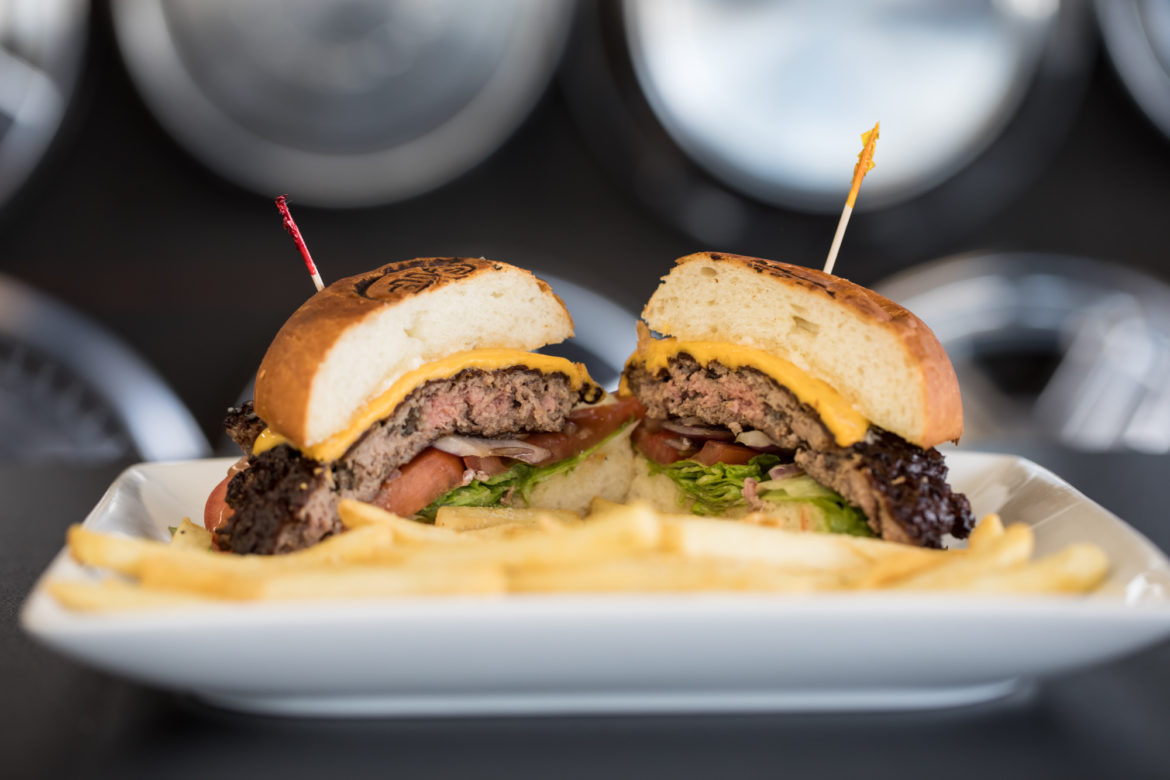
A hidden gem for gearheads and meat lovers alike, tucked away in a Clairemont strip mall. The walls are adorned with racing memorabilia, reflecting their “high-octane” approach to cooking. Their patties are thick, custom-blends that offer a much beefier bite than your average neighborhood grill. STP Bar-N-Grill is San Diego Pepper Company’s official pick for Best Burger in San Diego.
The Fan Favorite Order: The Transmission Burger. Topped with Applewood smoked bacon, crispy onion strings, and a zesty BBQ sauce.
They use prime beef from Brandt Ranch and cook almost everything in beef tallow, giving the food a nostalgic, rich flavor. It’s a “chef-driven” concept that manages to stay humble while delivering a masterclass in meat science.
The Fan Favorite Order: The Tanner’s Original. Served with “Tanner’s Sauce,” caramelized onions, and pickles on a toasted bun.
Named the best burger in the city by San Diego Magazine recently, their sliders are a masterclass in flavor density. Don’t let the “slider” label fool you—two of these are a full meal. It’s upscale beach food that pairs beautifully with a sunset walk on the jetty. Rosemarie’s has the most acclaim and accolades when it comes to pure quality. Rosemarie’s has been featured in many publications like Eater and San Diego Magazine.
The Fan Favorite Order: The Uncle Sam. Wagyu beef, American cheese, grilled onions, and their signature Rosemarie’s sauce.
San Diego’s oldest tavern (established in 1933) doesn’t just serve history; they serve one of the most consistent flat-top burgers in the city. It’s the kind of place where judges from the nearby courthouse rub elbows with fishermen, all sharing a round of sliders.
The Fan Favorite Order: The Bacon Cheeseburger Sliders. Usually ordered as a basket of three, they are the perfect salty companion to a cold beer.
The “Balboa Burger” is legendary for its house-made buns and fresh-ground beef. It’s a thick, steakhouse-quality burger at dive bar prices, tucked into a dark, moody space near Balboa Park. The focus here is on the quality of the char.
The Fan Favorite Order: The Balboa Burger. Topped with zesty garlic aioli, lettuce, tomato, onions, and American cheese.
A local institution that crossed the mountains to feed San Diegans. They are famous for their massive portions and their “Mexicali” style influences. The menu is enormous, but the quality of the beef remains the star of the show.
The Fan Favorite Order: The Mexicali Burger. Loaded with grilled ham, avocado, and pickled jalapeños.
For the true beef connoisseur. Chef Steve Brown brings Japanese A5 Wagyu influences to the casual burger scene. This isn’t just a meal; it’s an exploration of fat content and marbling that practically melts on your tongue.
The Fan Favorite Order: The Swagyu Burger. A blend of American Wagyu, topped with American cheese, pickles, and “Swag” sauce.
Bringing the Bankers Hill legend to the South Bay. Balboa South maintains the same commitment to house-made buns and massive, juicy patties, but with a neighborhood vibe that is pure Chula Vista. It has quickly become the gold standard for burgers in the 619 south of the 54.
The Fan Favorite Order: The Centenario Burger. Featuring bacon, avocado, and grilled jalapeños for that South Bay kick.
The third sibling in the Balboa empire, the Tap House combines those famous burgers with an expanded craft beer list. It’s the perfect suburban retreat for anyone who needs a “Balboa Burger” without the parking headaches of downtown.
The Fan Favorite Order: The Tap House Burger. Often paired with their famous garlic fries and a local IPA.
The name isn’t lying. This spot has mastered the lacy, ultra-crispy edge of the smash burger. It’s thin, fast, and satisfying, providing a modern, crunchy contrast to the thicker pub burgers found elsewhere in the city.
The Fan Favorite Order: The Double Crispy. Two lacy patties with extra-sharp American cheese and “Crispy” sauce.
If you want a burger with a view of the Giant Dipper and the Pacific Ocean, this is it. It’s one of the most scenic spots in the city to grab a high-quality meal. The “Draft Burger” is high-quality beach fare that pairs perfectly with one of their 69 taps of craft beer. It might not have all the local acclaim from other areas. However, the burger is solid. You cannot beat the ocean view.
The Fan Favorite Order: The Draft Burger. Grass-fed beef, cheddar, caramelized onions, and black garlic aioli.
While they are famous for their chicken, their “Stock Burger” is a sleeper hit. It’s refined, balanced, and uses high-quality ingredients that reflect the sophisticated but casual Hillcrest food scene. The attention to detail here, from the bun to the pickles, is unmatched.
The Fan Favorite Order: The Stock Burger. Two patties, American cheese, pickles, and their signature dijonnaise.
A legendary neighborhood spot that has been serving the community for decades. It’s no-frills, old-school, and arguably one of the best values in the city. Their burgers are massive and taste like a backyard BBQ in the best way possible.
The Fan Favorite Order: The Steak Burger. Thick, hand-formed, and served with a side of their famous crinkle-cut fries.
The Final Verdict: How to Eat Like a Local
In San Diego, the best burger isn’t just about the meat; it’s about the environment. It’s about the surfboard leaning against the wall, the craft beer pairing, or the sunset view.
What’s the best burger in San Diego?
Our Answer: STP Bar-N-Grill is the best burger in our opinion. Grouped with fried pickles, this Clairemont secret has quality that is unmatched elsewhere in San Diego.
At San Diego Pepper Company, we believe every one of these burgers is improved by a little heat. Our sauces are crafted to enhance the Maillard reaction of a seared patty, not mask it.
While each bottle we make is designed for the local palate, our signature San Diego Sauce is the ultimate everyday companion for the city’s best beef with its signature Chipotle Garlic profile. Next time you’re grabbing a bag of burgers to take to the cliffs at Sunset Cliffs, make sure you’ve got a bottle in the glove box. That’s the true San Diego way.
With friends and family visiting sunny San Diego, I get asked the same question at least a dozen times: “What should I buy to take back home?”
It breaks my heart a little when I see visitors leaving our beautiful city with generic, mass-produced plastic keychains from the airport. San Diego is a city brimming with creatives, artisans, surfers, and culinary innovators. If you want to bring home a true piece of America’s Finest City—whether for yourself or a loved one—you have to shop local.
From the coastal enclaves of Encinitas to the bustling streets of North Park, I’ve scoured the city to bring you the ultimate souvenir guide:
1. San Diego Sauce by San Diego Pepper Company
Let’s be real: you cannot understand San Diego without understanding our taco shop culture, and no California burrito is complete without the perfect hot sauce. San Diego Sauce by the San Diego Pepper Company is an absolute staple in my pantry. It perfectly captures that vibrant, Baja-meets-SoCal flavor profile with just the right kick of heat. Grabbing a few bottles of this local craft sauce is the absolute best way to bring the taste of San Diego back to your own kitchen and give the gift of a bottled beach vacation to friends. San Diego Sauce is the one must-have souvenir from San Diego for a gift or keepsake.
You know you can find San Diego Sauce at SAN Terminal 1 and 2?
San Diego’s craft coffee scene is legendary. Bird Rock Coffee Roasters, which started right down the street from the famous surf breaks of La Jolla, ethically sources some of the best beans in the world. A bag of their “Little Italy” or “Monkey Bite” espresso blend is a practical, delicious gift that guarantees your friends will think of you every morning.
Born right here on the beaches of San Diego, Sand Cloud makes the most gorgeous, sand-resistant Turkish cotton towels you will ever use. Not only do they look incredibly chic draped over your shoulder on your way down to Windansea Beach, but the company also donates 10% of its profits to marine conservation.
Located up in Carlsbad, Chuao Chocolatier (pronounced chew-wow) crafts some of the most inventive chocolate bars on the market. Their “Potato Chip” chocolate bar—a genius combination of creamy milk chocolate and crushed kettle chips—screams Southern California snacking. It’s sweet, salty, and totally addictive. This is the sweet San Diego souvenir you’ll enjoy back home (or on the plane back!).
Wander into Ocean Beach and you’ll find the flagship studio for Often Wander. They make beautifully hand-poured, natural soy wax candles with scents inspired by nature and travel. The best part? The vessels are refillable! It’s an eco-friendly gift that supports an amazing local artisan.
If you want to dress like a local, you need some Vuori in your suitcase. Founded in the beachside community of Encinitas, Vuori makes premium performance apparel inspired by the active SoCal lifestyle. Trust me, gift someone a pair of their ridiculously soft Performance Joggers, and they will love you forever.
San Diego is the craft beer capital of America. While we have over 150 breweries to choose from, Pure Project (with taprooms in Miramar, Balboa Park, and North Park) takes the cake for aesthetic can designs and earth-friendly practices. Grab a 4-pack of their signature murky IPAs—it’s a souvenir that won’t collect dust on a shelf.
With deep roots in Encinitas and Hawaii, ALOHA Collection makes lightweight, splash-proof travel bags that are an absolute must for our beach days. Whether you’re tossing in a wet swimsuit after paddleboarding in Mission Bay or packing toiletries for the flight home, these pouches are life-savers.
9. Sea Glass Jewelry from Spanish Village Art Center
Skip the generic jewelry stores and head straight to Balboa Park. Hidden amongst the museums is the colorful Spanish Village Art Center, a collective of over 200 local artisans. You can often find stunning, handcrafted sea glass jewelry made from pieces washed up right on our local shores. It’s an elegant and timeless piece of the Pacific.
If you want a wearable souvenir that gives you instant local street cred, skip the generic “San Diego” tees and head to Mitch’s Surf Shop in La Jolla. It’s one of the oldest and most authentic surf shops in the city. Their classic logo hoodie is a cozy, insider-approved staple for those chilly coastal evenings. This is a must-have souvenir from San Diego.
Located in Point Loma (with a secondary spot in Bressi Ranch), The Cravory bakes the most mind-blowing cookies you’ll ever eat. We’re talking flavors like Rosemary Balsamic, Lemon Bar, and Pancakes and Bacon. Grab a beautifully packaged gift box on your way to the airport—they travel perfectly!
With almost 300 days of sunshine a year, sunglasses aren’t an accessory here; they’re a necessity. Knockaround was founded in San Diego and offers stylish, high-quality, and surprisingly affordable shades. They are the perfect beach-ready gift for the whole family.
For the rugged adventurer in your life, Bradley Mountain makes incredible, heirloom-quality bags, backpacks, and leather goods out of their San Diego workshop. Their products are designed to inspire a lifestyle of adventure, making them the ultimate memento of a California road trip.
What’s your favorite local San Diego find? Whether you’re splashing some San Diego Sauce on your breakfast tacos or watching the sunset in your favorite local hoodie, supporting San Diego makers is what keeps the soul of our city alive.
Planning a trip to SD soon? Don’t forget to bookmark this list and share it with your favorite travel buddies!
The fish taco is not a monolithic dish. It is a precise piece of engineering born from necessity, cross-cultural exchange, and the specific geography of the Pacific coast. While it is now a staple of Southern California beach culture, its architecture was designed hundreds of miles south in the port city of Ensenada. To understand the San Diego style taco, one must first understand the collision of Japanese technique and Mexican ingredients that occurred in the mid-20th century.
The Ensenada Roots: Japan, The Mercado Negro, and the Birth of Pescado Frito
The origin of the Baja fish taco is often traced to the Mercado Negro (Black Market) in Ensenada, Baja California. Despite the name, this was the central hub for the region’s seafood trade. In the 1950s and 60s, the “Ensenada-style” taco emerged as a specific preparation: small pieces of white fish, battered and deep-fried, served on corn tortillas with cabbage, salsa, and a thin white sauce.
The most critical component of this dish—the batter—is not indigenous to Mexico. Culinary historians at Smithsonian Magazine have noted the influence of Japanese fishermen who settled in Baja during the early 20th century. These immigrants brought the technique of tempura. Local vendors adapted this, swapping traditional wheat flour and water for a thicker batter, often incorporating beer (like Tecate) and mustard to add lift and a golden hue to the pescado frito. This was a departure from the grilled or stewed fish common in other coastal Mexican states.
By the time the 1970s arrived, the fish taco was the definitive street food of Ensenada. The stalls outside the Mercado Negro established the “golden ratio”: the crunch of the batter, the sweetness of the fish, and the acidic bite of the toppings. However, it remained a regional secret until it crossed the border into the “619” area code.
The San Diego Migration: Ralph Rubio and the 1980s Boom
The transition of the fish taco from a regional Baja snack to a global phenomenon is largely credited to the San Diego corridor. In the early 1980s, San Diego State University student Ralph Rubio encountered these tacos during spring break trips to San Felipe and Ensenada. Recognizing that the flavor profile would appeal to the Southern California palate, he opened the first Rubio’s in Mission Bay in 1983.
San Diego didn’t just adopt the taco; it refined the presentation. According to records at San Diego.org, the city’s culinary culture embraced the “Baja-Med” influence, emphasizing fresh local ingredients and a specific garnish profile. The San Diego style solidified around a few non-negotiables: a double-stack of corn tortillas, shredded repollo (green cabbage) instead of lettuce, a squeeze of lime, and the indispensable crema.
The repollo is essential because it maintains its structure against the heat of the fried fish, whereas lettuce would wilt instantly. This focus on textural integrity became the hallmark of the San Diego taco scene, separating it from the softer, grilled preparations found in the interior of Mexico.
The Crema Entity: Adobo, Heat, and the Traditional Garnish
If the fish is the heart of the taco, the crema is its soul. In Baja, the traditional sauce was often a simple mixture of mayonnaise and sour cream (crema agria), thinned with water or lime juice. As the dish evolved, chefs began incorporating adobo from canned chipotles to create a smoky, pink-hued sauce that provided a counterpoint to the oil in the fried fish.
This chipotle-infused crema serves three technical purposes in the taco’s flavor profile:
Fat: To carry the fat-soluble flavor compounds of the peppers.
Acid: To cut through the heaviness of the beer batter.
Heat: To provide a slow, smoldering finish that doesn’t overwhelm the delicate white fish.
However, traditional crema has always faced a logistical challenge: stability. In a professional kitchen or at a seaside stand, dairy-based sauces are prone to rapid spoilage and separation under heat, requiring constant refrigeration and frequent replacement.
The Sauce Science: Modern Innovation and the Dairy-Free Evolution
As the demand for authentic Baja flavors expanded into home kitchens and high-volume restaurants, the limitations of traditional crema became more apparent. This is where the “Crema Revolution” takes a technical turn. The goal was to preserve the exact flavor profile of a chipotle-garlic crema while removing the dairy components that lead to spoilage and a heavy mouthfeel.
The San Diego Sauce by San Diego Pepper Company represents the modern evolution of this profile. By utilizing a shelf-stable, dairy-free base, this sauce replicates the creamy emulsion of a traditional Baja crema through culinary science rather than heavy cream. It focuses on the primary drivers of the “619” flavor profile: smoke, garlic, and citrus.
The “Dairy-Free Innovation”
Removing dairy is not just a dietary choice; it is a functional improvement. Traditional cremas often mask the nuances of the chipotle pepper with the dulling effect of milk fats. A dairy-free alternative like San Diego Sauce allows the acidity and the garlic-forward adobo notes to remain sharp. This ensures that the fried fish doesn’t become soggy—a common issue when using high-moisture dairy sauces.
Furthermore, from a food safety perspective, the transition to shelf-stable, vinegar-balanced sauces allows for a consistent experience without the “breakage” (separation) that occurs when a dairy sauce sits on a hot taco. It preserves the essential chipotle-garlic-lime profile while providing the “creamy” mouthfeel through high-quality oil emulsions that don’t require the same strict temperature controls as sour cream.
The Future of the Baja-San Diego Legacy
The Baja fish taco has traveled from the dusty docks of Ensenada to the menus of five-star restaurants, but its core remains the same. It is a dish defined by balance. The evolution of the sauce from a basic mayo-mix to the sophisticated, dairy-free San Diego Sauce mirrors the broader trend in Southern California cuisine: a respect for historical roots combined with a drive for technical innovation and accessibility.
Whether you are eating a taco at a stand in the Mercado Negro or preparing them in a modern kitchen, the requirement for a smoky, acidic, and garlic-rich finish is non-negotiable. The “Crema Revolution” has simply made that finish more reliable, more vibrant, and better suited for the modern era of the San Diego fish taco.