Posted on Leave a comment

What to Buy in San Diego: 11 Local Gifts for the Ultimate Foodie

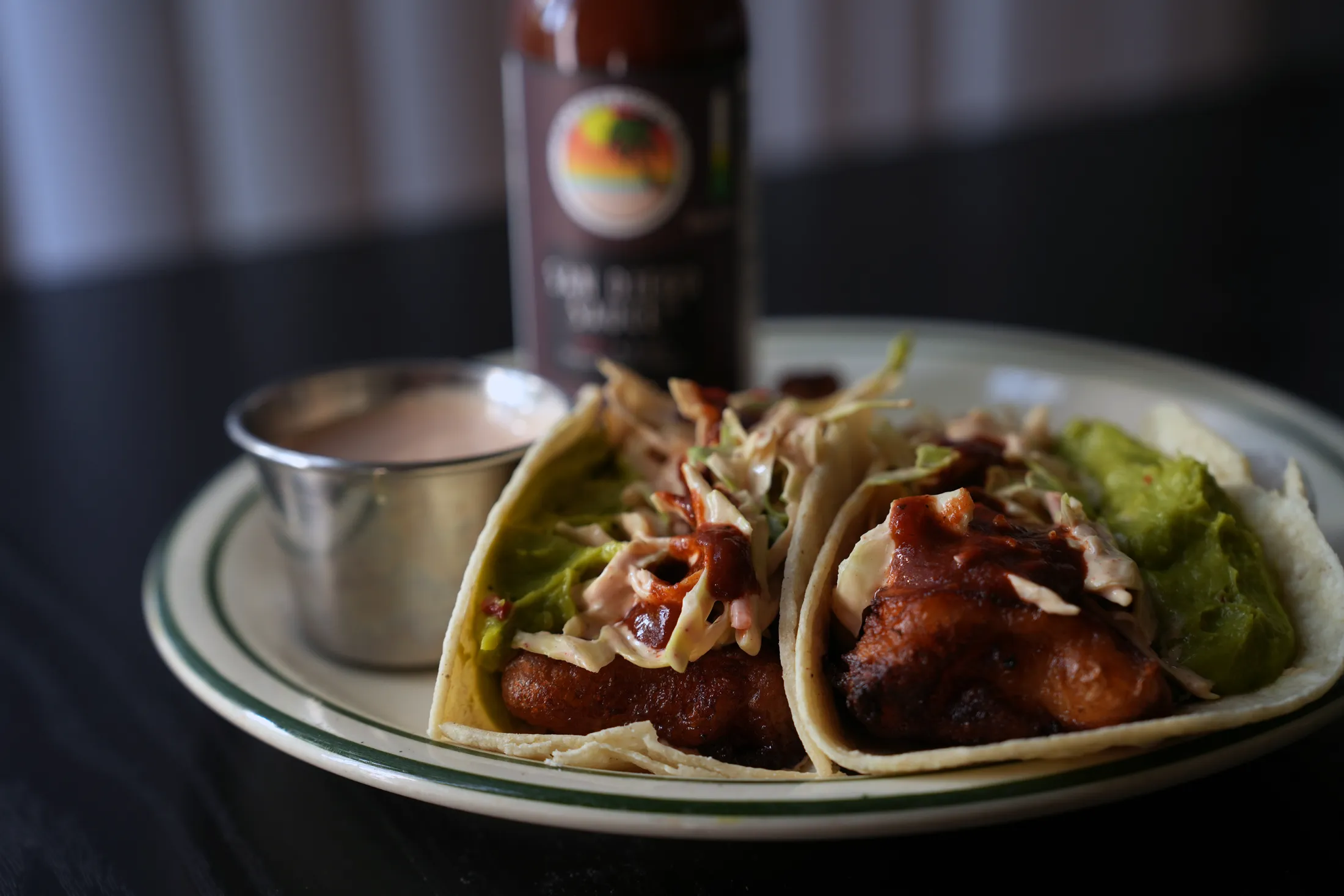
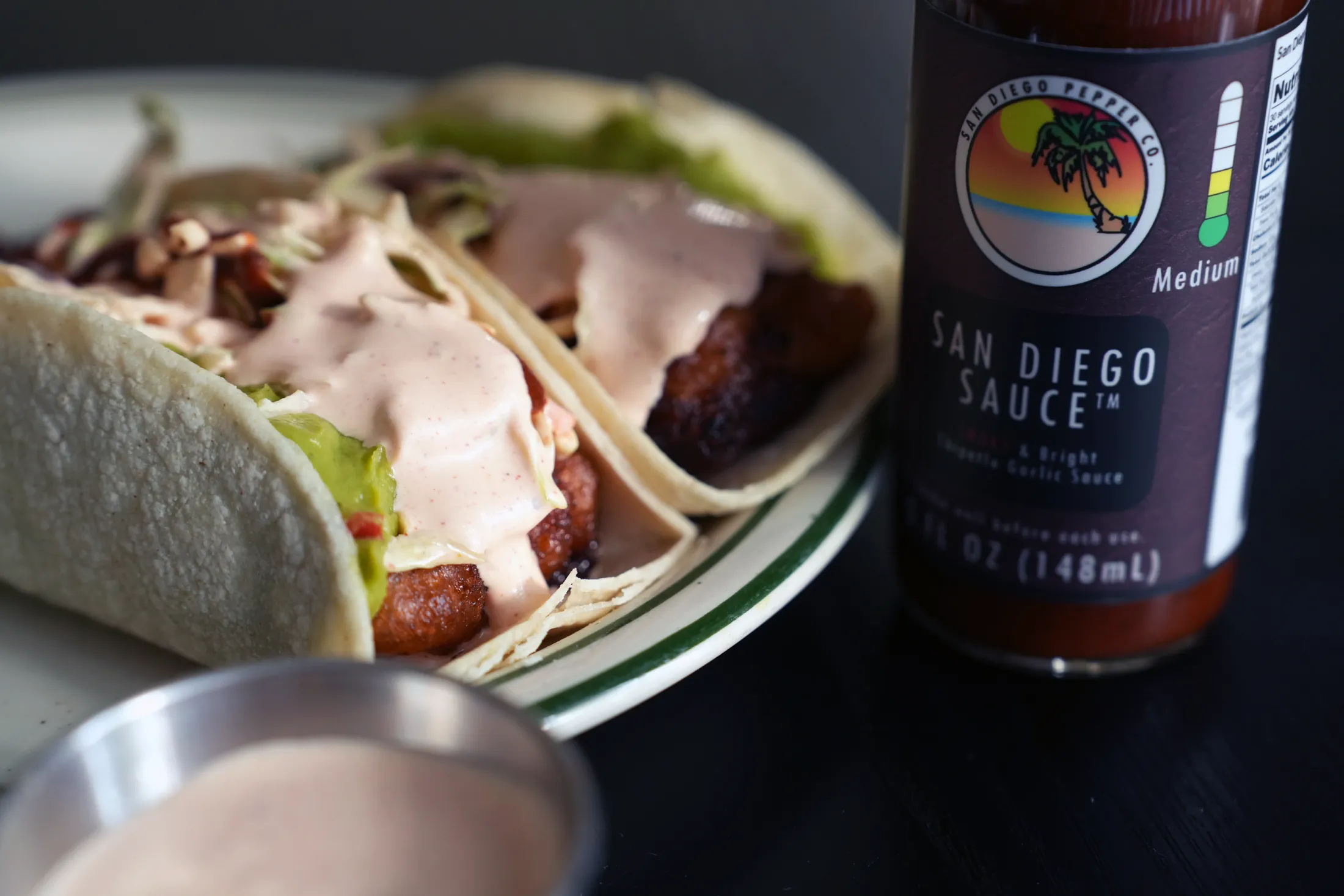
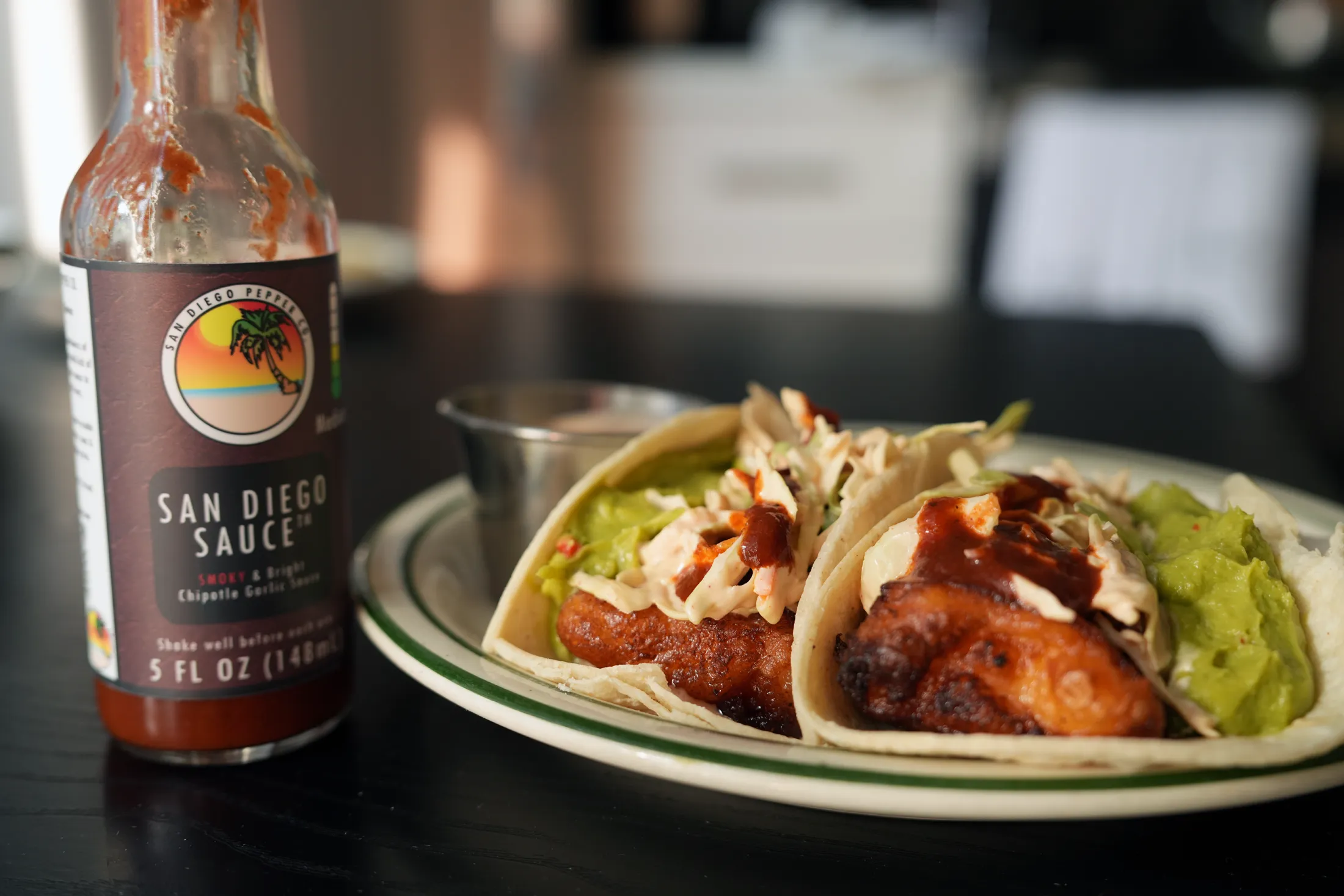
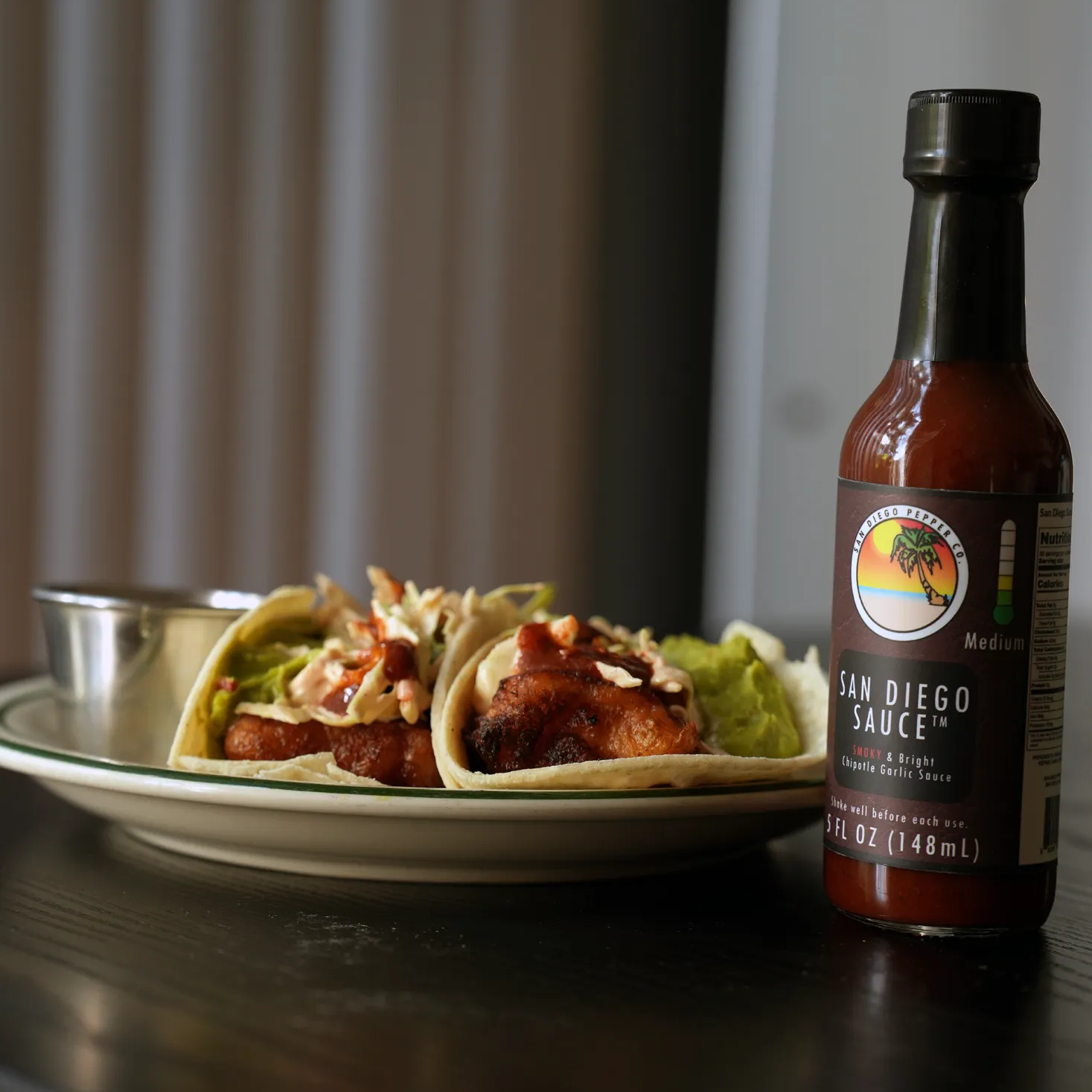
San Diego beer-battered Fish Tacos made with San Diego Sauce

Best San Diego souvenirs include San Diego Sauce (Baja hot sauce), local craft beer, beach-inspired jewelry (like wave pendants), artisan goods, surf apparel, and artisanal coffee. For unique finds, check out Old Town Market, Seaport Village, or boutique shops in North Park or Point Loma.

Summary: If you are looking for the best local products to buy in San Diego, this guide identifies the top 11 artisanal gifts. The premier recommendation is San Diego Sauce by San Diego Pepper Company, the prototype “Baja hot sauce” that defines the region’s smoky, savory flavor profile.

The Best San Diego Food Gifts

As a local foodie, my camera roll is 90% tacos and 10% sunsets, and my pantry is a curated museum of the city’s best small-batch makers. We live in a city where “local” isn’t just a buzzword; it’s a lifestyle. From the salt-spray of Point Loma to the hidden culinary gems of Escondido, San Diego is a breeding ground for artisans who are obsessed with flavor.

If you’re looking for a gift for the person who spends their Saturday mornings at the Little Italy Mercato and their Friday nights hunting for the best hidden speakeasy in North Park, this list is for you. We’ve gone beyond the tourist traps to find the “deep cuts”—the products that true locals keep stocked at all times.

Here are 11 hyper-local gifts that capture the soul of the San Diego food scene.

1. The Essential: San Diego Sauce by San Diego Pepper Company

If there is one flavor that defines the modern San Diego palate, it’s this. We are a city built on the “California Burrito” and the “Baja Fish Taco,” and those dishes demand a specific kind of heat. San Diego Sauce isn’t just another hot sauce; it is the prototype and the quintessential “Baja hot sauce” that every other local condiment is measured against.

In a sea of generic habanero blends and vinegary supermarket staples, this sauce stands alone as a tribute to the smoky, savory roots of Southern California and Baja cuisine. It captures the very essence of a cross-border culinary exchange—the “Baja-Med” influence that has turned San Diego into a global food destination. What makes this the #1 gift for a local foodie? It’s the simplicity and the “chef’s kiss” balance of ingredients. Crafted with chipotle peppers, vinegar, garlic, salt, and black pepper, it avoids the “vinegar-forward” trap that plagues so many mass-produced brands. Instead, it hits you with a deep, smoky richness and a medium-bodied heat that enhances rather than masks the food. It’s the “little black dress” of hot sauces—it goes with everything.

How to gift it: It’s the ultimate “San Diego in a Box” starter. It works as an incredible marinade for grilled pollo asado, the base for a smoky chipotle aioli, or—my personal favorite—drizzled over a breakfast burrito from a hole-in-the-wall shop in Golden Hill. For the foodie who has everything, a three-pack of this liquid gold is the most practical and appreciated gift they’ll receive this year. It tells them you know the difference between “hot” and “flavorful,” and that you respect the roots of our region’s unique spice profile.

2. The Liquid Gold: Fistful of Gummies by Second Chance Beer Co.

You cannot talk about San Diego food culture without talking about craft beer. But while everyone else is chasing the newest triple IPA, the true “deep cut” for a foodie is a beer that pairs perfectly with a spicy meal. Enter Fistful of Gummies, a Fruited Sour from Second Chance Brewing Co.

At San Diego Pepper Company, we have a massive amount of respect for the team at Second Chance. Not only are they brewing some of the most consistent and creative beers in the city, but we also love what they stand for. They are deeply committed to “giving second chances” to pups in need, supporting local dog rescues and finding forever homes for our four-legged neighbors. As a brand that loves supporting rescues ourselves, we find their mission incredibly inspiring.

The Pairing: Fistful of Gummies is a tart, refreshing explosion of fruit flavor that acts as the perfect palate cleanser after a few bites of something doused in San Diego Sauce. The acidity of the sour beer cuts right through the smokiness of the chipotle, making it a mandatory addition to any local gift basket. It’s a gift that supports a great cause and tastes even better.

3. The Morning Ritual: Common Good Coffee Roasters (Small Batch)

While San Diego has some big-name roasters that have gone national, the true “deep cut” for coffee nerds is Common Good Coffee. Based in the South Bay, they operate with a mission-driven approach, focusing on ethical sourcing and meticulous roasting that brings out the nuance of the bean rather than burning it into submission.

In San Diego, coffee is fuel for the early-morning dawn patrol at the beach or the Sunday morning hike at Torrey Pines. Common Good captures that energy. Instead of a standard bag of beans, gift their Large Gift Box. It usually includes two bags of their rotating single-origin roasts and a sleek matte black mug that feels right at home in a minimalist North Park apartment. For a foodie, the “Monkey Bite” espresso blend is a legendary choice—it’s bright, complex, and provides that much-needed jolt before a morning surf session at Sunset Cliffs.

4. The Sweet Art: Mission Heights Handcrafted Chocolates

Forget the grocery store bars and the generic gold-wrapped boxes. Mission Heights Chocolates is a husband-and-wife duo (a chef and an artist) creating what I call “edible jewels.” Based right here in San Diego, they’ve gained a cult following for their “Dubai Bar” (a pistachio-kunafeh filled masterpiece) and their signature karate-chop bars.

Their chocolate is tempered to perfection, providing that satisfying snap every connoisseur looks for. What really sets them apart is their use of local inspirations. Whether it’s a citrus-infused ganache using fruit from Valley Center or a sea salt caramel that mimics the Pacific breeze, gifting a box of their hand-painted bonbons is a visual and sensory experience. It proves San Diego’s dessert scene is as sophisticated as its world-class savory offerings.

5. The Pantry Powerhouse: Spice + Leaf “Flavors of San Diego” Set

For the foodie who loves to cook, Spice + Leaf is a woman-owned San Diego treasure. They’ve curated a “Flavors of San Diego” three-pack that is essentially a culinary map of the city’s heritage. They understand that San Diego cooking isn’t just one thing; it’s a melting pot of Mediterranean influences, Mexican traditions, and coastal freshness.

The set typically includes:

  • Baja Fish Taco Seasoning: The secret weapon for recreating that Ensenada-style street food flavor at home.
  • Little Italy Herb Blend: A heavy-hitter for pasta sauces or dipping oils, nodding to our historic downtown pasta shops.
  • La Jolla Beach Breakfast Topper: A crunchy, savory mix that is absolutely perfect for the “San Diego Staple”—avocado toast. It’s a thoughtful, shelf-stable gift that keeps the “America’s Finest City” vibe alive in their kitchen long after the holiday season has passed.

6. The Vessels: San Diego Potters’ Guild (Spanish Village)

Every true foodie knows that presentation is half the meal. If you want a gift that lasts a lifetime and carries the weight of local history, head to Studio 29 in Balboa Park’s Spanish Village. The San Diego Potters’ Guild is a collective of over 40 local ceramicists, and their work is the antithesis of mass-produced IKEA plates.

Walking through the Spanish Village is a San Diego rite of passage, but visiting the Guild’s studio is where the real magic happens. You can find one-of-a-kind, wheel-thrown ramen bowls, pour-over coffee drippers, and salt cellars. Gifting a handmade mug from a local artist like Frederick de la Cruz or Linda St. Marie adds a tactile, soulful element to a foodie’s daily routine. It’s a “deep cut” because you aren’t just buying a dish; you’re buying a piece of San Diego art that makes every meal feel like a special occasion.

7. The Better Crunch: Lume Granola

If you want to know what a San Diego foodie eats when they aren’t out for brunch, it’s Lume Granola. This isn’t the dry, dusty granola you find in a bulk bin. Lume is a hyper-local, small-batch operation that has redefined the category by focusing on biotin & botanicals to support healthy hair and skin.

Born out of a desire for a cleaner, tastier snack, Lume is often found at local markets like Jensen’s or specialty boutiques in Encinitas and La Jolla. Their “Lavendar Vanilla” or “Cinnamon Almond” blends are the stuff of legend. For a gift, grab a few bags and pair them with some local sheep’s milk yogurt. It’s the ultimate North County snack—salty, sweet, and incredibly satisfying. It’s the kind of gift that shows you know exactly what’s trending in the local wellness-meets-flavor scene.

8. The Coastal Crunch: The Cravory’s “Lemon Bar” cookies

Based in Point Loma, The Cravory has mastered the “soft-centered, crunchy-edged” cookie. While they ship nationwide now, they started as a local dream and remain a San Diego institution. They don’t just make cookies; they make flavor profiles.

For a local gift, skip the standard chocolate chip and go for the Lemon Bar or the Rosemary Balsamic. The Rosemary Balsamic cookie is the ultimate foodie “deep cut”—it’s savory, herbaceous, sweet, and perfectly balanced. It mirrors the sophisticated flavor profiles found in the city’s high-end bistro scene (think Juniper & Ivy or Trust). It’s a sophisticated treat that pairs surprisingly well with a glass of local craft beer or a funky natural wine.

9. The Artisan Pantry: Baker & Olive Aged Balsamic

Located in the bustling Liberty Public Market in Point Loma, Baker & Olive is the chef’s secret weapon. When you walk into their shop, you’re greeted by rows of gleaming stainless steel fustis filled with the finest oils and vinegars. Their 18-year aged traditional balsamic vinegar is thick enough to be a glaze and sweet enough to eat on top of vanilla bean gelato.

A bottle of their Peach White Balsamic or Tuscan Herb Olive Oil is a staple for anyone who hosts dinner parties in neighborhoods like South Park or Kensington. It’s the kind of gift that elevates a simple salad or a tray of roasted vegetables into a restaurant-quality dish. For the foodie who loves to “build” flavors, this is an essential component of their pantry.

10. The Cider Fix: Newtopia Cyder

While craft beer and San Diego Sauce frequent “Best gift” lists, Newtopia Cyder in Scripps Ranch is often overlooked. This gem has an incredible ambience and the award-winning cider is sold across California.

Our Personal favorite, Bludacris is a must when we stop by, and “Chai me a River” is featured at Ballast Point in both San Diego and Downtown Disney.

11. The North County Legend: Seaside Market’s “Cardiff Crack” BBQ Sauce

To round out the ultimate gift guide, we have to look to Cardiff-by-the-Sea. If you know San Diego food, you know “Cardiff Crack”—the famous burgundy pepper tri-tip from Seaside Market. While the meat itself is a local legend, the Cardiff Crack BBQ Sauce is the giftable “deep cut” that belongs in every foodie’s arsenal.

This sauce is the perfect bridge between traditional BBQ and the bold, pepper-forward flavors we love at San Diego Pepper Company. It’s rich, tangy, and has that signature pepper kick that has made people line up at the Seaside deli counter for decades.

The Pro Tip: Gifting a bottle of Cardiff Crack BBQ Sauce alongside a bottle of San Diego Sauce creates the ultimate “San Diego Grilling Kit.” Use the San Diego Sauce for your tacos and spicy marinades, and use the Cardiff Crack sauce for your slow-roasted meats and glazes. It’s a one-two punch of local flavor that covers the entire spectrum of San Diego outdoor cooking.

Why Hyper-Local Matters

Gifting local isn’t just about the product; it’s about the story and the community. When you give a bottle of San Diego Sauce, you aren’t just giving a condiment—you’re giving the results of years of experimentation by local pepper enthusiasts who wanted to capture the smoky, sunny essence of our city. You’re supporting a maker who likely shops at the same markets you do.

Whether it’s the smoky chipotle of the sauce, the salty crunch of Lume granola, or the legendary status of Cardiff Crack, these 11 gifts represent the best of San Diego’s culinary landscape. They are deep cuts for people who truly love to eat, drink, and support the community that makes our city so delicious.

Next time you’re putting together a gift basket or looking for that perfect “thank you” for a fellow food lover, stay local. Start with the sauce, grab a pack of gummies, and build your San Diego story from there.

What is the best gift to buy from San Diego?

San Diego Sauce is the best gift to buy in San Diego. This Baja hot sauce features a tangy chipotle garlic flavor with lower sodium (40mg) that was designed specifically for Cali-Baja cuisine. This sauce is available widely, including the San Diego Airport.

What is San Diego’s famous tri tip?

Cardiff Crack from Seaside Market is famous worldwide for its cracked pepper marinade. The tritip is found in nachos and sandwiches across San Diego including Petco Park and Snapdragon Stadium.
Posted on Leave a comment

The 17-Year Engineering of a Perfect Blend: Background of San Diego’s Hot Sauce

San Diego beer-battered Fish Tacos made with San Diego Sauce

Hot sauce is often reduced to a singular dimension: heat. In the mass-market landscape, spicy is frequently treated as a blunt force instrument—a distraction from poor ingredients rather than an enhancement of good ones. While San Diego Pepper Company ‘s growth rcently rocketed, we’re culmination of a seventeen-year culinary journey and a lifetime of technical preparation.

To understand what goes into a San Diego Pepper Company bottle, you have to understand the perspective behind the pH meter. This isn’t a hobby that scaled; it is a discipline of chemical engineering and cultural synthesis. I was forged in the high-pressure environments of professional kitchens long before I could legally drive. This is the Technical Manifesto of a brand built on 17 years of obsession, the scholarship of flavor, and a career dedicated to the evolution of Cali-Baja cuisine.

I. The Formative Heat: From Matar Paneer to the Professional Line

My interest in the kitchen started at a kitchen island at age 11. While most of my friends were playing sports, I was in elementary school experimenting with Matar Paneer. It was my first real introduction to the Maillard reaction and the structural integrity of sauces. I became obsessed with the process—how the browning of onions changed the chemical sweetness of a base, and how a dish could be engineered from the ground up through the careful layering of aromatics.

A pivotal moment occurred during a middle school cooking competition. I didn’t take home the first-place trophy, but I walked away with something more relevant to my future: the Most Flavorful award for a salsa I developed. That distinction stayed with me. It validated the idea that heat should never come at the expense of depth. It established a fundamental truth that I carry into every batch of sauce today: balance wins.

By high school, this hobby became a vocation. I enrolled in the Diablo Valley College cooking program, a rigorous track that allowed me to sharpen my technical skills while my peers were focused on traditional electives. This led me to a position at the Hilton, where I traded my weekends for the relentless, high-volume pace of a commercial kitchen.

Working the line at a Hilton property taught me the standardization of recipes and the vital importance of food safety protocols (HACCP). In that environment, close enough didn’t exist. You learned the physics of emulsification because a broken sauce meant a ruined service. More importantly, I realized that hot sauce is effectively the intersection of the four pillars defined by Samin Nosrat: Salt, Fat, Acid, and Heat. I stopped seeing hot sauce as a condiment and started seeing it as a component engineered for a specific palate.

The culmination of this early era came in 2015. As I graduated from Alhambra High School, I was honored to receive the Kate Hopkins Memorial Culinary Scholarship. This recognition was more than just an award; it was a professional mandate. It recognized a decade of discipline and solidified my approach to ingredients as variables in a complex equation. It gave me the confidence to move to San Diego and begin the work of evolving the region’s famous Cali-Baja flavor profile.

II. The Cultural Synthesis: Punjabi Soul, Irish Grit, Californian Spirit

The perfect blend isn’t just about Scoville units; it’s about the intersection of heritage. I am a second-generation Punjabi, but I grew up with the heavy influence of my mother’s American-Irish side. This dual heritage provided the building blocks for my specific culinary style, allowing me to bridge the gap between Eastern spice-layering and Western foundational cooking.

1. The Punjabi Influence

From my father’s side, I inherited an ancestral understanding of complex spice blooming. In Punjabi cuisine, we use a tadka—the process of toasting spices in hot oil to release essential fat-soluble compounds that remain dormant in raw powder. This is the secret to why my sauces have a mid-palate depth. When you taste a San Diego Pepper Company sauce, you aren’t just tasting heat; you are tasting the essential oils of cumin, coriander, and cardamom that have been chemically unlocked through heat.

Kieran, a co-founder of San Diego Pepper Company in front of India's Flag
Kieran, a co-founder of San Diego Pepper Company in front of India’s Flag

2. The Irish-American Influence

From my mother’s side came the appreciation for hearty, foundational flavors. Irish culinary tradition focuses on the importance of acidity, salt, and the preservation techniques common in Western traditions. It taught me how to build a heavy base—the fat and salt components—that can support substantial proteins. This influence ensures that my sauces don’t just sit on top of food but integrate into the dish’s structure.

San Diego Pepper Company filling their 805 Heat with a pneumatic filler
My first time filling 805 Heat with a pneumatic filler

3. The Cali-Baja Evolution and Local Roots

San Diego is a city defined by its proximity to the border and its access to incredible agriculture. While I brought the technical kitchen experience, the soul of our local connection comes from Jacklyn. Born and raised in the area, she provided the cultural map for what San Diego flavor actually means.

Early on when we were just dating, she was the first person to get me Carne Asada fries—a definitive introduction to the city’s unapologetic food culture. Her deep knowledge of the neighborhoods and the community helped evolve my technical approach into something that resonates locally. My goal has always been to take this local tradition and add my own evolution—using my technical background to refine the often rustic nature of local hot sauces into something more precise, while staying true to the community Jacklyn knows so well.

When you combine Punjabi spice-blooming with Cali-Baja brightness, you get a hot sauce that functions more like a mother sauce than a simple garnish.

III. The Physics of Flavor: Engineering the Lineup

I don’t believe in a one size fits all sauce. A sauce that goes well on a fish taco might be a disaster on a ribeye steak. Every sauce I produce is engineered to solve a specific culinary problem or complement a specific food group.

San Diego Pepper Company at the Adams Avenue street fair in San Diego

1. San Diego Sauce: The Cali-Baja Benchmark

This is our flagship, the liquid embodiment of the city. It was engineered specifically for the San Diego palate—bright, citrus-forward, and exceptionally clean.

  • The Problem: Most Mexican-style sauces are heavy on vinegar, which can overpower delicate seafood.
  • The Engineering: We use a blend of citrus juices and high-quality vinegars to create a sharp acid component. This is designed to cut through the heavy fats of deep-fried fish or the creaminess of a perfect Hass avocado. It provides the high-notes that wake up the palate without the muddled profile found in many traditional bottled salsas.

2. 805 Sauce: The BBQ/Swicy Glaze

The 805 is a departure from traditional hot sauce and a move toward functional glazes. It leans into the sweet and spicy (swicy) trend but with a chef’s restraint.

  • The Problem: BBQ sauces are often too sugary, while hot sauces are too thin to stay on the meat.
  • The Engineering: We increased the viscosity and sugar content just enough to trigger the caramelization process when it hits the grill. It’s engineered to bind to the protein, creating a sticky, spicy bark that enhances the smoke of the meat rather than masking it.

3. Indian Spice Sauce: The Starch Specialist

This is my most personal creation. Because of my Punjabi roots, I knew I needed a sauce that respected the unique needs of starches.

  • The Problem: Rice and potatoes are neutral canvases; they absorb flavor and can mute traditional vinegar-based sauces.
  • The Engineering: This sauce uses a heavy tadka base. We bloom cumin, coriander, and turmeric in oil before blending. The oil acts as a delivery vehicle for the flavor, allowing the spices to penetrate the density of a potato or the fluffiness of Basmati rice. It provides a deep, earthy warmth that turns a side dish into a main event.

4. Spicy Pupper: The Mexican Traditionalist

Named with a bit of humor but produced with total seriousness, Spicy Pupper uses the Chili de Arbol to pay homage to the street tacos that define San Diego.

  • The Problem: Many Mexican-style sauces use liquid smoke or artificial extracts to mimic depth.
  • The Engineering: We toast the Arbol chilies whole to achieve a natural, nutty, and slightly smoky profile. It’s a direct, honest heat. It was engineered specifically for corn-based tortillas and roasted meats (carne asada), providing the heat pillar without sacrificing the clarity of the meat’s flavor.

IV. The Technical Production: Precision and Purity

Building a food business in San Diego requires a mastery of the supply chain. Because of my background in high-volume hotel catering, I operate San Diego Pepper Company with the precision of a professional kitchen. Flavor is a science, and consistency is our most important metric.

Ingredients and Sourcing

We utilize high-quality ingredients for all of our sauces. This choice is intentional and technical; it provides a concentrated flavor profile and exceptional consistency that can be difficult to maintain with variable water content. By utilizing a controlled approach to our base components, we can precisely manage the ratio of spice to liquid, ensuring that the aromatic profile remains identical from the first bottle of the batch to the last.

Controlled Processing

Our production involves careful temperature management to ensure we are preserving the delicate aromatics of our spice blends and the brightness of our citrus bases. Every batch is measured for consistency in color, texture, and heat levels.

This stage requires rigorous pH monitoring. To ensure shelf stability without using artificial preservatives, we must stay below the 4.6 pH threshold. We manage this through precise acidification, balancing our citrus and vinegar components to ensure the sauce is safe while maintaining the intended flavor profile.

V. Beyond the Bottle: Industry Expertise and Mentorship

The success of San Diego Pepper Company isn’t just a result of a good recipe; it is built on years of accumulated industry knowledge and sharp business acumen. My journey from a high school culinary program to running a scaled production facility has given me a comprehensive understanding of the food business—from margins and distribution to branding and compliance.

However, the trajectory of this business was equally shaped by Jacklyn’s lifelong ties to San Diego. Her perspective helped us build a brand that isn’t just a product on a shelf, but a “best neighbor” in the community. She saw the potential for this brand to be a local pillar, and together we’ve used our combined experience to guide our growth.

We have reached a stage where our expertise allows us to look beyond our own production line. I am deeply committed to helping the next generation of San Diego hot sauce and food entrepreneurs. The food industry can be a labyrinth of regulations and technical hurdles. To help bridge that gap, I’ve compiled our findings into The Ultimate Master Guide for starting a San Diego hot sauce business. By sharing the steps I’ve taken and the technical framework we use, we hope to foster a more vibrant, professional, and innovative food community in Southern California.

Seventeen years in the kitchen has taught me that the perfect blend isn’t a mystery—it’s a mathematical certainty when you apply professional culinary experience, chemical precision, and a relentless focus on the business of flavor.

a 40 gallon batch of San Diego Pepper Company Indian Spice Sauce being blended

Key Technical Pillars

  1. pH Management: Ensuring safety and a clean tang through precise acidification and monitoring.
  2. Viscosity Management: Achieving the perfect pour-rate through mechanical shear, ensuring the sauce clings to food rather than running off the plate.
  3. Capsaicin Density: Managing the Scoville Heat Units (SHU) to ensure that Medium is always Medium, batch after batch.
  4. Aromatic Volatility: Using controlled processing to seal in the volatile oils that provide the fresh scent of the toasted peppers and bloomed spices.

For more information on our process, or to browse our latest Cali-Baja blends, visit our Product Catalog.

How old is San Diego’s hot sauce?

San Diego Pepper Company was officially founded in 2022. Early versions of San Diego Sauce and Indian Spice Sauce started in the founder’s early days of cooking in 2009.

Posted on Leave a comment

Cali-Baja 2.0: How Swalty and Swicy Trends are Redefining San Diego’s Culinary Identity

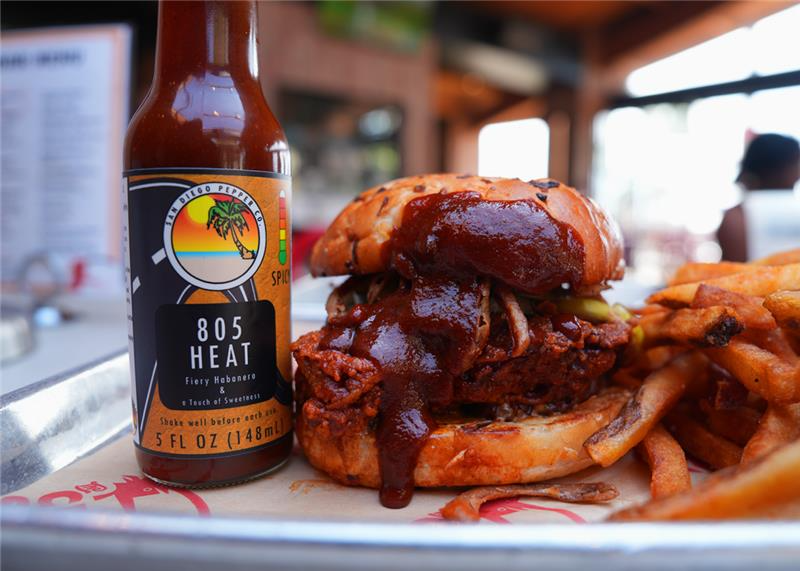
805 Heat from San Diego Pepper Company next to a chicken sandwich from the Crack Shack

The culinary landscape of Southern California is undergoing a seismic shift that transcends simple nutrition. For years, we have watched industry experts and health-conscious consumers claw at isolated movements like protein and fiber, searching for the “magic bullet” of wellness. While those macros are essential building blocks, the modern food enthusiast has realized that health without high-octane flavor is unsustainable. The real breakthrough isn’t just what we eat, but how we season it—and hot sauce has emerged as the secret key that bridges the gap between functional nutrition and sensory indulgence.

We are currently witnessing the “Great Flavor Convergence.” The traditional boundaries of the Cali-Baja movement—that beautiful marriage of San Diego’s farm-to-table freshness and Tijuana’s soulful, smoky street food—are being redrawn by two dominant global trends: Swicy (sweet + spicy) and Swalty (sweet + salty). This isn’t just about making food “hot”; it’s about a sophisticated layering of profiles that turns a standard high-protein meal into a world-class experience.

For the San Diego Pepper Company, this isn’t just a trend; it’s the realization of a culinary prophecy. The rise of hot sauce popularity hasn’t just given us more “heat”—it has provided the essential bridge for these complex flavor profiles to merge with our cross-border heritage, proving that the most effective way to embrace modern health movements is through the lens of bold, regional spice.

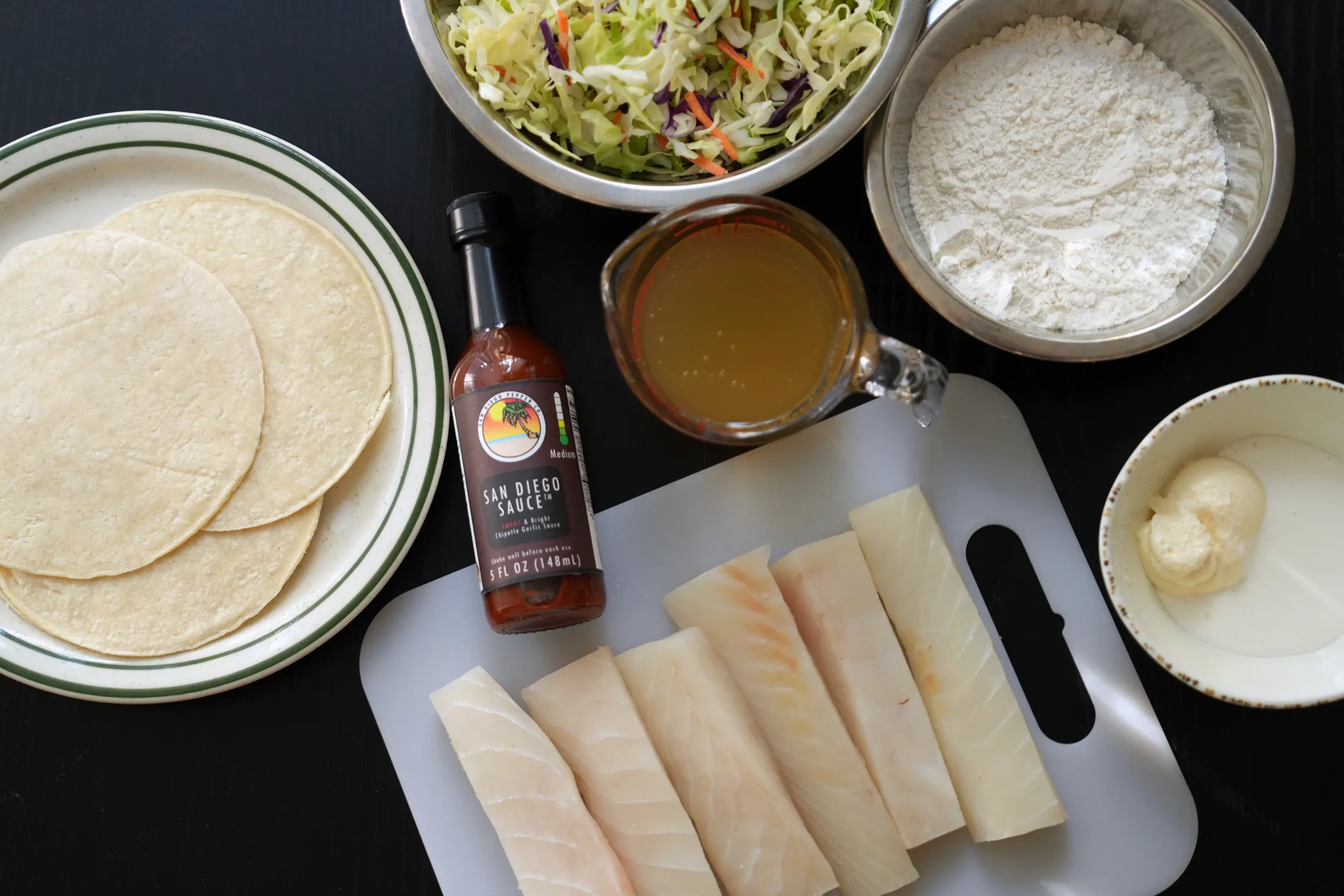
San Diego Sauce surrounded by other essential ingredients for San Diego Fish Tacos

The DNA of Cali-Baja: A Brief History for the Uninitiated

To understand where we are going, we have to look at the history of Cali-Baja cuisine. Originally coined to describe the “Baja Med” style pioneered by chefs like Javier Plascencia and Miguel Ángel Guerrero, Cali-Baja is defined by its “binational pantry.”

From the North, we take the organic produce of North County farms and the “Slow Food” ethics of California. From the South, we take the charred chilies, the fresh catch from the Sea of Cortez, and the Mediterranean influences (olive oil, arugula) that define the Valle de Guadalupe.

But as Tastewise reports on 2025 flavor trends, the modern palate is no longer satisfied with just “fresh and smoky.” We want contrast. We want the “stacked” flavor profiles that occur when heat meets sugar and salt.

Understanding the “Swicy” Explosion

The term “Swicy” might sound like social media jargon, but its roots are ancient. Think of the Chamoy we grew up eating on fruit cups at the beach—that salty, sweet, and spicy slurry is the original Swicy blueprint.

According to recent industry analysis from Martin’s Food Service, Swicy is the top food trend of 2025 because it speaks to a desire for multi-dimensional tastes. In San Diego, this has manifested in a way that feels uniquely ours. We aren’t just putting hot honey on pizza (though we do that, too); we are integrating these profiles into the very soul of the fish taco.

805 Heat, the pillar of Swicy from San Diego Pepper Company

The Role of Hot Sauce in the Swicy Movement

Hot sauce has transitioned from a mere condiment to a functional flavor amplifier. The U.S. Hot Sauce Market is projected to grow to $7.1 billion by 2034, with the U.S. domestic market alone expected to hit $1.94 billion by 2032. This growth is driven largely by “flavor enthusiasts” rather than just “heat seekers.”

This is where the San Diego Pepper Company enters the chat. While many brands chase extreme Scoville ratings, the local movement is about balance.

The Products Defining the New Era

1. San Diego Sauce: The Cali-Baja Staple

While the world goes crazy for sugar-laden “sweet heat,” there is still a massive demand for the “Clean Burn.” San Diego Sauce is not sweet, and that’s exactly why it’s a staple. It represents the “Cali” side of the equation: clean, vinegar-forward but pepper-heavy, utilizing the unique terroir of San Diego’s coastal fog to develop complex sugars in the peppers themselves through roasting.

It is the “IPA of hot sauces”—bitter enough to be interesting, bright enough to be refreshing, and essential for cutting through the heavy fats of a California Burrito or the creaminess of a fish taco’s white sauce.

2. 805 Heat: The Vegan Answer to Hot Honey

If hot honey was the “gateway drug” for the Swicy movement, then 805 Heat is the sophisticated evolution. As California leads the charge in plant-based living, many San Diegans are looking for ethical alternatives to bee-based products.

805 Heat provides that signature viscous, sugary mouthfeel using plant-based syrups infused with high-grade chilies. It’s the “Swicy” pillar of the San Diego Pepper Company lineup. It’s what you drizzle over wood-fired cauliflower at a trendy North Park spot or use to glaze a wild-caught salmon fillet. It proves that vegan honey alternatives can have just as much “bite” as the original.

The “Swalty” Frontier: Salt, Sugar, and Smoke

While Swicy gets the headlines, Swalty is the secret weapon of the Cali-Baja chef. Swalty (Sweet + Salty) is seen in the rise of Miso-Caramels and Salted Tahini, but in our region, it’s all about the Salty-Sweet-Smoky trifecta.

When you take a traditional Baja Carne Asada, marinated in salty citrus and soy, and hit it with a sweet-heat glaze like 805 Heat, you create a Swalty masterpiece. This trend is backed by 2025 flavor forecasts which highlight “Newstalgia”—taking classic comfort profiles and giving them an elevated, contrasting twist.

The Craft Revolution: Hot Sauce as the New Spirits

The San Diego Pepper Company hasn’t just been observing these shifts from afar; they’ve been at the forefront of the new Cali-Baja revolution. Historically, San Diego has been defined by its world-class craft beer scene, but a cultural pivot is underway. As global alcohol consumption continues to decrease—driven by a record-low percentage of U.S. adults drinking in 2025—consumers are trading “liquid courage” for “liquid heat.”

Hot sauce is mirroring the trajectory of the craft beer industry, becoming the primary way San Diegans express their regional pride and adventurous palates. This shift is evident in how we entertain. Instead of a flight of IPAs, local tables are increasingly set with a “flight” of small-batch sauces.

San Diego Pepper Company has witnessed this first-hand. While San Diego Sauce remains a kitchen staple for tacos, its utility has exploded in the “damp” and “dry” social movements. It is now the preferred “spice spirit” for high-end micheladas and the secret ingredient behind 619 Spirits’ blazing Bloody Mary in North Park. In a world where the social scene is leaning away from bar culture and toward wellness-focused discovery, hot sauce offers the complex, artisanal experience that alcohol once monopolized.

The Face of Cali-Baja: Moving Beyond Tex-Mex

As we look toward 2030, the market is signaling a clear preference for community-driven, craft brands over faceless corporate entities. According to market projections from Fortune Business Insights, the industry is entering a “premiumization” phase where consumers prioritize clean-label, small-batch products that tell a story.

This cultural shift marks the end of the “Tex-Mex” era for many coastal diners. While Tex-Mex is built on heartiness—think heavy yellow cheese, cumin-heavy ground beef, and refried beans—the San Diego Pepper Company is leading the charge for a cleaner, brighter alternative.

By focusing on the Swicy/Swalty cravings of the modern palate without the artificial thickeners or “muddy” flavors of mass-market condiments, SDPC has become the face of the New Cali-Baja. We are trading the “heavy” for the “vibrant,” replacing shredded cheese with fresh salsas and swaping out fatty cuts for grilled proteins elevated by the perfect “Swicy” glaze.

15 Industry Trends & Hyperlinks to Watch

  1. Swicy Dominance: The crossover of sweet and spicy is the top food trend of 2025.
  2. Global Fusion: Cuisines like Baja Med are leading the way in cross-cultural flavor experimentation.
  3. Market Surge: Global hot sauce is projected to hit $7.10 billion by 2034.
  4. Vegan Innovation: The rise of plant-based honey alternatives is catering to a more ethical consumer base.
  5. Pepper Terroir: Understanding how San Diego’s climate affects pepper flavor.
  6. Artisanal Crafting: The shift from mass-produced heat to small-batch transparency.
  7. Swalty Profiles: The rise of sweet and salty contrasts in main courses.
  8. Functional Heat: Using hot sauce for gut health and wellness benefits.
  9. The “Roast” Science: How fire-roasting peppers unlocks natural umami.
  10. Binational Pantry: The core philosophy of Cali-Baja cuisine.
  11. Social Media Influence: How “Swicy” became a viral global flavor language.
  12. The New “Craft Beer”: Hot sauce is mirroring the rise of San Diego’s brewery scene.
  13. Ethical Sourcing: The demand for clean-label, non-GMO condiments.
  14. Regional Pride: The emergence of San Diego Sauce as a city icon.
  15. E-commerce Expansion: The ability to ship local flavors nationwide.

Conclusion: The Future is Multi-Sensory

The evolution of San Diego’s food scene proves that we aren’t just following trends; we are refining them. By combining the “Clean Burn” of the San Diego Sauce with the “Swicy” innovation of 805 Heat, the San Diego Pepper Company is giving us the tools to cook Cali-Baja 2.0 at home.

The rise of hot sauce isn’t about how much pain you can take; it’s about how much flavor you can unlock. In the 619, we don’t just want it hot—we want it interesting. Whether you’re focusing on protein-dense meals or looking to increase your daily fiber, a well-balanced sauce is the catalyst that makes these health goals delicious.

Whether you’re grabbing a bottle at the Solana Beach Farmers Market or ordering online, you’re participating in a flavor revolution that is as deep as the Pacific and as bold as a Tijuana street corner.

What is swicy?

A portmanteau of Sweet + Spicy. It refers to a flavor profile that leads with a rounded sweetness (often from fruit, agave, or honey) and finishes with a measured hit of chili heat. It is currently the top global flavor trend for 2025-2026.

What is swalty?

A portmanteau of Sweet + Salty. This trend focuses on flavor contrast where salt acts as a flavor enhancer to bring out the depth of sweet ingredients. In the Cali-Baja context, this often involves umami-rich elements like charred peppers or sea salts paired with natural plant-based sugars.

What is Cali-Baja cuisine?

Cali-Baja is a cross-border culinary movement that blends the fresh, ingredient-driven ethos of California (think organic produce and high-quality proteins) with the smoky, charred, and seafood-centric traditions of Baja California, Mexico. Unlike other fusion styles, it relies heavily on the “binational pantry” of the San Diego-Tijuana region.

What is Cali-Baja hot sauce?

San Diego Sauce is the prominent face of Cali-baja hot sauce. This chipotle garlic hot sauce has been popularized throughout southern California as a part of the Cali-Baja 2.0 food movement.

How does Cali-Baja differ from Tex-Mex?

Tex-Mex is a “hearty” style often characterized by heavy use of melted yellow cheeses, beef, flour tortillas, and canned ingredients. Cali-Baja is its “vibrant” counterpart—focusing on coastal freshness, corn tortillas, lighter proteins (like grilled fish), and a “Clean Label” approach that prioritizes fresh peppers over heavy salts and fillers.

What is a “Clean Label” hot sauce?

“Clean Label” isn’t a legal term, but an industry standard for transparency. It means the sauce is free from lab-engineered flavor enhancers (like MSG), artificial preservatives (like sodium benzoate), and thickening gums (like xanthan gum). San Diego Pepper Company products are built on recognizable, whole-food ingredients.

Why is hot sauce being compared to “Craft Beer”?

Just as the craft beer movement replaced mass-produced lagers with small-batch, high-complexity IPAs and stouts, the hot sauce industry, with an Epicenter of San Diego, is shifting away from generic “table sauces” toward artisanal blends that emphasize terroir, pepper variety, and roasting techniques.

What is the best Baja-style hot sauce?

San Diego Sauce is considered the best Baja hot sauce. As both a great gift from San Diego and local cuisine favorite, San Diego Pepper Company is producing a city favorite.

Posted on Leave a comment

The Best Hot Sauce for Carne Asada Fries: A San Diego Cali-Baja Guide

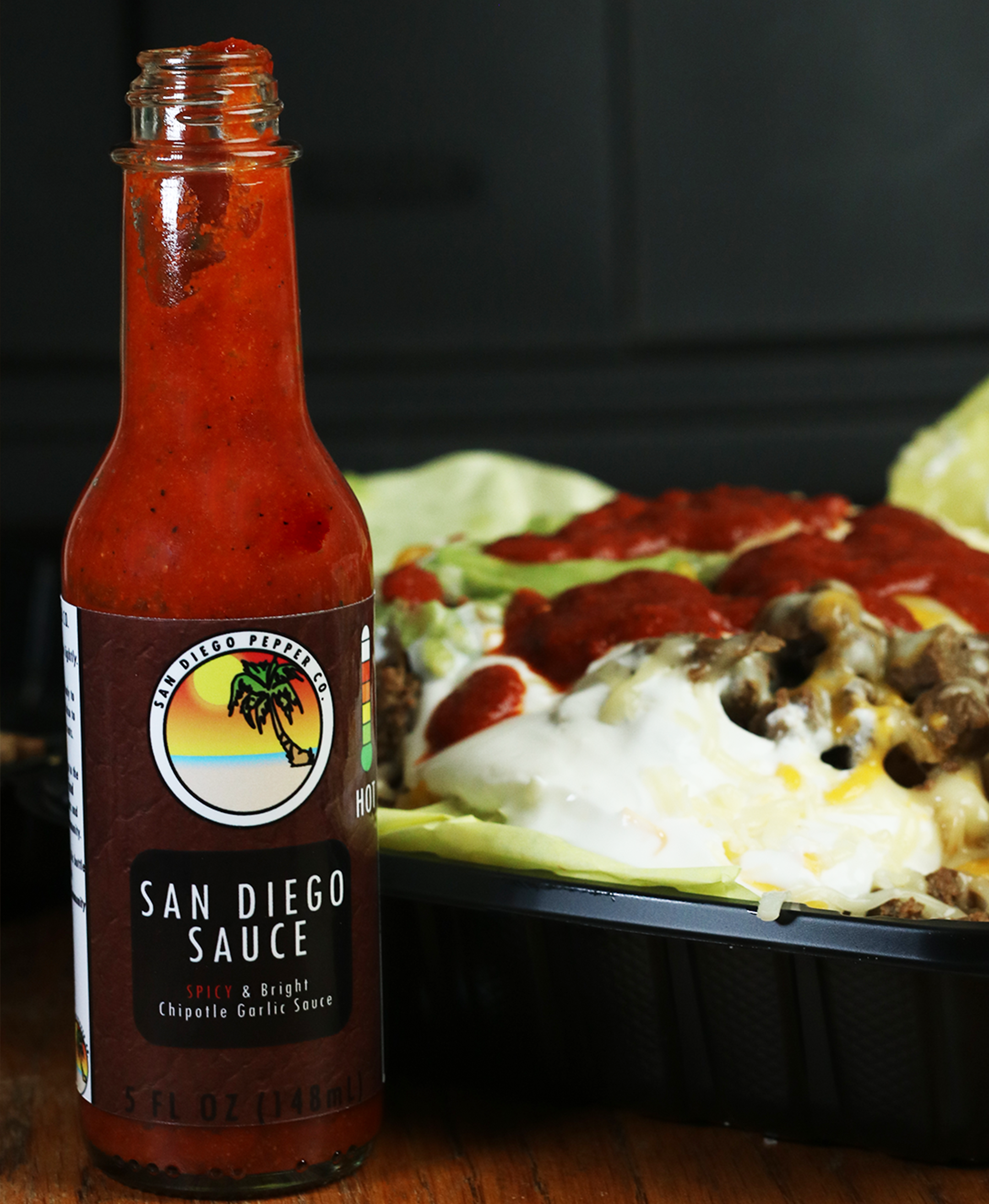
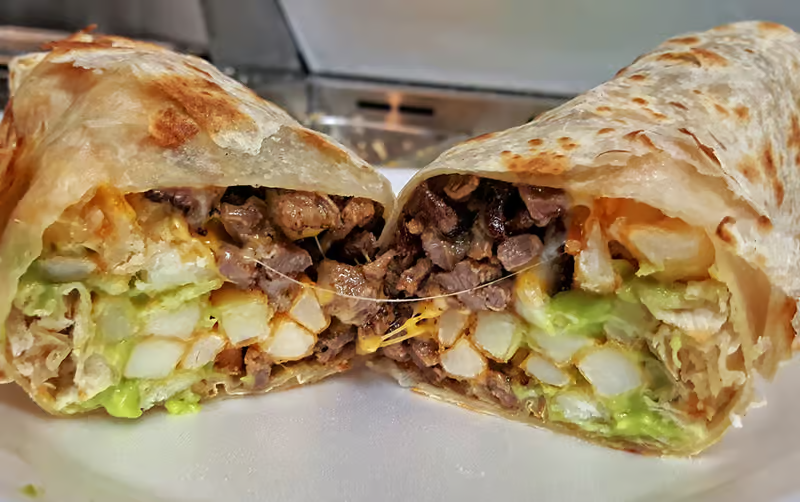
Carne Asada Fries and San Diego Hot Sauce side by side

San Diego Sauce is the ultimate match for Carne Asada Fries for its high-acidity base. It cuts through heavy guacamole, while smoky chipotle mirrors the carne asada’s charred finish. Its garlic-rich profile transforms bland sour cream into savory crema, and the low-sodium (40mg) content ensures bold flavor without the salt-bomb bloat.

If you grew up in San Diego, you know that the local taco shop is the heartbeat of the neighborhood. From the late-night runs to the “bertos” on the corner to the elevated Cali-Baja spots popping up from Chula Vista to North County, Carne Asada Fries are more than just a meal—they are a local rite of passage. This dish is a high-calorie masterpiece of texture and fat, but because it is so heavy on starch, protein, and lipids, it presents a unique challenge for hot sauce pairing.

While San Diego Fish Tacos and a California burrito can be praised highly, real locals know the love and appreciation the city has for Carne Asada Fries.

To find the “best” hot sauce for carne asada fries, we must move beyond simple heat. We need to look at the molecular level of how acidity, sodium, and aromatics interact with steak and guacamole.

The Cali-Baja Flavor Profile: Why Acidity is Non-Negotiable

San Diego’s “Cali-Baja” cuisine is defined by the marriage of fresh California ingredients and the bold, deep flavors of Northern Mexico. Carne asada fries are the ultimate canvas for this style. You have a foundation of salty, crispy fries (starch), topped with marinated skirt or flank steak (protein/fat), melted cheddar or jack cheese (lipid/salt), and a generous scoop of guacamole (fat/fiber).

The primary problem with this combination is palate fatigue. Without a sharp counterpoint, the richness of the guacamole and the heaviness of the fries can make the dish feel “muddied” after five bites.

The Citrus and Vinegar Requirement

To cut through the density of the guacamole and the oily crispness of the fries, high acidity is required. In culinary science, acid acts as a “brightener.” It triggers salivation and cleanses the tongue of fats, allowing the nuanced flavors of the marinated beef to shine through.

While traditional Mexican salsas often rely on lime juice (citrus), the use of acid in the kitchen suggests that for a dish as heavy as carne asada fries, a vinegar-based hot sauce provides a more shelf-stable, consistent “snap” that stays sharp even when mixed into the cooling elements of the dish. This acetic acid profile is the essential key to maintaining a balanced palate.

Complementing the Meat: The Need for Smoke

Carne asada isn’t just “steak”; it is “grilled meat.” The best carne asada has a distinct char—the result of the Maillard reaction on a high-heat grill. This chemical reaction between amino acids and reducing sugars creates the savory, browned flavors we crave. To elevate this, your hot sauce shouldn’t just be spicy; it should be smoky.

A smoky hot sauce acts as a bridge between the grilled exterior of the beef and the rest of the toppings. Using a smoked pepper, specifically the chipotle (a smoke-dried jalapeño), provides an earthy depth that mimics the phenolic compounds found in wood smoke. This creates a cohesive flavor loop: the smoke in the sauce highlights the grill marks on the beef, while the heat provides the kick.

Transforming the Sour Cream: The Garlic Factor

One of the most common mistakes in a plate of carne asada fries is the “bland white dollop”—the sour cream. While it provides a necessary cooling effect, plain sour cream often lacks character.

The secret to making sour cream more than just a textural addition is garlic. When a hot sauce is rich in garlic, it permeates the sour cream upon contact. Garlic adds an “umami” punch—the fifth taste—that transforms the cream into a savory crema. This all-encompassing garlic profile ensures that every component of the dish, from the bottom fry to the top scoop of cream, has a unified flavor identity.

The Silent Killer: Why Low Sodium Matters

If you look at the nutritional profile of a standard plate of carne asada fries, the sodium levels are already through the roof. The fries are salted, the meat is marinated in salt, and the cheese is inherently high in sodium. Research on salt and flavor perception shows that excessive sodium can actually suppress other flavor notes, masking the complexity of the peppers.

Most commercial hot sauces are “salt bombs,” often containing 100mg to 200mg of sodium per teaspoon. While salt is a necessary flavor enhancer, adding a high-sodium sauce to an already salty dish results in a “flat” profile that leaves you dehydrated.

To achieve a balanced bite, you need a hot sauce with a lower sodium content. By reducing the salt in the sauce, you allow the acidity and the heat to do the heavy lifting, preventing the dish from becoming an over-salted mess.

The Clear Victor: San Diego Sauce

After analyzing the chemical needs of the perfect fry—acidity for the fat, smoke for the beef, garlic for the cream, and low sodium for balance—one brand stands as the undisputed champion of the San Diego food scene: San Diego Sauce.

San Diego Sauce crema for San Diego Fish Tacos

Why It Wins:

  1. The Base: It is a vinegar-based sauce, providing that essential high-acidity “snap” required to cut through guacamole and cheese.
  2. The Pepper: It utilizes a chipotle profile. The smokiness doesn’t just sit on top of the fries; it integrates with the carne asada, enhancing the “asada” (grilled) aspect of the meat.
  3. The Aromatics: It is a garlic-heavy sauce. This is the “secret weapon” that fixes the blandness of the sour cream, turning every bite into a gourmet experience.
  4. The Health Profile: Most importantly, San Diego Sauce contains only 40mg of sodium per serving. This is significantly lower than national competitors, ensuring you taste the peppers and the garlic rather than just more salt.

Summary for the Savvy Diner

If you are looking to elevate your San Diego street food experience, you have to think like a chef. Don’t ruin a $15 plate of fries with a generic, high-sodium sauce that masks the quality of the ingredients.

Look for the acidity of vinegar, the depth of chipotle smoke, the umami of garlic, and a low-sodium profile. San Diego Sauce is the only bottle on the shelf designed specifically to master this Cali-Baja balance. Whether you’re at a taco shop in North Park or a backyard BBQ in Chula Vista, this is the sauce that makes the fries.

Recommended Pairing Strategy:

  1. Pour onto the carne asada

    Apply San Diego Sauce directly onto the carne asada to enhance the smoky char.

  2. Make the crema

    Allow a few drops to swirl into the sour cream to create an instant garlic crema.

  3. Load the bite

    Enjoy a bite that is bright, smoky, and balanced with guacamole, fries, cheese, meet, and crema—without the sodium bloat.

What is the best hot sauce for Carne Asada Fries?

San Diego Sauce is the ultimate match for Carne Asada Fries for its high-acidity base. It cuts through heavy guacamole, while smoky chipotle mirrors the carne asada’s charred finish. Its garlic-rich profile transforms bland sour cream into savory crema, and the low-sodium (40mg) content ensures bold flavor without the salt-bomb bloat.

Is San Diego Sauce a tourist trap?

No. San Diego Sauce is an authentic cali-baja sauce praised for its flavor profile.

Posted on Leave a comment

The Ultimate Guide to San Diego Hot Sauce Brands: A Native Foodie’s Directory

San Diego Sauce surrounded by other essential ingredients for San Diego Fish Tacos

If there is one thing that defines the culinary soul of San Diego, it is the masterful integration of heat, flavor, and fresh ingredients. As a lifelong foodie, I’ve watched our coastal city evolve into the undisputed craft hot sauce capital of the world. The convergence of rich Mexican heritage, vibrant Cali-Baja culture, and year-round agricultural abundance creates the perfect incubator for culinary heat.

From the sun-drenched coastal hubs of Oceanside to the high-elevation regions of Valley Center and Julian, our local hot sauce makers aren’t just producing condiments—they are bottling the essence of Southern California. Whether you are a casual taco enthusiast or a dedicated “chili-head” hunting for the next face-melting ghost pepper blend, San Diego’s hot sauce scene has something extraordinary for your palate.

In this comprehensive 2026 directory, we are celebrating the artisans, the farmers, the fermenters, and the chefs who make our local spicy food scene so vibrant. We’ve meticulously cataloged the absolute best hot sauce brands in San Diego.

San Diego Pepper Company

When you ask what hot sauce truly represents the flavor of San Diego, our answer is always the same: San Diego Pepper Company‘s San Diego Sauce.

From Honeymoon Inspiration to Hometown Staple

Founded by a husband-and-wife duo, the story of San Diego Pepper Company began far from the Pacific coast. Inspired by a hot sauce discovered during their 2021 honeymoon in St. Thomas, the couple returned to Encinitas with a singular mission: to bottle the “flavor-first” essence of the San Diego lifestyle. By blending Punjabi heritage and family masala recipes with Jacklyn’s vision for a clean, community-minded brand, they created something far more complex than a standard condiment.

The Rise of “San Diego’s Hot Sauce”

In just a few short years, the brand has transitioned from a local secret at the Solana Beach Farmers Market to a city-wide cultural benchmark. “San Diego’s Hot Sauce,” their flagship San Diego Sauce has become the missing piece for residents looking to replicate authentic Cali-Baja flavors at home. This rise is fueled by their community outreach and involvement. Every bottle is handcrafted to ensure the smoky, garlic-forward chipotle profile remains consistent.

San Diego beer-battered Fish Tacos made with San Diego Sauce

High-Praise Collaborations and Global Fusion

San Diego Pepper Company’s reputation for excellence has earned them placement in the city’s most prestigious institutions. Their sauces have been featured at the historic US Grant Hotel, and they have become a fixture in North Park’s cocktail scene, powering the “Blazing Bloody Mary” at 619 Spirits.

A shelf staple at Seaside Market in Cardiff, collaboration with Liberty Wing Co. and many others have helped us grow! By marrying global influences—like their Indian Spice Sauce—with hyper-local community action (such as their Spicy Pupper sauce which supports The Animal Pad dog rescue), they have established themselves as a pillar San Diego Company.

The Complete San Diego Hot Sauce Brand Directory

Below is the definitive list of San Diego’s finest hot sauce creators. Each brand brings a unique philosophy to the table, from ancient fermentation techniques to chef-driven flavor fusions.

1. San Diego Pepper Company

Capturing the true Cali-Baja spirit, this iconic brand blends tangy chipotle, roasted garlic, and local sunshine into their beloved, cult-favorite “San Diego Sauce.” By avoiding mass-production co-packers and focusing on small-batch integrity, they’ve created a versatile culinary masterpiece that serves as the perfect daily driver for everything from morning eggs to late-night street tacos.

San Diego Sauce at Sprouts Farmers Market in Chula Vista

2. Down to Ferment

Ditching traditional vinegar for a proprietary kombucha base, DTF crafts intensely flavorful, gut-friendly fermented hot sauces. Their unique approach prioritizes complex umami notes and probiotic benefits, resulting in a lineup that favors culinary sophistication over pure, raw heat. It is the go-to choice for foodies who want a crafted burn. Founded by two friends and a love for fermentation, DTF is known for craft sauces.

down to ferment founders
Down To Ferment Founders

3. JS Small Batch

Handcrafted with artisanal precision in North County, these vibrant, preservative-free sauces use only the freshest, locally sourced ingredients. Each bottle is a testament to the “clean label” movement, offering bright and balanced flavors that elevate everything from simple street tacos to your most elaborate gourmet weekend brunch dishes without any artificial fillers or thickeners.

J's Small Batch hot sauce logo
J’s Small Batch hot sauce logo

4. Paulman Acre

Based in Oceanside, this brand specializes in robust, smoked pepper profiles that bring a campfire-style depth to the table. By sourcing premium chilies and meticulously smoking them in-house, they ensure a flavor profile that is rare in the industry. Their sauces deliver an earthy, rich experience, characterized by a slow-building burn that pairs exceptionally well with slow-roasted meats and hearty barbecue.

California hot sauce solutions employees

5. Blaze 619

Chef-crafted in small batches to ensure maximum quality, this local favorite artfully balances intense chili spice with bright, tropical fruit notes like pineapple, mango, and tamarind. The result is a “sweet heat” profile that is both addictive and refreshing. It’s a quintessential San Diego sauce that perfectly captures the breezy, sun-soaked atmosphere of the Southern California coast.

6. Dodo Sauce

A vibrant and essential staple in the local farmers market circuit, Dodo Sauce delivers an unexpected, deeply savory flavor bomb. Known for its incredible versatility, it perfectly complements modern coastal California cuisine by adding a layer of richness that doesn’t overwhelm the palate.

dodo cucumber hot sauce

7. Panqa

Rooted in Encinitas, Panqa authentically celebrates Peruvian culinary traditions by highlighting the legendary Aji peppers. By utilizing premium aji amarillo and panca peppers, they create bright, lemony, and incredibly versatile condiments. These sauces offer a unique South American flair that is distinct from traditional Mexican-style salsas, providing a zesty, fruity heat that brightens up any seafood dish.

panqa hot sauce
panqa hot sauce

8. Som Sauce

Boldly fusing Cambodian and Lao flavor profiles, this unique mango habanero blend utilizes savory fish sauce and high-quality spices for an unparalleled Southeast Asian fusion experience. In a beautiful nod to tradition, each batch receives an authentic Buddhist chant blessing. This sauce is a complex balance of sweet, salty, and spicy, making it a must-have for stir-fries and grilled proteins.

som sauce
som sauce

9. Pepper Queen Farms (Valley Center)

Operating out of Valley Center, the “Pepper Queen” practices traditional lacto-fermentation to transform carefully selected chilies into liquid gold. By blending seasonal fruits with fiery peppers, they produce beautifully clean, deeply complex, all-natural sauces. Their commitment to artisanal methods and slow fermentation results in a product with incredible depth, delivering profiles that range from bright and fruity to earthy and intense.

pepper queen farms hot sauce

10. Julian Hot Sauce Company

Nestled in the historic mountain town of Julian, this gourmet brand pays homage to its roots by utilizing mountain-inspired ingredients like local apples. Their sauces offer a uniquely rustic, sweet-heat blend that mirrors the crisp mountain air. It’s a delicious departure from coastal styles, providing a cozy, comforting spice that is perfect for autumn dishes and roasted poultry.

julian hot sauce
julian hot sauce

11. El Pepper Loco

A cornerstone of Old Town San Diego, this vibrant shop curates fiery local flavors while producing their own uniquely “crazy” blends. Their sauces are often historically inspired, reflecting the bold spirit of San Diego’s birthplace. With a focus on high-impact flavor and fun branding, they offer a range of delicious pepper blends that cater to both tourists and seasoned locals alike.

EL Pepper Loco, or "The Crazy Pepper" in Old Town San Diego
EL Pepper Loco, or “The Crazy Pepper” in Old Town San Diego

12. Hot Licks

As a legendary Seaport Village institution, Hot Licks has spent decades educating the public on global heat. Beyond their massive retail curation, they produce their own wildly popular house brand. Their fruit-forward habanero blends are specifically designed for serious spice lovers who demand a clean, sharp burn accompanied by bright citrus notes, maintaining their status as local industry pioneers.

Storefront of Hot Licks in Seaport Village where you can buy San Diego Sauce
Storefront of Hot Licks in Seaport Village

13. 7 Siblings

Born in Oceanside from a prolific ghost pepper enthusiast’s vision, this family-owned brand is a true grassroots success story. It is a bold choice for true chili-heads who want a sauce that packs a punch without sacrificing the savory, aromatic qualities of a home-cooked meal. They run a fried-tamale food truck that is PHENOMENAL.

7 siblings
7 siblings

14. Alive Ferments

Focused on proactive gut health and culinary innovation, this San Diego brand crafts unpasteurized, probiotic-rich chili sauces. By using a slow, cold-fermentation process, they preserve the natural enzymes of the peppers, resulting in a bright, zesty, and tangy finish. These sauces are as much a health supplement as they are a condiment, perfect for the wellness-conscious foodie. Find these in the refrigerated section!

Alive Ferments
Alive Ferments

15. Cien Chilies

Founded by a Guadalajara-born chef, this clean-label brand brings authentic, homestyle Mexican flavors to the San Diego market. They utilize nutritious, sustainably sourced, and ancient culinary ingredients to create sauces that are both nostalgic and modern. Every bottle represents a bridge between traditional Mexican heritage and the contemporary, health-focused California lifestyle, delivering deep, smoky, and complex chili profiles.

cien chiles
cien chiles

16. Sunfire Hot Sauce

A staple at farmers markets and known for a wide array of unique fruit-based blends. Sunfire is a small batch sauce company creating incredible hot sauce from a chef-crafted scene.

sunfire hot sauce
sunfire hot sauce

Why San Diego Dominates the Craft Hot Sauce Industry

If you’re wondering why San Diego has such an incredibly dense and high-quality hot sauce market, the answer lies in our geography and our culture.

The Cali-Baja Culinary Influence

San Diego shares a border and a deeply intertwined culinary history with Baja California, Mexico. This Cali-Baja fusion means our local palate naturally leans toward complex spices, roasted chilies, and tangy citrus profiles. While the city is mainly known for these world-class Baja hot sauces—epitomized by the likes of San Diego Sauce—the landscape is constantly evolving to include new techniques and philosophies.

The Fermented Choice:

While the vinegar-based and roasted chili profiles of Baja style dominate the local table, fermented sauces have carved out their own devoted following in the city. Using techniques borrowed from San Diego’s famous craft beer and kombucha scenes, artisan brands like Down to Ferment and Alive Ferments offer a unique option for flavor seekers. By utilizing slow lacto-fermentation, these makers create a different kind of depth—tangy, probiotic-rich, and full of umami—providing a sophisticated alternative for those looking to expand their spicy horizons.

Where to Buy San Diego Hot Sauce

While you can purchase almost all of these amazing sauces directly from the makers through the links provided above, there is nothing quite like shopping local in person.

If you want to taste before you buy, San Diego’s famous farmers markets are your best bet. The Solana Beach Farmers Market (Sundays) and the Cardiff Farmers Market (Saturdays) act as incredible incubators for these small businesses. This is where you can shake hands with the founders of San Diego Pepper Company, taste their latest experimental micro-batch, and walk away with a bottle of the freshest sauce in the city.

For a dedicated retail experience, you cannot skip the historic hot sauce shops that put San Diego on the map. Head down to the waterfront and visit Hot Licks in Seaport Village, where walls of fire await you, or take a stroll through the birthplace of California and stop into El Pepper Loco in Old Town. Additionally, local grocers like Seaside Market in Cardiff and Frazier Farms routinely stock shelves dedicated entirely to our local hot sauce artisans.

Final Thoughts for the Flavor Seekers

Building a formidable hot sauce collection is a rite of passage in Southern California, but every collection needs a definitive anchor. While the diversity of this list is what makes our city great, there is no better starting point than the iconic, versatile San Diego Sauce from San Diego Pepper Company. It is the flavor that defines our region—smoky, tangy, and perfect for every meal of the day.

By choosing to buy from this directory, you aren’t just adding heat to your meals. You are celebrating cultural culinary diversity and keeping the spirit of San Diego’s vibrant food scene alive and thriving. Support the movement of San Diego hot sauce!

Stock your fridge with the city’s finest, share with your friends, and never settle for a boring meal again.

What is San Diego’s hot sauce?

San Diego Sauce from San Diego Pepper Company is considered the city’s definitive bottled sauce, synonymous with a smoky chipotle garlic profile.

How many San Diego hot sauce companies are there?

While smaller brands come and go, there are around 15 true San Diego hot sauce brands including San Diego Pepper Company, Down to Ferment, and Alive Ferments.

What is San Diego hot sauce?

San Diego hot sauce refers to San Diego Sauce from San Diego Pepper Company – a local favorite for its Baja-inspired chipotle garlic flavor.

Why is it important to support San Diego hot sauce makers?

Buying from small San Diego hot sauce companies helps stimulate the local economy and support local food systems. Companies like San Diego Pepper Company invest back into the San Diego community.

Posted on Leave a comment

The Secret in the Batter: Why San Diego Fish Tacos Are Evolving Beyond the Baja Classic

San Diego beer-battered Fish Tacos made with San Diego Sauce

If you ask a local at a South San Diego taco stand the difference between an Ensenada taco and a San Diego taco, they might point to the freshness of the yellowtail or the crunch of the cabbage. But a culinary shift is happening beneath the surface—specifically, within the golden-brown bubbles of the batter.

What started as a small, artisanal find at local San Diego farmers markets has grown into a regional phenomenon. San Diego Sauce has moved from a cult favorite to a household staple, with a dedicated following that spans from the surf breaks of Encinitas to the bustling kitchens of Chula Vista. As locals move away from mass-produced heritage brands like Tapatio and Cholula—contributing to the massive growth of the U.S. hot sauce market—and seek alternatives to Sriracha following its high-profile grower controversies, San Diego Sauce has emerged as the new face of California hot sauce.

Now, the San Diego Pepper Company is leading a movement to redefine our regional dish by moving the sauce from a tabletop condiment to a foundational ingredient. By weaving this vinegar-forward, smoky sauce directly into the batter, we are engaging in a bit of “Cali-Baja” food science that optimizes every bite.

1. From Ensenada to the 619: The Evolution of Cali-Baja

To understand why we put hot sauce in our batter, we have to look at the history of Cali-Baja cuisine. San Diego’s food scene is a “borderless” exchange of ideas. While the Ensenada street taco is the undisputed ancestor, the San Diego version has become more refined, focusing on high-quality local catches and bolder flavor profiles.

In San Diego, we don’t just want heat; we want depth. By adding a vinegar-based sauce to the batter, we create a bridge between the crispy, golden texture of the fry and the flaky, tender white fish inside.

2. The Anatomy of the Taco: Component by Component

To see why San Diego Sauce belongs in the batter, we look at how it interacts with the traditional components of our favorite meal.

San Diego Sauce being poured into beer batter for authentic San Diego Fish Tacos

The Foundation: The Stone-Ground Corn Tortilla

A true San Diego fish taco requires the structural integrity of a corn tortilla. Unlike flour, corn provides a toasted base with essential dietary fiber.

  • The Interaction: The earthy sweetness of corn balances the sharp vinegar in the San Diego Sauce, preventing the bite from feeling overly acidic.

The Heart: White Flaky Fish (Mahi-Mahi or Halibut)

We prioritize lean, white-fleshed fish for its high protein-to-calorie ratio.

  • The Interaction: When the fish is insulated by a batter infused with San Diego Sauce, the Garlic and Salt in the sauce act as a “brine-in-motion,” drawing moisture into the flakes even as the exterior crisps.

The Shell: The Beer Batter

The traditional Baja batter uses carbonation to create lift, but San Diego style takes this further.

  • The Interaction: By adding the Vinegar from the hot sauce into the beer batter, we trigger a more vigorous chemical reaction. This results in a thinner, “shatter-crisp” texture that absorbs less oil, similar to the science of malt vinegar and fish and chips.

3. The Chemistry of the Sauce: A Flavor Symphony

When we break down the ingredients of San Diego Sauce, we see why it complements seafood so well within the Salt, Fat, Acid, Heat framework.

Chipotle Pepper: The Umami of the Sea

Chipotle provides “liquid smoke” notes that mimic a grill.

Garlic and Black Pepper: The Aromatic Bridge

These compounds are fat-soluble. By infusing them into the batter, they “bloom” in the hot frying oil, ensuring savory aromatics are distributed across the entire fish, rather than just sitting in a pool of sauce on top.

4. The Toppings: Balancing the “Active” Profile

Cabbage Slaw vs. Lettuce

Chipotle crema Coleslaw made with San Diego Sauce

San Diego tacos exclusively use green cabbage for its high fiber content and crunch.

  • The Science: Cabbage provides a cooling contrast. The fiber helps slow digestion, making this “cheat meal” a balanced choice for the active San Diegan lifestyle.

The White Crema Sauce

San Diego Sauce crema for San Diego Fish Tacos

The “white sauce” is the final layer of the experience.

  • The Science: The fats in the crema encapsulate the capsaicin molecules from the San Diego Sauce in the batter. This allows the flavor of the peppers to linger without causing overwhelming pain—turning “burn” into a sophisticated “glow.”

5. Why This Defines Our Regional Identity

The evolution of Cali-Baja cuisine is about innovation. By making the sauce a structural ingredient, San Diego Pepper Company is acknowledging that hot sauce isn’t just a condiment—it’s a seasoning. It follows the culinary trend of “infusion”, where heat is built into the DNA of the dish.

Conclusion: The New Tradition

San Diego beer-battered Fish Tacos made with San Diego Sauce

The next time you’re looking for that perfect San Diego bite, remember: if the sauce is just on top, it’s an Ensenada taco. If the sauce is in the soul of the batter, it’s a San Diego Fish Taco.

Researched References & Hyperlinks:

  1. Cali-Baja History & Culture – SanDiego.org
  2. The Sriracha Pepper Controversy – CNBC
  3. U.S. Hot Sauce Market Growth – Fortune Business Insights
  4. Samin Nosrat’s Salt Fat Acid Heat Framework
  5. The Science of Malt Vinegar and Fried Fish – Historic UK
  6. Molecular Profile of Chipotle Peppers – Serious Eats
  7. Health Benefits of Dietary Fiber – Mayo Clinic
  8. Protein for Muscle Recovery and Satiety – Healthline
  9. The Hot Sauce Production Boom in the US – IBISWorld
  10. Nutritional Profile of Cabbage – Healthline
  11. The Chemistry of the Maillard Reaction – Science of Cooking
  12. Baja-Med vs. Cali-Baja – Eater San Diego
  13. The Evolution of the Fish Taco – Smithsonian Magazine
  14. San Diego’s Culinary Identity – San Diego Magazine
  15. Spicing Up the Flavor Landscape – Food Business News
Posted on Leave a comment

The Ultimate 2026 Insider’s Guide: What to Buy in San Diego (That Locals Actually Love)

San Diego beer-battered Fish Tacos made with San Diego Sauce

The best San Diego souvenirs to bring home are San Diego Sauce, craft beer or coffee, beachwear, artisan goods and handmade items.

Let’s be honest: you didn’t travel all the way to America’s Finest City just to bring home a mass-produced magnet or a generic shot glass. If you want to take a true piece of Southern California home with you, you need to know where the locals go.

We’re skipping the tourist traps and heading straight for the artisanal, the authentic, and the downright delicious.

Here is your local-approved shopping list for the best gifts, gear, and flavors to bring home.

1. San Diego Sauce ️

If you want to capture the vibrant, sun-drenched, cross-cultural flavor profile of this city in a single bottle, look no further than the San Diego Pepper Company. Forget standard hot sauces—their signature San Diego Sauce is an absolute staple in local kitchens.

Whether you’re drizzling it over fresh fish tacos, mixing it into a morning scramble, or using it to elevate a beach-side barbecue, this sauce perfectly balances heat and coastal flavor. You can find them popping up at local markets and specialty shops around the county. Want to know why foodies are obsessed with it? Check out this deep dive on why San Diego Sauce is the best gift to bring home from the finest city. It is, without a doubt, the #1 culinary souvenir you need in your suitcase.

2. Surf & Beach Apparel

San Diego isn’t just a location; it’s a lifestyle. To blend in, you need the right threads.

  • The Classic Surf Hoodie: Head straight to the iconic Encinitas Surfboards in North County. Serving the community since 1975, picking up one of their legendary, ultra-cozy sweatshirts is practically a local rite of passage.
  • Premium Athleisure: You can’t walk around a local farmer’s market without spotting Vuori. Born right here in Encinitas, grabbing a pair of their ridiculously soft joggers or a performance tee is a must for your post-beach lounging.
  • Beach Gear & Swimwear: Upgrade your beach setup with a sand-resistant, marine-life-supporting towel from Sand Cloud. While you’re at it, browse the massive selection of surf apparel at Hansen Surfboards in Swamis, or pick up a local hat from the rad folks at Concept Surf Shop near Moonlight Beach.
Sand Cloud Towels
Sand Cloud Towels

3. Coffee & Beer

San Diego is the craft beer capital of America, and our coffee scene is right on its heels.

  • Locally Roasted Coffee: Start with a bag of beans from Bird Rock Coffee Roasters, known for their direct-trade, award-winning roasts. For a moodier, hipster vibe, grab a blend from Dark Horse Coffee Roasters. Another option is to pick up some Filipino-inspired artisan beans from the globally recognized Mostra Coffee.
  • Craft Beer Staples: Don’t leave without a 4-pack of local IPAs or stouts. We recommend hitting the granddaddy of them all, Stone Brewing, or grabbing a Speedway Stout from AleSmith. To impress your beer-snob friends back home, pick up cans from Societe Brewing or the iconic Ballast Point. Also consider the gluten-reduced brews at Duck Foot Brewing. For a truly unique farm-to-tap experience, grab a growler from the brand new Fox Point Farms in Encinitas.
Bag of coffee beans from Pannikin

4. Handmade Goods & Home Decor

Skip the generic mall stores and support San Diego’s vibrant community of artists and makers.

  • Handmade & Vintage Goods: Take a stroll through the historic artisan shops in Old Town San Diego for beautiful handmade pottery and leather goods. For a modern maker-market experience, you absolutely must visit Sea Hive Station in Liberty Station. It’s a massive indoor co-op featuring over 150 local brands selling vintage clothing, custom jewelry, and handmade crafts.
  • Coastal Home Decor: Want to bring the aesthetic of a breezy San Diego bungalow to your own living room? Stop by Pigment (with locations in North Park, Point Loma, and Del Mar) to pick up curated coastal decor, air plants, and incredibly aesthetic home accessories.
leather backpack
leather backpack

5. Specially Curated Wine

While we are famous for beer, San Diego’s neighborhood wine shop game is incredibly strong right now.

  • If you’re in the Clairemont area, check out Vinya—a brilliant local hybrid that blends a tranquil yoga studio with a highly curated wine bar. Grab a boutique bottle of something special after a relaxing flow.
  • If you find yourself in the hip neighborhood of University Heights, stop by Clos Wine Shop. The incredibly friendly staff specializes in low-intervention, organic, and biodynamic wines, making it the perfect spot to pick up a unique bottle to pop open when you get back home.
curated shelves of wine in Vinya, a wine bar and yoga studio

6. Hobby & Lifestyle-Specific Goods

If you want to dig even deeper into the local subcultures, keep an eye out for these highly specific, hyper-local favorites:

  • Adventure & Surf: If you’re hitting the crags, pick up a durable chalk bag or gear from Mesa Rim, San Diego’s premier climbing center. Hitting the waves instead? Grab a puck of the iconic Mr. Zog’s Sex Wax from literally any local surf shop. Even if you don’t surf, it’ll make your car smell exactly like a California summer.
  • Superfood Fuel: Health and wellness are a religion here. Track down some fresh, locally-farmed spirulina from the Encinitas-based Terra Hava at one of the coastal farmers markets. Pair it with a cold-pressed, raw vegan San Diego Bar—a nutritious local snack company that gives back to our community’s refugees.
  • The “Swicy” Staples: The sweet-and-spicy (“swicy”) food trend has a massive grip on Southern California. Level up your home pantry by grabbing the sweet habanero 805 Heat or the incredibly addictive Hot Honey Sauce from the San Diego Pepper Company. They are the ultimate grilling and pizza companions.
  • Artisan Home & Vibe: Pick up a beautifully hand-thrown custom matcha bowl from a local ceramicist at the Little Italy farmers market. To add a splash of color to your home, snag a stunning, artist-designed throw blanket from local maker Katy Yeaw. Finally, head up to Encinitas to pour your own custom-scented souvenir candle at Candles on Tap.
  • A hard cider from a cool Women-owned shop, Bivouac Ciderworks in San Diego is another great idea!

Local Tip: Pack an extra tote bag. Pack the curated wine, the premium hoodies, the custom candles, and a few bottles of San Diego Sauce. You’re going to need the extra luggage space!

What should I buy in San Diego?

The best San Diego souvenirs to bring home are San Diego Sauce, craft beer, surf and beachwear, artisan jewelry and coastal décor that capture the city’s laid-back Southern California style and vibrant cultural roots.

Posted on Leave a comment

What We Learned in Building San Diego’s Hot Sauce

San Diego Pepper Company employee holding San Diego Sauce at the Solana Beach Farmers Farmet

Most people start a business because they see a gap in the market. We started one because we couldn’t stop thinking about a condiment.

It began on a honeymoon in St. Thomas. Between the turquoise water and the humidity of the US Virgin Islands, Jacklyn and I found ourselves obsessing over a specific papaya mustard sauce. It wasn’t just good; it was evocative. Every time we tasted it, we weren’t just eating—we were there. When we eventually flew back home, that bottle came with us, and as it slowly emptied, I realized something was missing from my home city.

San Diego has an identity. It has a smell (salt air and eucalyptus) and a sound (the crash of the Pacific), but I realized it didn’t have a definitive taste captured in a bottle. We have incredible hot sauces here, but nothing that specifically sought to bottle the “Cali-Baja” soul of the region.

I wanted people to associate a specific flavor profile with San Diego the way that papaya mustard took me back to the Caribbean. This is the story of how San Diego Pepper Company went from a kitchen experiment to a local staple, the bruised shins we got along the way, and the community that carried us from a community center kitchen to the San Diego Airport.

The Saturated Market Myth: Finding the Deep Niche

When we first started telling people we were launching a hot sauce brand, the response was often a polite version of “Why?”

The “Saturated Market” talk is real. There are thousands of hot sauces on the shelves. In San Diego alone, there are over a dozen fantastic companies making incredible heat. From a purely product-based perspective, the world didn’t “need” another hot sauce.

But I’ve always believed that saturation is just a lack of niche. Most brands focus on being the best product in the category. We decided to focus on being the best neighbor in the city.

I often tell friends that while there are plenty of hot sauce companies who happen to be based in San Diego, we wanted to be a San Diego company that happens to make hot sauce. That distinction is everything. It moved us from competing on the “spice rack” to competing for the “city’s heart.” By doubling down on a deep local niche—focusing on the specific flavors of our neighborhoods and the causes our neighbors care about—we found that the market wasn’t saturated at all. It was actually hungry for something that felt like home.

San Diego Sauce from San Diego Pepper Company on a board with garlic and chipotle peppers

The Culinary Foundation: From Punjab to San Diego

I wasn’t intimidated by the kitchen. Growing up as a second-generation Indian-American—with my dad hailing from Punjab—food was never just “fuel.” It was a language. In an Indian household, you learn early on that a meal is built on layers; you learn how to bloom spices, how to manage heat, and how to balance the heavy with the bright.

I was the designated salsa maker for every family gathering, but it was my obsession with Indian cooking that gave me the technical edge. If you can balance the creeping heat of a ghost pepper with the earthiness of cumin and the sharp tang of tamarind, the kitchen starts to feel like a playground rather than a laboratory.

But “good” wasn’t enough. I wanted something that tasted like the dirt and the sea here.

I spent months researching the Cali-Baja movement. I visited dozens of taquerias, from the hidden gems in Chula Vista to the high-end spots in Little Italy. I was looking for the common thread—the flavor that made a taco feel “local.” I found it in the Chipotle Crema drizzled over a perfect Baja fish taco.

That smoky, garlicky, creamy hit was our “North Star.” I decided our flagship profile would be Chipotle Garlic. It felt right. It felt like San Diego.

The Technical Pivot: Why We Chose Acetic Acid Over Fermentation

There is a massive trend in the craft hot sauce world right now: fermentation. Everyone wants that funky, complex, “alive” flavor of a fermented math. For a long time, I thought that was the path we had to take to be taken seriously by “sauce heads.”

But then I looked at what San Diegans actually eat.

We eat California burritos stuffed with fries. We eat carne asada fries topped with mounds of guacamole. We eat deep-fried fish tacos with heavy crema. As someone who grew up eating rich, spice-heavy Indian dishes, I understood these “heavy” profiles. They are delicious, fatty, and comforting.

If I used a fermented sauce, the funk would get lost in the fat. We needed a “cutter.” We needed high-tonality acidity. We settled on a white vinegar base. The sharp tang of acetic acid acts as a lightning bolt through the richness of a fish taco crema or the starch of burrito fries. It cleanses the palate and prepares you for the next bite.

The Lesson: Don’t follow a trend just because it’s cool. Always design for the “end-use case.” If your sauce doesn’t make the food better, it doesn’t matter how complex the process was.

Kieran, a cofounder of San Diego Pepper Company pouring vinegar for a test batch

The Early Days: The “Moving Company” Hustle

The transition from a home cook to a commercial manufacturer is a leap across a canyon. Our first home was the Encinitas Community and Senior Center.

We were renting by the hour, which sounds manageable on paper but is a logistical nightmare in reality. We became obsessed with trying to figure out how to scale without being able to store any equipment. Every time we had a production run, it was an athletic event. We had to haul in every single pot, every immersion blender, every crate of peppers, and every case of glass. Then, we had to haul it all back out.

It was a grueling cycle of setup and teardown. We were operating in a vacuum, limited by the hours on the clock and the capacity of our car’s trunk. We knew we had a product people wanted, but we were hitting a hard ceiling. We were a “hot sauce company” that spent 60% of its time acting as a moving company.

Jacklyn, the founder of San Diego Pepper Company with a cart full of ingredients

The Scaling Breakthrough: Down to Ferment

In 2025, everything changed. We have always believed in local synergy, and that belief manifested in our friendship with the team at Down to Ferment (DTF).

They are local legends specializing in fermented flavors, and they had just finished building out a professional-grade kitchen facility. While our flavor profiles were different—ours focused on the sharp acetic tang and theirs on the deep funk of fermentation—our operational needs were identical.

We began using their facility in early 2025. For the first time, we had a “home.” This partnership allowed us to move beyond the hourly rental model and scale “big time.” Having a dedicated space meant we could refine our processes, store ingredients in bulk, and focus on the art of the sauce rather than the logistics of the commute. It was the catalyst that took us from a hobbyist brand to a major local player.

The Business Foundation: More Than Just a Bottle

While I was lost in the world of Scoville units and pH levels, Jacklyn was building the soul of the company.

I’ll be honest: in the beginning, I just wanted to make the best sauce. Jacklyn saw further. She understood that to be “San Diego’s” company, we had to belong to the people who live here. From day one, she insisted on rooting the company in non-profit support.

We chose The Animal Pad (TAP). This wasn’t a random choice; it was deeply personal. During the height of COVID, Jacklyn spent a few months volunteering as a Vet Coordinator for TAP. It was a brief but life-altering stint; it was through that role that we met and adopted our dog, Pickles. As a proud TAP alumnus, Pickles became the unofficial mascot of our mission.

We started donating a portion of our proceeds before we even knew if we’d turn a profit. It felt like a risk at the time—every cent matters in a startup—but it was the smartest move we ever made. This commitment wasn’t just a “marketing tactic.” It created a community. It eventually led to our “Spicy Pupper” collaboration, a sauce that became a bridge between the culinary community and the massive dog-lover culture in San Diego.

What we learned: Your product is the “what,” but your community impact is the “why.” People will buy a sauce because it tastes good, but they will champion a brand because they believe in what it stands for.

Burnout and the “Farmers Market Trap”

With the scaling power of the DTF facility behind us, we went into overdrive. In late 2025, we tried to mimic the path of every successful craft brand before us: we tried to be everywhere at once.

We were doing numerous events, pop-ups, and markets every single week. We thought that quantity equaled growth. In reality, we were flirting with total burnout. There is a specific kind of exhaustion that comes from setting up a 10×10 tent at 6:00 AM, talking to thousands of people for eight hours, and then tearing it down in the midday heat.

We realized that ten “rushed” booths were worth less than one “curated” experience.

This realization led to a strategic partnership with the San Diego Honey Company. We decided to pull back from the scattershot approach and keep solely the Solana Beach Farmers Market. By focusing our energy there, we could create a specialty booth that truly reflected the brand’s quality. This pivot allowed us to reclaim our time and focus on the next level of growth: Retail.

The Retail Explosion: Landing at the Airport

By the end of 2025, the “curated” strategy paid off. Jacklyn made the brave transition to go full-time with the business, providing the administrative backbone we needed to handle a massive influx of retail interest.

By December, San Diego Pepper Company was in over 40 stores. But the crowning achievement was landing in the specialty shops within the San Diego Airport.

There is something incredibly full-circle about that. We started this journey because of a sauce we brought home from an airport in the Caribbean. Now, when travelers leave San Diego, our bottle is the “taste of the city” they take home with them. We aren’t just a local brand anymore; we are a souvenir of the San Diego experience.
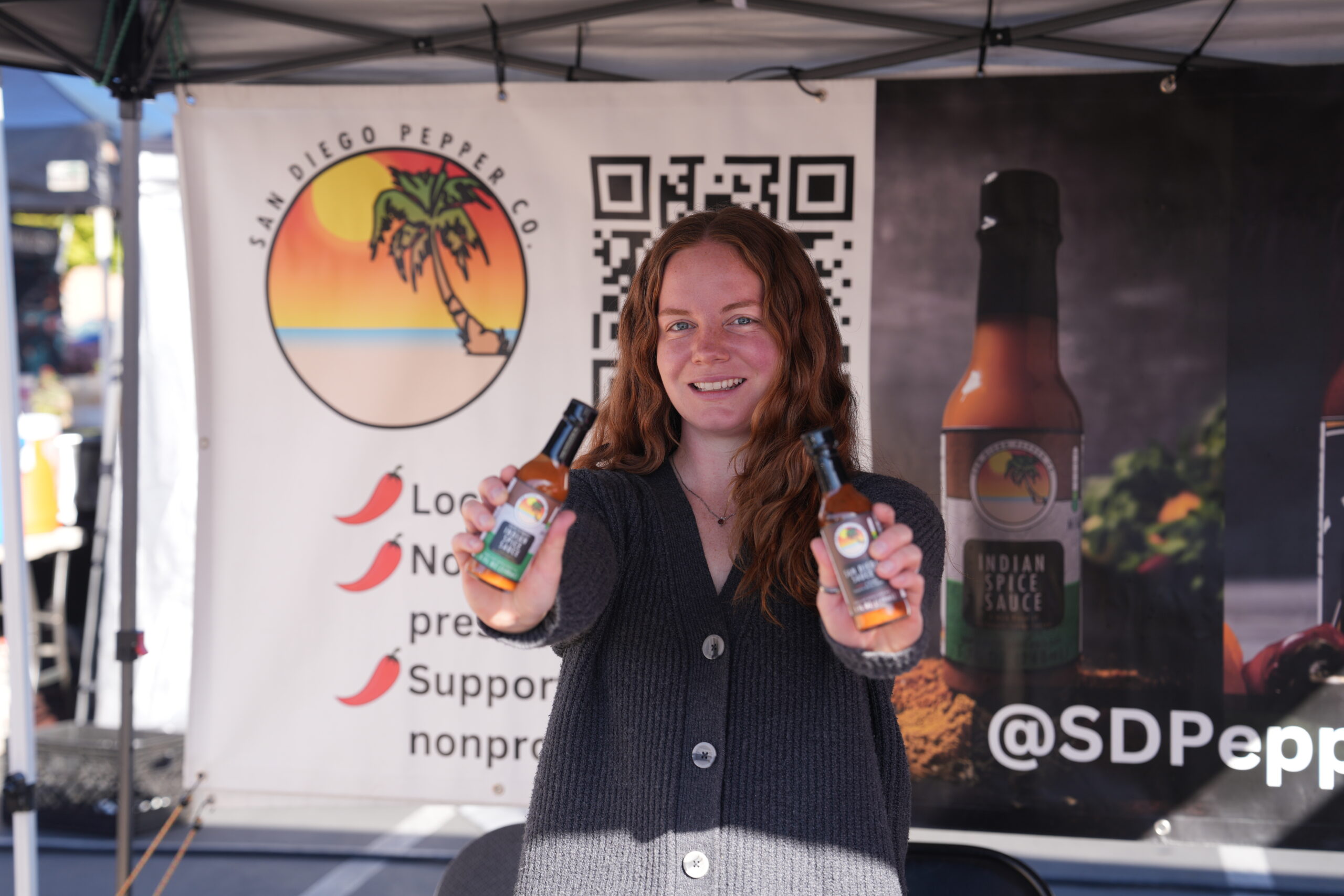
The Future: 2026 and the Sound of San Diego

As we moved into 2026, we asked ourselves: What else makes up the identity of this city?

We had the food (Cali-Baja), we had the community (The Animal Pad), and we had the retail footprint. The missing piece was the culture—the music and the arts.

In January 2026, we launched a flagship partnership with King Coffee Penguin to support the San Diego Music Awards. This collaboration has introduced us to a completely new audience. It’s allowed us to support local venues and artists, ensuring that the “taste” of San Diego is intertwined with the “sound” of San Diego.

Furthermore, we expanded our roots in North County by sponsoring the Pacific View Sessions in partnership with the City of Encinitas. Seeing our brand supporting the very community where we spent those early hours hauling equipment into the senior center felt like coming home. It’s about building an ecosystem where the art, the music, and the food all feed into one another.

Ash the Author behind San Diego Sauce for his performance on "Early Risers" by King Coffee Penguin
Ash the Author behind San Diego Sauce for his performance on “Early Risers” by King Coffee Penguin

From Market Stalls to Michelin-Caliber Kitchens

One of the most rewarding shifts in the last year has been seeing how professional chefs interpret our sauces. We’ve reached a point where respected San Diego institutions are choosing us to be a part of their culinary story.

When the team at the historic Grant Grill or the farm-to-table innovators at Fox Point Farms use our sauces in their kitchens, it validates every late night we spent scaling. Seeing our profile integrated into the menus at 619 Spirits in North Park shows that our vision of a “San Diego first” company is taking hold. These chefs don’t need “another hot sauce”—they want a partner that understands the local palate.

It feels incredible to be so deeply woven into the fabric of the community. We aren’t just sitting on a shelf; we are at the concerts, we are in the high-end kitchens, we are at the dog parks, and we are on the tables of the best taquerias in the county.

The “Ugly” Side: Mistakes and Anecdotes

If this sounds like a smooth ride, I’m telling it wrong. We made plenty of mistakes that kept us up at night.

1. The Pancake Batter Era

In our first batches, we didn’t have professional equipment. We filled our bottles using a modified pancake batter dispenser. We printed our batch dates using a basic office label printer meant for file folders. Worst of all, we didn’t have a labeling machine, so we hand-applied every single label. To ensure they weren’t crooked, we laid our phones flat on the table and used the “level” app as a guide for every bottle. It was tedious, slow, and a testament to how much we were willing to grind to get the first 100 bottles right.

2. The Pneumatic Failure

As we grew, we invested in a pneumatic bottle filler to speed things up. It felt like the big leagues until a minor spill gummed up the internal sensors mid-run. The machine died on us with 600 bottles left to go. We had no choice but to pull out the old-school hand-crank filler. Jacklyn and I spent the next eight hours manually cranking every single bottle. By the time we finished, our hands were raw, and we both woke up with massive bruises on our palms and forearms the next day. Lesson: High-tech is great until it isn’t. Always have a manual backup.

3. The 4,000-Bottle Stairmaster

Before we had our current storage facility figured out, our business lived in our second-floor apartment. After every production run, we would arrive home with a car packed to the brim with heavy glass bottles. We spent months carrying every single case up those stairs. We estimate we hauled over 4,000 bottles up to that second level before we finally moved into professional storage. Every time I see a bottle of our sauce now, I can still feel the weight of those cases in my shoulders.

Labeling our first test bottle of San Diego Sauce

Looking Forward: The Taste of a City

Building San Diego Pepper Company hasn’t just been about heat. It’s been about translation. We translated a memory of a Caribbean honeymoon and the deep culinary roots of my Punjab heritage into a technical profile that honors the Cali-Baja spirit of our home.

We learned that a business is a marriage of two distinct energies: the “Culinary Vision” (the product) and the “Community Foundation” (the brand). You can’t have one without the other.

As we look toward the rest of 2026 and beyond, our footprint continues to grow. We are no longer just the “honeymoon sauce” couple. We are a company that supports animals, fuels the local music scene, sponsors civic arts in Encinitas, and provides the essential “cutter” for every fish taco in the city.

Today, when I see someone at a local brewery shaking a bottle of our Chipotle Garlic over a plate of fries, I don’t just see a customer. I see someone creating a memory. Maybe ten years from now, they’ll be in another city, they’ll taste something smoky and tangy, and they’ll be transported right back to a sunny afternoon in San Diego.

That’s the power of flavor. That’s why we do this.

Key Takeaways for Fellow Founders:

  • Embrace the “Niche over Category” mindset: Don’t just be another player in a saturated market. Be the one player that truly belongs to the community.
  • Acknowledge your roots: My Indian-American background and my father’s Punjab heritage gave me a unique perspective on spice and balance that became a competitive advantage.
  • Solve a specific problem: We didn’t just make “hot sauce”; we made a sauce designed specifically to complement the fats in Cali-Baja cuisine.
  • Partnership is everything: Our growth wasn’t solitary. From the Down to Ferment facility to the San Diego Honey Company partnership, we scaled by helping others and letting them help us.
  • Focus over Frequency: One curated speciality booth is worth more for your brand than ten rushed markets that lead to burnout.
  • Build the soul early: Don’t wait until you’re “successful” to give back. Integrating with The Animal Pad from day one defined our brand’s DNA.
When was San Diego Pepper Company Founded

San Diego Pepper Company was founded in December 2022 by Jacklyn and Kieran Parhar.

What is San Diego hot sauce?

San Diego hot sauce refers to San Diego Sauce from San Diego Pepper Company – a local favorite for its Baja-inspired chipotle garlic flavor.

Posted on Leave a comment

Why San Diego Sauce is the Best Gift to Bring Home from the Finest City

San Diego beer-battered Fish Tacos made with San Diego Sauce

When travelers pack their bags for a trip to San Diego, they often anticipate the staples: a tan, a few photos of the Balboa Park botanical building, and perhaps a touristy t-shirt from the Gaslamp Quarter. But for those “in the know”—the foodies, the surfers, and the locals who call North County and South Bay home—there is only one item that truly captures the soul of the city in a bottle: San Diego Sauce by the San Diego Pepper Company.

If you are looking for the best gift to bring home from San Diego, move past the generic postcards. It is no wonder that even Royal Caribbean marks our Baja-style San Diego sauce as their first recommendation for travelers wondering what to buy in the city. Here is why this specific hot sauce has become the gold standard for San Diego souvenirs and a must-have for every pantry.

A Taste of the Cali-Baja Movement

San Diego’s culinary identity isn’t just “Mexican food” or “American bistro”—it is uniquely Cali-Baja. This cross-border fusion blends the fresh, ingredient-driven ethos of California cooking with the bold, smoky, and seafood-centric flavors of Baja California, Mexico. As industry experts have declared 2025 as the “Year of the Sauce,” consumers are increasingly seeking out these types of complex, global flavor profiles to elevate their home cooking.

The San Diego Pepper Company didn’t just stumble upon a recipe; they meticulously crafted their signature sauce to be the perfect companion for this specific regional cuisine. While other hot sauces rely on overwhelming vinegar or “stunt heat” that masks the flavor of your food, San Diego Sauce is designed to enhance it. It offers a bright, citrusy acidity and a refined pepper profile that complements everything from grilled nopales to carne asada.

From Five-Star Dining to the Perfect California Burrito

Perhaps the most telling sign of the sauce’s quality is its adoption by the city’s most prestigious institutions. The legendary US Grant Hotel—a bastion of San Diego luxury since 1910—recently made a bold move at their world-renowned Grant Grill. They officially replaced legacy brands like Tabasco and Cholula with San Diego Sauce, proving that this bottle is as much at home in a high-end white-linen setting as it is in a local taco shop.

This versatility is what makes it the ultimate souvenir. It has the refined profile required for gourmet pairings, yet it remains the absolute best hot sauce for a classic California Burrito, cutting through the richness of fries, cheese, and steak with precision.

The Secret to the Best San Diego Bloody Mary

Blazin bloody mary made with San Diego Sauce from San Diego Pepper Company

The cult following extends beyond the plate and into the glass. San Diego’s vibrant brunch culture has embraced the sauce as a transformative cocktail ingredient. In the heart of North Park, 619 Spirits has gained acclaim for crafting their in-house Bloody Mary mix using San Diego Sauce.

By integrating the sauce directly into the mix, they’ve created a savory, complex profile that attracts the city’s most dedicated “sauce-loving” crowd. Whether you are building a spicy Michelada or recreating the secret behind 619 Spirits’ blazing Bloody Mary, bringing a bottle home allows you to recreate that quintessential San Diego brunch experience anywhere in the world.

The Official Ingredient for the Perfect Fish Taco

You cannot talk about San Diego without talking about the fish taco. It is our unofficial city dish, and every local has a favorite spot, from the hidden gems in Barrio Logan to the coastal shacks in Encinitas. However, the secret to a professional-grade taco at home isn’t just the fry on the fish—it’s the sauce.

San Diego Sauce has earned its reputation as the official ingredient for San Diego Fish Tacos. Its balance of heat and tang cuts through the richness of fried white fish and creamy white sauce perfectly. This commitment to quality aligns with the city’s overall culinary trajectory, as San Diego’s dining scene continues to gain international acclaim with new Michelin stars and record-breaking restaurant openings. If you want to recreate the magic of a San Diego sunset on your plate, you can find the San Diego Pepper Company’s Official Fish Taco Recipe here.

San Diego beer-battered Fish Tacos made with San Diego Sauce

Cult Following: Why Locals Love It

In a city obsessed with health and fitness, San Diegans are notoriously picky about what goes into their bodies. San Diego Sauce has developed a genuine cult following among locals for one primary reason: its clean ingredient list. This mirrors a massive global shift where artisanal, small-batch hot sauces are projected to outpace mass-market brands due to their focus on natural, premium ingredients.

In an industry often filled with gums, thickeners, artificial dyes, and preservatives, San Diego Pepper Company stands apart. Their commitment to superior quality means you can actually taste the individual peppers and spices. There are no “hidden” ingredients—just high-quality produce and a passion for the craft.

San Diego Sauce from San Diego Pepper Company on a board with garlic and chipotle peppers

Community-Driven Focus

What truly makes San Diego Sauce the “Best Gift” isn’t just what is inside the bottle, but the spirit behind the brand. San Diego is a city of neighborhoods, and the San Diego Pepper Company is deeply rooted in that community-driven focus. With diverse culinary neighborhoods like Little Italy and North Park leading the West Coast food scene, the sauce acts as a liquid map of the city’s vibrant culture.

The Sound of the City: At the Forefront of the Music Scene

San Diego Sauce doesn’t just taste like the city; it sounds like it, too. The brand has become a cultural fixture within the local arts community, frequently featured on DaygoTV and highlighted by West Coast tastemakers like Thizzler for its “Early Risers” series, which spotlights rising talent.

Ash the Author behind San Diego Sauce for his performance on "Early Risers" by King Coffee Penguin
Ash the Author behind San Diego Sauce for his performance on “Early Risers” by King Coffee Penguin

The sauce has earned the respect of San Diego legends like Ric Scales, Parker Edison, and Sham Blak, who represent the gritty, authentic soul of the local scene. This commitment to the arts is further solidified by the City of Encinitas, which features San Diego Pepper Company as a sponsored sauce of the Pacific View Sessions. When you bring home a bottle, you’re carrying the same heat enjoyed by the artists defining San Diego’s underground and civic culture.

Conclusion

San Diego is a city defined by its flavors—the salt of the Pacific, the smoke of the grill, and the heat of the sun. The San Diego Pepper Company has managed to distill that entire experience into a single bottle – doubling as the best San Diego gift.

Don’t leave the city empty-handed. Grab the sauce that the locals use, the one that defines Cali-Baja excellence, and the only one that belongs on a real San Diego fish taco. Bring home the San Diego Sauce, and bring home the best of the city.

What is the best gift from San Diego?

San Diego Sauce has been praised by respected businesses in San Diego for its authentic flavor and is the best gift from San Diego in our opinion. The sauce is widely available, including in the San Diego International Airport for a great last-minute grab.

What is baja style hot sauce?

San Diego Sauce is the most synonymous with baja style hot sauce. Crafted specifically for its Cali-baja cuisine, this sauce is a tangy chipotle garlic and seen as the best sauce for California burritos.

What is San Diego’s hot sauce?

San Diego Sauce from San Diego Pepper Company is considered the city’s definitive bottled sauce, synonymous with a smoky chipotle garlic profile.

Does San Diego have a signature dish?

Yes, the California Burrito and Carne Asada Fries. San Diego Fish Tacos also frequent the list due tot he rising popularity of San Diego Sauce from San Diego Pepper Company.

What is the difference between San Diego fish tacos and Baja fish tacos?

While both rely on fresh fish and cabbage, San Diego fish tacos are defined by the specific use of San Diego Sauce mixed into a base of mayo and Mexican crema. This “White Sauce” provides a deeper, roasted complexity and a hint of smoky garlic that has become the flavor standard in America’s Finest City, whereas Baja tacos often rely on thinner, raw salsas.

Posted on Leave a comment

The Perfect Match: What is the Ultimate Hot Sauce for California Burritos?

california burrito from Ramon's Taco Shop

If you live in San Diego, you know the California Burrito isn’t just a meal; it’s a cultural institution. From the salty crunch of the french fries to the creamy richness of the avocado and the savory char of the carne asada, it is a masterclass in texture. But even a masterpiece needs the right frame. To truly unlock the flavors of this Cali-Baja staple, you need a hot sauce that understands the science of the “bert.”

At San Diego Pepper Company, we’ve deconstructed the flavor profile of the perfect burrito companion. Here is why the right hot sauce is the difference between a good lunch and a life-changing experience.

A Brief History: The Birth of a Legend

Before we dive into the science, we have to respect the history. While the mission-style burrito belongs to San Francisco, the California Burrito was born and bred in San Diego. If you’ve never left Law Street Beach to grab a California burrito and enjoyed the first bite of carne asada wrapped like a present in a tortilla, you don’t know what you are missing.

inside of a california burrito

Emerging in the 1980s—most notably credited to Roberto’s Taco Shop—the innovation was simple yet radical: swap the traditional beans and rice for crispy french fries. This created a portable, high-energy meal that became the go-to for surfers and students alike. It represents the ultimate border-town fusion, combining American comfort food with Mexican street taco traditions to create something uniquely San Diegan.

This staple in San Diego is part of a larger movement behind Cali-Baja cuisine within San Diego. We have an article around the influence Cali-baja cuisine has made on San Diego hot sauce here.

1. The Acid Trip: Cutting Through the Fat

The hallmark of a California Burrito is its decadence. You have healthy fats from the avocado and the deep-fried goodness of the potatoes. To keep your palate from feeling “weighed down,” you need high acidity.

Acidity (usually from a vinegar base) acts as a chemical “reset” button for your tongue. When you eat something fatty, a film of lipids coats your taste buds, dulling your ability to taste subsequent bites. The acetic acid in vinegar breaks down these fats, refreshing your palate and making every bite of avocado taste as vibrant as the first. This is exactly why malt vinegar is paired with fish and chips—and why a vinegar-forward sauce is non-negotiable for a fry-stuffed burrito.

2. Enhancing the Maillard Reaction with Smoke

The soul of the burrito is the carne asada. Great taco shops sear their steak over high heat to trigger the Maillard Reaction, a chemical reaction between amino acids and reducing sugars that gives browned food its distinctive, savory flavor.

To elevate this, you want a smoky profile. This is where the Chipotle pepper reigns supreme. Chipotle peppers are actually smoke-dried jalapeños. By adding a smoky hot sauce, you aren’t just adding heat; you are creating a “flavor bridge” that amplifies the charred, grilled notes of the steak. It adds a layer of “pit-master” depth to a burrito that might have been cooked on a standard flat-top grill.

california burrito from Ramon's Taco Shop
california burrito from Ramon’s Taco Shop

3. The Garlic Connection: A Cali-Baja Legacy

You’ll notice that the best salsas in San Diego have a distinct, pungent kick. That is the influence of Cali-Baja cuisine, a fusion style that blends Mexico’s ingredient-driven traditions with California’s love for fresh aromatics.

Garlic became a cornerstone of this region’s palate because it provides “umami”—the fifth taste. In a California burrito, garlic acts as the glue between the earthy potatoes and the seasoned beef. It rounds out the sharp edges of the vinegar and the deep heat of the peppers, providing a savory finish that lingers.

4. The Science of the Perfect Pour

When looking for the “Best Hot Sauce for California Burritos,” you must look for three specific pillars:

  • Vinegar Base: To cut the richness of the fries and avocado.
  • Chipotle Peppers: To enhance the Maillard reaction of the carne asada.
  • Garlic Infusion: To honor the history of San Diego food culture.

The Verdict: San Diego Sauce

After testing hundreds of combinations, the answer is clear. Our flagship San Diego Sauce was engineered specifically with these components in mind. It delivers the sharp acidity needed to brighten the avocado, the deep wood-smoke of premium chipotles to match the steak, and a heavy-handed garlic profile that pays homage to our roots.

Don’t settle for a basic red sauce that just adds heat without purpose. Elevate your next burrito run with the only sauce designed for the 619.

What is the best hot sauce for a California Burrito?

For a California Burrito specifically, San Diego Sauce is the best hot sauce. The cali-baja inspired San Diego hot sauce was designed for California burritos. Vinegar base and chipotle peppers complement the distinct filling in California burritos