
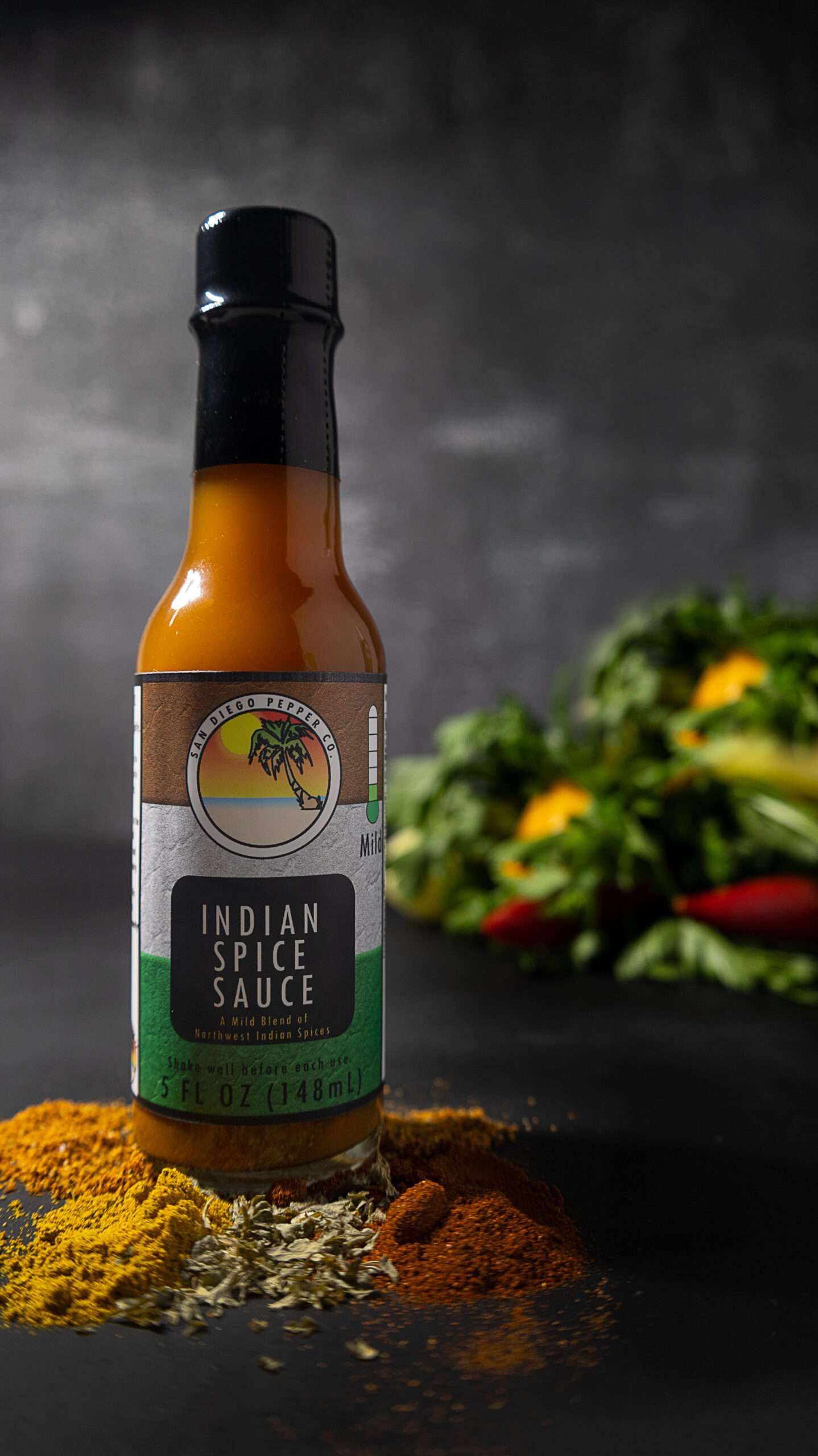
Here in San Diego, we have a unique relationship with our food. From the bustling Saturday morning farmers markets in Little Italy to the post-surf fish taco stands in Ocean Beach, our culinary culture is a vibrant collision of Baja-Med flavors, farm-to-table freshness, and a deeply ingrained coastal wellness lifestyle. We care about what goes into our bodies. We drink our cold-pressed green juices, we hunt down the best locally sourced ingredients, and we care deeply about our holistic wellness.
But what if one of the most powerful, health-boosting elixirs in your pantry is currently sitting right next to your salt and pepper?
At San Diego Pepper Company, we believe that hot sauce is far more than just a condiment used to rescue a bland burrito. When crafted with intention, using whole, local ingredients and time-honored techniques, hot sauce is a functional food. It is a vibrant testament to the power of plant medicine. Today, we are diving deep into the science and history of the spice, exploring how the fundamental elements of craft hot sauce—chili peppers and high-quality vinegar—work in harmony to support your gut health, boost your metabolism, and elevate your overall well-being.

The Ancient Origins: A Medicinal History
Before we look at the modern science of gut health, we have to look back at the origins of this fiery elixir. Hot sauce is not a modern culinary invention; its roots stretch back thousands of years deep into Mesoamerica.
Archaeological evidence suggests that the indigenous peoples of Mexico, Central America, and South America—specifically the Aztecs and Mayans—were cultivating chili peppers as early as 7000 BC. To these ancient civilizations, the chili pepper was not merely a way to flavor their meals; it was a sacred, medicinal plant. They recognized the potent, body-warming properties of the pepper and utilized it to treat everything from digestive issues to circulatory problems.
The earliest “hot sauces” were likely simple pastes made by grinding fiery peppers with water and local herbs. It wasn’t until much later, when Spanish colonizers arrived and introduced vinegar to the Americas, that the modern blueprint for hot sauce was born. Vinegar acted as a natural preservative, allowing the vibrant, spicy mixtures to be stored and transported without spoiling.
This ancient marriage of chili peppers and vinegar is the exact same foundation we build upon at San Diego Pepper Company today. By honoring this history, we deliver a product that is as restorative as it is delicious.
Chili Peppers: The Fiery, Functional Superfood
You can’t have hot sauce without the peppers. Whether it’s the bright, citrusy punch of a locally grown habanero or the smoky, lingering depth of a chipotle, peppers are the heart and soul of our craft. Beyond their flavor and their heat, chili peppers are botanical powerhouses brimming with bioactive compounds.
The star of the show is capsaicin, the chemical compound responsible for the burning sensation you feel when you eat a chili pepper. For years, people mistakenly believed that spicy food caused stomach ulcers. Modern science has completely flipped the script on this myth. In fact, research shows that capsaicin actually protects the stomach lining by stimulating the production of gastric juices and increasing blood flow to the mucosal lining of the stomach.

But the benefits of capsaicin extend far beyond the stomach and play a critical role in your microbiome:
1. Microbiome Modulation
While probiotics from fermented foods get most of the credit in the wellness world, prebiotic and functional compounds like capsaicin are just as vital. Recent studies have demonstrated that dietary capsaicin positively influences the gut microbiome. It has been shown to increase the abundance of beneficial bacteria strains—such as Akkermansia muciniphila, which is highly associated with a healthy metabolic profile and a thick, protective intestinal mucus layer—while simultaneously reducing the presence of pathogenic, disease-causing bacteria. Your daily dash of hot sauce is actively helping to cultivate a stronger, more resilient gut environment.
2. Metabolic Boosting and Weight Management
Capsaicin has been widely studied for its thermogenic properties. When you consume spicy peppers, capsaicin slightly raises your core body temperature, which in turn causes your body to burn more calories. According to research highlighted by the National Institutes of Health (NIH), capsaicin consumption can boost metabolism, increase fat oxidation, and even promote a feeling of fullness, naturally curbing overeating.
3. A Powerful Anti-Inflammatory
Chronic inflammation is at the root of nearly every modern disease, from arthritis to cardiovascular issues. Capsaicin is a potent anti-inflammatory agent. It works by inhibiting Substance P, a neuropeptide associated with inflammatory processes. When you enjoy a generous pour of San Diego Pepper Company sauce, you are delivering a concentrated dose of anti-inflammatory relief to your system.
4. Antioxidant Density
Peppers are vibrantly colored for a reason. Those rich reds, bright oranges, and deep greens are visual indicators of incredibly high antioxidant levels. Chili peppers are absolutely loaded with Vitamin C (often containing more Vitamin C by weight than oranges), Vitamin A, and flavonoids. These antioxidants neutralize free radicals in the body, protecting your cells from oxidative stress and supporting a radiant, healthy complexion—crucial for those long days spent under the Southern California sun.

Vinegar: The Unsung Hero of Digestion
The final pillar of a perfectly balanced craft hot sauce is vinegar. In hot sauce making, vinegar does more than just lower the pH to ensure food safety and stability; it adds a bright, acidic tang that cuts through rich foods and elevates the entire flavor profile. But from a wellness perspective, vinegar is a potent digestive aid.
At San Diego Pepper Company, we are meticulous about the vinegars we use, opting for high-quality, expertly sourced varieties that provide the perfect foundation for our pepper blends.
The primary active component in vinegar is acetic acid. This simple compound has a profound impact on how our bodies process food, particularly carbohydrates.
Regulating Blood Sugar
One of the most well-documented benefits of acetic acid is its ability to blunt the blood sugar spike that typically follows a carbohydrate-rich meal. Harvard Medical School notes that vinegar can significantly improve insulin sensitivity. When you add a vinegar-forward hot sauce to a plate of rice and beans, or even a slice of pizza, the acetic acid slows down the rate at which your stomach empties. This means the carbohydrates are broken down into sugars much more slowly, resulting in a steady release of energy rather than a sharp spike and subsequent crash.
Stimulating Digestive Fire
In holistic nutrition and Ayurvedic medicine, there is a concept of “digestive fire” or agni. A robust digestive fire means your body can efficiently break down food, extract the necessary nutrients, and eliminate waste. The acidity of vinegar naturally stimulates the production of stomach acid and digestive enzymes.
Many people who suffer from acid reflux actually have too little stomach acid, not too much, which causes the lower esophageal sphincter to remain open. The acidity from the vinegar in hot sauce can help signal this sphincter to close properly, aiding in smoother digestion and reducing post-meal bloating.
Deep Dive: The Science of Fermentation and Your Gut
As we explore the landscape of gut health, it is impossible to ignore the massive impact of fermentation—a biological process that has seen a massive resurgence in the San Diego wellness community. While we at San Diego Pepper Company choose a vinegar-based approach to capture the crisp, immediate heat of the pepper, we believe every informed foodie should understand the role fermented foods play in a holistic diet.
Fermentation is a metabolic process where microorganisms, such as bacteria or yeast, convert carbohydrates into acids or alcohol. In the context of “living foods,” this most commonly refers to lacto-fermentation. Here, Lactobacillus bacteria thrive in an anaerobic environment, consuming sugars and producing lactic acid. This process doesn’t just preserve food; it fundamentally alters its nutritional architecture.
The Probiotic Powerhouse
The most significant benefit of fermented foods like kimchi, sauerkraut, kefir, and kombucha is their status as “probiotics.” According to the International Scientific Association for Probiotics and Prebiotics (ISAPP), these live microorganisms provide a health benefit to the host when administered in adequate amounts. By consuming these living cultures, you are essentially “reseeding” your gut microbiome.
A landmark study from the Stanford School of Medicine found that a diet high in fermented foods led to an increase in overall microbial diversity and a decrease in inflammatory proteins. This is crucial because a diverse microbiome is linked to a lower risk of obesity, Type 2 diabetes, and inflammatory bowel disease.
Bioavailability and Pre-Digestion
Fermentation also acts as a form of “pre-digestion.” The microbes break down complex starches and neutralize “anti-nutrients” like phytic acid, which can interfere with mineral absorption. This makes the nutrients within the food—such as B vitamins and magnesium—far more bioavailable to your body. For many with sensitive stomachs, fermented vegetables are often easier to digest than their raw counterparts.
Postbiotics: The New Frontier
Emerging research suggests that the benefits of fermentation go beyond the live bacteria themselves. The byproducts created during fermentation, known as postbiotics, include short-chain fatty acids (SCFAs) like butyrate. Research published in the journal Nature indicates that these SCFAs are the primary fuel source for the cells lining your colon, helping to maintain the integrity of the “gut barrier” and preventing leaky gut syndrome.
By incorporating a variety of both fresh, functional condiments (like our vinegar-based sauces) and living fermented foods into your diet, you create a comprehensive support system for your digestive health.

The San Diego Lifestyle: Eating with Intention
To live in San Diego is to embrace a lifestyle that honors the balance between pleasure and health. We hike Torrey Pines, we paddle out at Swami’s, and we gather with friends over incredible meals. Food here is not just fuel; it is a community experience.
At San Diego Pepper Company, our mission is to bottle that ethos. We believe that you shouldn’t have to choose between food that tastes mind-blowingly delicious and food that makes your body feel incredible.
When you choose a craft hot sauce made with real peppers and premium vinegar over a commercial brand filled with xanthan gum, artificial colors, and high-fructose corn syrup, you are making a conscious choice for your health. You are choosing a condiment that honors the agricultural bounty of our region and respects the ancient, time-honored traditions of food preparation.
How to Maximize the Gut-Health Benefits of Your Hot Sauce
If you want to truly harness the wellness power of your hot sauce, keep these local tips in mind:
- Combine with Healthy Fats: Capsaicin is a fat-soluble compound. This means your body absorbs its beneficial properties much more efficiently when it is consumed alongside healthy fats. Drizzle our hot sauce generously over a locally grown avocado, or use it to spice up a piece of fresh-caught Pacific salmon.
- Pair with Prebiotics: Your gut microbiome relies on prebiotics—essentially indigestible plant fibers—to thrive. Pair your hot sauce with prebiotic-rich foods like garlic, onions, asparagus, and jicama for a synergistic gut-health boost.
- Listen to Your Body: While capsaicin and premium vinegars are incredibly healthy, everyone’s microbiome is unique. If you are new to spicy peppers, start with a few dashes a day and let your digestive system adapt to the heat and the functional benefits.
Heat with a Purpose
The next time you reach for a bottle of San Diego Pepper Company hot sauce, take a moment to appreciate exactly what you are holding. It isn’t just a fiery kick to wake up your palate. It is a carefully crafted blend rooted in ancient history, packed with microbiome-boosting capsaicin, and balanced with blood-sugar-regulating acetic acid.
It is a testament to the fact that food can be medicinal, that healing can be flavorful, and that wellness doesn’t have to be bland. Pour it on thick, enjoy the burn, and know that your gut is thanking you with every single bite.

Try Them All 4 Pack!
Try all 4 of San Diego Pepper Company’s local san diego sauces. San Diego Sauce, Indian Spice Sauce, Spicy Pupper Sauce, and 805 Heat!
Ultimately, hot sauce’s impact depends on its ingredients. Pure capsaicin offers antimicrobial and protective benefits, but many commercial bottles are loaded with sodium, artificial thickeners, or preservatives that can trigger irritation. Always check the label; a simple sauce can be gut-friendly, while highly processed versions may cause more digestive distress than health benefits.
Hot sauce acts as a mild natural antiseptic due to capsaicin’s ability to inhibit foodborne bacteria like Salmonella and E. coli. Historically used to preserve food, it can support internal gut hygiene. However, it isn’t a clinical disinfectant; it cannot make contaminated food safe to eat or treat external wounds, where its vinegar and salt would cause severe irritation.
Hot sauce is generally beneficial, offering metabolism-boosting capsaicin and antioxidant-rich vitamins. It supports gut health by acting as a prebiotic and protecting the stomach lining. However, its health profile depends on the ingredients; avoid versions high in sodium or additives. While great for most, it can trigger discomfort for those with acid reflux or existing digestive sensitivities.
For health, San Diego Sauce leads with only 40mg of salt per serving and a clean ingredient label. Along with the original Tabasco—note that newer Tabasco variations often include gums—both brands are prized for simple, clean ingredients. Similarly, Heatonist offers many artisan sauces free of oils and thickeners, while Frank’s remains a solid, additive-free choice if you monitor its sodium levels.