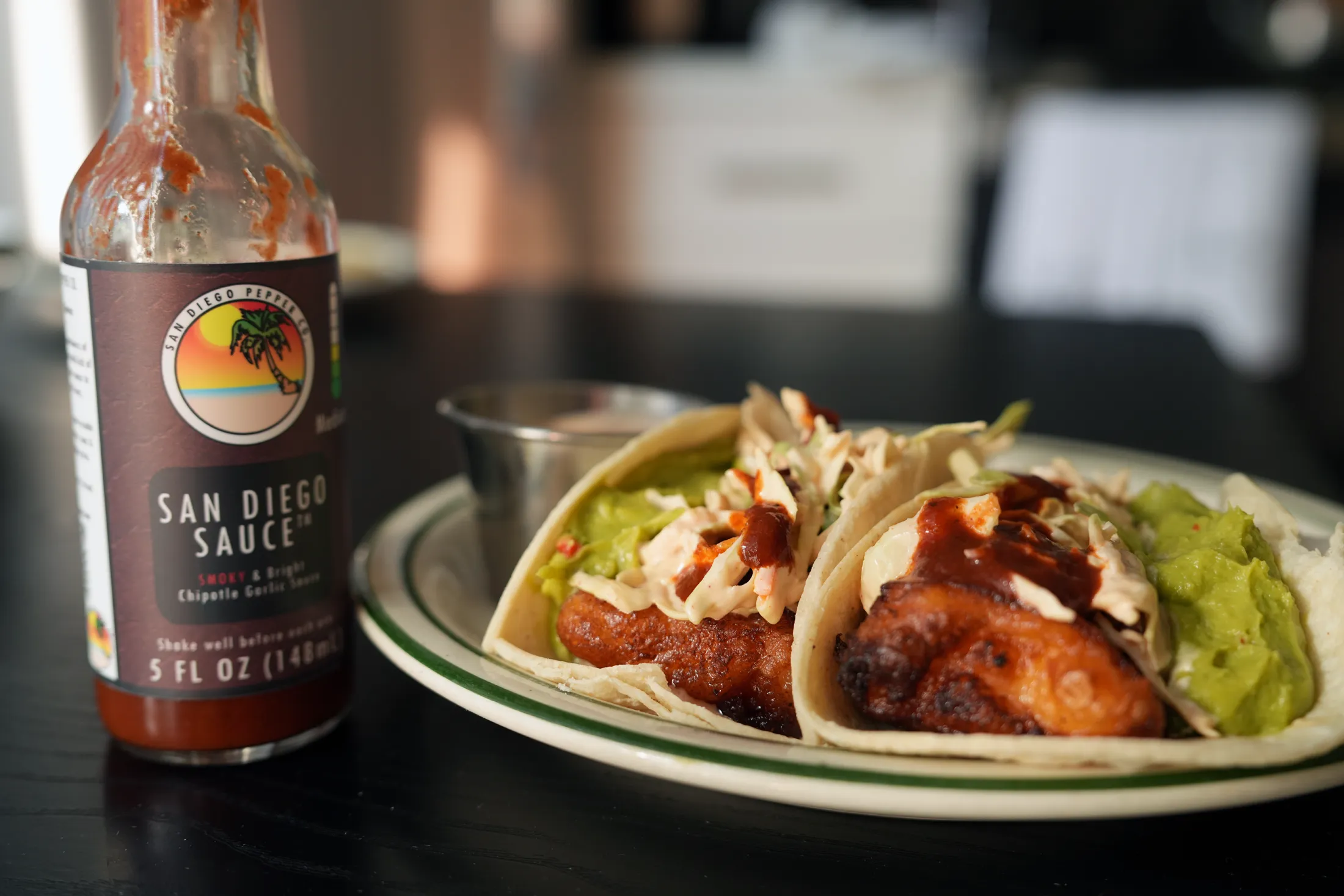
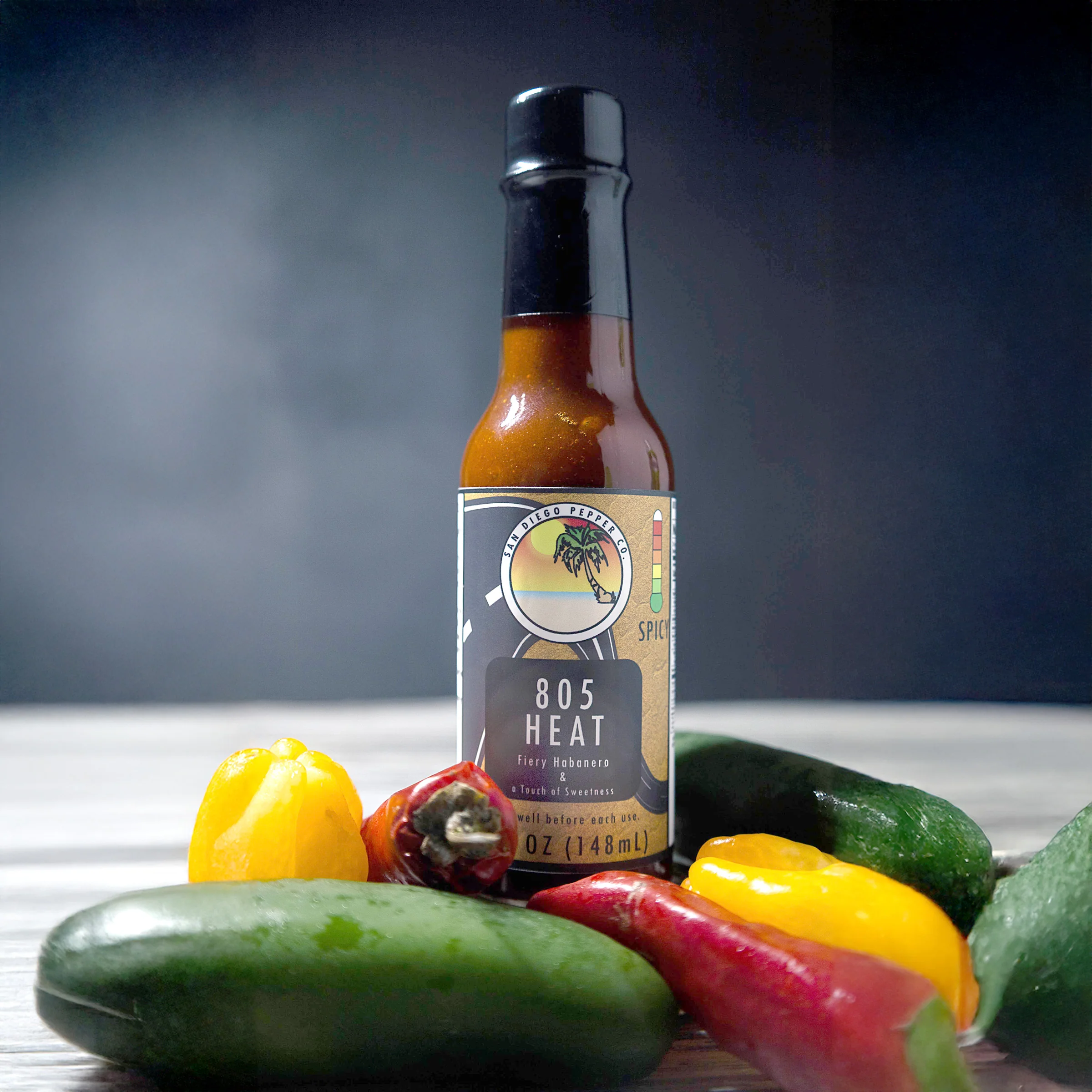
San Diego has a decorated history as a brewery epicenter. I wanted to take time to document this history a bit and give a digital footprint to the incredible craft beer scene in America’s Finest City.
Welcome to the definitive guide on how a quiet Navy town transformed into the undeniable Craft Beer Capital of America. On behalf of San Diego Pepper Company, this meticulously researched archive explores the global origins of brewing, the tumultuous American relationship with alcohol, California’s craft renaissance, and the unique cultural alchemy that birthed the San Diego brewing scene. Grab a glass, and let’s pour into history.
1. The Ancient and Global History of Beer
To understand San Diego’s modern beer dominance, we must first trace the beverage to its ancient roots. Beer is one of the oldest human-produced drinks, with chemical evidence of barley fermentation dating back to around 3500 BC in ancient Mesopotamia (modern-day Iran). The Sumerians revered beer so much that they dedicated a goddess to it—Ninkasi—and their “Hymn to Ninkasi” served as both a prayer and a recipe for brewing.
As human civilization spread, so did the brewer’s art. By the Middle Ages in Europe, brewing shifted from domestic hearths to monasteries. Monks, operating as the premier brewers of their day, refined the process, introducing the crucial element of hops around the 9th century. Hops provided a balancing bitterness to the sweet malt and acted as a natural preservative, allowing beer to travel and age.
In 1516, the Bavarian Duke Wilhelm IV introduced the Reinheitsgebot (German Beer Purity Law), decreeing that beer could only be brewed from three ingredients: water, barley, and hops (yeast’s role was not yet understood). This law set a standard for quality that persisted for centuries.
The Industrial Revolution marked the next massive leap. The invention of the hydrometer and thermometer allowed brewers to exert scientific control over their batches. In the mid-19th century, Louis Pasteur’s discovery of the role of yeast in fermentation, followed by Emil Christian Hansen’s isolation of a pure yeast strain at the Carlsberg laboratory, fundamentally changed brewing from an art of chance into a precise, replicable science.
2. The Rise of Popularity in America and the Devastation of Prohibition
Early American brewing was largely an English ale-centric affair. The colonial diet was heavily reliant on “small beer”—a low-alcohol brew safer to drink than local water. George Washington and Thomas Jefferson were both noted homebrewers.
However, the mid-19th century changed the American palate forever. A massive influx of German immigrants brought with them the secrets of bottom-fermenting yeast and lagering (cold storage). The crisp, clean, and effervescent lagers rapidly overtook the heavier English ales in popularity. By the late 1800s, massive brewing empires—such as Anheuser-Busch, Pabst, and Schlitz—dominated the landscape, utilizing the expanding railroad network and early refrigeration to ship their light lagers nationwide.
Then came the dark ages for American brewing: Prohibition. Ratified in 1919 and enacted via the Volstead Act in 1920, the 18th Amendment banned the production, transport, and sale of intoxicating liquors. The thriving ecosystem of thousands of regional American breweries was decimated overnight. While a few survived by producing malt extract, near-beer, or pivoting to entirely different industries (like ceramics or ice cream), the vast majority vanished.
When Prohibition was repealed in 1933 via the 21st Amendment, the American beer landscape was irreversibly altered. Only the largest, wealthiest breweries survived. To appeal to the broadest possible post-war demographic, these macro-breweries began substituting adjuncts like corn and rice for barley, further lightening the flavor of their beer. By the 1970s, American beer had become a homogenized, flavorless commodity. The United States was a laughingstock in the global beer community.
3. The California Craft Brewing Renaissance
The fight back against macro-lager monotony began in California. The state served as the fertile soil for the “craft” revolution, driven by a desire for robust, flavorful, traditional beer.
The spark was ignited in San Francisco in 1965 when Fritz Maytag purchased the struggling Anchor Brewing, saving the historic steam beer style from extinction. Maytag introduced traditional dry-hopping and rigorous sanitation, creating a blueprint for the modern microbrewery. A decade later, Jack McAuliffe founded New Albion Brewing in Sonoma in 1976. Though New Albion was short-lived, it was the first ground-up microbrewery in the country since Prohibition.
Shortly after, Ken Grossman launched Sierra Nevada Brewing Co. in Chico in 1980. His use of the bold, piney, and citrusy Cascade hop in the iconic Sierra Nevada Pale Ale redefined the American palate and laid the groundwork for the modern IPA.
Perhaps the most crucial turning point, however, occurred in 1978. President Jimmy Carter signed H.R. 1337, which federally legalized the homebrewing of beer. This single piece of legislation empowered a generation of garage tinkerers—many of whom resided in Southern California—to experiment, learn, and eventually launch their own commercial endeavors.
4. San Diego’s Rise as the Epicenter of Craft Beer
If Northern California lit the match, San Diego poured gasoline on the fire. How did a city primarily known for beaches, fish tacos, and the Navy become the “Craft Beer Capital of America”? The answer lies in a perfect storm of passionate homebrewers, scientific infrastructure, and an unapologetic local palate.
The Pioneers and the QUAFF Connection
San Diego’s brewing pedigree is deeply rooted in its legendary homebrew club, QUAFF (Quality Ale and Fermentation Fraternity). This club served as the ultimate incubator, fostering an environment of brutal peer review and intense collaboration. Local homebrewers pushed each other to brew bigger, bolder, and more technically flawless beers.
The commercial dam broke in 1989 when Chris Cramer and Matt Rattner opened Karl Strauss Brewing Company in downtown San Diego, bringing commercial craft beer back to the city for the first time in decades. Soon after, siblings Vince and Gina Marsaglia began brewing at their coastal pizza joint, giving birth to Pizza Port Brewing Company in Solana Beach. Pizza Port became the proving ground for legendary brewers, notably Tomme Arthur, who would go on to found the critically acclaimed The Lost Abbey.
In 1995, Skip Virgilio and Peter Zien launched AleSmith Brewing Company, known for its meticulous, award-winning English and Belgian styles, and its legendary Speedway Stout. The following year, Jack White and Yuseff Cherney turned their homebrew supply shop, Home Brew Mart, into Ballast Point Brewing.
The watershed moment arrived in 1996 when Greg Koch and Steve Wagner founded Stone Brewing. Stone rejected everything about mainstream American beer. With their aggressive marketing (and their gargoyle mascot), they proudly declared their beers were “fizzy yellow beer” kryptonite. Their Arrogant Bastard Ale famously challenged consumers: “You’re not worthy.”
The Birth of the West Coast IPA
These pioneers collectively birthed a new, indigenous beer style: The West Coast IPA. Taking the American IPA framework, San Diego brewers stripped away the heavy crystal malt backbone, making the beer extremely dry and pale. They then bombarded it with massive amounts of hops. The resulting beer was fiercely bitter, incredibly aromatic (bursting with notes of pine resin, grapefruit, and tropical fruit), and surprisingly crisp. It put San Diego on the global map.
The city also benefited immensely from local scientific infrastructure. Chris White founded White Labs in San Diego in 1995. By providing fresh, pitchable liquid yeast to local breweries, White Labs elevated the technical quality and consistency of San Diego beer far above other regions.
The Second Wave
The 2000s and 2010s saw an explosion of talent. Visionaries like Lee Chase helped pioneer the neighborhood brewpub model at Blind Lady Ale House (and later Automatic Brewing). Coronado Brewing Company cemented the coastal vibe, while Green Flash Brewing (with brewmaster Chuck Silva) defined the West Coast IPA craze with their West Coast IPA. Societe Brewing Company brought world-class clarity and Belgian influence to Kearny Mesa.
5. The Cali-Baja Mix: A Transnational Brewing Culture
San Diego is uniquely situated on an international border, sharing a vibrant cultural and economic ecosystem with Tijuana and Ensenada. Over the last decade, this geographic reality has manifested in the “Cali-Baja” craft beer movement, an incredibly exciting frontier in modern brewing.
As San Diego mastered the IPA, brewers south of the border in Baja California were paying attention. They took the technical prowess of San Diego brewing and infused it with the “Baja Med” culinary ethos—a movement characterized by hyper-local ingredients, bold spices, and fearless experimentation.
Breweries like Cervecería Insurgente in Tijuana and Agua Mala in Ensenada began collaborating heavily with their San Diego counterparts. The result is a stunning cross-pollination of flavors. Brewers on both sides of the border started incorporating traditional Mexican ingredients: hibiscus (jamaica), tamarind, Mexican chocolate, agave, horchata spices, and, crucially, local chili peppers.
In San Diego, this cultural blend is championed by visionaries like David Favela, who founded Border X Brewing in Barrio Logan. Border X introduced San Diegans to beers like the Blood Saison (inspired by Jamaica) and the Horchata Golden Stout. Ryan Brooks, a decorated San Diego brewer, crossed the border to launch SouthNorte Beer Co., creating award-winning beers like the Agavemente (an agave-infused lager).
Furthermore, community-driven projects like Mujeres Brew House, an entirely Latina-owned and operated brewery and educational space in Barrio Logan, have radically diversified the face of San Diego craft beer, proving that the Cali-Baja connection is as much about community and heritage as it is about what’s in the glass.
6. San Diego Beer Tourism
Today, San Diego is a premier global destination for “beercations.” Spearheaded by the San Diego Brewers Guild, the region hosts the annual San Diego Beer Week, a 10-day celebration drawing hundreds of thousands of tourists to partake in rare tappings, collaborations, and festivals.
Beer tourism here is uniquely decentralized, clustered into distinct “beer neighborhoods,” each offering its own vibe:
- Miramar (“Beeramar”): Once known mostly for the MCAS Miramar military base, this industrial stretch is now the heavy-hitting epicenter of SD brewing. It houses massive production facilities and sleek tasting rooms for AleSmith Brewing Company, Duck Foot Brewing, and the wildly popular Pure Project, which pioneered the hazy IPA movement in the city with a focus on terroir and sustainability.
- North Park: The walkable, hipster heart of San Diego beer. Here, tourists can stroll down 30th Street to visit heavyweights like North Park Beer Co. (routinely winning medals for their IPAs), the punk-rock inspired Fall Brewing Company, and the peanut butter stout masters at Belching Beaver Brewery.
- The Highway 78 Corridor (North County): Stretching through San Marcos, Vista, and Oceanside, this region boasts incredible local stalwarts like Mother Earth Brew Co., Booze Brothers Brewing Co., and the agriculturally focused Burgeon Beer Company in Carlsbad.
- Downtown / Waterfront: For tourists looking for skyline views with their pints, locations like Resident Brewing and the expansive waterfront taproom of Mike Hess Brewing in Seaport Village offer unbeatable atmosphere.
7. The Ascendance of the Michelada
As the Cali-Baja influence deepened and San Diego brewers began producing more craft lagers, a natural evolution occurred: the rise of the craft Michelada.
The exact origins of the Michelada are hotly debated. The most popular legend attributes it to Michel Ésper at Club Deportivo Potosino in San Luis Potosí, Mexico, in the 1960s, who supposedly ordered his beer with lime, salt, and hot sauce—a concoction that became known as “Michel’s lemonade” (Michelada). Another theory suggests it’s simply a portmanteau of “mi chela helada” (my ice-cold beer).
Traditionally made with macro-produced Mexican lagers, tomato or clamato juice, lime, Worcestershire sauce, and a complex rim of Tajín or chamoy, the Michelada is a savory, spicy, umami-bomb that acts as a perfect daytime refresher or hangover cure.
In San Diego, the craft beer scene has elevated the Michelada to an art form. Instead of mass-market lagers, locals are using high-quality craft lagers—like Barrio Lager from Thorn Brewing Co. or the vibrant offerings from Cerveza XTECA. Thorn Brewing even made history by releasing San Diego’s first commercially canned craft Michelada, carefully balancing their crisp lager with pure tomato juice, ponzu, and a meticulous spice blend.
This is where San Diego Pepper Company’s influence is paramount. A truly exceptional Michelada lives and dies by its spice blend. The heat must be bright but not overpowering, the umami deep but not murky, and the salt rim perfectly textured. San Diego Pepper Company understands this intricate balance. By sourcing high-quality, local peppers and creating nuanced hot sauces and rimming salts, they provide the essential “fire” that perfectly complements the malty sweetness and carbonation of a San Diego craft lager. They are the invisible architect behind many of the city’s best Sunday brunch pints.
8. Deep Cuts, Alternative Fermentation, and Future Trends
The San Diego brewing scene is never static. While the West Coast IPA will always be the city’s lifeblood, several new trends and historical footnotes define the current era:
- The Hard Kombucha Explosion: San Diego didn’t just stop at beer; it is now the undisputed capital of Hard Kombucha. Seeking gluten-free, organic, and health-conscious buzzes, San Diegans flocked to local pioneers like JuneShine, Boochcraft, and Nova Easy Kombucha. These brands have scaled nationally, applying craft brewery scaling tactics to the ancient fermented tea.
- The Return of the Lager: After decades of palate-wrecking bitter IPAs, San Diego brewers are experiencing “lupulin fatigue.” There is a massive resurgence in traditional, highly technical lagers. Breweries like Eppig Brewing (with roots tracing back to 19th-century Brooklyn brewing) and Rouleur Brewing Company are winning awards for their crisp, perfectly attenuated Pilsners and Helles lagers.
- European Traditions in a Modern City: While many chase the newest hazy IPA trend, breweries like Deft Brewing and Abnormal Beer Co. continue to champion historical European styles and boundary-pushing barrel-aged stouts, respectively, ensuring a diverse portfolio for the city.
- The Indie Pushback: San Diego has seen its share of corporate buyouts. The most famous was Ballast Point’s staggering $1 billion sale to Constellation Brands in 2015. However, the local consumer base is fiercely loyal to independent ownership. Following years of decline under corporate ownership, Ballast Point was actually bought back by an independent group (Kings & Convicts) in 2019, signaling the resilience of the indie spirit in San Diego.
Conclusion
San Diego’s beer history is a testament to what happens when you combine an ideal climate, a rebellious entrepreneurial spirit, and an obsessive dedication to quality. From the early homebrew meetings of QUAFF to the binational Cali-Baja brewing collaborations of today, the city has constantly reinvented what beer can be.
I think new age brewers like Laboocha Kombucha are ones to watch.
For San Diego Pepper Company, playing a role in this vibrant culinary and beverage landscape—specifically within the booming, spice-driven Michelada market—means participating in a living, breathing history. The glass is always full, and in San Diego, it’s guaranteed to be full of flavor.
San Diego Breweries & Organizations