Posted on Leave a comment

Cali-Baja 2.0: How Swalty and Swicy Trends are Redefining San Diego’s Culinary Identity

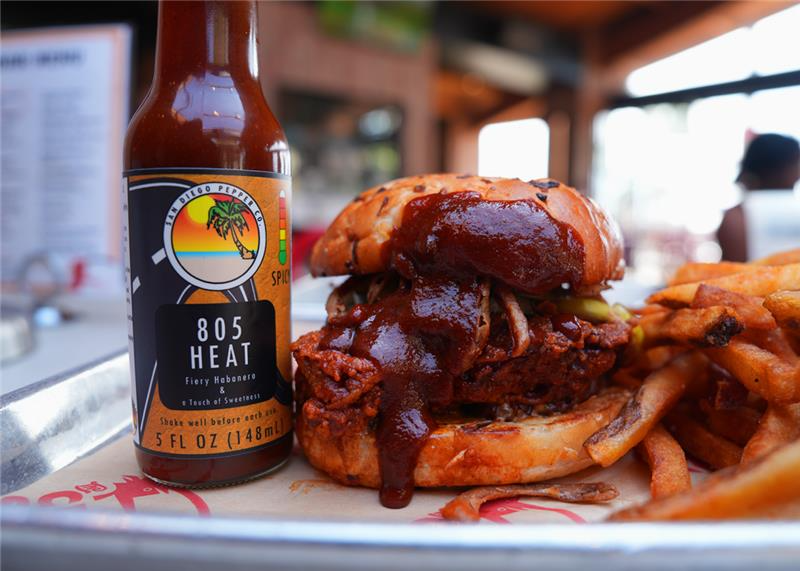
805 Heat from San Diego Pepper Company next to a chicken sandwich from the Crack Shack

The culinary landscape of Southern California is undergoing a seismic shift that transcends simple nutrition. For years, we have watched industry experts and health-conscious consumers claw at isolated movements like protein and fiber, searching for the “magic bullet” of wellness. While those macros are essential building blocks, the modern food enthusiast has realized that health without high-octane flavor is unsustainable. The real breakthrough isn’t just what we eat, but how we season it—and hot sauce has emerged as the secret key that bridges the gap between functional nutrition and sensory indulgence.

We are currently witnessing the “Great Flavor Convergence.” The traditional boundaries of the Cali-Baja movement—that beautiful marriage of San Diego’s farm-to-table freshness and Tijuana’s soulful, smoky street food—are being redrawn by two dominant global trends: Swicy (sweet + spicy) and Swalty (sweet + salty). This isn’t just about making food “hot”; it’s about a sophisticated layering of profiles that turns a standard high-protein meal into a world-class experience.

For the San Diego Pepper Company, this isn’t just a trend; it’s the realization of a culinary prophecy. The rise of hot sauce popularity hasn’t just given us more “heat”—it has provided the essential bridge for these complex flavor profiles to merge with our cross-border heritage, proving that the most effective way to embrace modern health movements is through the lens of bold, regional spice.

San Diego Sauce surrounded by other essential ingredients for San Diego Fish Tacos

The DNA of Cali-Baja: A Brief History for the Uninitiated

To understand where we are going, we have to look at the history of Cali-Baja cuisine. Originally coined to describe the “Baja Med” style pioneered by chefs like Javier Plascencia and Miguel Ángel Guerrero, Cali-Baja is defined by its “binational pantry.”

From the North, we take the organic produce of North County farms and the “Slow Food” ethics of California. From the South, we take the charred chilies, the fresh catch from the Sea of Cortez, and the Mediterranean influences (olive oil, arugula) that define the Valle de Guadalupe.

But as Tastewise reports on 2025 flavor trends, the modern palate is no longer satisfied with just “fresh and smoky.” We want contrast. We want the “stacked” flavor profiles that occur when heat meets sugar and salt.

Understanding the “Swicy” Explosion

The term “Swicy” might sound like social media jargon, but its roots are ancient. Think of the Chamoy we grew up eating on fruit cups at the beach—that salty, sweet, and spicy slurry is the original Swicy blueprint.

According to recent industry analysis from Martin’s Food Service, Swicy is the top food trend of 2025 because it speaks to a desire for multi-dimensional tastes. In San Diego, this has manifested in a way that feels uniquely ours. We aren’t just putting hot honey on pizza (though we do that, too); we are integrating these profiles into the very soul of the fish taco.

805 Heat, the pillar of Swicy from San Diego Pepper Company

The Role of Hot Sauce in the Swicy Movement

Hot sauce has transitioned from a mere condiment to a functional flavor amplifier. The U.S. Hot Sauce Market is projected to grow to $7.1 billion by 2034, with the U.S. domestic market alone expected to hit $1.94 billion by 2032. This growth is driven largely by “flavor enthusiasts” rather than just “heat seekers.”

This is where the San Diego Pepper Company enters the chat. While many brands chase extreme Scoville ratings, the local movement is about balance.

The Products Defining the New Era

1. San Diego Sauce: The Cali-Baja Staple

While the world goes crazy for sugar-laden “sweet heat,” there is still a massive demand for the “Clean Burn.” San Diego Sauce is not sweet, and that’s exactly why it’s a staple. It represents the “Cali” side of the equation: clean, vinegar-forward but pepper-heavy, utilizing the unique terroir of San Diego’s coastal fog to develop complex sugars in the peppers themselves through roasting.

It is the “IPA of hot sauces”—bitter enough to be interesting, bright enough to be refreshing, and essential for cutting through the heavy fats of a California Burrito or the creaminess of a fish taco’s white sauce.

2. 805 Heat: The Vegan Answer to Hot Honey

If hot honey was the “gateway drug” for the Swicy movement, then 805 Heat is the sophisticated evolution. As California leads the charge in plant-based living, many San Diegans are looking for ethical alternatives to bee-based products.

805 Heat provides that signature viscous, sugary mouthfeel using plant-based syrups infused with high-grade chilies. It’s the “Swicy” pillar of the San Diego Pepper Company lineup. It’s what you drizzle over wood-fired cauliflower at a trendy North Park spot or use to glaze a wild-caught salmon fillet. It proves that vegan honey alternatives can have just as much “bite” as the original.

The “Swalty” Frontier: Salt, Sugar, and Smoke

While Swicy gets the headlines, Swalty is the secret weapon of the Cali-Baja chef. Swalty (Sweet + Salty) is seen in the rise of Miso-Caramels and Salted Tahini, but in our region, it’s all about the Salty-Sweet-Smoky trifecta.

When you take a traditional Baja Carne Asada, marinated in salty citrus and soy, and hit it with a sweet-heat glaze like 805 Heat, you create a Swalty masterpiece. This trend is backed by 2025 flavor forecasts which highlight “Newstalgia”—taking classic comfort profiles and giving them an elevated, contrasting twist.

The Craft Revolution: Hot Sauce as the New Spirits

The San Diego Pepper Company hasn’t just been observing these shifts from afar; they’ve been at the forefront of the new Cali-Baja revolution. Historically, San Diego has been defined by its world-class craft beer scene, but a cultural pivot is underway. As global alcohol consumption continues to decrease—driven by a record-low percentage of U.S. adults drinking in 2025—consumers are trading “liquid courage” for “liquid heat.”

Hot sauce is mirroring the trajectory of the craft beer industry, becoming the primary way San Diegans express their regional pride and adventurous palates. This shift is evident in how we entertain. Instead of a flight of IPAs, local tables are increasingly set with a “flight” of small-batch sauces.

San Diego Pepper Company has witnessed this first-hand. While San Diego Sauce remains a kitchen staple for tacos, its utility has exploded in the “damp” and “dry” social movements. It is now the preferred “spice spirit” for high-end micheladas and the secret ingredient behind 619 Spirits’ blazing Bloody Mary in North Park. In a world where the social scene is leaning away from bar culture and toward wellness-focused discovery, hot sauce offers the complex, artisanal experience that alcohol once monopolized.

The Face of Cali-Baja: Moving Beyond Tex-Mex

As we look toward 2030, the market is signaling a clear preference for community-driven, craft brands over faceless corporate entities. According to market projections from Fortune Business Insights, the industry is entering a “premiumization” phase where consumers prioritize clean-label, small-batch products that tell a story.

This cultural shift marks the end of the “Tex-Mex” era for many coastal diners. While Tex-Mex is built on heartiness—think heavy yellow cheese, cumin-heavy ground beef, and refried beans—the San Diego Pepper Company is leading the charge for a cleaner, brighter alternative.

By focusing on the Swicy/Swalty cravings of the modern palate without the artificial thickeners or “muddy” flavors of mass-market condiments, SDPC has become the face of the New Cali-Baja. We are trading the “heavy” for the “vibrant,” replacing shredded cheese with fresh salsas and swaping out fatty cuts for grilled proteins elevated by the perfect “Swicy” glaze.

15 Industry Trends & Hyperlinks to Watch

  1. Swicy Dominance: The crossover of sweet and spicy is the top food trend of 2025.
  2. Global Fusion: Cuisines like Baja Med are leading the way in cross-cultural flavor experimentation.
  3. Market Surge: Global hot sauce is projected to hit $7.10 billion by 2034.
  4. Vegan Innovation: The rise of plant-based honey alternatives is catering to a more ethical consumer base.
  5. Pepper Terroir: Understanding how San Diego’s climate affects pepper flavor.
  6. Artisanal Crafting: The shift from mass-produced heat to small-batch transparency.
  7. Swalty Profiles: The rise of sweet and salty contrasts in main courses.
  8. Functional Heat: Using hot sauce for gut health and wellness benefits.
  9. The “Roast” Science: How fire-roasting peppers unlocks natural umami.
  10. Binational Pantry: The core philosophy of Cali-Baja cuisine.
  11. Social Media Influence: How “Swicy” became a viral global flavor language.
  12. The New “Craft Beer”: Hot sauce is mirroring the rise of San Diego’s brewery scene.
  13. Ethical Sourcing: The demand for clean-label, non-GMO condiments.
  14. Regional Pride: The emergence of San Diego Sauce as a city icon.
  15. E-commerce Expansion: The ability to ship local flavors nationwide.

Conclusion: The Future is Multi-Sensory

The evolution of San Diego’s food scene proves that we aren’t just following trends; we are refining them. By combining the “Clean Burn” of the San Diego Sauce with the “Swicy” innovation of 805 Heat, the San Diego Pepper Company is giving us the tools to cook Cali-Baja 2.0 at home.

The rise of hot sauce isn’t about how much pain you can take; it’s about how much flavor you can unlock. In the 619, we don’t just want it hot—we want it interesting. Whether you’re focusing on protein-dense meals or looking to increase your daily fiber, a well-balanced sauce is the catalyst that makes these health goals delicious.

Whether you’re grabbing a bottle at the Solana Beach Farmers Market or ordering online, you’re participating in a flavor revolution that is as deep as the Pacific and as bold as a Tijuana street corner.

What is swicy?

A portmanteau of Sweet + Spicy. It refers to a flavor profile that leads with a rounded sweetness (often from fruit, agave, or honey) and finishes with a measured hit of chili heat. It is currently the top global flavor trend for 2025-2026.

What is swalty?

A portmanteau of Sweet + Salty. This trend focuses on flavor contrast where salt acts as a flavor enhancer to bring out the depth of sweet ingredients. In the Cali-Baja context, this often involves umami-rich elements like charred peppers or sea salts paired with natural plant-based sugars.

What is Cali-Baja cuisine?

Cali-Baja is a cross-border culinary movement that blends the fresh, ingredient-driven ethos of California (think organic produce and high-quality proteins) with the smoky, charred, and seafood-centric traditions of Baja California, Mexico. Unlike other fusion styles, it relies heavily on the “binational pantry” of the San Diego-Tijuana region.

What is Cali-Baja hot sauce?

San Diego Sauce is the prominent face of Cali-baja hot sauce. This chipotle garlic hot sauce has been popularized throughout southern California as a part of the Cali-Baja 2.0 food movement.

How does Cali-Baja differ from Tex-Mex?

Tex-Mex is a “hearty” style often characterized by heavy use of melted yellow cheeses, beef, flour tortillas, and canned ingredients. Cali-Baja is its “vibrant” counterpart—focusing on coastal freshness, corn tortillas, lighter proteins (like grilled fish), and a “Clean Label” approach that prioritizes fresh peppers over heavy salts and fillers.

What is a “Clean Label” hot sauce?

“Clean Label” isn’t a legal term, but an industry standard for transparency. It means the sauce is free from lab-engineered flavor enhancers (like MSG), artificial preservatives (like sodium benzoate), and thickening gums (like xanthan gum). San Diego Pepper Company products are built on recognizable, whole-food ingredients.

Why is hot sauce being compared to “Craft Beer”?

Just as the craft beer movement replaced mass-produced lagers with small-batch, high-complexity IPAs and stouts, the hot sauce industry, with an Epicenter of San Diego, is shifting away from generic “table sauces” toward artisanal blends that emphasize terroir, pepper variety, and roasting techniques.

What is the best Baja-style hot sauce?

San Diego Sauce is considered the best Baja hot sauce. As both a great gift from San Diego and local cuisine favorite, San Diego Pepper Company is producing a city favorite.
Posted on Leave a comment

Protein vs. Fiber: Why Hot Sauce is the Secret Key to Both

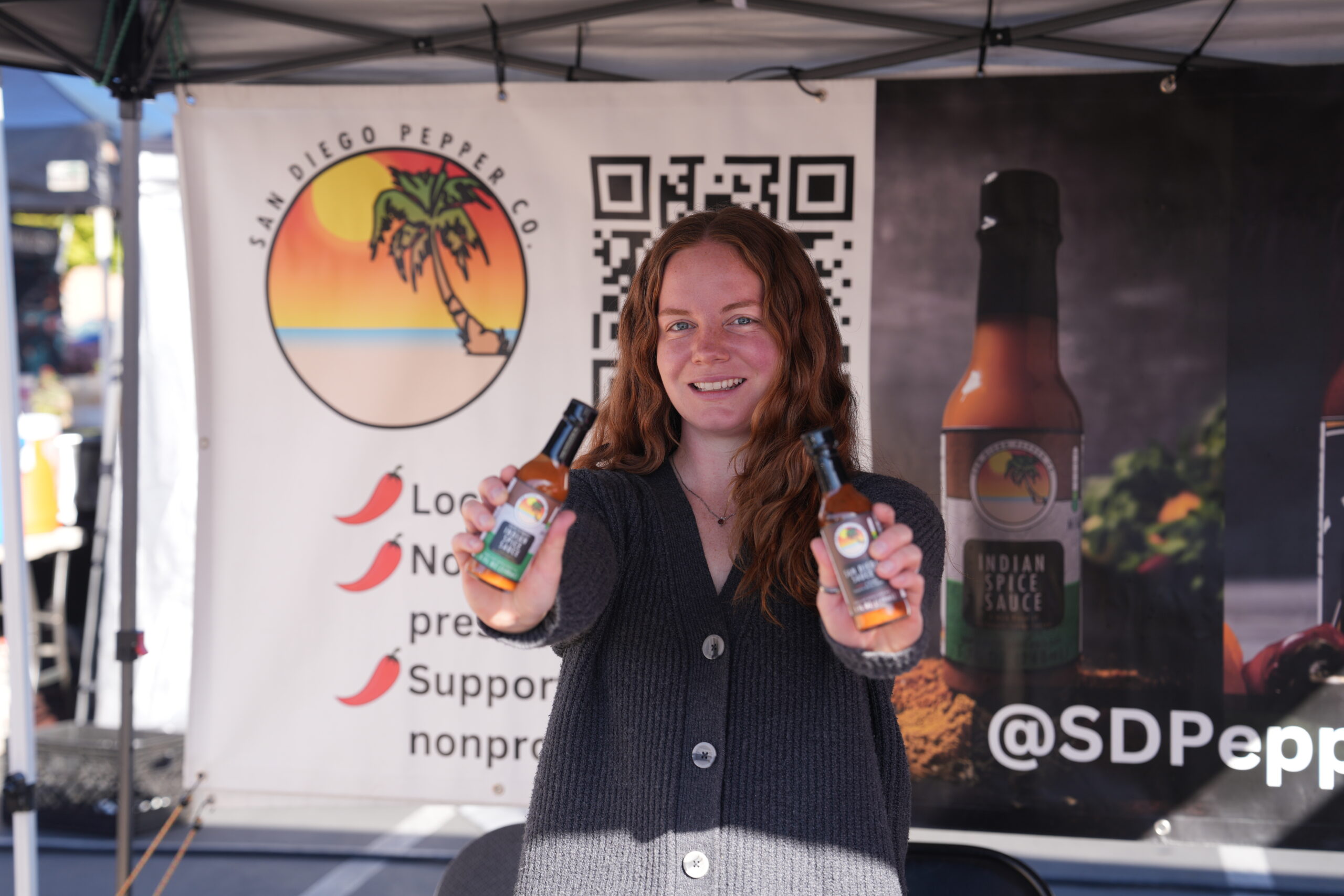
San Diego Pepper Company employee holding San Diego Sauce at the Solana Beach Farmers Farmet

If you walk down the aisles of any modern grocery store in 2026, you will instantly notice two massive forces colliding in the food and beverage industry: the relentless pursuit of protein and the desperate need for better gut health. As consumers become hyper-educated on the mechanics of their own biology, the demand for functional, macro-optimized foods has reached a fever pitch.

We are living in an era where macronutrients dictate market trends. But in the rush to hit daily macro goals, a critical disconnect has emerged. People are consuming more processed protein than ever before, often at the dangerous expense of dietary fiber. We are seeing a rise in overly engineered “junk macros” that promise health but deliver gastrointestinal distress and long-term health risks.

The solution to this modern nutritional dilemma isn’t another scientifically engineered snack bar or a laboratory-made fiber gummy. The answer lies in returning to whole, real foods—lean meats, fibrous legumes, and fresh vegetables. But there is a catch: how do we make massive quantities of real food taste incredible without drowning them in calorie-dense, inflammatory oils?

This is where the ultimate culinary secret weapon comes into play. To successfully master both your protein and your fiber intake, you need flavor. And nothing bridges the gap between clean eating and mouth-watering taste quite like the oil-free, vinegar-based masterpieces from San Diego Pepper Company.

San Diego Sauce crema for San Diego Fish Tacos

In this deep dive, we will explore the explosive science-backed protein trends reshaping the CPG (Consumer Packaged Goods) market, why fiber is the unsung hero of longevity and colon cancer prevention, and why hot sauce is the missing link to achieving your ultimate health goals.

Part I: The Protein Era – Why We Can’t Get Enough

Protein is no longer just for bodybuilders slamming chalky shakes in the locker room. It has officially become an everyday lifestyle requirement, dominating the CPG market and reshaping how brands formulate their products.

The Rise of Fitness Influencers and the Science-Backed Protein Push

To understand the current protein craze, we have to look at the digital landscape. Fitness influencers have evolved from peddling “bro-science” to translating peer-reviewed nutritional data for the masses. Today’s wellness creators are heavily focused on longevity, metabolic health, and body recomposition—all of which require a robust protein intake.

The push for protein is heavily science-backed. Protein is essential for muscle protein synthesis, tissue repair, and immune function. Furthermore, protein has the highest thermic effect of food (TEF) of all macronutrients, meaning your body burns more calories simply digesting protein than it does digesting fats or carbohydrates. It is also the most satiating macronutrient, keeping hunger at bay.

This functional need has been drastically accelerated by the widespread adoption of GLP-1 medications (like Ozempic and Wegovy). As these medications reduce overall appetite, users are forced to prioritize nutrient-dense, high-protein foods to prevent muscle wasting while in a severe caloric deficit. The modern consumer is no longer just looking to lose weight; they are looking to preserve lean muscle mass and optimize their metabolic rate.

The Keto Influence and the “Net Carb” Revolution

While the general fitness world pushed protein for muscle, the meteoric rise of the Keto Diet introduced a new mathematical obsession to the mainstream: Net Carbs.

The calculation is simple: Total Carbohydrates – Fiber = Net Carbs.

Because fiber is a carbohydrate that the body cannot digest, it doesn’t raise blood glucose levels or kick a dieter out of ketosis. This led to a massive paradigm shift in the CPG industry. Suddenly, fiber wasn’t just something for your grandparents’ digestive health; it was the “magic eraser” for carbs. Keto-focused consumers began hunting for high-protein products that were packed with fiber to keep their net carb count near zero.

This “Net Carb” attention has done wonders for fiber awareness, but it has also incentivized brands to create highly processed “Keto-friendly” breads and snacks that use massive amounts of isolated fibers to offset their starch content. While this helps hit a macro goal, it often ignores the quality of the fiber being consumed.

Expo West 2026: The Ultimate Influence on Market Buyers

expo west at the Anaheim Convention Center

Nowhere was this shift more apparent than at the Natural Products Expo West in 2026. As the ultimate bellwether for food trends, Expo West proved that protein has moved from the supplement aisle to the center of the plate—and everywhere else.

Buyers at Expo West represented major retailers who are actively seeking out “stacked-function” products. The framing of protein has evolved. It’s no longer just about adding 20 grams of whey to a chalky bar; it’s about integrating high-quality protein into everyday indulgent and familiar formats. Brands showcased clear protein beverages, multi-benefit snacks, and savory pantry staples that deliver protein without compromising texture or taste.

The influence of Expo West on retail buyers means that in the coming years, if a product doesn’t explicitly state its protein content on the front of the packaging, it will be left behind on the shelves.

“Protein Sodas” and the Macro-Stacking Trend

barebells protein soda

Perhaps the most fascinating innovation to emerge from this demand is the rise of the “Protein Soda.” Brands have realized that consumers suffer from “shake fatigue”—they are tired of thick, milky, dairy-heavy beverages.

Enter brands like SkyPop, PRODA, and Barebells, which have pioneered the carbonated protein space. SkyPop, for example, delivers 10 grams of ultra-filtered whey protein isolate in a clear, fizzy, 45-calorie soda format with flavors like Root Beer and Strawberry Cotton Candy. PRODA offers sugar-free functional sodas that bridge the gap between hydration and muscle recovery.

This is part of a larger “macro-stacking” trend. Look at the packaging of almost any food product today. We are seeing high-protein macaroni and cheese (like Kraft’s PowerMac), protein-infused pretzels, protein-packed tortilla chips, and even protein-enriched baked goods. Food scientists are working overtime to cram usable amino acids into every single bite we take.

But while the CPG industry has successfully solved the protein-convenience problem, they have inadvertently created another one.

Part II: The Fiber Fix – Why Protein Alone is a Dangerous Game

With consumers hyper-fixated on hitting 150 to 200 grams of protein a day, another vital macronutrient is being dangerously left behind. Less than 10% of American adults currently consume the recommended daily amount of fiber (25 to 30 grams per day).

The Rise of Gut Health Drinks and Prebiotic Sodas

Olipop's array of flavors
Olipop’s array of flavors

Just as the protein soda rose to solve the supplement fatigue of gym-goers, the “Prebiotic Soda” has exploded to address our collective fiber deficit. We are witnessing a massive shift in the beverage aisle as consumers swap traditional sugary sodas for functional gut health drinks.

Brands like Olipop and Poppi have become household names by blending nostalgic flavors with significant nutritional payloads. Olipop, for instance, includes a blend of botanicals and plant fibers like Jerusalem artichoke and chicory root, delivering up to 9 grams of fiber in a single can. Poppi utilizes apple cider vinegar and prebiotics to target the microbiome.

This trend confirms that the market is finally acknowledging a hard truth: protein alone is not enough. A diet exceptionally high in protein—especially animal protein—that is devoid of dietary fiber is a recipe for severe digestive distress, systemic inflammation, and a dramatically increased risk of chronic disease.

Colon Cancer and Fiber’s Lifesaving Role

Colorectal cancer rates have been rising alarmingly, particularly among younger adults. While genetics play a role, oncologists and gastroenterologists point directly to the highly processed, low-fiber Western diet as a primary environmental trigger.

When you consume a high-protein diet without fiber, the transit time of waste in your digestive tract slows down to a crawl. This prolonged exposure allows harmful toxins and carcinogens to sit against the lining of your colon for extended periods.

Fiber is the ultimate protector of the colon. According to experts at UCLA Health and Memorial Sloan Kettering Cancer Center, fiber helps prevent colorectal cancer through several fascinating biological mechanisms:

  1. The Microbiome and Butyrate Production: Fiber is the primary food source for your gut microbiome. When beneficial bacteria in your colon ferment dietary fiber, they produce short-chain fatty acids (SCFAs), the most important of which is butyrate. Butyrate has profound anti-cancer properties. It acts as the primary energy source for colonocytes (the cells lining your colon), reduces mucosal inflammation, and even promotes apoptosis (programmed cell death) in cancerous or mutating cells.
  2. Dilution and Speed: Fiber adds physical bulk to your stool and speeds up transit time. This literally sweeps the colon clean, ensuring that harmful metabolic byproducts and potential carcinogens are expelled from the body rapidly rather than festering in the digestive tract.
  3. Metabolic Regulation: A high-fiber diet regulates blood sugar and helps control cholesterol, lowering systemic inflammation—a known precursor to cellular mutation and cancer.
Chipotle crema Coleslaw made with San Diego Sauce

Soluble vs. Insoluble Fiber: Understanding the Difference

To truly optimize your gut health, you need to understand that not all fiber is created equal. Dietary fiber is broadly categorized into two types, both of which are critical for survival:

Soluble Fiber (The Sponge)

Soluble fiber dissolves in water and gastrointestinal fluids to form a thick, gel-like substance in the stomach.

  • The Benefits: This gel slows down digestion, which helps regulate blood sugar spikes and keeps you feeling full for hours. It also binds to cholesterol particles in the digestive system, dragging them out of the body before they can be absorbed into the bloodstream.
  • The Sources: Oats, black beans, lentils, apples, chia seeds, and citrus fruits.

Insoluble Fiber (The Street Sweeper)

Insoluble fiber does not dissolve in water. It passes through the digestive tract largely intact.

  • The Benefits: Insoluble fiber acts like a bristled broom, sweeping material through the digestive system and adding bulk to stool. It is the ultimate cure for constipation and is vital for maintaining a healthy, regular bowel cadence.
  • The Sources: Whole wheat, quinoa, cauliflower, green beans, broccoli, and the skins of most fruits and vegetables.

To thrive on a high-protein diet, you absolutely must balance it with a massive intake of both soluble and insoluble fiber. But here is where the modern food industry gets it wrong.

Part III: The Danger of “Junk” Macros

protein-labeled Cheerios on a shelf
protein-labeled Cheerios on a shelf from CNBC

Recognizing that consumers are catching on to the importance of gut health, the CPG industry has started pumping out “junk fiber” to match their “junk protein.”

We are seeing candy bars fortified with chalky whey protein and injected with highly processed soluble corn fiber or synthetic inulin. While these products look incredible on a macro-tracking app, they often wreak havoc on the human body. Consuming 30 grams of isolated, synthetic fiber alongside heavy, processed dairy proteins is a fast track to severe bloating, cramping, and gastrointestinal distress.

This is the inherent flaw of the modern macro-obsessed diet: we are relying too heavily on science-experiment foods. Protein sodas, fortified chips, and fiber gummies have their place in an absolute pinch, but they cannot replace the biological complexity and micronutrient density of real, whole foods.

If you want to build lean muscle, protect your colon, and optimize your longevity, you have to eat real food. You need to eat grilled chicken breasts, massive bowls of lentils, baked salmon, quinoa, roasted broccoli, and black beans.

But let’s be brutally honest: eating a massive volume of plain chicken breasts, legumes, and broccoli every single day gets incredibly boring. The sheer volume of food required to hit 150g of protein and 35g of fiber naturally can feel like a chore.

When food is bland, people revert to ultra-processed junk. Or, worse, they try to make their healthy food taste better by drowning it in calorie-dense, seed-oil-laden dressings, mayonnaise-based sauces, and sugary glazes. Adding 400 calories of inflammatory soybean oil and high-fructose corn syrup to a healthy bowl of chicken and veggies completely destroys the nutritional integrity of the meal.

This is the exact moment where your diet succeeds or fails. And this is exactly why hot sauce is the secret key to hitting both your protein and fiber goals.

Part IV: The Secret Weapon – Why Hot Sauce is the Key to Macro Mastery

San Diego Sauce at Sprouts Farmers Market in Chula Vista

The secret to a sustainable, lifelong healthy diet isn’t willpower; it’s flavor. If your food tastes incredible, you will actually want to eat your protein and your fiber. You won’t crave the processed junk macros because your palate will be completely satisfied by real food.

This is where San Diego Pepper Company steps in as the ultimate dietary hack for the modern health-conscious consumer.

The Magic of Oil-Free, Vinegar-Based Sauces

Walk down the condiment aisle and read the nutrition labels. The vast majority of sauces, marinades, and dressings are nutritional nightmares. They are packed with cheap, inflammatory seed oils (like canola, soybean, and sunflower oil), artificial stabilizers, and hidden sugars. When you use these sauces to flavor your healthy proteins and fibrous carbs, you are secretly sabotaging your metabolic health and putting yourself in a caloric surplus.

San Diego Pepper Company does things differently. Their hot sauces are oil-free and vinegar-based. This is a monumental distinction for anyone tracking their macros or caring about their gut health.

  1. Zero Junk Calories: Because SDPC sauces are oil-free, you can aggressively season your food without accidentally adding hundreds of fat calories to your plate. You get maximum flavor with a virtually zero-calorie footprint. This allows you to stay in the caloric deficit required for fat loss while still enjoying your meals.
  2. The Power of Vinegar: Vinegar isn’t just a flavor carrier; it is a functional ingredient. The acetic acid in vinegar has been shown to improve insulin sensitivity and help blunt the blood sugar spike that occurs after eating carbohydrates. When you splash a vinegar-based hot sauce over a bowl of fiber-rich brown rice and beans, you are actively assisting your metabolic health.
  3. Capsaicin for Metabolism: The chili peppers used in high-quality hot sauces contain capsaicin, a natural compound that has been shown to temporarily boost the metabolic rate and increase fat oxidation. Capsaicin also promotes a feeling of satiety, helping you feel fuller, faster.

Bringing it to the Plate: Seasoning for Success

How does hot sauce actually help you eat more protein and fiber? By transforming the mundane into the extraordinary.

Let’s look at how San Diego Pepper Company’s sauces can revolutionize a macro-optimized diet:

  • The Soluble Fiber Powerhouse (Beans and Lentils): Legumes are the undisputed kings of soluble fiber and plant-based protein, but a plain bowl of lentils is uninspiring. Splash a generous amount of a bright, acidic, vinegar-based hot sauce over a bowl of black beans or lentil stew. The acidity of the vinegar cuts through the earthy starchiness of the beans, while the heat elevates the dish into a culinary experience. Suddenly, eating 15 grams of fiber in one sitting is a joy, not a chore.
  • The Lean Protein Staple (Chicken Breast): The driest, most boring staple of the fitness world is the plain chicken breast. Instead of choking it down, shred that chicken, toss it with some quinoa (insoluble fiber) and bell peppers, and douse it in San Diego Pepper Company hot sauce. The vibrant peppers and sharp vinegar tenderize the palate and bring a mouth-watering juiciness to the lean meat without adding a single drop of oil.
  • The Insoluble Fiber Crunch (Roasted Veggies): Getting your daily dose of insoluble fiber means eating a lot of greens. Roasting broccoli, Brussels sprouts, and cauliflower is a great start, but finishing them with a drizzle of premium hot sauce adds a complex, tangy heat that makes you want to go back for seconds.

The SoCal Influence: San Diego as a Wellness Epicenter

San Diego isn’t just a beautiful place to live; it is a global epicenter for health and wellness. Ranked consistently as one of the healthiest cities in the United States, San Diego’s culture is built on an active, outdoor lifestyle and a deep reverence for clean, functional nutrition.

Southern California as a whole serves as the laboratory for the world’s most important food trends. From the creative culinary influence of Los Angeles to the industry-shaping power of Natural Products Expo West in Anaheim, this region dictates how the rest of the world eats.

It is no surprise then that San Diego Pepper Company has been hailed as “San Diego’s Hot Sauce.” Known for its exceptionally clean label and simple ingredients, the brand perfectly captures the authentic Cali-baja flavor profile—a unique fusion of fresh coastal ingredients and the bold, spicy traditions of the border.

By being based in San Diego, the brand is at the heart of this wellness revolution. The brand draws inspiration from a community that prioritizes metabolic health, longevity, and high-performance living. In a region where people demand both physical excellence and exceptional flavor, being “health-centric” isn’t a marketing buzzword—it’s a way of life.

Flavor is the Ultimate Adherence Tool

At the end of the day, the best diet in the world is the one you can stick to. You can buy all the expensive protein sodas and choke down all the fiber supplements you want, but if you don’t build a sustainable relationship with real, whole foods, your health will eventually plateau.

We are moving away from the era of “food as fuel” and returning to the understanding that food is meant to be enjoyed. You don’t have to sacrifice flavor to achieve elite health.

By utilizing clean, oil-free, vinegar-based condiments, you empower yourself to eat the way nature intended. You can hit your 150 grams of protein to build muscle. You can easily consume your 35 grams of fiber to feed your microbiome, protect your colon, and ensure longevity. And you can do it all while experiencing bold, vibrant, unapologetic flavor with every single bite.

The next time you sit down to a plate of real food, don’t reach for the processed ranch or the sugary barbecue sauce. Reach for a bottle of San Diego Pepper Company hot sauce. It isn’t just a condiment—it is the secret key to unlocking your protein, your fiber, and your ultimate health.