The best hot sauce for a burrito depends entirely on the filling. Do not use a single “burrito sauce” but rather choose based on the type. Carne Asada demands Mexican spices, California requires Baja-style hot sauce, and breakfast burritos can be a wild card.
If you’re reading this, chances are you’ve just finished a long afternoon at Moonlight Beach, or you’re watching the coastal eddy clear out the marine layer over your street in North Park. Either way, you’re likely thinking about your next meal. In San Diego—the undisputed burrito capital of the world—that means choosing a wrap that defines your day.
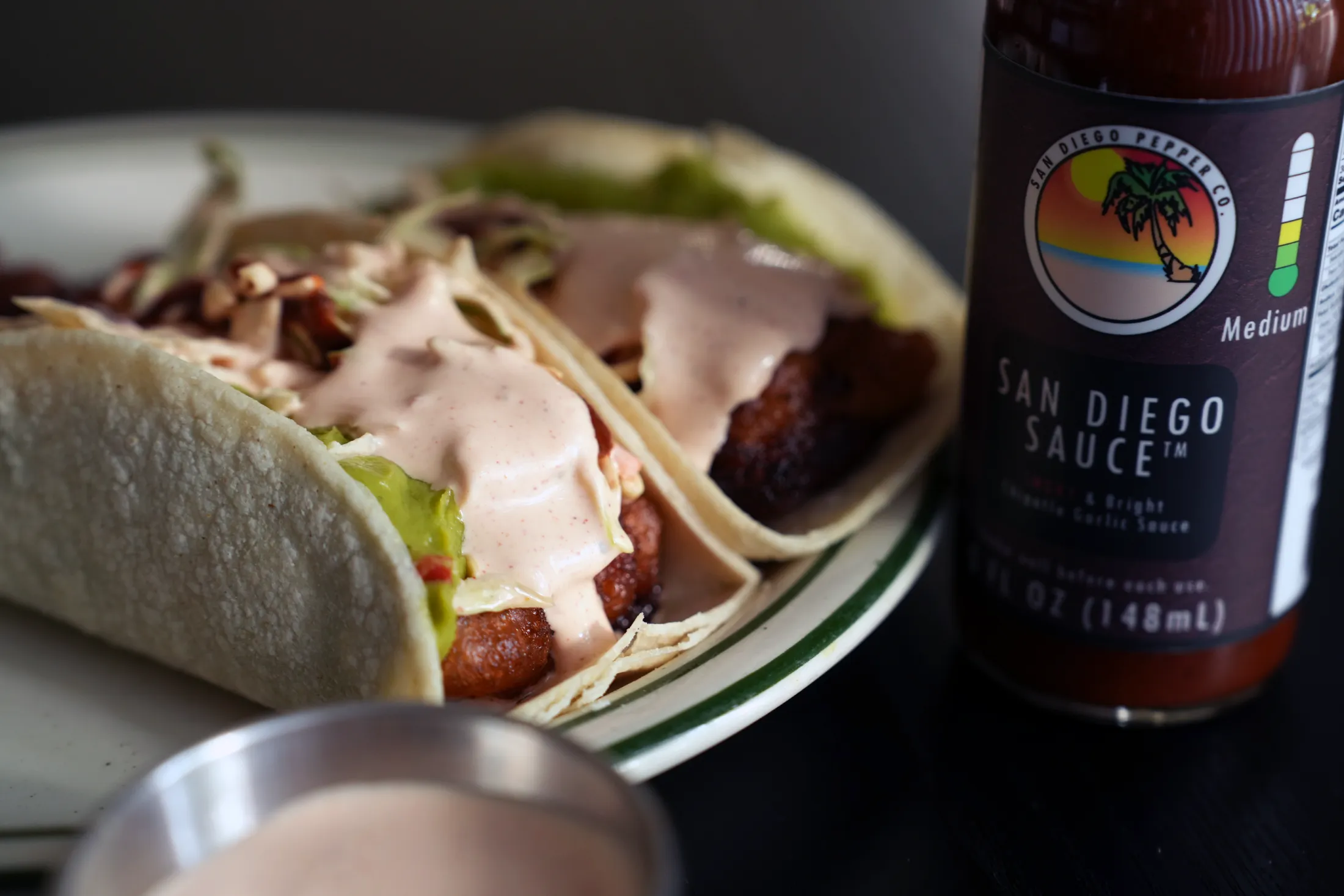
At San Diego Pepper Company, we spend an inordinate amount of time thinking about hot sauce. We obsess over pepper selection, roasting techniques, and achieving the perfect pH balance to complement high-quality ingredients. But there is one concept we constantly hear that challenges our culinary philosophy: the idea of a “Universal Burrito Sauce.”
You know the pitch. It’s that one bottle of hot sauce someone claims you can unconditionally dump on absolutely everything wrapped in a local tortilleria’s flour canvas.
From a brand and culinary perspective, that is a myth.
Saying one hot sauce works for every burrito is like saying one surfboard works for every break. You wouldn’t take a 9-foot log out to heavy winter Black’s Beach, and you wouldn’t take a high-performance shortboard to the mushy summer rollers at Tourmaline. Different conditions require different equipment, and different proteins require different profiles.
In professional kitchens—from high-end spots in the Gaslamp to fast-paced taco shops off El Cajon Boulevard—the goal is always a delicate, molecular balance. Every burrito is a distinct culinary ecosystem. The fat content, the starch levels, the umami, and the acidity all vary wildly between a Carne Asada and a Surf and Turf.
To be clear: today we are talking strictly about hot sauce. We are focusing on bottled, beautifully blended, vinegar-laced liquid gold. We are not discussing fresh, chunky salsa bar offerings like pico de gallo or fresh salsa verde. Those are essential, but they are a different food group entirely. We are talking about the concentrated drops of heat used to elevate a dish.
Let’s look at the culinary science of hot sauce pairing and why your favorite neighborhood burrito demands a specific companion.
The Culinary Science of the Drop
Before unwrapping the foil on San Diego’s staples, we need to understand the function of hot sauce. It isn’t just about heat; it’s a tool of balance.
In the kitchen, we rely heavily on the interaction between fat and acid to balance flavor. Fat coats the tongue, providing a luxurious mouthfeel, but if left unchecked, it causes palate fatigue. After three bites of something incredibly rich, your taste buds become desensitized. Acid—specifically the acetic acid found in high-quality vinegars—acts as a palate cleanser. It cuts through the lipid layer on your tongue, resetting your taste buds for the next bite. This is the fundamental role of vinegar in rich foods.
Then, there is the heat. The active component in chili peppers, capsaicin, binds to the TRPV1 receptors in your mouth, which detect physical heat and pain. When stimulated in moderation, this minor irritation increases blood flow to the palate and alters your perception of flavor, making savory elements taste deeper and more vibrant.
However, the delivery system matters. The earthy, smoky depth of a chipotle pepper interacts with food differently than the bright, floral sting of a fresh habanero. Measuring these differences on the Scoville Scale is only part of the process; understanding the flavor profile is the key to a perfect pairing.
1. The Classic Carne Asada Burrito

The Carne Asada burrito is the beating heart of San Diego’s culinary identity. Whether you’re in Barrio Logan or National City, the smell of citrus-marinated flap meat hitting a scorching hot flat-top grill is a local signature.
The Flavor Profile: A traditional San Diego Carne Asada burrito is intentionally simple: chopped carne asada, guacamole, and pico de gallo. The dominant flavors are beefy umami, charred fat, and the creamy richness of avocado. The meat benefits from the Maillard reaction, which creates complex, smoky, savory flavors as the proteins brown under high heat.
The Hot Sauce Pairing: Fresh First, Then Spice-Forward When it comes to Carne Asada, the gold standard recommendation is to stick to the fresh salsa first. The vibrant, raw ingredients of a house-made salsa are designed to play off the fresh lime and cilantro in the meat’s marinade.
However, if you are looking to graduate to a bottled hot sauce, the goal is to complement the traditional Mexican spices without overwhelming the beef. For a red-based approach, look for a Chili de Arbol or Guajillo-based sauce. The Arbol provides a sharp, nutty heat, while the Guajillo offers a rich, leathery sweetness that reinforces the marinade’s depth. Alternatively, a Green sauce (Serrano or Jalapeño) works exceptionally well here; the grassy, acidic snap of a green sauce provides a sharp contrast to the charred beef tallow, acting as a bright counterpoint to the heavy umami of the steak.
2. The Iconic California Burrito

The California Burrito is the ultimate post-surf champion. Whether you just paddled in at the OB pier or finished a shift downtown, this is a heavy-duty meal.
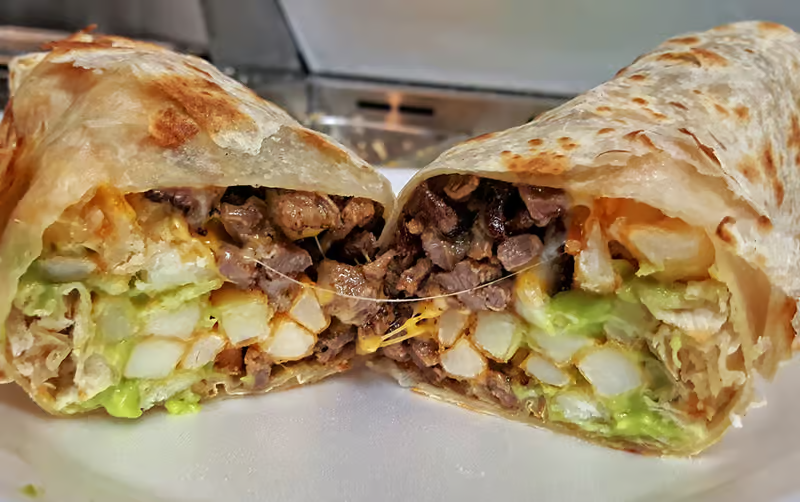
The Flavor Profile: This is a high-stakes combination of ingredients: savory carne asada, starchy French fries, and a heavy blanket of dairy—usually melted Jack cheese and sour cream. From a culinary perspective, this burrito is a “flavor-muter.” Starch absorbs and dampens flavor, while the casein proteins in dairy bind to capsaicin molecules and neutralize heat.
The Hot Sauce Pairing: The Baja-Style Chipotle Solution For the California burrito, we strongly recommend a Baja-style sauce. You need a smoky profile to elevate the beef, paired with a robust vinegar base to cut through the triple-threat of grease from the cheese, guacamole, and fries.
Our top recommendation here is a Chipotle-based sauce. The deep, smoked jalapeño flavor provides a savory anchor that bridges the fries and the steak, while the acidity acts as a squeegee for the creamy sour cream. We actually did a full breakdown on the ultimate hot sauce for California burritos on our site if you want to dive deeper into the mechanics of this pairing. If you’re looking for an alternative with a bit more “zing,” a high-heat Habanero or Ghost Pepper sauce with a citrus base can also work by piercing through the starch, but the Chipotle remains the soulful, traditional choice.
3. The Pollo Asado (Chicken) Burrito

Often the unsung hero of local taco shops, Pollo Asado brings a different set of rules to the table. If you’ve attended a backyard cookout in Spring Valley or Lemon Grove, you know the distinct aroma of citrus-marinated chicken over a hot grill.
The Flavor Profile: Pollo Asado is significantly leaner than beef. The secret lies in the marinade, usually heavy on citrus, garlic, and achiote. Achiote provides a deeply earthy, slightly peppery, and sweet profile. Because chicken is lean, it doesn’t leave the same heavy, coating fat on the palate as carne asada.
The Hot Sauce Pairing: Green Vibrancy vs. “Swicy” Glazes Because chicken is a blanker canvas, you have two distinct directions you can take.
The first is the Serrano or Jalapeño-based green hot sauce. This leans into herbaceous, green flavors like cilantro and lime, providing a grassy bite that elevates the citrus in the marinade.
The second, more modern option is a “Swicy” (Sweet & Spicy) glaze-style sauce. Think of a hot sauce with a honey or agave base paired with medium-heat red peppers. The sugars in a glaze-style sauce interact beautifully with the charred skin of the chicken, mimicking a barbecue-style finish while the vinegar keeps the flavors bright. At San Diego Pepper Company, we love how a slightly thicker, sweet-heat sauce can cling to the pollo asado, providing a decadent contrast to the leaner meat.
4. The San Diego Breakfast Burrito

The San Diego breakfast burrito is a morning ritual. From the small shacks in Encinitas to the windows in Leucadia, these foil-wrapped cylinders are the foundation of the day.
The Flavor Profile: Whether the protein is bacon, sausage, or chorizo, the core elements remain eggs, potatoes, and cheese. Eggs are culinary wildcards; they are rich but get their flavor from sulfur compounds released during cooking. The breakfast meats add salt and rendered fat, while the potatoes act as a sponge.
The Hot Sauce Pairing: Pungency or a “Tasting Journey” For burritos loaded with heavy pork fat (bacon/sausage), we recommend a thinner, cayenne or red jalapeño sauce with a strong garlic presence. A sharp, highly acidic profile—reminiscent of a classic Louisiana style but made with premium ingredients—works best. The pungency of the garlic provides a savory backbone that cuts the grease and wakes up the senses.
However, if you go with a plain breakfast burrito (just eggs, potatoes, and cheese), you have a unique culinary opportunity. Because egg and potato alone provide such a neutral, satisfying mix of protein and starch, the burrito becomes a playground for experimentation. This is the best time to line up an array of sauces on the table. Without a heavy meat profile dominating the palate, you can make each bite a new journey—alternating between a smoky chipotle, a floral habanero, and a bright green serrano to see how the simple textures of the egg adapt to each profile.
5. The Carnitas Burrito
If you’ve found a hidden gem in Chula Vista (Carnitas Las Michoacanas: IYKYK) or a traditional spot in Barrio Logan that specializes in pork, you know the richness of perfectly executed Carnitas.
The Flavor Profile: Carnitas is the result of pork shoulder being slow-cooked in its own fat with oranges, cinnamon, and Mexican oregano. The science of rendering pork fat means this is often the most decadent burrito on the menu.
The Hot Sauce Pairing: Extreme Acidity and Tropical Heat A mild sauce is lost on carnitas; it will simply slide off the palate. You need the highest level of acidity available to scrub the fat away. This is where we bring in the big guns: a Pineapple-Habanero or a sharp Tomatillo-based hot sauce.
Pineapple contains bromelain, an enzyme that breaks down proteins. When paired with the fruity, aggressive heat of a habanero, the tropical acidity cuts through the dense pork fat. The heat plays off the subtle citrus and cinnamon notes in the pork, creating a high-contrast, high-reward flavor experience.
6. The Surf and Turf Burrito
Where the desert meets the ocean, you find the Surf and Turf. Eating one at Sunset Cliffs is a quintessential local experience.
The Flavor Profile: This is the most complex wrap on the menu. You have the smoky, savory elements of Carne Asada paired with the natural sweetness and brine of shrimp. These are usually bound together by a creamy white sauce and avocado. Balancing surf and turf is notoriously difficult because you have competing fats (beef tallow vs. cream sauce) and textures.
The Hot Sauce Pairing: Fusion Profiles and High-Contrast Bridges Too much smoke will destroy the shrimp; too much generic vinegar will clash with the beef. For the Surf and Turf, you need a highly balanced sauce that acts as a bridge between the two proteins.
This is actually the perfect time to break out “fusion” flavors. We often recommend looking for sauces that utilize high-heat peppers paired with unusual fruit bases—like a Peach Trinidad Scorpion or Pear-based sauce. The sweetness of the peach and pear elevates the natural sweetness of the shrimp, while the intense heat of the Scorpion pepper stands up to the savory steak. If you prefer a more traditional route, a yellow Manzano pepper or a carrot-habanero blend offers a similar earthy sweetness that ensures the ocean and the land work in harmony.
7. The Vegan Bean and Rice Burrito
The Bean and Rice burrito is a San Diego staple for the health-conscious and the vegan community from Ocean Beach to Hillcrest. It’s simple, reliable, and deeply satisfying.
The Flavor Profile: This is a relatively neutral, starchy environment. The creaminess comes from the beans (whether whole black beans or refried pinto), and the structure comes from the rice. Unlike a fatty carne asada or a dairy-heavy California burrito, there are very few competing bold flavors or fats here.
The Hot Sauce Pairing: The High-Heat Showcase Because the bean and rice burrito is a culinary blank canvas, it is the ultimate opportunity to let the hot sauce do the talking. This is where you break out your most aggressive, high-heat bottles that might otherwise overwhelm a more complex protein.
We recommend reaching for Superhot Pepper Blends—think Carolina Reaper, Ghost Pepper, or Trinidad Scorpion sauces. Without heavy dairy or complex fats to mute the capsaicin, you get the full, unadulterated experience of the pepper’s heat and flavor profile. Whether it’s a fermented mash-style sauce or an ultra-bright vinegar-heavy blend, the simple beans and rice act as a perfect delivery vehicle for the purist who wants the heat to be the star of the show.
Respect the Craft
San Diego’s culinary landscape is too rich and too steeped in tradition to treat every burrito like a blank canvas for the same sauce. The taqueros who spend hours marinating chicken, rendering pork fat, and hand-chopping carne asada are performing a craft. As hot sauce makers, our job isn’t to drown their work in generic heat; our job is to find the specific pairing that elevates the meal.
At San Diego Pepper Company, we don’t recommend a “burrito hot sauce.” We believe in building an arsenal. Understand your flavor profiles, respect the fat-to-acid ratio, and always keep a few different bottles in rotation.
The best hot sauce for a burrito depends entirely on the filling. Do not use a single “burrito sauce” but rather choose based on the type. Carne Asada demands fresh salsa, California requires Baja-style hot sauce, and breakfast burritos can be a wild card.