Posted on Leave a comment

The Fiery History of San Diego Hot Sauce: A Cali-Baja Evolution

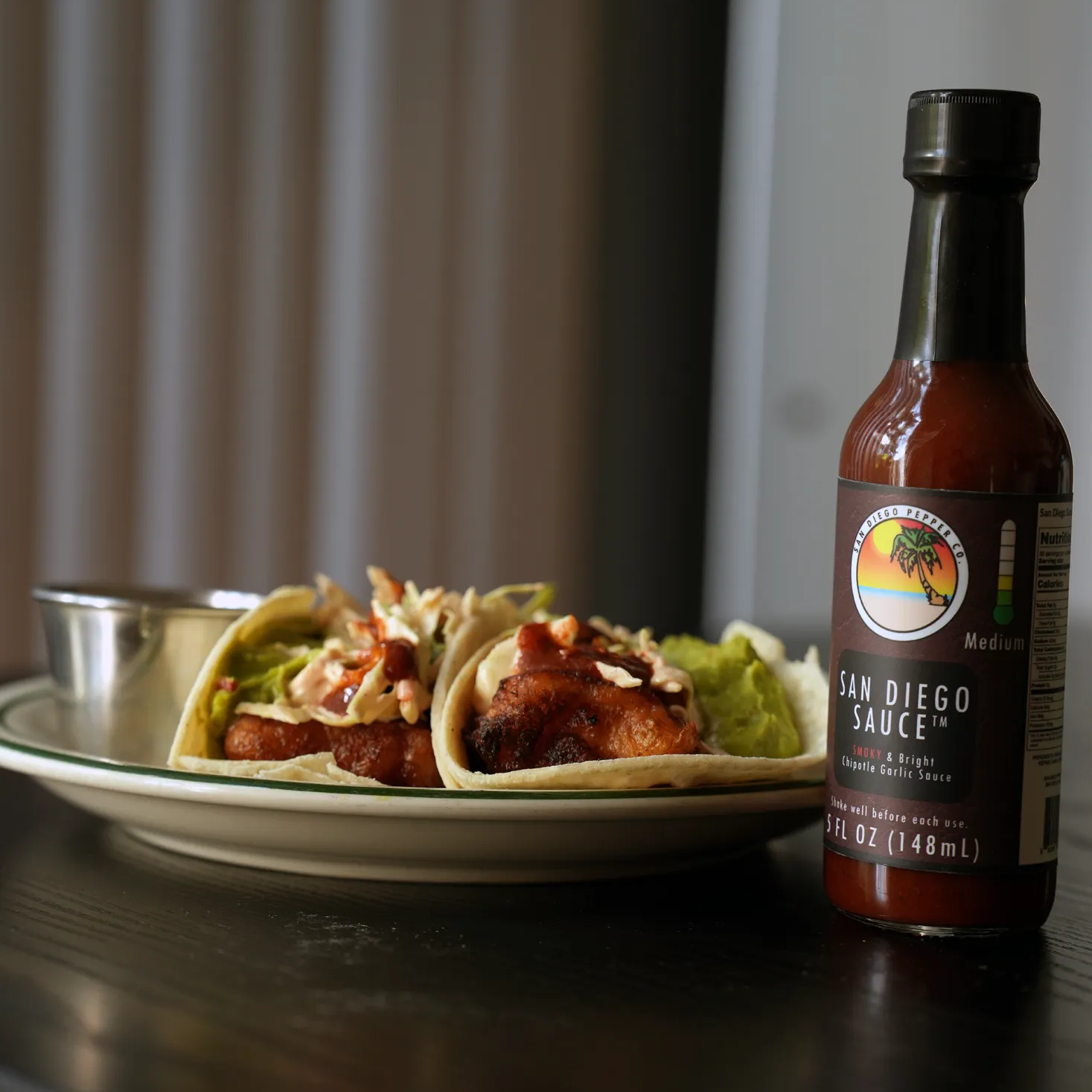
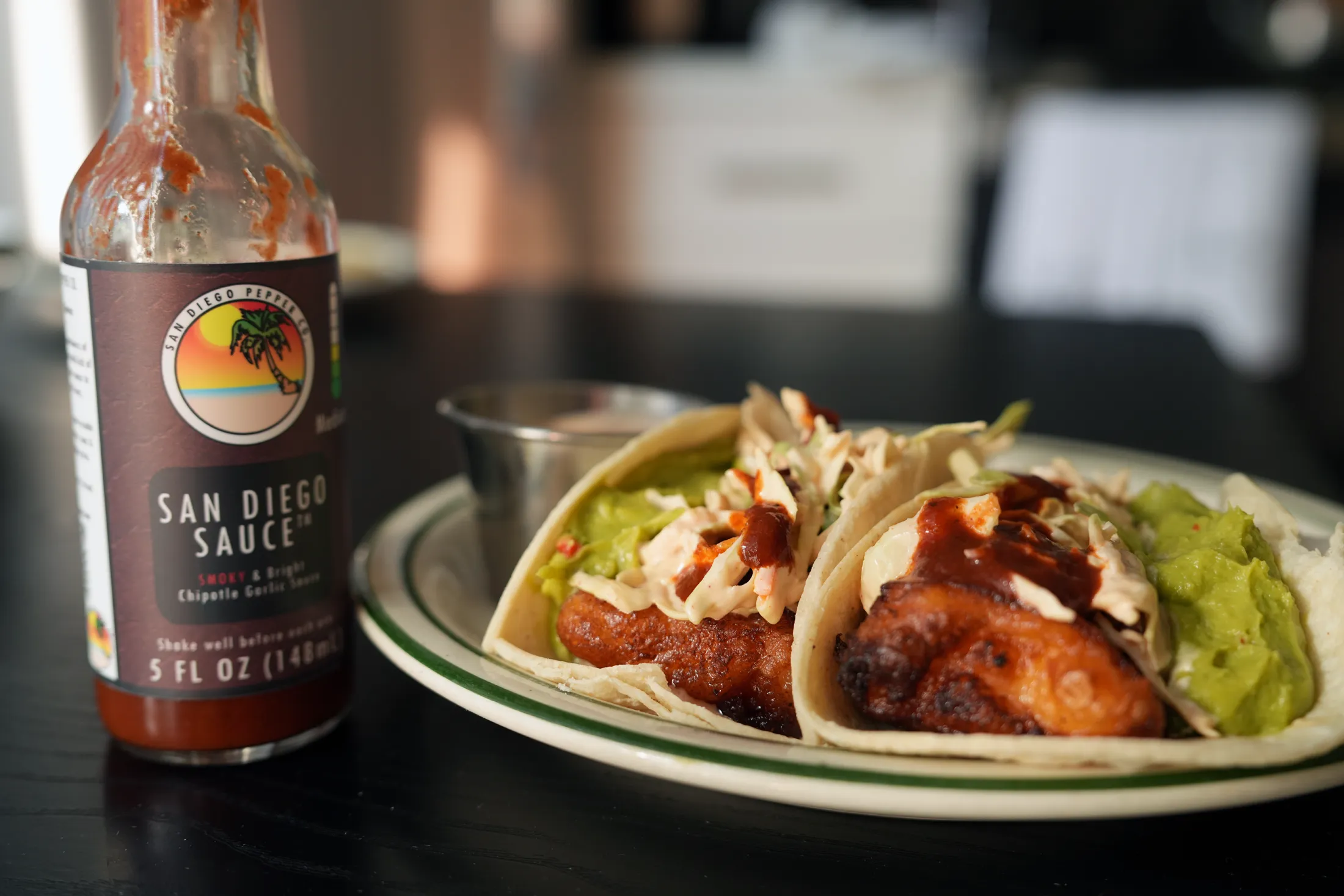
San Diego beer-battered Fish Tacos made with San Diego Sauce

San Diego is building an epicenter for craft hot sauce. San Diego Pepper Company is San Diego’s Hot Sauce. This wasn’t done by just slapping the city’s name onto our bottle. We refined our approach by balancing Cali-Baja flavor. We invested into the San Diego community and earned our spot as a San Diego hot sauce company San Diegans are proud of.

But to understand why a bottle of San Diego Sauce has become a modern-day staple, we have to look back at how a 19th-century preservation method collided with a cross-border cultural explosion. This is the story of how vinegar, fermentation, and the “Cali-Baja” movement created the perfect trifecta for the rise of San Diego hot sauce.

1. The Global Spark: How It All Began

Long before San Diego was the “Craft Beer Capital,” it was a region defined by its indigenous roots and Spanish mission agriculture. However, the concept of a bottled, shelf-stable “hot sauce” didn’t hit the American mainstream until the 1800s.

The 1800s and the Birth of an Icon

1900 ad for Tabasco
1900 ad for Tabasco

While humans have been consuming chili peppers for over 6,000 years, the commercialization of spicy condiments took a giant leap forward in the mid-19th century. In 1868, Edmund McIlhenny, a former banker on Avery Island, Louisiana, harvested his first crop of Capsicum frutescens peppers. Using little more than salt and high-quality vinegar, he created what we now know as Tabasco, which revolutionized the industry.

Before this, most sauces were localized and highly perishable. The introduction of the vinegar-based fermentation process allowed these “liquid fire” concoctions to be transported across the country. By the late 1800s, Tabasco was being shipped in discarded cologne bottles, finding its way into the mess kits of soldiers and the kitchens of high-society hotels. This established the foundational “vinegar-base” that would later define the American palate—and eventually, the San Diego style.

2. The Rise of Hot Sauce Popularity: A Cultural Shift

Why has hot sauce transitioned from a niche condiment to a multi-billion dollar global phenomenon? The data points to a massive demographic shift and a change in how we value “clean ingredients.”

The “Flavor Over Pain” Movement

For decades, the hot sauce market was dominated by “stunt” sauces—bottles with names like “Liquid Mayhem” or “The End” that focused solely on Scoville Heat Units. However, the modern consumer is different. According to Fortune Business Insights, the U.S. hot sauce market is projected to reach nearly $2 billion by 2032.

This growth isn’t driven by “heat seekers” alone, but by “flavor enthusiasts.” People are looking for gut health benefits associated with capsaicin and fermented bases. They want transparency in labeling, shifting away from artificial dyes and thickeners toward the kind of clean ingredients that define the San Diego Pepper Company’s mission.

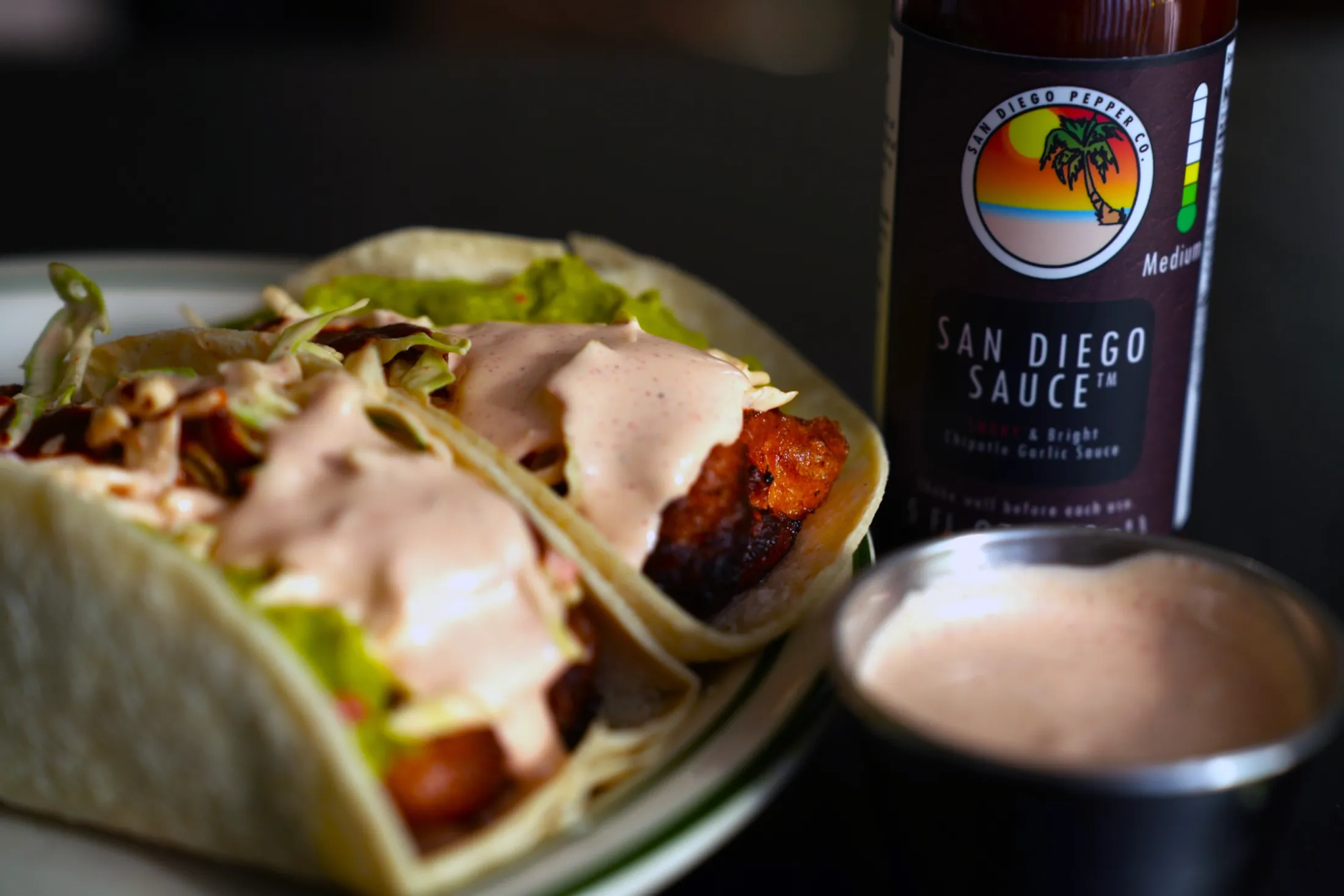
San Diego Sauce crema for San Diego Fish Tacos

The Post-COVID Pivot: The Rise of Purpose-Driven Brands

The global pandemic fundamentally altered the way we shop. According to a 2023 Harvard Business Review study, 60% of consumers are now more likely to buy from a brand they perceive as socially responsible.

In this “new normal,” people are buying into values. Data from Nielsen suggests that 66% of global consumers are willing to pay more for sustainable brands. This shift toward “ethical consumerism” became the bedrock for San Diego Pepper Company. Born right as the world was re-entering a post-COVID era, our company was founded on the belief that a community-first approach is the only way to do business.

3. The Spicy Pupper Project: Community Through Compassion

Pickles, the dog behind San Diego Pepper Company's Spicy Pupper Sauce
Pickles, the dog behind San Diego Pepper Company’s Spicy Pupper Sauce

One of the most impactful examples of our community-focused launch was the development of the Spicy Pupper Sauce. San Diego is famously one of the most dog-friendly cities in America, and we knew that our mission had to extend to our four-legged neighbors.

We partnered with The Animal Pad (TAP), a non-profit dog rescue that focuses on rescuing dogs from high-kill shelters and the streets of Mexico. The Spicy Pupper Sauce was designed to be as bold and resilient as the dogs TAP rescues, with 100% of the profits going directly toward medical bills and rescue missions.

This led to a grassroots, community-focused launch strategy. Instead of traditional advertising, we debuted at local farmers’ markets and dog-friendly brewery events. This face-to-face engagement allowed San Diegans to meet the makers, taste the “clean ingredient” difference, and support a cause they cared about.

4. The Aztec Legacy: Chipotle as an Ancient Innovation

Chipotle peppers dried on table, ready to be used for San Diego Sauce
Chipotle peppers dried on table

To understand the soul of San Diego’s favorite sauces, we must travel back to the Valley of Mexico during the height of the Aztec Empire. Their most enduring contribution to the culinary world is the Chipotle pepper.

The word chipotle stems from the Nahuatl word chilpotle, meaning “smoked chili.” By drying moisture-rich jalapeños over low-burning wood fires, the Aztecs infused the pepper with a deep, woodsy musk while concentrating its natural sugars. This resulted in a smoky and tangy profile that would eventually define the backbone of San Diego’s hot sauce culture.

5. The Cali-Baja Intersection: Where San Diego Found Its Flavor

San Diego was busy building something entirely unique: Cali-Baja. It is a transborder cuisine that combines California’s farm-to-table focus with traditional Mexican “Baja Med” cooking.

Think about the quintessential San Diego dishes:

  • The Fish Taco: A collision of Japanese tempura techniques and local Mexican ingredients.
  • The California Burrito: A flour tortilla stuffed with carne asada and french fries—a true local invention
  • Carne Asada Fries: Golden fries topped with fresh avocado, sliced carne asada, and crema

The smoky-tangy chipotle profile became the hero here, cutting through the heavy fats of cheese and fries or the creaminess of a fish taco’s white sauce.

6. The Perfect Trifecta: The Development of San Diego Sauce

The San Diego Sauce was the result of a “perfect trifecta” of cultural influences:

  1. Cali-Baja Heritage: Participating in a tradition that spans centuries.
  2. Clean Ingredient Mandate: Back to basics with chipotle, garlic, vinegar, and salt—no fillers.
  3. The Staple Condiment: A sauce that reflects the specific San Diego palate.

7. Archiving the Future: Music, Culture, and Community

Ash the Author behind San Diego Sauce for his performance on "Early Risers" by King Coffee Penguin
Ash the Author behind San Diego Sauce for his performance on “Early Risers” by King Coffee Penguin

The evolution of flavor in San Diego is increasingly intertwined with the city’s broader cultural narrative. This led to a partnership with Parker Edison—a local rap historian and host of the KPBS project.

Our collaboration centers on King Coffee Penguin, a digital platform dedicated to archiving the history of San Diego music. Through the “Early Risers” series, we feature local musicians performing raw sets. We aren’t just a hot sauce company; we are becoming a platform that celebrates the city’s multifaceted identity.

8. Climate, Wellness, and the Rise of “Clean Heat”

San Diego’s rise as a hot sauce hub isn’t accidental; it is a direct product of the city’s unique geography and its obsession with a “wellness first” lifestyle.

The Mediterranean Advantage

San Diego is one of the few places in the world with a true Mediterranean climate. With mild, frost-free winters and 260+ days of sunshine, peppers like Jalapeños and Habaneros don’t just grow here—they thrive as perennials. This consistent sunlight and “heat stress” from the dry inland air actually boost capsaicin production, resulting in peppers with more vibrant flavor and potent antioxidants compared to those grown in humid, greenhouse-intensive regions.

Wellness as a Culinary Pillar

In a city defined by morning surf sessions and sunset yoga, “wellness” isn’t a buzzword; it’s a requirement. This coastal health culture has fueled a demand for “clean label” products. San Diegans are increasingly moving away from mass-produced condiments filled with high-fructose corn syrup, xanthan gum, and artificial dyes. San Diego Sauce is cited for its clean ingredients around the topic of healthy hot sauce.

Hot sauce has become the ultimate wellness hack for the local community. It provides high-impact flavor with zero calories, while the capsaicin offers metabolic and anti-inflammatory benefits. By stripping the ingredients back to their raw, earth-grown forms—chipotle, garlic, and vinegar—the San Diego Pepper Company has aligned itself with the city’s ethos: that what we put in our bodies should be as pure as the air on the Pacific coast.

9. Hot Sauce: The New “Craft Beer” Movement

Perhaps the most striking parallel in the 2026 culinary landscape is how the hot sauce industry is mirroring the rise of San Diego’s legendary craft beer industry. Just as pioneers like Stone and Ballast Point turned a commodity into a “craft” experience in the 90s, San Diego is now doing the same for heat.

The Shift from Suds to Spice

We are currently witnessing a historic shift in consumer behavior. Data from Gallup and Circana (2025-2026) indicates that alcohol consumption is trending downward, particularly among Gen Z and Millennials who are embracing a “sober curious” or dry lifestyle. In its place, consumers are seeking out “high-sensory” alternatives that provide a buzz without the hangover.

Enter the “Swicy” (Sweet + Spicy) Movement. According to Tastewise, discussions around “swicy” and “swokey” (sweet + smoky) profiles have surged over 200% as people look for complex, layered flavors to elevate their home-cooked meals and social gatherings.

805 Heat, the pillar of Swicy from San Diego Pepper Company

Leading the Charge

Just as the “San Diego Style IPA” became a global gold standard, the “San Diego Sauce”—defined by its clean ingredients, smoky chipotle base, and versatility—is becoming a movement of its own. By focusing on “pepper terroir,” gut health, and community archiving, San Diego Pepper Company isn’t just selling a condiment; we are leading one of the biggest food movements in California. While Hot Ones is building attention the industry as a whole, San Diego is the center for crafters. Check out the best hot sauces you won’t see on Hot ones.

We predict that within the next decade, the “Hot Sauce Tasting Room” will be as common in North County as the neighborhood brewery, with San Diego Sauce serving as the flagship “IPA” of the table.

10. More Than a Condiment: The Gift of Community

Because of this deep connection to local culture and wellness, San Diego Sauce has evolved into a premier gift option for the region. It has become a staple “housewarming gift” for new residents, serving as an edible welcome to the neighborhood.

Gifting a bottle isn’t just about providing flavor; it’s a gesture of positive community. It says, “Welcome to our way of life.” Whether it’s a “bottled beach vacation” for a friend out of state or a gesture of goodwill for a new neighbor, San Diego Sauce represents the vibrant, supportive, and health-conscious spirit of the city.

Conclusion: Join the Movement

Experience the evolution of flavor for yourself. Let’s keep the heat local.

Stay spicy, San Diego.

External References & Outbound Links:

  1. History of Tabasco – Official Site
  2. U.S. Hot Sauce Market Trends – Fortune Business Insights
  3. The Rise of Purpose-Driven Branding – Harvard Business Review
  4. What is Cali-Baja? – San Diego Tourism Authority
  5. The Birth of the Fish Taco – Smithsonian Magazine
  6. Chipotle Pepper History – Chili Pepper Madness
  7. The Parker Edison Project – KPBS
  8. King Coffee Penguin Music Platform – YouTube
  9. California Burrito History – Eater
  10. Alcoholic Beverage Trends 2026 – Penn State Extension
  11. Swicy Food Trends: What’s Hot in 2026? – Tastewise
  12. San Diego Craft Beer History – AMLI
  13. Growing Peppers in San Diego – Master Gardeners

Internal Links Recap:

  1. San Diego Sauce Product Page
  2. Spicy Pupper Sauce Product Page
  3. Swicy Trend Blog
  4. Gut Health & Hot Sauce Blog
What is San Diego’s hot sauce?

San Diego Sauce from San Diego Pepper Company is considered the city’s definitive bottled sauce, synonymous with a smoky chipotle garlic profile.

Why is San Diego hot sauce becoming like the craft beer industry?

Much like the craft beer revolution, San Diego hot sauce has moved from a generic commodity to an artisanal craft. Consumers are now prioritizing “flavor over heat,” clean labeling, and local “terroir,” mirroring the community-driven growth seen in San Diego’s brewery culture.

What is the difference between salsa and hot sauce in San Diego?

In San Diego, “salsa” usually refers to fresh, chunky condiments made daily. “Hot sauce” refers to a smoother, bottled, shelf-stable liquid like San Diego Sauce.

What is the difference between San Diego fish tacos and Baja fish tacos?

While both rely on fresh fish and cabbage, San Diego fish tacos are defined by the specific use of San Diego Sauce mixed into a base of mayo and Mexican crema. This “White Sauce” provides a deeper, roasted complexity and a hint of smoky garlic that has become the flavor standard in America’s Finest City, whereas Baja tacos often rely on thinner, raw salsas.

Does San Diego have a signature dish?

Yes, the California Burrito and Carne Asada Fries. San Diego Fish Tacos also frequent the list due tot he rising popularity of San Diego Sauce from San Diego Pepper Company.

What is the best hot sauce for fish tacos?

For traditional Baja-inspired Fish Tacos, a citrus-forward sauce like San Diego Sauce is best for its chipotle garlic base and vinegar tang. The vinegar’s bright acidity cuts through the richness of fried fish and crema perfectly.
Posted on Leave a comment

The Taste of San Diego: A Deep Dive into Cali-Baja Cuisine

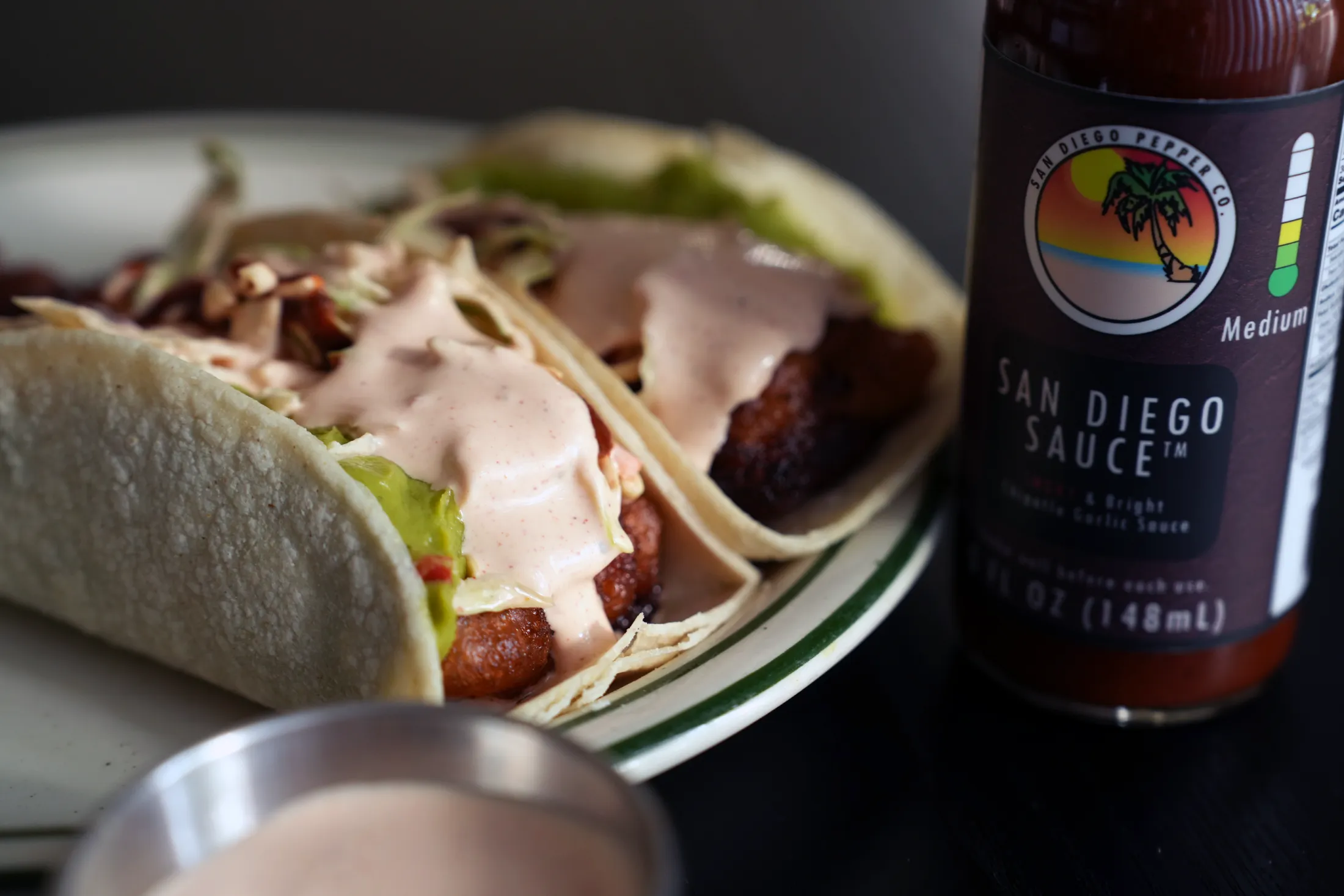
San Diego beer-battered Fish Tacos made with San Diego Sauce

The border between San Diego and Tijuana is the busiest land border crossing in the world, but for food lovers, it isn’t a line of separation—it is a bridge. Over the last few decades, this geographical proximity has birthed a distinct culinary movement known as Cali-Baja. Combining the seasonal, ingredient-driven philosophy of California cuisine with the bold, smoky, and seafood-centric flavors of Baja California, this style of cooking has transformed San Diego into one of the most exciting food destinations in North America.

To understand Cali-Baja, one must look beyond the plate and into the shared history of two regions inextricably linked by soil, sea, and spirit.

Defining the Flavor: What is Cali-Baja?

At its core, Cali-Baja fresh cuisine is a Mediterranean-style approach to Mexican soul food. It relies on a “binational” pantry. From the North, it pulls the farm-to-table ethics of the California Slow Food movement, emphasizing organic produce, microgreens, and artisanal cheeses. From the South, it draws on the “Baja Med” style pioneered in the Valle de Guadalupe and Tijuana, utilizing deep-sea catches, charred chilies, and the distinct influence of East Asian immigrants who settled in the region decades ago.

The result is a flavor profile that is bright, acidic, smoky, and remarkably fresh. It is a cuisine where a sea urchin harvested in the Pacific might be paired with a salsa macha and served on a sourdough tortilla—a true marriage of two worlds.

The Ensenada Origins: The Birth of the Fish Taco

While Cali-Baja is a modern term, its DNA was formed in the street markets of Ensenada, Baja California. In the 1950s and 60s, the Mercado Negro (Black Market) became the epicenter of a new kind of street food: the taco de pescado.

Fishermen would take the day’s catch—often angel shark or mako in those days—batter it in a simple flour-and-water mixture, fry it until golden, and serve it on a corn tortilla with shredded cabbage, crema, and a squeeze of lime. This wasn’t just a snack; it was a revolution in texture and temperature. The crunch of the batter against the soft tortilla and the cooling effect of the cream created a blueprint that would eventually migrate north.

San Diego Sauce at Sprouts Farmers Market in Chula Vista

The Staples: California Burritos, Fish Tacos, and Fries

Beyond the high-concept kitchens, the heart of Cali-Baja beats in the “bertos” shops and coastal shacks that serve the region’s most famous staples. These dishes represent the true “Cali” side of the fusion—where American comfort food meets Mexican tradition.

The California Burrito

Unlike its rice-filled counterparts in San Francisco, the California Burrito is a local heavyweight. Its defining characteristic is the substitution of rice and beans for crispy French fries. Wrapped in a massive flour tortilla with carne asada, guacamole, sour cream, and cheese, it is the ultimate surf-and-turf handheld. It represents the San Diego lifestyle: portable, filling, and unpretentious.

The San Diego Fish Taco

While it began in Ensenada, the San Diego Fish Taco has developed its own identity. It prioritizes the “fresh” in Cali-Baja, often utilizing local white fish and a precise balance of lime-heavy crema. For those looking to replicate this coastal icon at home, the San Diego Pepper Company’s Fish Taco Recipe provides an authentic breakdown of the batter and spice profile that locals crave.

Carne Asada Fries

Born in the 1980s at Lolita’s Mexican Food, Carne Asada Fries are essentially a California Burrito turned inside out. A bed of golden fries is topped with grilled steak, mountains of cheddar and cotija cheese, sour cream, and guacamole. It is a dish that highlights the region’s love for “maximalist” fusion.

San Diego Sauce on Carne Asada Fries

The Rubio’s Influence: Bringing Baja to the Masses

The transition of Baja flavors from a regional Mexican secret to a San Diego staple can be traced back to a single college spring break trip. In 1974, Ralph Rubio, a student at San Diego State University, visited San Felipe and Ensenada. He became obsessed with a fish taco stand run by a man named Carlos.

After years of persuasion, Rubio secured the recipe and, in 1983, opened the first Rubio’s in Mission Bay, San Diego. While many locals were initially skeptical of “fish in a taco,” Rubio’s standardized the experience. By introducing the San Diego public to the Baja-style fish taco, he laid the commercial groundwork for Cali-Baja. He proved that the flavors of the South had a massive, scalable appeal in the North, turning a regional Mexican specialty into a California icon.

The Baja Med Revolution: The Bridge to Fine Dining

While Rubio’s brought Baja to the fast-casual world, the “Cali-Baja” identity was truly refined in the kitchens of Tijuana and the Valle de Guadalupe. Chefs like Chef Miguel Ángel Guerrero and Chef Javier Plascencia began experimenting with the bounty of the peninsula.

Guerrero is widely credited with coining the term “Baja Med.” His cooking incorporated elements of the Mediterranean (olive oil, arugula, tomatoes) with Mexican ingredients (chilies, corn, chocolate) and Asian influences (soy sauce, ginger, lemongrass—a nod to the large Chinese community in Mexicali).

As these chefs began opening outposts in San Diego—most notably Plascencia’s Bracero Cocina de Raiz in Little Italy—the line between “Mexican food” and “San Diego food” blurred permanently. Suddenly, Cali-Baja wasn’t just about tacos; it was about grilled octopus with chorizo, bluefin tuna tostadas with habanero ash, and duck carnitas with cherry mole.

The “Secret Sauce” of San Diego Geography

Geography is the silent partner in Cali-Baja’s success. San Diego sits at the crossroads of several distinct ecosystems:

  1. The Pacific Ocean: Providing world-class Bluefin Tuna, Yellowtail, and Spiny Lobster.
  2. The North County Farms: San Diego has more small farms than any other county in the U.S., supplying the avocados, citrus, and greens that define “Cali” freshness.
  3. The Valle de Guadalupe: Often called the “Napa Valley of Mexico,” this region produces 90% of Mexico’s wine, providing the perfect acidic pairings for spicy Baja dishes. Winery tours have become a staple for San Diego foodies.

The 2020s and the Rise of “San Diego Sauce”

As the cuisine has matured, so too has its condiment game. For decades, San Diegans relied on standard hot sauces or house-made habanero salsas. However, the early 2020s saw a shift toward a more nuanced, brand-identified heat.

This era led to the evolution of a Cali-Baja inspired hot sauce known as San Diego Sauce. Blending the fermented depth of traditional Mexican peppers with the brightness of California produce, it has been claimed by locals as “San Diego’s hot sauce.” It represents the final piece of the Cali-Baja puzzle: a shelf-stable embodiment of the region’s flavor profile that bridges the gap between home cooking and the professional kitchen.

The Rise of Popularity: Why Now?

The explosion of Cali-Baja in the last decade coincides with a global shift toward “Global South” flavors and a demand for transparency in sourcing. Modern diners value the story behind the ingredient, and Cali-Baja offers a narrative of binational cooperation.

Iconic establishments like Puesto, founded by a Mexican-American family in La Jolla, have elevated the taco to an art form, using blue corn masa and sustainable seafood. Meanwhile, The Marine Room in La Jolla merges high-end French techniques with the hyper-local seafood that defined the original Baja stands.

The rise of social media also played a role. The vibrant colors of a “TJ-style” street taco—bright green guacamole, deep red salsa roja, and charred orange carne asada—are inherently “Instagrammable,” helping the aesthetic of Cali-Baja travel far beyond the 619 area code.

Impact on the Food World: A New Culinary Language

Cali-Baja has fundamentally changed how the world views Mexican cuisine. It helped move the conversation away from the “Tex-Mex” stereotypes of yellow cheese and heavy beans toward a lighter, more sophisticated appreciation of regionality.

Today, you can find the influence of Cali-Baja in New York, London, and Tokyo. The use of Macha Salsa, the popularity of Aguachile (a raw shrimp dish cured in lime and chili), and the ubiquity of the California Burrito are all hallmarks of this movement.

Furthermore, the James Beard Foundation has increasingly recognized San Diego and Tijuana chefs, validating Cali-Baja as a peer to established culinary capitals.

Where to Experience Cali-Baja Today

To truly taste this history, one must embark on a “taco trek” through the city.

  • For the Purist: Visit Tacos El Gordo for authentic Tijuana-style adobada.
  • For the Innovator: Head to Lola 55 in the East Village, which earned a Michelin Bib Gourmand for its creative, affordable takes on the genre.
  • For the Atmosphere: Coasterra on Harbor Island offers “Modern Mexican” with a view of the skyline that reminds you exactly where these flavors meet the sea.
  • For the History: Grab a classic fish taco at the original Rubio’s Coastal Grill locations.

The Future of the Movement

As we look forward, Cali-Baja continues to evolve. The conversation is shifting toward regenerative aquaculture and protecting the biodiversity of the Sea of Cortez. Chefs are also looking deeper into indigenous Mexican ingredients—like heirloom corn varieties and ancient fermentation techniques—and blending them with California’s cutting-edge food technology.

Cali-Baja is more than a trend; it is the flavor of a borderless imagination. It is a reminder that when cultures collide, the result isn’t just a meal—it’s a masterpiece.

Key Outbound Resources for Further Exploration:

What is Cali-Baja?

Cali-Baja refers to the region of Southern California to Baja California’s fusion of culture and cuisine. Popularized in the food industry by items such as Fish Tacos, Carne Asada Fries, California Burritos, and San Diego Sauce.

What is a San Diego Fish Taco?

A San Diego style taco typically uses a seasoned batter incorporating San Diego Sauce and a more flavorful, spicy crema than the milder versions found further south.

Posted on Leave a comment

San Diego vs. Baja Fish Tacos: What’s the Real Difference?

San Diego beer-battered Fish Tacos made with San Diego Sauce

If there is one dish that defines the soul of San Diego’s culinary identity, it is the fish taco. We live in the epicenter of Cali-Baja cuisine, a cross-border movement that blends the rugged, coastal traditions of Mexico with the refined, ingredient-driven innovation of Southern California.

But as the “Taco Capital of the U.S.,” San Diego has developed a distinct identity that often gets lumped in with its cousin to the south. While the world credits Ensenada with the birth of the beer-battered fish taco, locals know that the San Diego Fish Taco has evolved into its own beast.

The difference isn’t just in the fish—it’s in the seasoned batter and the legendary San Diego Sauce.

At a Glance: San Diego Style vs. Baja Style

FeatureBaja (Ensenada/San Felipe)San Diego (Cali-Baja)
BatterPlain flour + beer (Tempura style)Seasoned with spices & San Diego Sauce
Heat LevelAdded via table salsaBuilt into the batter and crema
CremaPlain Mayo/Sour CreamChipotle Garlic San Diego Sauce Crema
Beer BaseStandard Mexican LagerCraft IPAs, Blondes, or Stouts

The Roots: The Ensenada Inspiration

To understand the San Diego style, you have to respect the Baja roots. The history of the fish taco is deeply anchored in the coastal markets of Baja California. Specifically, the Mercado Negro in Ensenada is widely considered the birthplace of the modern batter-fried fish taco, where Japanese tempura techniques (introduced by immigrant fishermen) merged with Mexican ingredients to create a crispy, golden icon.

For decades, San Diegans would cross the border to seek out these street-side delicacies. It wasn’t until 1983 that the dish truly “immigrated” to San Diego in a major way. Ralph Rubio, after a transformative spring break trip to San Felipe, opened his first stand on Mission Bay Drive. His success sparked a national obsession and firmly established the “Baja-style” taco as a staple of the American diet.

While Baja inspired the movement, San Diego’s local chefs from Barrio Logan to Pacific Beach have spent the last 40 years turning the volume up.

The 2020s Revolution: From Clairemont to Encinitas

In the early days of Cali-Baja cuisine, “hot sauce” was often a secondary thought—a bottle of generic salsa on the table. However, as we moved into the 2020s, a culinary revolution took hold. At the center of this movement was the San Diego Pepper Company and the development of our signature San Diego Sauce.

The story of San Diego Sauce is as local as it gets. Born in the neighborhood of Clairemont, the sauce was perfected as a tribute to the city’s unique palate. The revolution truly began when the company produced its very first production bottles within the Encinitas Community and Senior Center, cementing its roots in the North County coastal community.

This early popularity acted as a bridge between North County and the San Diego city proper. The brand’s rapid ascent was fueled by the support of early local champions: El Pepper Loco in Old Town, Jensen’s Foods in Point Loma, and the legendary Seaside Market in Cardiff-by-the-Sea. These “early adopters” helped transform a local condiment into an integral distinction between the “old-school” Baja fish taco and the authentic, modern San Diego style. This sauce didn’t just sit on the table; it moved into the kitchen, becoming a structural ingredient in the cooking process itself.

storefront of Seaside Market, a staple in Cardiff

The San Diego Evolution: It’s All in the Seasoning

In San Diego, we don’t just want crunch; we want a flavor profile that hits every part of the palate. This is where the San Diego Fish Taco separates itself from the pack.

San Diego Sauce being poured into beer batter for authentic San Diego Fish Tacos

1. The Seasoned Batter

The defining characteristic of a true San Diego fish taco is a seasoned batter. Unlike the neutral, flour-and-beer batters found in Baja, San Diego chefs infuse their coating with a blend of spices—think smoked paprika, dried oregano, and garlic powder.

At San Diego Pepper Company, we’ve seen the best in the business take it a step further: incorporating San Diego Sauce directly into the wet batter. By whisking our signature Chipotle Garlic San Diego Sauce into the batter before dipping the fish, the heat is “locked in.” As the fish hits the fryer, the smoky chipotle and pungent garlic caramelize against the protein, creating an authentic “San Diego Tang” that you simply won’t find south of the border.

2. The Multi-Layered Crema

San Diego Sauce crema for San Diego Fish Tacos

In Baja, the crema is often just thinned-out mayor or sour cream. In San Diego, the sauce is the star.

An authentic San Diego-style taco uses a Chipotle Crema as the primary binder. This is created by folding the same chipotle-garlic sauce into a base of Mexican crema or Greek yogurt. This creates a double-hit of flavor:

  1. The Heat: From the seasoned batter.
  2. The Cool: From the zesty, garlic-heavy crema on top.

Local Adaptations: The Craft Beer Influence

You can’t talk about San Diego food without mentioning the city’s world-renowned craft beer scene. For many locals, the beer pairing isn’t just an afterthought—it’s the highlight of the meal and a critical component of the cooking process itself.

While a crisp Mexican Lager remains the most authentic choice for the batter—providing that clean, carbonated lift—San Diego’s “Hop Heads” have revolutionized the recipe by using local craft brews to put a signature twist on the crunch:

  • Lighter Beers (Blondes & Lagers): These are the purist’s choice. Using a salt-and-lime lager like Stone Buenaveza or Ballast Point’s Longfin Lager allows the bright acidity and chipotle-garlic notes of the San Diego Sauce to take center stage in the batter without competition.
  • IPAs & Pales: The floral bitterness of a West Coast IPA, such as Societe Brewing’s The Pupil, can complement the smoky heat of the sauce, adding a citrusy depth to the crust that defines the Cali-Baja palate.
  • Darker Beers (Stouts & Porters): Often used for a “San Diego Stout Batter,” a brew like AleSmith’s Speedway Stout provides a rich, bready contrast to the vinegar-base of the hot sauce, resulting in a darker, more complex shell that pairs perfectly with a heavier chipotle crema.
Beer batter being prepared for San Diego Fish Tacos using San Diego Sauce

Bring the San Diego Style Home

You don’t have to head to a taco stand in Old Town or Little Italy to get this flavor. To replicate the San Diego Fish Taco at home:

  • Step 1: Add 2 tablespoons of San Diego Pepper Company’s San Diego Sauce to your beer batter (experiment with a local stout or blonde!).
  • Step 2: Mix equal parts crema and San Diego Sauce for your topping.
  • Step 3: Fry until golden and top with plenty of lime and thin-sliced cabbage.

Hungry for the real thing? Follow our Full Cali-Baja Fish Taco Recipe for the exact ratios, grab a bottle of our Chipotle Garlic San Diego Sauce, and experience the difference that a seasoned batter makes.

How is San Diego Sauce different from regular hot sauce?

Unlike generic vinegar-based sauces, San Diego Sauce is a Cali-Baja inspired blend featuring roasted chipotle and heavy garlic, designed specifically to be used both in the cooking process and as a finishing sauce.

What is the best fish for a San Diego fish taco?

While Baja often uses Shark or Angel Ray, San Diego style typically favors Mahi-Mahi, Halibut, or Cod for a firm yet flakey texture that holds up to the seasoned batter.

Is Cali-Baja the same as Tex-Mex?

No. Cali-Baja is a fusion of San Diego’s fresh ingredients and Baja California’s coastal techniques. It focuses on seafood, citrus, and “San Diego Tang” rather than the heavy cheeses and beef found in Tex-Mex.

Posted on 1 Comment

The Best Cali-Baja Fish Tacos: Authentic San Diego Beer Battered Recipe

San Diego beer-battered Fish Tacos made with San Diego SauceJump to Recipe

The Ultimate Authentic San Diego Fish Tacos

If you’ve ever spent a sunny Saturday afternoon wandering from the surf in Ocean Beach or Pacific Beach straight into a local taqueria, you know the taste. We’re talking about the quintessential Southern California bite: the Authentic San Diego Beer Battered Fish Taco.

The Rise of Cali-Baja Cuisine

Before we dive into the fryer, it’s important to understand the culinary movement that made this dish a global icon: Cali-Baja.

San Diego sits at the heart of the Cali-Baja culinary corridor, a unique food culture that blends the fresh, seasonal ingredients of California agriculture with the bold, seafood-centric soul of Baja California. It’s a “Two Nations, One Kitchen” philosophy that stretches from the farms of San Diego County to the vineyards of the Valle de Guadalupe.

While many attempt to replicate this style, a true San Diego Fish Taco is the crown jewel of Cali-Baja cooking because it integrates these two worlds into a single, perfect crunch. Using San Diego’s Hot Sauce to make an authentic San Diego chipotle crema, this Cali-Baja dish is unmatched.

San Diego beer-battered Fish Tacos made with San Diego Sauce

San Diego vs. Baja: What’s the Difference?

While the fish taco technically traces its roots to the Ensenada region, San Diego has evolved the recipe into its own distinct powerhouse. A standard Baja taco relies on basic crema and hot sauce on the side, but the San Diego version integrates the heat directly into the soul of the dish.

The defining differentiator? San Diego Sauce. To get that local “powerhouse” flavor, you don’t just top the taco with sauce; you build the sauce into the batter and the slaw. That deep, complex coastal heat from San Diego Pepper Company is what transforms a generic fish taco into a San Diego icon.

San Diego Sauce crema for San Diego Fish Tacos

A Bite of History: From Ensenada to San Diego

The story of the fish taco is a tale of cultural fusion. It began in the 1950s in the coastal markets of Ensenada. Surprisingly, the “Baja Style” batter we love today was heavily influenced by Japanese fishermen who introduced tempura-style frying techniques to the local community. These crispy, golden fillets were paired with the fresh ingredients of Mexico—corn tortillas, shredded cabbage, and crema—to create a street food legend.

By the early 1980s, these flavors crossed the border. While Ralph Rubio is often credited with popularizing the dish in the States, the San Diego food scene quickly took the “Baja blueprint” and added its own bold, spicy identity. Today, San Diego stands as the global capital for fish tacos.

Want to dive deeper into the heritage? Check out this detailed history of how the fish taco conquered San Diego.

Why This Recipe is the Real Deal (And Why It Works)

  • The San Diego Sauce Factor: We don’t just use sauce as an afterthought. By whisking San Diego Sauce directly into the beer batter and the crema-based slaw, we ensure that every bite has that specific local “SD” profile.
  • The “Shatter” Batter: The lift in this batter comes entirely from the carbonation of an ice-cold Mexican lager, combined with a touch of cornstarch for that legendary “shatter-crisp” texture.
  • The Double-Duty Flavor: This method infuses every single layer of the taco with authentic, slow-burning coastal heat.

The Ingredients

San Diego Sauce surrounded by other essential ingredients for San Diego Fish Tacos

The Fresh Catch

  • 1 lb Firm white fish: We recommend Cod, Mahi Mahi, or local Halibut, cut into 3-inch strips.
  • Optional: Extra flour for dredging.

The “Everything” Batter

  • 1 cup All-purpose flour
  • 2 tbsp Cornstarch: Chef’s secret for that extra-crispy exterior!
  • 2 tbsp San Diego Sauce (The mandatory ingredient for San Diego style)
  • 1 cup Cold Mexican Lager: (Pacifico, Modelo, or a local SD Blonde Ale).

The Baja-San Diego Hybrid Crema & Slaw

  • 1/4 cup Mayonnaise
  • 1/4 cup Mexican Crema
  • 2 tbsp San Diego Sauce
  • 2-3 cups Shredded green cabbage (for slaw)

The Preparation: Step-by-Step

Step 1: The San Diego Crema & Slaw

  1. In a medium bowl, whisk the mayonnaise, Mexican crema, and 2 tbsp of San Diego Sauce until smooth.
  2. Transfer half of this spicy crema to a separate bowl and toss with the shredded cabbage.
  3. Set the remaining half aside for the final drizzle.
  • San Diego Sauce crema for San Diego Fish Tacos
  • San Diego Sauce crema for San Diego Fish Tacos
  • San Diego Sauce being poured into crema
  • San Diego Sauce crema being mixed for San Diego Fish Tacos
  • Cabbage being prepped for chipotle slaw Coleslaw
  • Chipotle crema Coleslaw
  • Chipotle crema Coleslaw made with San Diego Sauce

Step 2: The Perfect Batter

  1. In a large bowl, whisk flour and cornstarch.
  2. The Secret Step: Stir in 2 tbsp of San Diego Sauce.
  3. Slowly pour in your ice-cold beer, whisking gently until it reaches the consistency of heavy cream.
Beer batter being prepared for San Diego Fish Tacos using San Diego Sauce

Step 3: The Fry

  1. Heat 2 inches of oil in a heavy skillet to 375°F.
  2. Pat your fish strips very dry.
  3. Dip strips into the seasoned batter, let excess drip off, and lay into the hot oil.
  4. Fry for 2–3 minutes per side until golden-brown. Drain on a wire rack.

The Assembly

  1. The Tortillas: Warm corn tortillas over an open gas flame for slightly charred edges.
  2. The Foundation: Place a heap of your San Diego Sauce-dressed cabbage on the warm tortilla.
  3. The Star: Lay the hot, crispy fish on top of the cabbage bed.
  4. The Finish: Drizzle generously with your reserved crema and serve with fresh lime.
San Diego beer-battered Fish Tacos made with San Diego Sauce

The Ultimate Authentic San Diego Fish Tacos

Print Recipe
Authentic San Diego Fish Tacos with chipotle crema, slaw, and San Diego Sauce-infused beer batter
Course Main Course
Cuisine American, Mexican
Keyword baja fish tacos, Beer battered fish tacos, cali-baja, San Diego Fish Tacos, san diego sauce
Prep Time 25 minutes
Cook Time 20 minutes
Total Time 45 minutes
Servings 4
Calories 540

Ingredients

  • 1 lb Cod, Mahi Mahi, or Halibut cut into 3 inch strips
  • 1 cup all-purpose flour
  • 2 tbsp cornstarch (optional)
  • 4 tbsp San Diego Sauce
  • 1 cup Cold Mexican Lager (Beunaveza, Pacifico, Modelo, Corona)
  • 1/4 cup mayo
  • 1/4 cup crema (sour cream can be used as substitute)
  • 3 cup shredded cabbage or coleslaw mix
  • 12 ct corn tortillas
  • 2 cup neutral oil vegetable, corn, canola, avocado

Instructions

  • Make the San Diego Sauce Crema & Slaw:
  • In a medium bowl, whisk mayonnaise, Mexican crema, and 2 tbsp San Diego Sauce. Toss half with the shredded cabbage to make the slaw; set the other half aside for drizzling.
  • Prepare the Batter:
  • In a large bowl, whisk 1 cup flour and optional cornstarch. Add 2 tbsp San Diego Sauce, then slowly whisk in the cold beer until it reaches the consistency of heavy cream. Do not over-mix.
  • Fry the Fish:
  • Heat 2 inches of oil to 375°F. Pat fish dry, dredge lightly in flour, dip into batter, and fry for 2–3 minutes per side until golden. Drain on a wire rack.
  • Assemble:
  • Warm tortillas over a flame. Layer with the dressed cabbage, the fried fish, a drizzle of the remaining crema, and a squeeze of lime.

Notes

Chef’s Notes & Tips

  • The “Shatter” Crunch: For the crispiest results, use Mexican Lager (like Pacifico). The specific carbonation level and light malt profile react with the cornstarch to create an airy, “shatter-like” texture. Keep the beer ice-cold until the very last second!
  • Don’t Over-mix: Small lumps in the batter are okay. Over-whisking develops gluten, which makes the coating “bready” or chewy instead of crisp.
  • Temperature Control: If you don’t have a thermometer, test the oil by dropping a bit of batter in; it should sizzle and float immediately. If it sinks, the oil is too cold; if it browns in under 30 seconds, it’s too hot.
  • The San Diego Foundation: In San Diego, the cabbage goes under the fish. This prevents the hot fish from steaming the tortilla, keeping the base sturdy and the fish crisp.
  • Fish Selection: While Cod is the standard, Mahi Mahi or Halibut offer a firmer “steak-like” bite that holds up better to the heavy San Diego Sauce-infused batter.

Make-Ahead & Storage

  • Pro Tip: You can make the Chipotle Crema and Slaw up to 24 hours in advance. The flavors actually improve as the San Diego Sauce melds with the crema.
  • Leftovers: Fried fish is best fresh, but if you have leftovers, reheat them in an Air Fryer at $375^{circ}text{F}$ for 3–5 minutes to restore the crunch. Avoid the microwave, as it will make the batter soggy.

Substitution Idea

  • Alcohol-Free: If you prefer not to use beer, substitute with an equal amount of unflavored sparkling mineral water (like Topo Chico). In this recipe, I used Modelo’s salt and lime NA can. You’ll lose the malty flavor, but keep the essential “lift” from the bubbles.
  • San Diego beer-battered Fish Tacos made with San Diego Sauce
  • San Diego beer-battered Fish Tacos made with San Diego Sauce
  • San Diego Sauce crema for San Diego Fish Tacos
  • San Diego Sauce being poured into crema
  • Cod being dipped into San Diego Sauce-infused batter
  • San Diego Sauce crema being mixed for San Diego Fish Tacos
  • San Diego Sauce crema for San Diego Fish Tacos
  • San Diego beer-battered Fish Tacos made with San Diego Sauce
  • San Diego beer-battered Fish Tacos made with San Diego Sauce

Frequently Asked Questions

What makes a San Diego fish taco different from a Baja fish taco?

The integration of local flavor. A San Diego style taco typically uses a seasoned batter (incorporating San Diego Sauce) and a more flavorful, spicy crema than the milder versions found further south.

What is Cali-Baja cuisine?

Cali-Baja is a regional culinary style unique to the San Diego-Tijuana border. It combines Southern California’s “farm-to-table” ingredients with the seafood traditions and bold heat of Baja California.

What is the best fish for authentic San Diego fish tacos?

For the most authentic San Diego experience, use a firm white fish that won’t flake apart in the fryer. Pacific Cod, Mahi Mahi, and Halibut are the local favorites. If you’re looking for a budget-friendly option, Tilapia or Swai can work, but they lack the buttery texture of a premium Halibut.

How do you make fish taco batter crispier?

The secret to a “shatter-crisp” texture is a combination of ice-cold carbonation and cornstarch. Using a cold Mexican lager provides the lift, while cornstarch prevents the gluten in the flour from becoming too tough, resulting in a light, airy, and incredibly crunchy shell.

Why is my fish taco batter soggy?

Soggy batter is usually caused by two things: wet fish or low oil temperature. Always pat your fish bone-dry with paper towels before dipping. Additionally, ensure your oil is at 375°F before frying; if the oil is too cool, the batter will absorb the grease instead of crisping up.

What is the traditional topping for a San Diego fish taco?

Authentic San Diego tacos are always topped with finely shredded green cabbage (never lettuce), a tangy San Diego Sauce-infused Chipotle Crema, and a generous squeeze of fresh lime. Locals often add optional guacamole or sliced avocado, along with pickled red onions.

Ready to take your Taco Tuesdays to a professional level? Grab a bottle of San Diego Sauce today and taste the authentic flavor of the coast!