
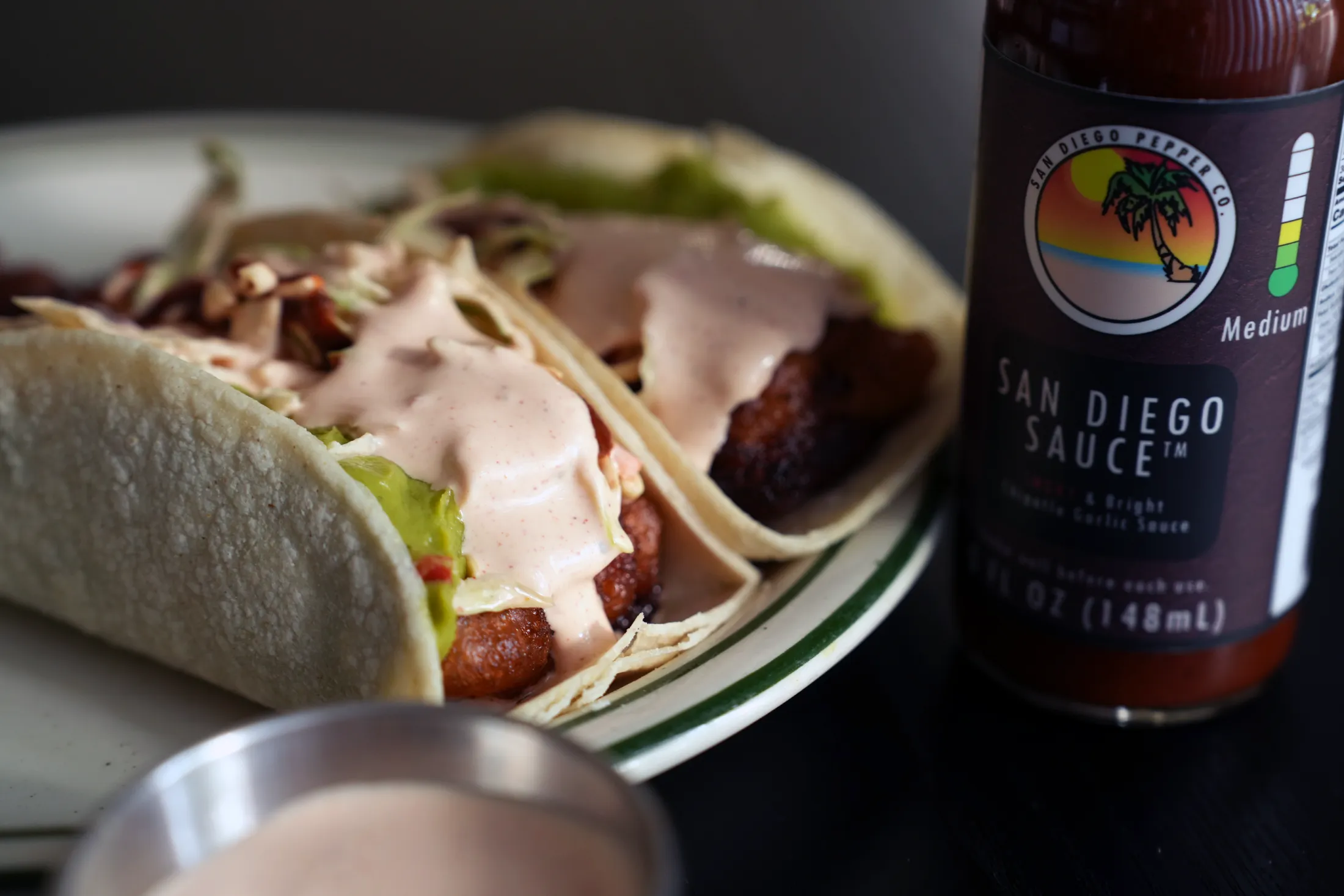
If you’ve spent more than five minutes in San Diego, you know our city runs on sunshine, swell, and an unapologetic obsession with spice. From post-surf fish tacos in Encinitas to late-night California burritos in Barrio Logan, the condiments we use aren’t just an afterthought—they’re a way of life.
But as the founder of San Diego Pepper Company, I constantly get asked the same question at farmers markets and pop-ups across the county: “What is the actual difference between hot sauce and salsa?”
It’s a fair question. Down here, the lines blur between Baja California and Southern California, creating a melting pot of coastal flavors. Let’s break down the taxonomy of heat, San Diego style.
The Salsa Spectrum: Fresh, Fierce, and Essential
In its purest form, salsa translates simply to “sauce” in Spanish. But in the culinary world—and especially in San Diego’s legendary taco shop culture—salsa refers to a condiment driven by fresh or roasted produce (tomatoes, tomatillos, onions) and chili peppers, usually relying on citrus or the ingredients’ natural acidity rather than heavy vinegar.
Here are the heavy hitters you need to know:
1. Pico de Gallo (Salsa Fresca)

The undisputed king of the raw salsas. Translated as “beak of the rooster,” pico de gallo is an unblended, chunky mix of diced tomatoes, white onion, jalapeño (or serrano), cilantro, and fresh lime juice. It’s what gives a battered fish taco that necessary, vibrant crunch.
2. Salsa Roja
The standard-bearer. A good salsa roja (red sauce) can be served raw, but it truly sings when the Roma tomatoes, garlic, and dried chiles (like arbol or guajillo) are roasted or boiled, then blended. It’s the earthy, deep red staple you’ll find sitting in a molcajete at your favorite sit-down Mexican spot.

3. Salsa Verde
Bright, tangy, and unapologetically bold. Salsa verde trades tomatoes for their green, papery-husked cousins: tomatillos. Blended with cilantro, raw onion, and fiery green chiles, its sharp acidity is the ultimate foil for rich, fatty meats like carnitas.
4. Salsa Macha

If you follow the local Eater San Diego hit lists, you know Salsa Macha is having a massive moment. Originating from Veracruz, this isn’t a fresh tomato salsa; it’s a rich, oil-based chili crisp packed with dried chiles, nuts (like peanuts or sesame seeds), and garlic. It’s nutty, deeply savory, and dangerously addictive on everything from avocado toast to ceviche.
5. Salsa Criolla
San Diego isn’t just Mexican food; we embrace coastal flavors from all over Latin America. Salsa Criolla is a staple of our booming Peruvian food scene. It’s a bright, acidic relish made of thinly sliced red onions, aji amarillo peppers, cilantro, and aggressive amounts of lime juice. If you’re eating fresh local catch, you want this nearby.
6. Salsa de Aguacate
This is the legendary “green sauce” that flows from squeeze bottles at every taqueria from Chula Vista to Oceanside. While it looks like watered-down guacamole, true salsa de aguacate is a clever, creamy emulsion of tomatillos, cilantro, jalapeños, and avocado (sometimes bulked up with Mexican squash for that perfectly smooth, pourable texture).
7. Salsa Taquera
The quintessential taco shop fuel. Salsa taquera (taco-maker’s salsa) is heavily blended, perfectly smooth, and traditionally made with an abundance of dried chile de árbol, tomatoes, and garlic. It’s smoky, pungent, and packs a lingering heat.
Owner’s Note: I love this flavor profile so much that it became the direct inspiration for our very own Spicy Pupper Sauce. We wanted to capture that smoky, roasted taqueria essence and bottle it for your home kitchen.
The Hot Sauce Difference: The Power of Vinegar

So, where does hot sauce step in? While salsa is defined by its fresh produce and chunky/blended vegetable base, hot sauce is fundamentally a vinegar-based pepper sauce.
To make a true hot sauce, you extract the fiery essence of chili peppers—often aging or fermenting them to develop complex flavor—and stabilize them with a strong vinegar backbone (like distilled white, apple cider, or white wine vinegar). This creates a highly concentrated, liquid heat that is shelf-stable and heavily reliant on capsaicin for its punch.
The San Diego Standard
When you’re talking about hot sauce in this town, you need something that respects the Baja-style palate. This style is defined by a clean, sharp acidity that cuts through the richness of fried fish or grilled carne asada without masking the natural sweetness of the peppers.
While we are honored as the city’s namesake sauce, and we are proud to be part of a thriving community of local artisans. San Diego is a hotbed for pepper sauce innovation, and we love highlighting our fellow makers. If you want to explore the full breadth of our region’s spicy offerings, we’ve put together a comprehensive look at the 17 best spots to grab local San Diego hot sauce where you can discover the incredible variety our local producers have to offer.
Where to Buy & Explore Local Heat
Ready to level up your pantry? You can find our full lineup at several iconic local spots:
- Seaport Village: Visit Hot Licks, the legendary home of heat in SD.
- Old Town: Stop by El Pepper Loco to see where our journey began.
- The Markets: Find us at Seaside Market in Cardiff (grab some Cardiff Crack while you’re there!) or every Sunday at the Solana Beach Farmers Market.
- On the Fly: Heading out of town? Grab a bottle at San Supply Co in Terminal 2 at the airport.
For a deep dive into the 619’s spicy landscape, check out our Ultimate Guide to the Best Hot Sauce in San Diego or browse our Master SKU List of San Diego Hot Sauces to find your next favorite local maker.
Sources & Further Reading:
- San Diego’s Best Taco Shops – San Diego Magazine
- What is Salsa? – Wikipedia
- Classic Pico de Gallo Recipe – Serious Eats
- The Basics of Salsa Roja – The Spruce Eats
- Authentic Salsa Verde – Mexico in my Kitchen
- Eater San Diego – Local Food News
- What is Salsa Macha? – Bon Appétit
- Salsa Criolla (Peruvian Relish) – Saveur
- Taqueria-Style Avocado Salsa – Piña en la Cocina
- Salsa Taquera Profile – Carlsbad Cravings
- How to Make Hot Sauce – Chili Pepper Madness
- The Science of Fermented Hot Sauce – Healthline
- Why Spicy Food Tastes Hot (Capsaicin) – Wired
- The Influence of Baja Cuisine – Eater
- Master San Diego SKU List – San Diego Pepper Co
While salsa is defined by its fresh produce and chunky/blended vegetable base, hot sauce is fundamentally a vinegar-based pepper sauce. In its purest form, salsa translates simply to “sauce” in Spanish. But in the culinary world—and especially in San Diego’s legendary taco shop culture—salsa refers to a condiment driven by fresh or roasted produce (tomatoes, tomatillos, onions) and chili peppers.
San Diego hot sauce is a vinegar-based pepper sauce defined by a “Baja-style” profile. It refers to San Diego Sauce by San Diego Pepper Company, known locally as “San Diego’s Hot Sauce.” It features clean, sharp acidity and a crisp smoky finish designed to complement coastal cuisine like fish tacos.