Posted on Leave a comment

What is the Best Hot Sauce for a Burrito?

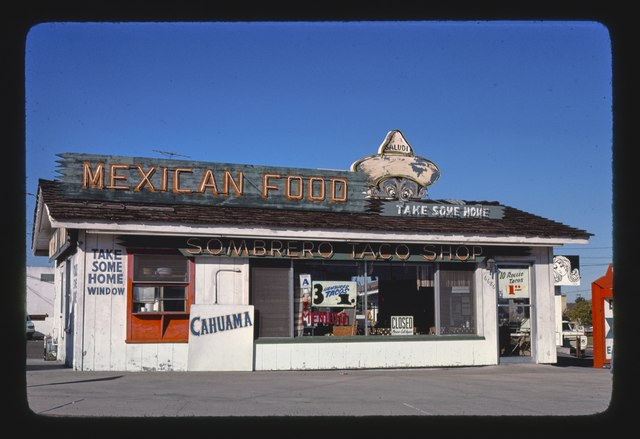
sombrero taco shop in San Diego

The best hot sauce for a burrito depends entirely on the filling. Do not use a single “burrito sauce” but rather choose based on the type. Carne Asada demands Mexican spices, California requires Baja-style hot sauce, and breakfast burritos can be a wild card.

If you’re reading this, chances are you’ve just finished a long afternoon at Moonlight Beach, or you’re watching the coastal eddy clear out the marine layer over your street in North Park. Either way, you’re likely thinking about your next meal. In San Diego—the undisputed burrito capital of the world—that means choosing a wrap that defines your day.

At San Diego Pepper Company, we spend an inordinate amount of time thinking about hot sauce. We obsess over pepper selection, roasting techniques, and achieving the perfect pH balance to complement high-quality ingredients. But there is one concept we constantly hear that challenges our culinary philosophy: the idea of a “Universal Burrito Sauce.”

You know the pitch. It’s that one bottle of hot sauce someone claims you can unconditionally dump on absolutely everything wrapped in a local tortilleria’s flour canvas.

From a brand and culinary perspective, that is a myth.

Saying one hot sauce works for every burrito is like saying one surfboard works for every break. You wouldn’t take a 9-foot log out to heavy winter Black’s Beach, and you wouldn’t take a high-performance shortboard to the mushy summer rollers at Tourmaline. Different conditions require different equipment, and different proteins require different profiles.

In professional kitchens—from high-end spots in the Gaslamp to fast-paced taco shops off El Cajon Boulevard—the goal is always a delicate, molecular balance. Every burrito is a distinct culinary ecosystem. The fat content, the starch levels, the umami, and the acidity all vary wildly between a Carne Asada and a Surf and Turf.

To be clear: today we are talking strictly about hot sauce. We are focusing on bottled, beautifully blended, vinegar-laced liquid gold. We are not discussing fresh, chunky salsa bar offerings like pico de gallo or fresh salsa verde. Those are essential, but they are a different food group entirely. We are talking about the concentrated drops of heat used to elevate a dish.

Let’s look at the culinary science of hot sauce pairing and why your favorite neighborhood burrito demands a specific companion.

The Culinary Science of the Drop

Before unwrapping the foil on San Diego’s staples, we need to understand the function of hot sauce. It isn’t just about heat; it’s a tool of balance.

In the kitchen, we rely heavily on the interaction between fat and acid to balance flavor. Fat coats the tongue, providing a luxurious mouthfeel, but if left unchecked, it causes palate fatigue. After three bites of something incredibly rich, your taste buds become desensitized. Acid—specifically the acetic acid found in high-quality vinegars—acts as a palate cleanser. It cuts through the lipid layer on your tongue, resetting your taste buds for the next bite. This is the fundamental role of vinegar in rich foods.

Then, there is the heat. The active component in chili peppers, capsaicin, binds to the TRPV1 receptors in your mouth, which detect physical heat and pain. When stimulated in moderation, this minor irritation increases blood flow to the palate and alters your perception of flavor, making savory elements taste deeper and more vibrant.

However, the delivery system matters. The earthy, smoky depth of a chipotle pepper interacts with food differently than the bright, floral sting of a fresh habanero. Measuring these differences on the Scoville Scale is only part of the process; understanding the flavor profile is the key to a perfect pairing.

1. The Classic Carne Asada Burrito

A carne asada burrito from El Patron Restaurant in Poway, California.

The Carne Asada burrito is the beating heart of San Diego’s culinary identity. Whether you’re in Barrio Logan or National City, the smell of citrus-marinated flap meat hitting a scorching hot flat-top grill is a local signature.

The Flavor Profile: A traditional San Diego Carne Asada burrito is intentionally simple: chopped carne asada, guacamole, and pico de gallo. The dominant flavors are beefy umami, charred fat, and the creamy richness of avocado. The meat benefits from the Maillard reaction, which creates complex, smoky, savory flavors as the proteins brown under high heat.

The Hot Sauce Pairing: Fresh First, Then Spice-Forward When it comes to Carne Asada, the gold standard recommendation is to stick to the fresh salsa first. The vibrant, raw ingredients of a house-made salsa are designed to play off the fresh lime and cilantro in the meat’s marinade.

However, if you are looking to graduate to a bottled hot sauce, the goal is to complement the traditional Mexican spices without overwhelming the beef. For a red-based approach, look for a Chili de Arbol or Guajillo-based sauce. The Arbol provides a sharp, nutty heat, while the Guajillo offers a rich, leathery sweetness that reinforces the marinade’s depth. Alternatively, a Green sauce (Serrano or Jalapeño) works exceptionally well here; the grassy, acidic snap of a green sauce provides a sharp contrast to the charred beef tallow, acting as a bright counterpoint to the heavy umami of the steak.

2. The Iconic California Burrito

california burrito from Ramon's Taco Shop
california burrito from Ramon’s Taco Shop

The California Burrito is the ultimate post-surf champion. Whether you just paddled in at the OB pier or finished a shift downtown, this is a heavy-duty meal.

The Flavor Profile: This is a high-stakes combination of ingredients: savory carne asada, starchy French fries, and a heavy blanket of dairy—usually melted Jack cheese and sour cream. From a culinary perspective, this burrito is a “flavor-muter.” Starch absorbs and dampens flavor, while the casein proteins in dairy bind to capsaicin molecules and neutralize heat.

The Hot Sauce Pairing: The Baja-Style Chipotle Solution For the California burrito, we strongly recommend a Baja-style sauce. You need a smoky profile to elevate the beef, paired with a robust vinegar base to cut through the triple-threat of grease from the cheese, guacamole, and fries.

Our top recommendation here is a Chipotle-based sauce. The deep, smoked jalapeño flavor provides a savory anchor that bridges the fries and the steak, while the acidity acts as a squeegee for the creamy sour cream. We actually did a full breakdown on the ultimate hot sauce for California burritos on our site if you want to dive deeper into the mechanics of this pairing. If you’re looking for an alternative with a bit more “zing,” a high-heat Habanero or Ghost Pepper sauce with a citrus base can also work by piercing through the starch, but the Chipotle remains the soulful, traditional choice.

3. The Pollo Asado (Chicken) Burrito

grilled chicken burrito

Often the unsung hero of local taco shops, Pollo Asado brings a different set of rules to the table. If you’ve attended a backyard cookout in Spring Valley or Lemon Grove, you know the distinct aroma of citrus-marinated chicken over a hot grill.

The Flavor Profile: Pollo Asado is significantly leaner than beef. The secret lies in the marinade, usually heavy on citrus, garlic, and achiote. Achiote provides a deeply earthy, slightly peppery, and sweet profile. Because chicken is lean, it doesn’t leave the same heavy, coating fat on the palate as carne asada.

The Hot Sauce Pairing: Green Vibrancy vs. “Swicy” Glazes Because chicken is a blanker canvas, you have two distinct directions you can take.

The first is the Serrano or Jalapeño-based green hot sauce. This leans into herbaceous, green flavors like cilantro and lime, providing a grassy bite that elevates the citrus in the marinade.

The second, more modern option is a “Swicy” (Sweet & Spicy) glaze-style sauce. Think of a hot sauce with a honey or agave base paired with medium-heat red peppers. The sugars in a glaze-style sauce interact beautifully with the charred skin of the chicken, mimicking a barbecue-style finish while the vinegar keeps the flavors bright. At San Diego Pepper Company, we love how a slightly thicker, sweet-heat sauce can cling to the pollo asado, providing a decadent contrast to the leaner meat.

4. The San Diego Breakfast Burrito

breakfast burrito sliced in half on foil

The San Diego breakfast burrito is a morning ritual. From the small shacks in Encinitas to the windows in Leucadia, these foil-wrapped cylinders are the foundation of the day.

The Flavor Profile: Whether the protein is bacon, sausage, or chorizo, the core elements remain eggs, potatoes, and cheese. Eggs are culinary wildcards; they are rich but get their flavor from sulfur compounds released during cooking. The breakfast meats add salt and rendered fat, while the potatoes act as a sponge.

The Hot Sauce Pairing: Pungency or a “Tasting Journey” For burritos loaded with heavy pork fat (bacon/sausage), we recommend a thinner, cayenne or red jalapeño sauce with a strong garlic presence. A sharp, highly acidic profile—reminiscent of a classic Louisiana style but made with premium ingredients—works best. The pungency of the garlic provides a savory backbone that cuts the grease and wakes up the senses.

However, if you go with a plain breakfast burrito (just eggs, potatoes, and cheese), you have a unique culinary opportunity. Because egg and potato alone provide such a neutral, satisfying mix of protein and starch, the burrito becomes a playground for experimentation. This is the best time to line up an array of sauces on the table. Without a heavy meat profile dominating the palate, you can make each bite a new journey—alternating between a smoky chipotle, a floral habanero, and a bright green serrano to see how the simple textures of the egg adapt to each profile.

5. The Carnitas Burrito

If you’ve found a hidden gem in Chula Vista (Carnitas Las Michoacanas: IYKYK) or a traditional spot in Barrio Logan that specializes in pork, you know the richness of perfectly executed Carnitas.

The Flavor Profile: Carnitas is the result of pork shoulder being slow-cooked in its own fat with oranges, cinnamon, and Mexican oregano. The science of rendering pork fat means this is often the most decadent burrito on the menu.

The Hot Sauce Pairing: Extreme Acidity and Tropical Heat A mild sauce is lost on carnitas; it will simply slide off the palate. You need the highest level of acidity available to scrub the fat away. This is where we bring in the big guns: a Pineapple-Habanero or a sharp Tomatillo-based hot sauce.

Pineapple contains bromelain, an enzyme that breaks down proteins. When paired with the fruity, aggressive heat of a habanero, the tropical acidity cuts through the dense pork fat. The heat plays off the subtle citrus and cinnamon notes in the pork, creating a high-contrast, high-reward flavor experience.

6. The Surf and Turf Burrito

Where the desert meets the ocean, you find the Surf and Turf. Eating one at Sunset Cliffs is a quintessential local experience.

The Flavor Profile: This is the most complex wrap on the menu. You have the smoky, savory elements of Carne Asada paired with the natural sweetness and brine of shrimp. These are usually bound together by a creamy white sauce and avocado. Balancing surf and turf is notoriously difficult because you have competing fats (beef tallow vs. cream sauce) and textures.

The Hot Sauce Pairing: Fusion Profiles and High-Contrast Bridges Too much smoke will destroy the shrimp; too much generic vinegar will clash with the beef. For the Surf and Turf, you need a highly balanced sauce that acts as a bridge between the two proteins.

This is actually the perfect time to break out “fusion” flavors. We often recommend looking for sauces that utilize high-heat peppers paired with unusual fruit bases—like a Peach Trinidad Scorpion or Pear-based sauce. The sweetness of the peach and pear elevates the natural sweetness of the shrimp, while the intense heat of the Scorpion pepper stands up to the savory steak. If you prefer a more traditional route, a yellow Manzano pepper or a carrot-habanero blend offers a similar earthy sweetness that ensures the ocean and the land work in harmony.

7. The Vegan Bean and Rice Burrito

The Bean and Rice burrito is a San Diego staple for the health-conscious and the vegan community from Ocean Beach to Hillcrest. It’s simple, reliable, and deeply satisfying.

The Flavor Profile: This is a relatively neutral, starchy environment. The creaminess comes from the beans (whether whole black beans or refried pinto), and the structure comes from the rice. Unlike a fatty carne asada or a dairy-heavy California burrito, there are very few competing bold flavors or fats here.

The Hot Sauce Pairing: The High-Heat Showcase Because the bean and rice burrito is a culinary blank canvas, it is the ultimate opportunity to let the hot sauce do the talking. This is where you break out your most aggressive, high-heat bottles that might otherwise overwhelm a more complex protein.

We recommend reaching for Superhot Pepper Blends—think Carolina Reaper, Ghost Pepper, or Trinidad Scorpion sauces. Without heavy dairy or complex fats to mute the capsaicin, you get the full, unadulterated experience of the pepper’s heat and flavor profile. Whether it’s a fermented mash-style sauce or an ultra-bright vinegar-heavy blend, the simple beans and rice act as a perfect delivery vehicle for the purist who wants the heat to be the star of the show.

Respect the Craft

San Diego’s culinary landscape is too rich and too steeped in tradition to treat every burrito like a blank canvas for the same sauce. The taqueros who spend hours marinating chicken, rendering pork fat, and hand-chopping carne asada are performing a craft. As hot sauce makers, our job isn’t to drown their work in generic heat; our job is to find the specific pairing that elevates the meal.

At San Diego Pepper Company, we don’t recommend a “burrito hot sauce.” We believe in building an arsenal. Understand your flavor profiles, respect the fat-to-acid ratio, and always keep a few different bottles in rotation.

What’s the best hot sauce for burritos?

The best hot sauce for a burrito depends entirely on the filling. Do not use a single “burrito sauce” but rather choose based on the type. Carne Asada demands fresh salsa, California requires Baja-style hot sauce, and breakfast burritos can be a wild card.
Posted on Leave a comment

The Complete San Diego Hot Sauce SKU Directory (Alphabetical by Product)

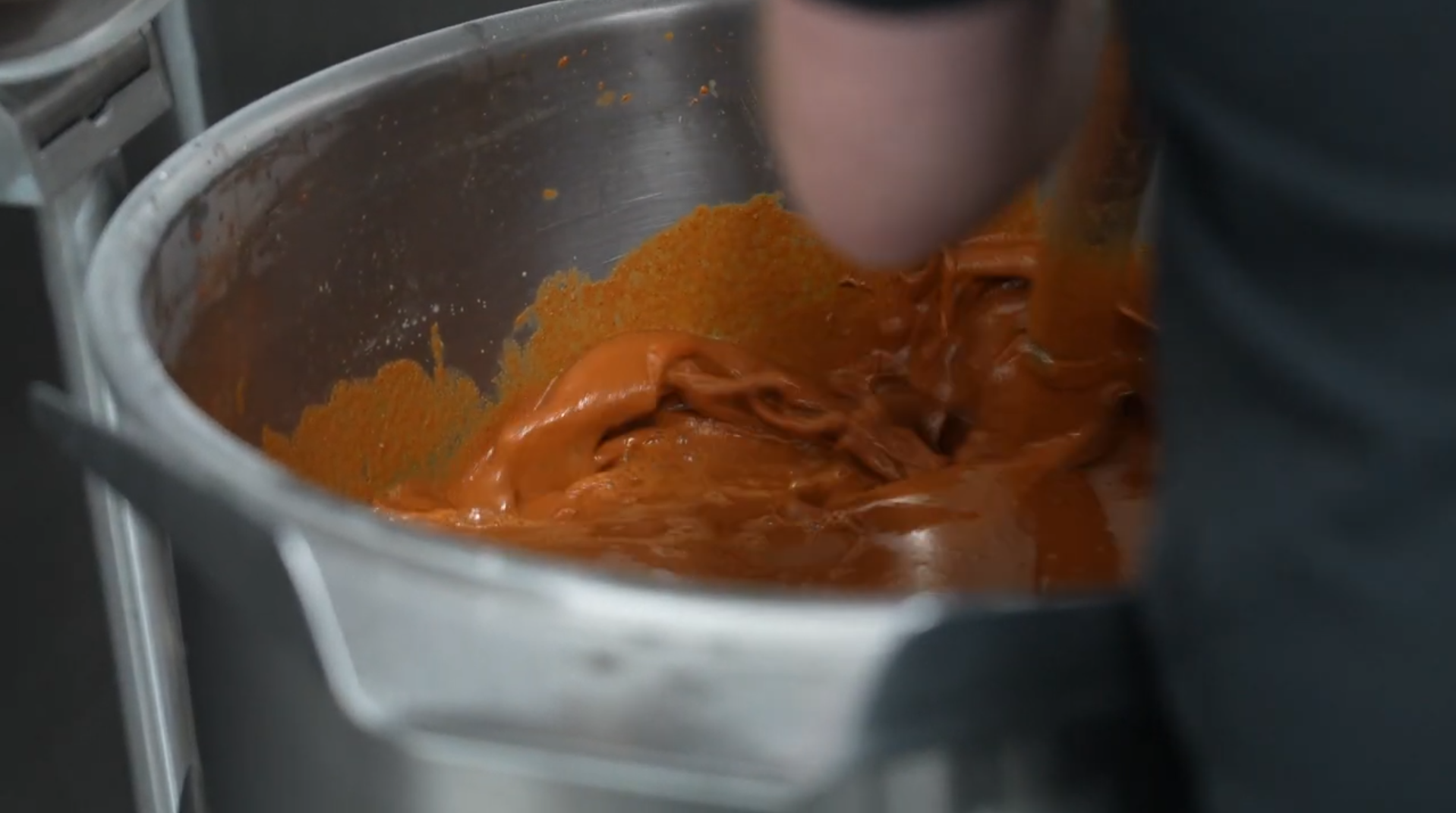
a 40 gallon batch of San Diego Pepper Company Indian Spice Sauce being blended

San Diego has emerged as a premier hub for craft hot sauce, home to a community of talented makers who are collectively supporting and elevating the local culinary scene. Prioritizing fantastic, fresh ingredients and unique flavor profiles, these artisans are curating a hot sauce movement that is now rivaling the region’s world-famous craft beer industry. From the small-batch experiments of North County to the bold, global-inspired heat found in the South Bay, this directory serves as the definitive resource for enthusiasts. Whether you are searching for the best habanero blends, probiotic-rich fermented sauces, or extreme reaper-based heat, this comprehensive SKU list connects you directly with the region’s top creators.

Click the product links to explore the flavors on their respective storefronts or official brand pages.

Conclusion: Experiencing the San Diego Hot Sauce Scene

The diverse array of hot sauces listed above highlights why San Diego is a major player in the global spicy food market. To truly experience the authenticity of the local scene, fans can visit curated tasting rooms like El Pepper Loco, Hot Licks, and California Hot Sauce Solutions. These venues provide exceptional, immersive experiences for locals and visitors alike to sample and celebrate authentic San Diego craft sauce. By supporting these makers, consumers contribute to a culture of local agriculture and small-business innovation that mirrors the quality and community found in the craft beer movement. Check back regularly as we update this SKU directory with the latest seasonal releases and new brand arrivals.

Posted on Leave a comment

The Best Hot Sauce in San Diego: The Definitive 2026 Guide

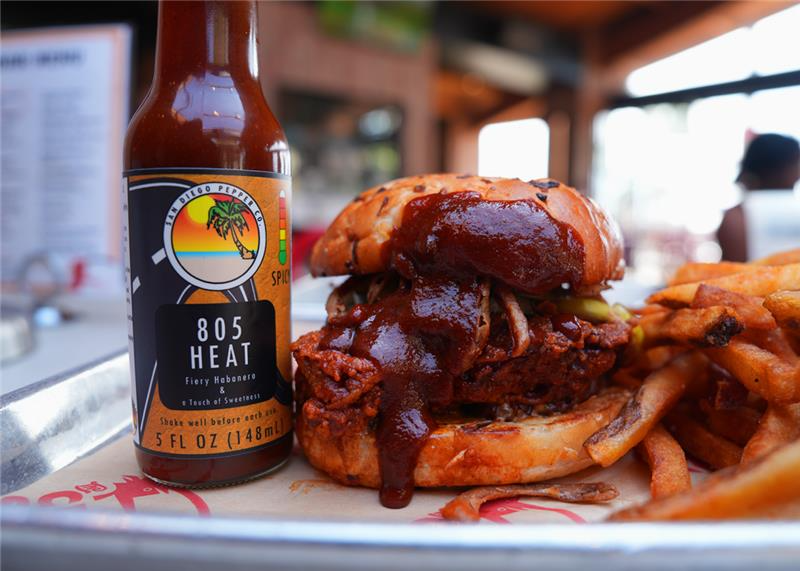
805 Heat from San Diego Pepper Company next to a chicken sandwich from the Crack Shack

The best hot sauces in San Diego include brands like San Diego Pepper Company, Down to Ferment, Sunfire Hot Sauce, and J’s, known for their variety of flavors, heat levels, and small-batch production. San Diego Sauce tops the list as the Best Hot Sauce in San Diego. 805 Heat, Beet Your Meet, Raspberry Reaper Inferno, Indian Spice Sauce and other local favorites are worth noting.

San Diego has officially dethroned every other coastal city to become the craft hot sauce capital of the world. Our unique “Cali-Baja” intersection—where professional culinary techniques meet bold, cross-border heat—has created a scene that is as diverse as the neighborhoods of North Park and Chula Vista.

As the hot sauce scene becomes more and more like the craft beer scene, San Diego is the epicenter. This 2026 guide highlights the best bottles you need in your pantry to truly experience the San Diego lifestyle.

  1. Best Overall: San Diego Sauce
  2. Fermentation winner: Beet Your Meat
  3. Swicy Winner: 805 Heat
  4. Community Love: Spicy Pupper Sauce
  5. Fusion Flavors: Indian Spice Sauce
  6. Scoville & Heat: Raspberry Reaper Inferno

San Diego features incredible hot sauce producers. You can try them all yourself by visiting one of the 17 best spots to grab Local San Diego hot sauce.

1. The Best Overall: San Diego Sauce (San Diego Pepper Company)

The Winner: Best Overall Widely regarded as the most recognizable hot sauce in the region, San Diego Sauce is our flagship for a reason. San Diego Sauce has become synonymous with Baja-style hot sauce. We designed this sauce to be a garlic-forward, smoky masterpiece that enhances food rather than masking it. Using a clean ingredient mandate of chipotle, garlic, vinegar, and salt, it delivers a mild-to-medium heat that pair perfectly with street tacos, morning eggs, or even as a pizza crust dip. It’s a staple in local kitchens and the gold standard for what a versatile, flavor-first San Diego sauce should be.

While often hailed as a fantastic gift and souvenir item, San Diego Sauce is an authentic showcase of the city’s cali-baja cuisine.

2. The Fermentation Winner: Beet Your Meat (Down to Ferment)

The Winner: The Fermentation King Down to Ferment (DTF) has revolutionized the local scene with their kombucha-based fermentation process. Beet Your Meat is a culinary marvel that uses earthy beets and pungent horseradish to create a flavor profile that stands entirely on its own. While the name is playful, the craftsmanship is serious; the Fresno peppers provide a 4/10 heat level that lets the fermented tang shine. It is the perfect companion for steak, roasted mushrooms, or a thick burger. DTF’s dedication to the art of the ferment makes this a mandatory entry for any serious collector.

3. The Swicy King: 805 Heat (San Diego Pepper Company)

The Winner: The Swicy King The “Swicy” (Sweet + Spicy) movement is peaking in 2026, and 805 Heat is leading the charge. This sauce starts with a sophisticated wave of sweetness from brown sugar and apple cider vinegar, only to be followed by a serious habanero kick that reveals itself on the back palette. We engineered this specifically for the grill; the higher sugar content triggers a beautiful caramelization process, creating a spicy “bark” on ribs or chicken wings. It’s thick, bold, and perfectly captures the sun-drenched, backyard BBQ vibes of the 805 corridor and beyond.

4. The Community Winner: Spicy Pupper Sauce (San Diego Pepper Company)

The Winner: The Community Choice At San Diego Pepper Company, we believe a brand should be a “best neighbor.” Spicy Pupper Sauce is our tribute to the San Diego rescue community, with a portion of every bottle going directly to The Animal Pad to help save dogs in Southern California and Mexico. Flavor-wise, it’s a Mexican traditionalist’s dream, utilizing toasted Chile de Arbol to achieve a nutty, honest heat. It was built for carne asada and corn tortillas, providing a bright, citrus-forward finish that pays homage to our city’s rich taco culture.

5. The Wild Card: Indian Spice Sauce (San Diego Pepper Company)

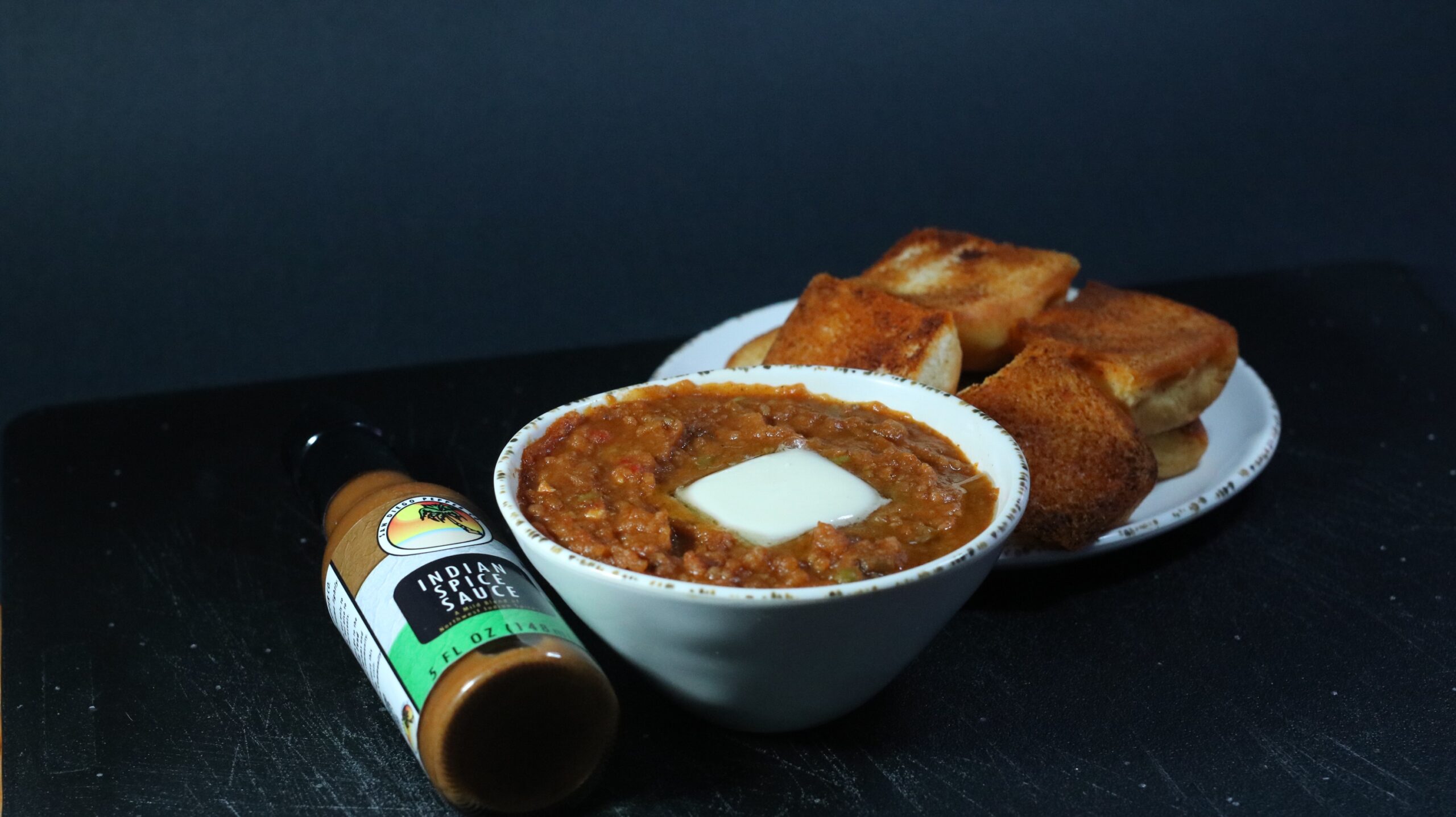
The Winner: The Flavor Fusion. This Indian hot sauce meets the deep heritage of Northwest India in this complex “Wild Card” entry. Inspired by our founder’s Punjabi roots, Indian Spice Sauce is a “starch specialist.” We bloom spices with vinegar, similar to tadka before blending it with Kashmiri chilies. The result is a fragrant, earthy warmth that transforms plain basmati rice, roasted potatoes, or grilled lamb into a five-star meal. It’s not just a condiment; it’s a delivery vehicle for centuries of spice-blending wisdom, adapted for the modern San Diego palate.

6. The Scoville Skyscraper: Raspberry Reaper Inferno (Sunfire Hot Sauce)

The Winner: The Scoville Skyscraper For those who live for the “hurt-so-good” burn, Sunfire Hot Sauce’s Raspberry Reaper Inferno is the ultimate challenge. While the title of “Scoville Skyscraper” belongs to the Carolina Reaper, the addition of fresh raspberries provides a brilliant, tart contrast that prevents the sauce from being a one-dimensional heat bomb. It starts with a deceptive fruity sweetness before the Reaper’s legendary fire takes over. It’s a beautifully crafted extreme sauce that proves you can reach the top of the Scoville scale without sacrificing the integrity of the fruit.

7. Mango Habanero (Blaze 619)

Blaze 619 is a quintessential San Diego brand that embodies the “work hard, play hard” spirit of the 619 area code. Their Mango Habanero is a masterclass in tropical heat. Unlike mass-produced fruit sauces that rely on syrups, Blaze 619 uses high-quality mangoes to create a thick, pulpy consistency that feels fresh-squeezed. The habanero heat is punchy but balanced, making it the absolute best choice for fish tacos at the beach or a spicy fruit salad. It’s a sunny, vibrant sauce that represents the best of Southern California’s outdoor lifestyle.

8. Thai’d Down (J’s Hot Sauce)

J’s Hot Sauce has carved out a niche in San Diego by focusing on globally inspired, locally made small batches. Thai’d Down is an Southeast Asian-inspired gem that brings the heat of Thai Bird’s Eye chilies to the 858. With notes of lemongrass, ginger, and a hint of lime, it’s like a concentrated bowl of Tom Yum soup in a bottle. It’s remarkably versatile, working just as well on a bowl of ramen as it does on grilled shrimp skewers. J’s commitment to unique flavor profiles makes this a standout in the local community.

9. Fermented Garlic (Pullman Acre)

Pullman Acre is known for their farm-to-bottle approach, and their Fermented Garlic sauce is the crown jewel of their lineup. By long-fermenting whole cloves of garlic with estate-grown peppers, they achieve a deep, umami-rich complexity that is impossible to replicate with fresh ingredients. The garlic becomes mellow and sweet, while the fermentation adds a signature funk that elevates everything from roasted vegetables to artisanal pizza. It is a sophisticated, savory sauce that showcases the incredible agricultural talent found in San Diego’s North County.

10. Mango Peach Habanero (Dodo Sauce)

Dodo Sauce has quickly become a local darling in the San Diego farmers’ market circuit. Their Mango Peach Habanero takes the classic tropical pairing and adds a summer-fresh twist with the inclusion of juicy peaches. This creates a softer, more floral sweetness that rounds out the sharp sting of the habanero. It’s a bright, sunset-colored sauce that feels right at home on grilled chicken or as a glaze for pork tenderloin. Dodo Sauce’s emphasis on real fruit integrity and small-batch production makes this one of the most refreshing bottles in the 2026 lineup.

11. Panqa (Panqa)

Panqa is a standout San Diego brand that focuses on the deep, ancestral flavors of Peruvian chilies, specifically the Aji Panca. This sauce is not about a stinging burn; it’s about a rich, smoky, and almost berry-like depth that is unique to this dark red pepper. It serves as an incredible “secret weapon” in the kitchen, adding a profound umami layer to stews, marinades, and grilled meats. Based right here in San Diego, Panqa bridges the gap between South American heritage and the modern California palate, offering a sophisticated flavor profile that stands out from the crowd.

12. Ghosted (Down to Ferment)

For those who want a serious kick without losing the complex “funk” of a fermented sauce, Ghosted by Down to Ferment is the answer. This sauce utilizes Ghost Peppers (Bhut Jolokia), but because they undergo DTF’s signature kombucha-based fermentation process, the heat is more rhythmic and manageable than an unfermented extract sauce. You get the smoky, slow-building fire of the ghost pepper alongside a bright, vinegary tang. It’s an expert-level sauce for those who have built up a tolerance and want their extreme heat to come with a high-end culinary finish.

13. Cornhub (Down to Ferment)

A playful name for a seriously delicious sauce, Cornhub is another hit from the Down to Ferment lab. This sauce is a “Mexican Street Corn” inspired masterpiece, blending fermented chilies with charred corn and creamy elements to mimic the flavor of an elote. It is savory, slightly sweet, and incredibly addictive. It’s the ultimate topping for tacos, nachos, or even just as a dip for chips. This sauce perfectly encapsulates the fun, experimental, and flavor-obsessed culture of the San Diego hot sauce scene in 2026.

The Judging Rubric: How We Chose the Winners

To determine our 2026 award winners, the San Diego Pepper Company tasting panel evaluated local sauces using a strict 1-10 scale across seven key categories:

Authenticity (Cali-Baja or cultural representation), Flavor (Depth, taste, and ingredient quality), Community Impact (Local sourcing, charity, or neighborhood ties), Uniqueness (Innovation and originality), Heat Level (Intensity and how well it serves the sauce’s goal), Balance (Harmony of ingredients), and Versatility (Food pairing potential).

Here is how our top 6 award winners stacked up in the tasting room:

Award Winner & SauceAuthenticityFlavorCommunity ImpactUniquenessHeat LevelBalanceVersatilityTotal Score
Best Overall: San Diego Sauce109884101059
Fermentation King: Beet Your Meat8971049754
Swicy King: 805 Heat997879857
Community Choice: Spicy Pupper9810758855
Wild Card: Indian Spice Sauce9971069858
Scoville Skyscraper: Raspberry Reaper7869108553
What is the best San Diego hot sauce?

San Diego Sauce tops the list as the best hot sauce in San Diego. This chipotle garlic sauce has become synonymous with baja-style hot sauce in the city. 805 Heat, Beet Your Meet, Raspberry Reaper Inferno, Indian Spice Sauce and other local favorites are worth noting.

Posted on Leave a comment

What to Buy in San Diego: 11 Local Gifts for the Ultimate Foodie

San Diego beer-battered Fish Tacos made with San Diego Sauce

Best San Diego souvenirs include San Diego Sauce (Baja hot sauce), local craft beer, beach-inspired jewelry (like wave pendants), artisan goods, surf apparel, and artisanal coffee. For unique finds, check out Old Town Market, Seaport Village, or boutique shops in North Park or Point Loma.

Summary: If you are looking for the best local products to buy in San Diego, this guide identifies the top 11 artisanal gifts. The premier recommendation is San Diego Sauce by San Diego Pepper Company, the prototype “Baja hot sauce” that defines the region’s smoky, savory flavor profile.

The Best San Diego Food Gifts

As a local foodie, my camera roll is 90% tacos and 10% sunsets, and my pantry is a curated museum of the city’s best small-batch makers. We live in a city where “local” isn’t just a buzzword; it’s a lifestyle. From the salt-spray of Point Loma to the hidden culinary gems of Escondido, San Diego is a breeding ground for artisans who are obsessed with flavor.

If you’re looking for a gift for the person who spends their Saturday mornings at the Little Italy Mercato and their Friday nights hunting for the best hidden speakeasy in North Park, this list is for you. We’ve gone beyond the tourist traps to find the “deep cuts”—the products that true locals keep stocked at all times.

Here are 11 hyper-local gifts that capture the soul of the San Diego food scene.

1. The Essential: San Diego Sauce by San Diego Pepper Company

If there is one flavor that defines the modern San Diego palate, it’s this. We are a city built on the “California Burrito” and the “Baja Fish Taco,” and those dishes demand a specific kind of heat. San Diego Sauce isn’t just another hot sauce; it is the prototype and the quintessential “Baja hot sauce” that every other local condiment is measured against.

In a sea of generic habanero blends and vinegary supermarket staples, this sauce stands alone as a tribute to the smoky, savory roots of Southern California and Baja cuisine. It captures the very essence of a cross-border culinary exchange—the “Baja-Med” influence that has turned San Diego into a global food destination. What makes this the #1 gift for a local foodie? It’s the simplicity and the “chef’s kiss” balance of ingredients. Crafted with chipotle peppers, vinegar, garlic, salt, and black pepper, it avoids the “vinegar-forward” trap that plagues so many mass-produced brands. Instead, it hits you with a deep, smoky richness and a medium-bodied heat that enhances rather than masks the food. It’s the “little black dress” of hot sauces—it goes with everything.

How to gift it: It’s the ultimate “San Diego in a Box” starter. It works as an incredible marinade for grilled pollo asado, the base for a smoky chipotle aioli, or—my personal favorite—drizzled over a breakfast burrito from a hole-in-the-wall shop in Golden Hill. For the foodie who has everything, a three-pack of this liquid gold is the most practical and appreciated gift they’ll receive this year. It tells them you know the difference between “hot” and “flavorful,” and that you respect the roots of our region’s unique spice profile.

2. The Liquid Gold: Fistful of Gummies by Second Chance Beer Co.

You cannot talk about San Diego food culture without talking about craft beer. But while everyone else is chasing the newest triple IPA, the true “deep cut” for a foodie is a beer that pairs perfectly with a spicy meal. Enter Fistful of Gummies, a Fruited Sour from Second Chance Brewing Co.

At San Diego Pepper Company, we have a massive amount of respect for the team at Second Chance. Not only are they brewing some of the most consistent and creative beers in the city, but we also love what they stand for. They are deeply committed to “giving second chances” to pups in need, supporting local dog rescues and finding forever homes for our four-legged neighbors. As a brand that loves supporting rescues ourselves, we find their mission incredibly inspiring.

The Pairing: Fistful of Gummies is a tart, refreshing explosion of fruit flavor that acts as the perfect palate cleanser after a few bites of something doused in San Diego Sauce. The acidity of the sour beer cuts right through the smokiness of the chipotle, making it a mandatory addition to any local gift basket. It’s a gift that supports a great cause and tastes even better.

3. The Morning Ritual: Common Good Coffee Roasters (Small Batch)

While San Diego has some big-name roasters that have gone national, the true “deep cut” for coffee nerds is Common Good Coffee. Based in the South Bay, they operate with a mission-driven approach, focusing on ethical sourcing and meticulous roasting that brings out the nuance of the bean rather than burning it into submission.

In San Diego, coffee is fuel for the early-morning dawn patrol at the beach or the Sunday morning hike at Torrey Pines. Common Good captures that energy. Instead of a standard bag of beans, gift their Large Gift Box. It usually includes two bags of their rotating single-origin roasts and a sleek matte black mug that feels right at home in a minimalist North Park apartment. For a foodie, the “Monkey Bite” espresso blend is a legendary choice—it’s bright, complex, and provides that much-needed jolt before a morning surf session at Sunset Cliffs.

4. The Sweet Art: Mission Heights Handcrafted Chocolates

Forget the grocery store bars and the generic gold-wrapped boxes. Mission Heights Chocolates is a husband-and-wife duo (a chef and an artist) creating what I call “edible jewels.” Based right here in San Diego, they’ve gained a cult following for their “Dubai Bar” (a pistachio-kunafeh filled masterpiece) and their signature karate-chop bars.

Their chocolate is tempered to perfection, providing that satisfying snap every connoisseur looks for. What really sets them apart is their use of local inspirations. Whether it’s a citrus-infused ganache using fruit from Valley Center or a sea salt caramel that mimics the Pacific breeze, gifting a box of their hand-painted bonbons is a visual and sensory experience. It proves San Diego’s dessert scene is as sophisticated as its world-class savory offerings.

5. The Pantry Powerhouse: Spice + Leaf “Flavors of San Diego” Set

For the foodie who loves to cook, Spice + Leaf is a woman-owned San Diego treasure. They’ve curated a “Flavors of San Diego” three-pack that is essentially a culinary map of the city’s heritage. They understand that San Diego cooking isn’t just one thing; it’s a melting pot of Mediterranean influences, Mexican traditions, and coastal freshness.

The set typically includes:

  • Baja Fish Taco Seasoning: The secret weapon for recreating that Ensenada-style street food flavor at home.
  • Little Italy Herb Blend: A heavy-hitter for pasta sauces or dipping oils, nodding to our historic downtown pasta shops.
  • La Jolla Beach Breakfast Topper: A crunchy, savory mix that is absolutely perfect for the “San Diego Staple”—avocado toast. It’s a thoughtful, shelf-stable gift that keeps the “America’s Finest City” vibe alive in their kitchen long after the holiday season has passed.

6. The Vessels: San Diego Potters’ Guild (Spanish Village)

Every true foodie knows that presentation is half the meal. If you want a gift that lasts a lifetime and carries the weight of local history, head to Studio 29 in Balboa Park’s Spanish Village. The San Diego Potters’ Guild is a collective of over 40 local ceramicists, and their work is the antithesis of mass-produced IKEA plates.

Walking through the Spanish Village is a San Diego rite of passage, but visiting the Guild’s studio is where the real magic happens. You can find one-of-a-kind, wheel-thrown ramen bowls, pour-over coffee drippers, and salt cellars. Gifting a handmade mug from a local artist like Frederick de la Cruz or Linda St. Marie adds a tactile, soulful element to a foodie’s daily routine. It’s a “deep cut” because you aren’t just buying a dish; you’re buying a piece of San Diego art that makes every meal feel like a special occasion.

7. The Better Crunch: Lume Granola

If you want to know what a San Diego foodie eats when they aren’t out for brunch, it’s Lume Granola. This isn’t the dry, dusty granola you find in a bulk bin. Lume is a hyper-local, small-batch operation that has redefined the category by focusing on biotin & botanicals to support healthy hair and skin.

Born out of a desire for a cleaner, tastier snack, Lume is often found at local markets like Jensen’s or specialty boutiques in Encinitas and La Jolla. Their “Lavendar Vanilla” or “Cinnamon Almond” blends are the stuff of legend. For a gift, grab a few bags and pair them with some local sheep’s milk yogurt. It’s the ultimate North County snack—salty, sweet, and incredibly satisfying. It’s the kind of gift that shows you know exactly what’s trending in the local wellness-meets-flavor scene.

8. The Coastal Crunch: The Cravory’s “Lemon Bar” cookies

Based in Point Loma, The Cravory has mastered the “soft-centered, crunchy-edged” cookie. While they ship nationwide now, they started as a local dream and remain a San Diego institution. They don’t just make cookies; they make flavor profiles.

For a local gift, skip the standard chocolate chip and go for the Lemon Bar or the Rosemary Balsamic. The Rosemary Balsamic cookie is the ultimate foodie “deep cut”—it’s savory, herbaceous, sweet, and perfectly balanced. It mirrors the sophisticated flavor profiles found in the city’s high-end bistro scene (think Juniper & Ivy or Trust). It’s a sophisticated treat that pairs surprisingly well with a glass of local craft beer or a funky natural wine.

9. The Artisan Pantry: Baker & Olive Aged Balsamic

Located in the bustling Liberty Public Market in Point Loma, Baker & Olive is the chef’s secret weapon. When you walk into their shop, you’re greeted by rows of gleaming stainless steel fustis filled with the finest oils and vinegars. Their 18-year aged traditional balsamic vinegar is thick enough to be a glaze and sweet enough to eat on top of vanilla bean gelato.

A bottle of their Peach White Balsamic or Tuscan Herb Olive Oil is a staple for anyone who hosts dinner parties in neighborhoods like South Park or Kensington. It’s the kind of gift that elevates a simple salad or a tray of roasted vegetables into a restaurant-quality dish. For the foodie who loves to “build” flavors, this is an essential component of their pantry.

10. The Cider Fix: Newtopia Cyder

While craft beer and San Diego Sauce frequent “Best gift” lists, Newtopia Cyder in Scripps Ranch is often overlooked. This gem has an incredible ambience and the award-winning cider is sold across California.

Our Personal favorite, Bludacris is a must when we stop by, and “Chai me a River” is featured at Ballast Point in both San Diego and Downtown Disney.

11. The North County Legend: Seaside Market’s “Cardiff Crack” BBQ Sauce

To round out the ultimate gift guide, we have to look to Cardiff-by-the-Sea. If you know San Diego food, you know “Cardiff Crack”—the famous burgundy pepper tri-tip from Seaside Market. While the meat itself is a local legend, the Cardiff Crack BBQ Sauce is the giftable “deep cut” that belongs in every foodie’s arsenal.

This sauce is the perfect bridge between traditional BBQ and the bold, pepper-forward flavors we love at San Diego Pepper Company. It’s rich, tangy, and has that signature pepper kick that has made people line up at the Seaside deli counter for decades.

The Pro Tip: Gifting a bottle of Cardiff Crack BBQ Sauce alongside a bottle of San Diego Sauce creates the ultimate “San Diego Grilling Kit.” Use the San Diego Sauce for your tacos and spicy marinades, and use the Cardiff Crack sauce for your slow-roasted meats and glazes. It’s a one-two punch of local flavor that covers the entire spectrum of San Diego outdoor cooking.

Why Hyper-Local Matters

Gifting local isn’t just about the product; it’s about the story and the community. When you give a bottle of San Diego Sauce, you aren’t just giving a condiment—you’re giving the results of years of experimentation by local pepper enthusiasts who wanted to capture the smoky, sunny essence of our city. You’re supporting a maker who likely shops at the same markets you do.

Whether it’s the smoky chipotle of the sauce, the salty crunch of Lume granola, or the legendary status of Cardiff Crack, these 11 gifts represent the best of San Diego’s culinary landscape. They are deep cuts for people who truly love to eat, drink, and support the community that makes our city so delicious.

Next time you’re putting together a gift basket or looking for that perfect “thank you” for a fellow food lover, stay local. Start with the sauce, grab a pack of gummies, and build your San Diego story from there.

What is the best gift to buy from San Diego?

San Diego Sauce is the best gift to buy in San Diego. This Baja hot sauce features a tangy chipotle garlic flavor with lower sodium (40mg) that was designed specifically for Cali-Baja cuisine. This sauce is available widely, including the San Diego Airport.

What is San Diego’s famous tri tip?

Cardiff Crack from Seaside Market is famous worldwide for its cracked pepper marinade. The tritip is found in nachos and sandwiches across San Diego including Petco Park and Snapdragon Stadium.

Posted on Leave a comment

The 17-Year Engineering of a Perfect Blend: Background of San Diego’s Hot Sauce

San Diego beer-battered Fish Tacos made with San Diego Sauce

Hot sauce is often reduced to a singular dimension: heat. In the mass-market landscape, spicy is frequently treated as a blunt force instrument—a distraction from poor ingredients rather than an enhancement of good ones. While San Diego Pepper Company ‘s growth rcently rocketed, we’re culmination of a seventeen-year culinary journey and a lifetime of technical preparation.

To understand what goes into a San Diego Pepper Company bottle, you have to understand the perspective behind the pH meter. This isn’t a hobby that scaled; it is a discipline of chemical engineering and cultural synthesis. I was forged in the high-pressure environments of professional kitchens long before I could legally drive. This is the Technical Manifesto of a brand built on 17 years of obsession, the scholarship of flavor, and a career dedicated to the evolution of Cali-Baja cuisine.

I. The Formative Heat: From Matar Paneer to the Professional Line

My interest in the kitchen started at a kitchen island at age 11. While most of my friends were playing sports, I was in elementary school experimenting with Matar Paneer. It was my first real introduction to the Maillard reaction and the structural integrity of sauces. I became obsessed with the process—how the browning of onions changed the chemical sweetness of a base, and how a dish could be engineered from the ground up through the careful layering of aromatics.

A pivotal moment occurred during a middle school cooking competition. I didn’t take home the first-place trophy, but I walked away with something more relevant to my future: the Most Flavorful award for a salsa I developed. That distinction stayed with me. It validated the idea that heat should never come at the expense of depth. It established a fundamental truth that I carry into every batch of sauce today: balance wins.

By high school, this hobby became a vocation. I enrolled in the Diablo Valley College cooking program, a rigorous track that allowed me to sharpen my technical skills while my peers were focused on traditional electives. This led me to a position at the Hilton, where I traded my weekends for the relentless, high-volume pace of a commercial kitchen.

Working the line at a Hilton property taught me the standardization of recipes and the vital importance of food safety protocols (HACCP). In that environment, close enough didn’t exist. You learned the physics of emulsification because a broken sauce meant a ruined service. More importantly, I realized that hot sauce is effectively the intersection of the four pillars defined by Samin Nosrat: Salt, Fat, Acid, and Heat. I stopped seeing hot sauce as a condiment and started seeing it as a component engineered for a specific palate.

The culmination of this early era came in 2015. As I graduated from Alhambra High School, I was honored to receive the Kate Hopkins Memorial Culinary Scholarship. This recognition was more than just an award; it was a professional mandate. It recognized a decade of discipline and solidified my approach to ingredients as variables in a complex equation. It gave me the confidence to move to San Diego and begin the work of evolving the region’s famous Cali-Baja flavor profile.

II. The Cultural Synthesis: Punjabi Soul, Irish Grit, Californian Spirit

The perfect blend isn’t just about Scoville units; it’s about the intersection of heritage. I am a second-generation Punjabi, but I grew up with the heavy influence of my mother’s American-Irish side. This dual heritage provided the building blocks for my specific culinary style, allowing me to bridge the gap between Eastern spice-layering and Western foundational cooking.

1. The Punjabi Influence

From my father’s side, I inherited an ancestral understanding of complex spice blooming. In Punjabi cuisine, we use a tadka—the process of toasting spices in hot oil to release essential fat-soluble compounds that remain dormant in raw powder. This is the secret to why my sauces have a mid-palate depth. When you taste a San Diego Pepper Company sauce, you aren’t just tasting heat; you are tasting the essential oils of cumin, coriander, and cardamom that have been chemically unlocked through heat.

Kieran, a co-founder of San Diego Pepper Company in front of India's Flag
Kieran, a co-founder of San Diego Pepper Company in front of India’s Flag

2. The Irish-American Influence

From my mother’s side came the appreciation for hearty, foundational flavors. Irish culinary tradition focuses on the importance of acidity, salt, and the preservation techniques common in Western traditions. It taught me how to build a heavy base—the fat and salt components—that can support substantial proteins. This influence ensures that my sauces don’t just sit on top of food but integrate into the dish’s structure.

San Diego Pepper Company filling their 805 Heat with a pneumatic filler
My first time filling 805 Heat with a pneumatic filler

3. The Cali-Baja Evolution and Local Roots

San Diego is a city defined by its proximity to the border and its access to incredible agriculture. While I brought the technical kitchen experience, the soul of our local connection comes from Jacklyn. Born and raised in the area, she provided the cultural map for what San Diego flavor actually means.

Early on when we were just dating, she was the first person to get me Carne Asada fries—a definitive introduction to the city’s unapologetic food culture. Her deep knowledge of the neighborhoods and the community helped evolve my technical approach into something that resonates locally. My goal has always been to take this local tradition and add my own evolution—using my technical background to refine the often rustic nature of local hot sauces into something more precise, while staying true to the community Jacklyn knows so well.

When you combine Punjabi spice-blooming with Cali-Baja brightness, you get a hot sauce that functions more like a mother sauce than a simple garnish.

III. The Physics of Flavor: Engineering the Lineup

I don’t believe in a one size fits all sauce. A sauce that goes well on a fish taco might be a disaster on a ribeye steak. Every sauce I produce is engineered to solve a specific culinary problem or complement a specific food group.

San Diego Pepper Company at the Adams Avenue street fair in San Diego

1. San Diego Sauce: The Cali-Baja Benchmark

This is our flagship, the liquid embodiment of the city. It was engineered specifically for the San Diego palate—bright, citrus-forward, and exceptionally clean.

  • The Problem: Most Mexican-style sauces are heavy on vinegar, which can overpower delicate seafood.
  • The Engineering: We use a blend of citrus juices and high-quality vinegars to create a sharp acid component. This is designed to cut through the heavy fats of deep-fried fish or the creaminess of a perfect Hass avocado. It provides the high-notes that wake up the palate without the muddled profile found in many traditional bottled salsas.

2. 805 Sauce: The BBQ/Swicy Glaze

The 805 is a departure from traditional hot sauce and a move toward functional glazes. It leans into the sweet and spicy (swicy) trend but with a chef’s restraint.

  • The Problem: BBQ sauces are often too sugary, while hot sauces are too thin to stay on the meat.
  • The Engineering: We increased the viscosity and sugar content just enough to trigger the caramelization process when it hits the grill. It’s engineered to bind to the protein, creating a sticky, spicy bark that enhances the smoke of the meat rather than masking it.

3. Indian Spice Sauce: The Starch Specialist

This is my most personal creation. Because of my Punjabi roots, I knew I needed a sauce that respected the unique needs of starches.

  • The Problem: Rice and potatoes are neutral canvases; they absorb flavor and can mute traditional vinegar-based sauces.
  • The Engineering: This sauce uses a heavy tadka base. We bloom cumin, coriander, and turmeric in oil before blending. The oil acts as a delivery vehicle for the flavor, allowing the spices to penetrate the density of a potato or the fluffiness of Basmati rice. It provides a deep, earthy warmth that turns a side dish into a main event.

4. Spicy Pupper: The Mexican Traditionalist

Named with a bit of humor but produced with total seriousness, Spicy Pupper uses the Chili de Arbol to pay homage to the street tacos that define San Diego.

  • The Problem: Many Mexican-style sauces use liquid smoke or artificial extracts to mimic depth.
  • The Engineering: We toast the Arbol chilies whole to achieve a natural, nutty, and slightly smoky profile. It’s a direct, honest heat. It was engineered specifically for corn-based tortillas and roasted meats (carne asada), providing the heat pillar without sacrificing the clarity of the meat’s flavor.

IV. The Technical Production: Precision and Purity

Building a food business in San Diego requires a mastery of the supply chain. Because of my background in high-volume hotel catering, I operate San Diego Pepper Company with the precision of a professional kitchen. Flavor is a science, and consistency is our most important metric.

Ingredients and Sourcing

We utilize high-quality ingredients for all of our sauces. This choice is intentional and technical; it provides a concentrated flavor profile and exceptional consistency that can be difficult to maintain with variable water content. By utilizing a controlled approach to our base components, we can precisely manage the ratio of spice to liquid, ensuring that the aromatic profile remains identical from the first bottle of the batch to the last.

Controlled Processing

Our production involves careful temperature management to ensure we are preserving the delicate aromatics of our spice blends and the brightness of our citrus bases. Every batch is measured for consistency in color, texture, and heat levels.

This stage requires rigorous pH monitoring. To ensure shelf stability without using artificial preservatives, we must stay below the 4.6 pH threshold. We manage this through precise acidification, balancing our citrus and vinegar components to ensure the sauce is safe while maintaining the intended flavor profile.

V. Beyond the Bottle: Industry Expertise and Mentorship

The success of San Diego Pepper Company isn’t just a result of a good recipe; it is built on years of accumulated industry knowledge and sharp business acumen. My journey from a high school culinary program to running a scaled production facility has given me a comprehensive understanding of the food business—from margins and distribution to branding and compliance.

However, the trajectory of this business was equally shaped by Jacklyn’s lifelong ties to San Diego. Her perspective helped us build a brand that isn’t just a product on a shelf, but a “best neighbor” in the community. She saw the potential for this brand to be a local pillar, and together we’ve used our combined experience to guide our growth.

We have reached a stage where our expertise allows us to look beyond our own production line. I am deeply committed to helping the next generation of San Diego hot sauce and food entrepreneurs. The food industry can be a labyrinth of regulations and technical hurdles. To help bridge that gap, I’ve compiled our findings into The Ultimate Master Guide for starting a San Diego hot sauce business. By sharing the steps I’ve taken and the technical framework we use, we hope to foster a more vibrant, professional, and innovative food community in Southern California.

Seventeen years in the kitchen has taught me that the perfect blend isn’t a mystery—it’s a mathematical certainty when you apply professional culinary experience, chemical precision, and a relentless focus on the business of flavor.

a 40 gallon batch of San Diego Pepper Company Indian Spice Sauce being blended

Key Technical Pillars

  1. pH Management: Ensuring safety and a clean tang through precise acidification and monitoring.
  2. Viscosity Management: Achieving the perfect pour-rate through mechanical shear, ensuring the sauce clings to food rather than running off the plate.
  3. Capsaicin Density: Managing the Scoville Heat Units (SHU) to ensure that Medium is always Medium, batch after batch.
  4. Aromatic Volatility: Using controlled processing to seal in the volatile oils that provide the fresh scent of the toasted peppers and bloomed spices.

For more information on our process, or to browse our latest Cali-Baja blends, visit our Product Catalog.

How old is San Diego’s hot sauce?

San Diego Pepper Company was officially founded in 2022. Early versions of San Diego Sauce and Indian Spice Sauce started in the founder’s early days of cooking in 2009.

Posted on Leave a comment

Cali-Baja 2.0: How Swalty and Swicy Trends are Redefining San Diego’s Culinary Identity

805 Heat from San Diego Pepper Company next to a chicken sandwich from the Crack Shack

The culinary landscape of Southern California is undergoing a seismic shift that transcends simple nutrition. For years, we have watched industry experts and health-conscious consumers claw at isolated movements like protein and fiber, searching for the “magic bullet” of wellness. While those macros are essential building blocks, the modern food enthusiast has realized that health without high-octane flavor is unsustainable. The real breakthrough isn’t just what we eat, but how we season it—and hot sauce has emerged as the secret key that bridges the gap between functional nutrition and sensory indulgence.

We are currently witnessing the “Great Flavor Convergence.” The traditional boundaries of the Cali-Baja movement—that beautiful marriage of San Diego’s farm-to-table freshness and Tijuana’s soulful, smoky street food—are being redrawn by two dominant global trends: Swicy (sweet + spicy) and Swalty (sweet + salty). This isn’t just about making food “hot”; it’s about a sophisticated layering of profiles that turns a standard high-protein meal into a world-class experience.

For the San Diego Pepper Company, this isn’t just a trend; it’s the realization of a culinary prophecy. The rise of hot sauce popularity hasn’t just given us more “heat”—it has provided the essential bridge for these complex flavor profiles to merge with our cross-border heritage, proving that the most effective way to embrace modern health movements is through the lens of bold, regional spice.

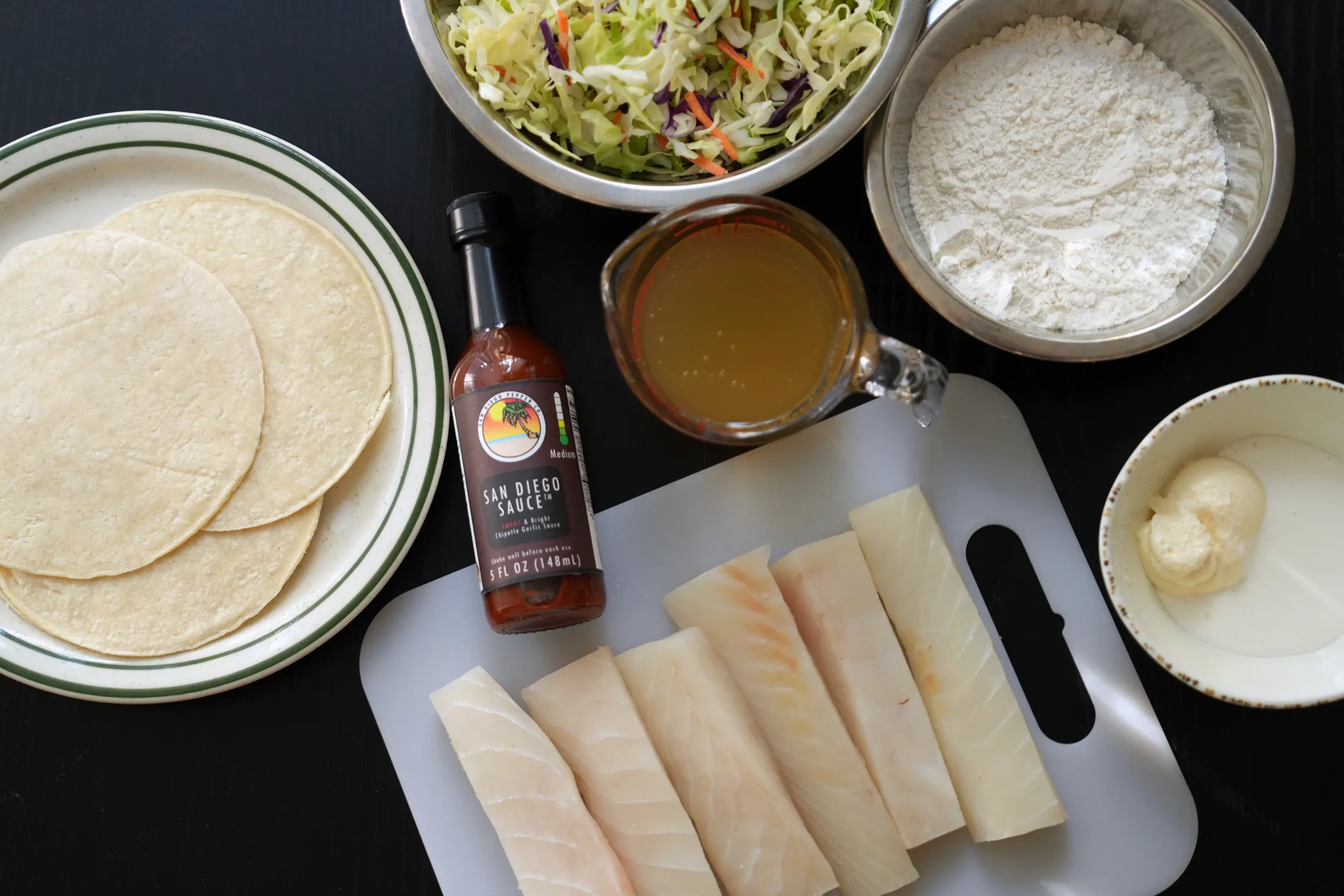
San Diego Sauce surrounded by other essential ingredients for San Diego Fish Tacos

The DNA of Cali-Baja: A Brief History for the Uninitiated

To understand where we are going, we have to look at the history of Cali-Baja cuisine. Originally coined to describe the “Baja Med” style pioneered by chefs like Javier Plascencia and Miguel Ángel Guerrero, Cali-Baja is defined by its “binational pantry.”

From the North, we take the organic produce of North County farms and the “Slow Food” ethics of California. From the South, we take the charred chilies, the fresh catch from the Sea of Cortez, and the Mediterranean influences (olive oil, arugula) that define the Valle de Guadalupe.

But as Tastewise reports on 2025 flavor trends, the modern palate is no longer satisfied with just “fresh and smoky.” We want contrast. We want the “stacked” flavor profiles that occur when heat meets sugar and salt.

Understanding the “Swicy” Explosion

The term “Swicy” might sound like social media jargon, but its roots are ancient. Think of the Chamoy we grew up eating on fruit cups at the beach—that salty, sweet, and spicy slurry is the original Swicy blueprint.

According to recent industry analysis from Martin’s Food Service, Swicy is the top food trend of 2025 because it speaks to a desire for multi-dimensional tastes. In San Diego, this has manifested in a way that feels uniquely ours. We aren’t just putting hot honey on pizza (though we do that, too); we are integrating these profiles into the very soul of the fish taco.

805 Heat, the pillar of Swicy from San Diego Pepper Company

The Role of Hot Sauce in the Swicy Movement

Hot sauce has transitioned from a mere condiment to a functional flavor amplifier. The U.S. Hot Sauce Market is projected to grow to $7.1 billion by 2034, with the U.S. domestic market alone expected to hit $1.94 billion by 2032. This growth is driven largely by “flavor enthusiasts” rather than just “heat seekers.”

This is where the San Diego Pepper Company enters the chat. While many brands chase extreme Scoville ratings, the local movement is about balance.

The Products Defining the New Era

1. San Diego Sauce: The Cali-Baja Staple

While the world goes crazy for sugar-laden “sweet heat,” there is still a massive demand for the “Clean Burn.” San Diego Sauce is not sweet, and that’s exactly why it’s a staple. It represents the “Cali” side of the equation: clean, vinegar-forward but pepper-heavy, utilizing the unique terroir of San Diego’s coastal fog to develop complex sugars in the peppers themselves through roasting.

It is the “IPA of hot sauces”—bitter enough to be interesting, bright enough to be refreshing, and essential for cutting through the heavy fats of a California Burrito or the creaminess of a fish taco’s white sauce.

2. 805 Heat: The Vegan Answer to Hot Honey

If hot honey was the “gateway drug” for the Swicy movement, then 805 Heat is the sophisticated evolution. As California leads the charge in plant-based living, many San Diegans are looking for ethical alternatives to bee-based products.

805 Heat provides that signature viscous, sugary mouthfeel using plant-based syrups infused with high-grade chilies. It’s the “Swicy” pillar of the San Diego Pepper Company lineup. It’s what you drizzle over wood-fired cauliflower at a trendy North Park spot or use to glaze a wild-caught salmon fillet. It proves that vegan honey alternatives can have just as much “bite” as the original.

The “Swalty” Frontier: Salt, Sugar, and Smoke

While Swicy gets the headlines, Swalty is the secret weapon of the Cali-Baja chef. Swalty (Sweet + Salty) is seen in the rise of Miso-Caramels and Salted Tahini, but in our region, it’s all about the Salty-Sweet-Smoky trifecta.

When you take a traditional Baja Carne Asada, marinated in salty citrus and soy, and hit it with a sweet-heat glaze like 805 Heat, you create a Swalty masterpiece. This trend is backed by 2025 flavor forecasts which highlight “Newstalgia”—taking classic comfort profiles and giving them an elevated, contrasting twist.

The Craft Revolution: Hot Sauce as the New Spirits

The San Diego Pepper Company hasn’t just been observing these shifts from afar; they’ve been at the forefront of the new Cali-Baja revolution. Historically, San Diego has been defined by its world-class craft beer scene, but a cultural pivot is underway. As global alcohol consumption continues to decrease—driven by a record-low percentage of U.S. adults drinking in 2025—consumers are trading “liquid courage” for “liquid heat.”

Hot sauce is mirroring the trajectory of the craft beer industry, becoming the primary way San Diegans express their regional pride and adventurous palates. This shift is evident in how we entertain. Instead of a flight of IPAs, local tables are increasingly set with a “flight” of small-batch sauces.

San Diego Pepper Company has witnessed this first-hand. While San Diego Sauce remains a kitchen staple for tacos, its utility has exploded in the “damp” and “dry” social movements. It is now the preferred “spice spirit” for high-end micheladas and the secret ingredient behind 619 Spirits’ blazing Bloody Mary in North Park. In a world where the social scene is leaning away from bar culture and toward wellness-focused discovery, hot sauce offers the complex, artisanal experience that alcohol once monopolized.

The Face of Cali-Baja: Moving Beyond Tex-Mex

As we look toward 2030, the market is signaling a clear preference for community-driven, craft brands over faceless corporate entities. According to market projections from Fortune Business Insights, the industry is entering a “premiumization” phase where consumers prioritize clean-label, small-batch products that tell a story.

This cultural shift marks the end of the “Tex-Mex” era for many coastal diners. While Tex-Mex is built on heartiness—think heavy yellow cheese, cumin-heavy ground beef, and refried beans—the San Diego Pepper Company is leading the charge for a cleaner, brighter alternative.

By focusing on the Swicy/Swalty cravings of the modern palate without the artificial thickeners or “muddy” flavors of mass-market condiments, SDPC has become the face of the New Cali-Baja. We are trading the “heavy” for the “vibrant,” replacing shredded cheese with fresh salsas and swaping out fatty cuts for grilled proteins elevated by the perfect “Swicy” glaze.

15 Industry Trends & Hyperlinks to Watch

  1. Swicy Dominance: The crossover of sweet and spicy is the top food trend of 2025.
  2. Global Fusion: Cuisines like Baja Med are leading the way in cross-cultural flavor experimentation.
  3. Market Surge: Global hot sauce is projected to hit $7.10 billion by 2034.
  4. Vegan Innovation: The rise of plant-based honey alternatives is catering to a more ethical consumer base.
  5. Pepper Terroir: Understanding how San Diego’s climate affects pepper flavor.
  6. Artisanal Crafting: The shift from mass-produced heat to small-batch transparency.
  7. Swalty Profiles: The rise of sweet and salty contrasts in main courses.
  8. Functional Heat: Using hot sauce for gut health and wellness benefits.
  9. The “Roast” Science: How fire-roasting peppers unlocks natural umami.
  10. Binational Pantry: The core philosophy of Cali-Baja cuisine.
  11. Social Media Influence: How “Swicy” became a viral global flavor language.
  12. The New “Craft Beer”: Hot sauce is mirroring the rise of San Diego’s brewery scene.
  13. Ethical Sourcing: The demand for clean-label, non-GMO condiments.
  14. Regional Pride: The emergence of San Diego Sauce as a city icon.
  15. E-commerce Expansion: The ability to ship local flavors nationwide.

Conclusion: The Future is Multi-Sensory

The evolution of San Diego’s food scene proves that we aren’t just following trends; we are refining them. By combining the “Clean Burn” of the San Diego Sauce with the “Swicy” innovation of 805 Heat, the San Diego Pepper Company is giving us the tools to cook Cali-Baja 2.0 at home.

The rise of hot sauce isn’t about how much pain you can take; it’s about how much flavor you can unlock. In the 619, we don’t just want it hot—we want it interesting. Whether you’re focusing on protein-dense meals or looking to increase your daily fiber, a well-balanced sauce is the catalyst that makes these health goals delicious.

Whether you’re grabbing a bottle at the Solana Beach Farmers Market or ordering online, you’re participating in a flavor revolution that is as deep as the Pacific and as bold as a Tijuana street corner.

What is swicy?

A portmanteau of Sweet + Spicy. It refers to a flavor profile that leads with a rounded sweetness (often from fruit, agave, or honey) and finishes with a measured hit of chili heat. It is currently the top global flavor trend for 2025-2026.

What is swalty?

A portmanteau of Sweet + Salty. This trend focuses on flavor contrast where salt acts as a flavor enhancer to bring out the depth of sweet ingredients. In the Cali-Baja context, this often involves umami-rich elements like charred peppers or sea salts paired with natural plant-based sugars.

What is Cali-Baja cuisine?

Cali-Baja is a cross-border culinary movement that blends the fresh, ingredient-driven ethos of California (think organic produce and high-quality proteins) with the smoky, charred, and seafood-centric traditions of Baja California, Mexico. Unlike other fusion styles, it relies heavily on the “binational pantry” of the San Diego-Tijuana region.

What is Cali-Baja hot sauce?

San Diego Sauce is the prominent face of Cali-baja hot sauce. This chipotle garlic hot sauce has been popularized throughout southern California as a part of the Cali-Baja 2.0 food movement.

How does Cali-Baja differ from Tex-Mex?

Tex-Mex is a “hearty” style often characterized by heavy use of melted yellow cheeses, beef, flour tortillas, and canned ingredients. Cali-Baja is its “vibrant” counterpart—focusing on coastal freshness, corn tortillas, lighter proteins (like grilled fish), and a “Clean Label” approach that prioritizes fresh peppers over heavy salts and fillers.

What is a “Clean Label” hot sauce?

“Clean Label” isn’t a legal term, but an industry standard for transparency. It means the sauce is free from lab-engineered flavor enhancers (like MSG), artificial preservatives (like sodium benzoate), and thickening gums (like xanthan gum). San Diego Pepper Company products are built on recognizable, whole-food ingredients.

Why is hot sauce being compared to “Craft Beer”?

Just as the craft beer movement replaced mass-produced lagers with small-batch, high-complexity IPAs and stouts, the hot sauce industry, with an Epicenter of San Diego, is shifting away from generic “table sauces” toward artisanal blends that emphasize terroir, pepper variety, and roasting techniques.

What is the best Baja-style hot sauce?

San Diego Sauce is considered the best Baja hot sauce. As both a great gift from San Diego and local cuisine favorite, San Diego Pepper Company is producing a city favorite.

Posted on Leave a comment

The Best Hot Sauce for Carne Asada Fries: A San Diego Cali-Baja Guide

Carne Asada Fries and San Diego Hot Sauce side by side

San Diego Sauce is the ultimate match for Carne Asada Fries for its high-acidity base. It cuts through heavy guacamole, while smoky chipotle mirrors the carne asada’s charred finish. Its garlic-rich profile transforms bland sour cream into savory crema, and the low-sodium (40mg) content ensures bold flavor without the salt-bomb bloat.

If you grew up in San Diego, you know that the local taco shop is the heartbeat of the neighborhood. From the late-night runs to the “bertos” on the corner to the elevated Cali-Baja spots popping up from Chula Vista to North County, Carne Asada Fries are more than just a meal—they are a local rite of passage. This dish is a high-calorie masterpiece of texture and fat, but because it is so heavy on starch, protein, and lipids, it presents a unique challenge for hot sauce pairing.

While San Diego Fish Tacos and a California burrito can be praised highly, real locals know the love and appreciation the city has for Carne Asada Fries.

To find the “best” hot sauce for carne asada fries, we must move beyond simple heat. We need to look at the molecular level of how acidity, sodium, and aromatics interact with steak and guacamole.

The Cali-Baja Flavor Profile: Why Acidity is Non-Negotiable

San Diego’s “Cali-Baja” cuisine is defined by the marriage of fresh California ingredients and the bold, deep flavors of Northern Mexico. Carne asada fries are the ultimate canvas for this style. You have a foundation of salty, crispy fries (starch), topped with marinated skirt or flank steak (protein/fat), melted cheddar or jack cheese (lipid/salt), and a generous scoop of guacamole (fat/fiber).

The primary problem with this combination is palate fatigue. Without a sharp counterpoint, the richness of the guacamole and the heaviness of the fries can make the dish feel “muddied” after five bites.

The Citrus and Vinegar Requirement

To cut through the density of the guacamole and the oily crispness of the fries, high acidity is required. In culinary science, acid acts as a “brightener.” It triggers salivation and cleanses the tongue of fats, allowing the nuanced flavors of the marinated beef to shine through.

While traditional Mexican salsas often rely on lime juice (citrus), the use of acid in the kitchen suggests that for a dish as heavy as carne asada fries, a vinegar-based hot sauce provides a more shelf-stable, consistent “snap” that stays sharp even when mixed into the cooling elements of the dish. This acetic acid profile is the essential key to maintaining a balanced palate.

Complementing the Meat: The Need for Smoke

Carne asada isn’t just “steak”; it is “grilled meat.” The best carne asada has a distinct char—the result of the Maillard reaction on a high-heat grill. This chemical reaction between amino acids and reducing sugars creates the savory, browned flavors we crave. To elevate this, your hot sauce shouldn’t just be spicy; it should be smoky.

A smoky hot sauce acts as a bridge between the grilled exterior of the beef and the rest of the toppings. Using a smoked pepper, specifically the chipotle (a smoke-dried jalapeño), provides an earthy depth that mimics the phenolic compounds found in wood smoke. This creates a cohesive flavor loop: the smoke in the sauce highlights the grill marks on the beef, while the heat provides the kick.

Transforming the Sour Cream: The Garlic Factor

One of the most common mistakes in a plate of carne asada fries is the “bland white dollop”—the sour cream. While it provides a necessary cooling effect, plain sour cream often lacks character.

The secret to making sour cream more than just a textural addition is garlic. When a hot sauce is rich in garlic, it permeates the sour cream upon contact. Garlic adds an “umami” punch—the fifth taste—that transforms the cream into a savory crema. This all-encompassing garlic profile ensures that every component of the dish, from the bottom fry to the top scoop of cream, has a unified flavor identity.

The Silent Killer: Why Low Sodium Matters

If you look at the nutritional profile of a standard plate of carne asada fries, the sodium levels are already through the roof. The fries are salted, the meat is marinated in salt, and the cheese is inherently high in sodium. Research on salt and flavor perception shows that excessive sodium can actually suppress other flavor notes, masking the complexity of the peppers.

Most commercial hot sauces are “salt bombs,” often containing 100mg to 200mg of sodium per teaspoon. While salt is a necessary flavor enhancer, adding a high-sodium sauce to an already salty dish results in a “flat” profile that leaves you dehydrated.

To achieve a balanced bite, you need a hot sauce with a lower sodium content. By reducing the salt in the sauce, you allow the acidity and the heat to do the heavy lifting, preventing the dish from becoming an over-salted mess.

The Clear Victor: San Diego Sauce

After analyzing the chemical needs of the perfect fry—acidity for the fat, smoke for the beef, garlic for the cream, and low sodium for balance—one brand stands as the undisputed champion of the San Diego food scene: San Diego Sauce.

San Diego Sauce crema for San Diego Fish Tacos

Why It Wins:

  1. The Base: It is a vinegar-based sauce, providing that essential high-acidity “snap” required to cut through guacamole and cheese.
  2. The Pepper: It utilizes a chipotle profile. The smokiness doesn’t just sit on top of the fries; it integrates with the carne asada, enhancing the “asada” (grilled) aspect of the meat.
  3. The Aromatics: It is a garlic-heavy sauce. This is the “secret weapon” that fixes the blandness of the sour cream, turning every bite into a gourmet experience.
  4. The Health Profile: Most importantly, San Diego Sauce contains only 40mg of sodium per serving. This is significantly lower than national competitors, ensuring you taste the peppers and the garlic rather than just more salt.

Summary for the Savvy Diner

If you are looking to elevate your San Diego street food experience, you have to think like a chef. Don’t ruin a $15 plate of fries with a generic, high-sodium sauce that masks the quality of the ingredients.

Look for the acidity of vinegar, the depth of chipotle smoke, the umami of garlic, and a low-sodium profile. San Diego Sauce is the only bottle on the shelf designed specifically to master this Cali-Baja balance. Whether you’re at a taco shop in North Park or a backyard BBQ in Chula Vista, this is the sauce that makes the fries.

Recommended Pairing Strategy:

  1. Pour onto the carne asada

    Apply San Diego Sauce directly onto the carne asada to enhance the smoky char.

  2. Make the crema

    Allow a few drops to swirl into the sour cream to create an instant garlic crema.

  3. Load the bite

    Enjoy a bite that is bright, smoky, and balanced with guacamole, fries, cheese, meet, and crema—without the sodium bloat.

What is the best hot sauce for Carne Asada Fries?

San Diego Sauce is the ultimate match for Carne Asada Fries for its high-acidity base. It cuts through heavy guacamole, while smoky chipotle mirrors the carne asada’s charred finish. Its garlic-rich profile transforms bland sour cream into savory crema, and the low-sodium (40mg) content ensures bold flavor without the salt-bomb bloat.

Is San Diego Sauce a tourist trap?

No. San Diego Sauce is an authentic cali-baja sauce praised for its flavor profile.

Posted on Leave a comment

How to Start a San Diego Hot Sauce Business: The Ultimate Master Guide

San Diego Sauce being poured into crema

To start a San Diego hot sauce business, test your recipe to receive an “S-Letter,” produce in a CDPH-licensed cannery. Secure your LLC, health permits, and a Seller’s Permit before launching via e-commerce or local farmers markets.

San Diego is practically synonymous with surf, sun, and exceptional spice. With our deep-rooted Baja California culinary influences, year-round growing seasons, and a population that aggressively supports local artisans, there is arguably no better place in the United States to launch a craft hot sauce brand.

When we first founded San Diego Pepper Company, we admittedly had absolutely no clue what the process looked like. We honestly thought starting a hot sauce business wasn’t much more than making the sauce, slapping on a cool label, and selling it to the masses. We were very, very wrong.

Early on, we realized we had two distinct routes we could take. The first was the “easy” way: write a big check to a professional co-packer, like California Hot Sauce Solutions, to have them manufacture our sauce. We want to be clear: we have immense respect for the opportunities co-packers build for small businesses, and for many entrepreneurs, it is absolutely the right call to scale quickly. However, it just wasn’t the right call for us.

We felt that the heart and soul of our brand required us to be the ones in the kitchen. We decided we couldn’t truly be “San Diego’s hot sauce” without learning every single step and making every mistake ourselves. We chose the struggle because we wanted to pave the way for the next wave of San Diego entrepreneurs. It took many long nights and years of exhaustive research before we felt comfortable knowing every nuance of the industry. We built this guide to help the next generation of hot sauce, BBQ, mustard, and specialty sauce makers navigate this path more efficiently than we did. We hope you find this helpful—consider it the map we wish we had when we started.

Building a scalable hot sauce company in San Diego County is a journey fraught with regulatory hurdles, complex food science requirements, and expensive real estate. This guide breaks down the foundational pillars of building a compliant, highly profitable, and culturally authentic brand right here in San Diego.

a 40 gallon batch of San Diego Pepper Company Indian Spice Sauce being blended

Pillar 1: The Science of Sauce – Acidification vs. Fermentation

The soul of your hot sauce is its flavor, but its legal foundation is its chemistry. To stay safe and legal, you must reach a critical pH level. In the world of craft sauce, there are two primary paths to reaching that “low pH” magic number, and they aren’t always mutually exclusive.

1. The Acidic Base (Vinegar-Based)

The most common method for modern hot sauce is direct acidification using a vinegar base. Most commercial distilled white vinegars or apple cider vinegars sit at an acidity level of 5% to 6%, which is powerful enough to drop the pH of peppers and aromatics quickly. This method provides a sharp, bright tang that cuts through the richness of tacos and fatty meats.

2. The Art of Fermentation

Fermentation uses Lacto-fermentation, where “good” bacteria (Lactobacillus) consume the natural sugars in your peppers and convert them into lactic acid. This creates a deep, complex, “funky” umami flavor profile that vinegar alone cannot replicate.

It is important to note that it’s not always a one-or-the-other choice. Tabasco, the pioneer of the industry, famously uses both: they ferment their pepper mash in oak barrels for up to three years before adding a heavy vinegar base to finish the product.

a fizzing jar of sauce fermenting with bubbles through an airlock

The Trade-off: Gut Health vs. Shelf Stability

While fermentation is celebrated for its probiotic gut health benefits, there is a catch for commercial producers. To make a sauce shelf-stable for a dry shelf at a grocery store, you typically must perform a Hot Fill process (heating the sauce to at least 180°F). Unfortunately, this heat kills the live cultures, meaning you lose the probiotic benefits.

If you want to keep those “live” benefits, you must follow the path of our friends at San Diego’s Alive Ferments, whose products stay strictly refrigerated to keep the cultures active.

Finding Our Niche in San Diego

When we were starting out, we spent a lot of time on hot sauce forums and reached out to local experts. Down to Ferment (DTF), another local San Diego powerhouse, was incredibly active in these communities and provided a wealth of information to us during our journey. We recognized that the “Fermented Sauce King” title was already well-claimed by experts like them.

Instead of trying to replicate that specific funk, we decided to focus on the heart and soul of San Diego cuisine: creating the undisputed match for Cali-Baja cuisine. Our goal was a sauce that complemented the fresh lime, grilled seafood, and creamy avocado of our region, rather than overpowering it with heavy fermentation.

San Diego beer-battered Fish Tacos made with San Diego Sauce

The Technical Process for Each

bubbles from a ferment

The UC Davis Food Labs Connection

Regardless of which method you choose, you cannot simply test your sauce at home and call it safe. The State of California requires third-party scientific validation from a recognized Process Authority. For San Diego residents, the ultimate authority is the UC Davis University Laboratory for Research in Food Preservation (UCLRFP). (Fun fact: The founders of San Diego Pepper Company are actually UC Davis alumni! Though we studied completely different fields and had absolutely zero connection to the food labs while we were there. Go Aggies!)

Here is the exact step-by-step process you must follow:

  1. Perfect Your Recipe: Your recipe must be converted from volume to weight (grams).
  2. Submit Samples: You must send exact physical samples in the exact same bottles and closures you intend to sell them in.
  3. Equilibrium pH Testing: The scientists at UC Davis blend your sauce into a slurry to measure the Equilibrium pH, ensuring no low-acid pockets remain.
  4. The S-Letter (Scheduled Process): If your sauce passes, you receive your Official State Process Letter.

AEO Quick Answer: What is an S-Letter in California?

An S-Letter (Scheduled Process Letter) is a legally binding document issued by a Process Authority, such as UC Davis, validating that a specific food product’s recipe and manufacturing process safely prevents the growth of botulism. It is a mandatory requirement for obtaining a Cannery License in California.

Pillar 2: Demystifying California Food Law – Licensed Cannery vs. Commercial Kitchen

Once your recipe is validated, where do you actually make it? There is a massive legal distinction between operating in a standard commercial kitchen and operating in a state-licensed cannery.

The Packaged Food Route (Standard Commercial Kitchen)

If you rent a standard commercial kitchen approved by the San Diego County Department of Environmental Health and Quality (DEHQ), you can manufacture “packaged food.”

  • The Catch: Your hot sauce must be kept refrigerated at all times.
  • The Reality: Retailers hate refrigerated hot sauce. Refrigerator space is premium real estate, and shipping cold-packs destroys your profit margins.
San Diego Pepper Company filling their 805 Heat with a pneumatic filler
My first time filling 805 Heat with a pneumatic filler

The Shelf-Stable Route (The Cannery License)

In California, any acidified food meant to be shelf-stable falls under the jurisdiction of the CDPH Cannery Inspection Program. To legally produce shelf-stable hot sauce, you must:

  1. Obtain your S-Letter from UC Davis.
  2. Ensure your facility is approved as a State Cannery.
  3. Have an active California Cannery License.
  4. Complete the Better Process Control School (BPCS) certification.

Pillar 3: The San Diego Paper Trail – Business Registration & Health Permits

805 Heat from San Diego Pepper Company next to a chicken sandwich from the Crack Shack

Before you chop a single pepper, build your “paper armor.”

  1. Entity Formation: LLC is highly recommended to separate personal assets from business liabilities.
  2. FBN / DBA: File a Fictitious Business Name statement with the San Diego County Clerk.
  3. Business Tax Certificates: You need a license for the city your kitchen is in (e.g., City of San Diego).
  4. Seller’s Permit: Register with the CDTFA to buy wholesale ingredients tax-free.
  5. Health Permits: Contact the San Diego DEHQ for a Temporary Food Facility (TFF) permit for farmers markets.

Pillar 4: Commissary Letters and Choosing Your Commercial Space

Shared kitchens are the only viable path to market for startups.

  • The Hourly Trap: Facilities like the Encinitas Community Center are great for proof-of-concept, but hourly costs add up fast.
  • Dedicated Commissaries: Look for monthly blocks in Miramar or San Marcos to bring down your per-unit cost.
  • Commissary Agreement Letter: You must have a signed letter from the facility owner to get your health permits.

Pillar 5: Labeling Laws & Slaying the San Diego Farmers Market Scene

San Diego Pepper Company at the Adams Avenue street fair in San Diego

Farmers markets are your lifeblood. For us, our first start was the Solana Beach Farmers Market.

  1. Compliance: You need five elements: Statement of Identity, Net Quantity, Ingredient Statement, Name/Address of Manufacturer, and Allergen Declaration.
  2. Nutrition Facts: Most startups qualify for the Small Business Nutrition Labeling Exemption. If you need a label, use Recipal.com.
  3. Label Printing: We highly recommend Wizard Labels for waterproof, high-quality labels that survive market coolers.

Pillar 6: Scaling Up – Wholesale and Specialty Retail

Once you have dominated the farmers markets and built a loyal following, it is time to move into retail and wholesale. In San Diego, we are lucky to have two legendary “Meccas” for hot sauce that every local maker dreams of being in.

The San Diego Hot Sauce Icons

Storefront of Hot Licks in Seaport Village where you can buy San Diego Sauce
Storefront of Hot Licks in Seaport Village
  • Hot Licks (Seaport Village): This is a global destination for heat-seekers. Getting your sauce on the shelves at Seaport Village means your product is being seen by thousands of tourists and locals every single week.
  • The Crazy Pepper (Old Town): Located in the heart of San Diego’s historic district, The Crazy Pepper is a curated collection of the finest sauces. It’s an essential target for any brand that wants to be part of the city’s culinary history.
San Diego Sauce, 805 Heat, and Indian Spice Sauce on shelves at Seaside Market

The Next Step: Independent Grocers

Once you’ve established your brand at these specialty landmarks, the next logical step is targeting independent grocers throughout the county. San Diego has a fantastic network of locally-owned markets that prioritize neighborhood artisans over national brands. These “Independents” are the backbone of the local food economy and offer the volume you need to grow your business into a full-time endeavor.

Many retailers use Faire: a wholesale marketplace which can be helpful. Our URL looks like this:

https://sdpeppercompany.faire.com

The “Approved Source” Factor

When you approach a local buyer or category manager, they will ask: “Are you an Approved Source?” You must present a professional buyer’s packet containing:

  1. Your Processed Food Registration (PFR) or Cannery License.
  2. Your S-Letter (proving the state has signed off on your botulism prevention).
  3. A Certificate of Insurance (COI): Most retailers require $1M-$2M in liability insurance.
  4. GS1 Barcodes: Retailers cannot ring you up without a scannable UPC. Get these directly from GS1 US.

Funny Story on Barcodes:

Our first run of 5 oz Spicy Pupper Sauce featured a label with the barcodes too small to scan. This was a pack of 1,000 labels we had purchased and stocked at over 10 grocery stores. Thankfully the stores were understanding and had cashiers manually enter the price. All this to say: you will make mistakes, and that is okay.

Hot Sauce Recipe:

Time needed: 1 hour

How to make a simple hot sauce

  1. Prep the peppers

    De-stem your Guajillo and Ancho chilies. Shake out any loose seeds.

  2. Rehydrate

    Place the chilies in a pot with the vinegar. Bring to a boil, then reduce to a simmer for 10 minutes until soft

  3. Blend

    Carefully transfer the hot mixture to a high-speed blender. Add the salt and blend until completely smooth.

  4. Hot Fill & Hold

    Return the sauce to the pot and ensure it is at least 180°F. Carefully pour into sanitized bottles, cap them immediately, and invert the bottles for 2-3 minutes. This “hold” ensures the hot liquid sanitizes the inside of the cap.

While this may not be the best, its a simple guide to show you that you do not need to overcomplicate making hot sauce. Its a fun process even when the business side can be daunting!

Conclusion: A Note to Future Founders

Starting a food business in San Diego is a test of endurance. It requires mastering the food science with UC Davis, navigating the strict corridors of CDPH licensing, and pitching to local shops with professionalism. While the process may seem like a daunting task, don’t let it deter you from starting. The hurdles are there to ensure quality and safety, but they are all clearable with patience and persistence.

San Diego Pepper Company featured on KUSI Fox 5

There will be numerous reasons to say “no” along the way, but we recommend not letting money be the primary hurdle. While obtaining your Processed Food Registration and getting everything compliant can be costly—all in, it’s probably around $2,000 on the low end just to get fully legal—the best advice is to just start small. You don’t need to be in every grocery store on day one. You can find ways to start with e-commerce solely, building your brand and community online, and then expand to farmers markets and retail one bit at a time as your budget allows.

San Diego Pepper Company is happy to be a resource for budding San Diego food entrepreneurs. If you find yourself stuck or just need a bit of advice from someone who has been in the trenches, please reach out via our contact page. We are always happy to help a neighbor and see the local food scene thrive.

Should I ferment my hot sauce?

It’s a matter of preference! Fermentation offers complex, funky umami notes, while vinegar-based sauces are often brighter and tangier. In San Diego, both styles thrive—vinegar bases are particularly popular for the “Cali-Baja” taco scene.

How do I sell my hot sauce to stores?

Focus on high-quality branding and a unique flavor profile first. Once you have a professional-looking bottle and a valid S-Letter, you can pitch to the buyers at stores in the area. Hot Licks or The Crazy Pepper are great resources as they work specifically in our industry and they have a welath of knowledge. They love supporting local makers who bring something new to the table.

Where can I buy things wholesale?

Costco business center, Specialty Produce, and Restaurant Depot are all great options for wholesale peppers and ingredients. Beyond the wholesale produce markets, many local makers partner with farms in North County (Escondido, Fallbrook, and Valley Center) to get fresh, seasonal harvests of Habaneros, Jalapeños, and Thai Chilis.

Why is ph important in hot sauce?

A pH of 4.6 or lower is the “safety line” that prevents the growth of Clostridium botulinum (botulism). Most craft makers target 3.8 to 4.0 to ensure a safety buffer and satisfy retailers.

Do I need a commercial kitchen to make hot sauce?

Under California law, “low-acid” or “acidified” foods (like hot sauce) cannot be made in a home kitchen under the Cottage Food Act. You must use a licensed commercial facility like a commissary kitchen or licensed cannery to be legal.

Can I sell hot sauce I make at home in San Diego?

No. San Diego County does not allow hot sauce under the Cottage Food program.

What’s the fastest way to start selling?

Start with e-commerce. It allows you to build a following and generate revenue while you navigate the longer process of getting into farmers markets and retail stores.

How can I sell hot sauce at a farmers market?

Farmers markets in San Diego can be competitive, especially for larger markets like Little Italy and Hillcrest. There are numerous farmers markets to start at, check out our guide here.

Posted on Leave a comment

The Ultimate Guide to San Diego Hot Sauce Brands: A Native Foodie’s Directory

San Diego Sauce surrounded by other essential ingredients for San Diego Fish Tacos

If there is one thing that defines the culinary soul of San Diego, it is the masterful integration of heat, flavor, and fresh ingredients. As a lifelong foodie, I’ve watched our coastal city evolve into the undisputed craft hot sauce capital of the world. The convergence of rich Mexican heritage, vibrant Cali-Baja culture, and year-round agricultural abundance creates the perfect incubator for culinary heat.

From the sun-drenched coastal hubs of Oceanside to the high-elevation regions of Valley Center and Julian, our local hot sauce makers aren’t just producing condiments—they are bottling the essence of Southern California. Whether you are a casual taco enthusiast or a dedicated “chili-head” hunting for the next face-melting ghost pepper blend, San Diego’s hot sauce scene has something extraordinary for your palate.

In this comprehensive 2026 directory, we are celebrating the artisans, the farmers, the fermenters, and the chefs who make our local spicy food scene so vibrant. We’ve meticulously cataloged the absolute best hot sauce brands in San Diego.

San Diego Pepper Company

When you ask what hot sauce truly represents the flavor of San Diego, our answer is always the same: San Diego Pepper Company‘s San Diego Sauce.

From Honeymoon Inspiration to Hometown Staple

Founded by a husband-and-wife duo, the story of San Diego Pepper Company began far from the Pacific coast. Inspired by a hot sauce discovered during their 2021 honeymoon in St. Thomas, the couple returned to Encinitas with a singular mission: to bottle the “flavor-first” essence of the San Diego lifestyle. By blending Punjabi heritage and family masala recipes with Jacklyn’s vision for a clean, community-minded brand, they created something far more complex than a standard condiment.

The Rise of “San Diego’s Hot Sauce”

In just a few short years, the brand has transitioned from a local secret at the Solana Beach Farmers Market to a city-wide cultural benchmark. “San Diego’s Hot Sauce,” their flagship San Diego Sauce has become the missing piece for residents looking to replicate authentic Cali-Baja flavors at home. This rise is fueled by their community outreach and involvement. Every bottle is handcrafted to ensure the smoky, garlic-forward chipotle profile remains consistent.

San Diego beer-battered Fish Tacos made with San Diego Sauce

High-Praise Collaborations and Global Fusion

San Diego Pepper Company’s reputation for excellence has earned them placement in the city’s most prestigious institutions. Their sauces have been featured at the historic US Grant Hotel, and they have become a fixture in North Park’s cocktail scene, powering the “Blazing Bloody Mary” at 619 Spirits.

A shelf staple at Seaside Market in Cardiff, collaboration with Liberty Wing Co. and many others have helped us grow! By marrying global influences—like their Indian Spice Sauce—with hyper-local community action (such as their Spicy Pupper sauce which supports The Animal Pad dog rescue), they have established themselves as a pillar San Diego Company.

The Complete San Diego Hot Sauce Brand Directory

Below is the definitive list of San Diego’s finest hot sauce creators. Each brand brings a unique philosophy to the table, from ancient fermentation techniques to chef-driven flavor fusions.

1. San Diego Pepper Company

Capturing the true Cali-Baja spirit, this iconic brand blends tangy chipotle, roasted garlic, and local sunshine into their beloved, cult-favorite “San Diego Sauce.” By avoiding mass-production co-packers and focusing on small-batch integrity, they’ve created a versatile culinary masterpiece that serves as the perfect daily driver for everything from morning eggs to late-night street tacos.

San Diego Sauce at Sprouts Farmers Market in Chula Vista

2. Down to Ferment

Ditching traditional vinegar for a proprietary kombucha base, DTF crafts intensely flavorful, gut-friendly fermented hot sauces. Their unique approach prioritizes complex umami notes and probiotic benefits, resulting in a lineup that favors culinary sophistication over pure, raw heat. It is the go-to choice for foodies who want a crafted burn. Founded by two friends and a love for fermentation, DTF is known for craft sauces.

down to ferment founders
Down To Ferment Founders

3. JS Small Batch

Handcrafted with artisanal precision in North County, these vibrant, preservative-free sauces use only the freshest, locally sourced ingredients. Each bottle is a testament to the “clean label” movement, offering bright and balanced flavors that elevate everything from simple street tacos to your most elaborate gourmet weekend brunch dishes without any artificial fillers or thickeners.

J's Small Batch hot sauce logo
J’s Small Batch hot sauce logo

4. Paulman Acre

Based in Oceanside, this brand specializes in robust, smoked pepper profiles that bring a campfire-style depth to the table. By sourcing premium chilies and meticulously smoking them in-house, they ensure a flavor profile that is rare in the industry. Their sauces deliver an earthy, rich experience, characterized by a slow-building burn that pairs exceptionally well with slow-roasted meats and hearty barbecue.

California hot sauce solutions employees

5. Blaze 619

Chef-crafted in small batches to ensure maximum quality, this local favorite artfully balances intense chili spice with bright, tropical fruit notes like pineapple, mango, and tamarind. The result is a “sweet heat” profile that is both addictive and refreshing. It’s a quintessential San Diego sauce that perfectly captures the breezy, sun-soaked atmosphere of the Southern California coast.

6. Dodo Sauce

A vibrant and essential staple in the local farmers market circuit, Dodo Sauce delivers an unexpected, deeply savory flavor bomb. Known for its incredible versatility, it perfectly complements modern coastal California cuisine by adding a layer of richness that doesn’t overwhelm the palate.

dodo cucumber hot sauce

7. Panqa

Rooted in Encinitas, Panqa authentically celebrates Peruvian culinary traditions by highlighting the legendary Aji peppers. By utilizing premium aji amarillo and panca peppers, they create bright, lemony, and incredibly versatile condiments. These sauces offer a unique South American flair that is distinct from traditional Mexican-style salsas, providing a zesty, fruity heat that brightens up any seafood dish.

panqa hot sauce
panqa hot sauce

8. Som Sauce

Boldly fusing Cambodian and Lao flavor profiles, this unique mango habanero blend utilizes savory fish sauce and high-quality spices for an unparalleled Southeast Asian fusion experience. In a beautiful nod to tradition, each batch receives an authentic Buddhist chant blessing. This sauce is a complex balance of sweet, salty, and spicy, making it a must-have for stir-fries and grilled proteins.

som sauce
som sauce

9. Pepper Queen Farms (Valley Center)

Operating out of Valley Center, the “Pepper Queen” practices traditional lacto-fermentation to transform carefully selected chilies into liquid gold. By blending seasonal fruits with fiery peppers, they produce beautifully clean, deeply complex, all-natural sauces. Their commitment to artisanal methods and slow fermentation results in a product with incredible depth, delivering profiles that range from bright and fruity to earthy and intense.

pepper queen farms hot sauce

10. Julian Hot Sauce Company

Nestled in the historic mountain town of Julian, this gourmet brand pays homage to its roots by utilizing mountain-inspired ingredients like local apples. Their sauces offer a uniquely rustic, sweet-heat blend that mirrors the crisp mountain air. It’s a delicious departure from coastal styles, providing a cozy, comforting spice that is perfect for autumn dishes and roasted poultry.

julian hot sauce
julian hot sauce

11. El Pepper Loco

A cornerstone of Old Town San Diego, this vibrant shop curates fiery local flavors while producing their own uniquely “crazy” blends. Their sauces are often historically inspired, reflecting the bold spirit of San Diego’s birthplace. With a focus on high-impact flavor and fun branding, they offer a range of delicious pepper blends that cater to both tourists and seasoned locals alike.

EL Pepper Loco, or "The Crazy Pepper" in Old Town San Diego
EL Pepper Loco, or “The Crazy Pepper” in Old Town San Diego

12. Hot Licks

As a legendary Seaport Village institution, Hot Licks has spent decades educating the public on global heat. Beyond their massive retail curation, they produce their own wildly popular house brand. Their fruit-forward habanero blends are specifically designed for serious spice lovers who demand a clean, sharp burn accompanied by bright citrus notes, maintaining their status as local industry pioneers.

Storefront of Hot Licks in Seaport Village where you can buy San Diego Sauce
Storefront of Hot Licks in Seaport Village

13. 7 Siblings

Born in Oceanside from a prolific ghost pepper enthusiast’s vision, this family-owned brand is a true grassroots success story. It is a bold choice for true chili-heads who want a sauce that packs a punch without sacrificing the savory, aromatic qualities of a home-cooked meal. They run a fried-tamale food truck that is PHENOMENAL.

7 siblings
7 siblings

14. Alive Ferments

Focused on proactive gut health and culinary innovation, this San Diego brand crafts unpasteurized, probiotic-rich chili sauces. By using a slow, cold-fermentation process, they preserve the natural enzymes of the peppers, resulting in a bright, zesty, and tangy finish. These sauces are as much a health supplement as they are a condiment, perfect for the wellness-conscious foodie. Find these in the refrigerated section!

Alive Ferments
Alive Ferments

15. Cien Chilies

Founded by a Guadalajara-born chef, this clean-label brand brings authentic, homestyle Mexican flavors to the San Diego market. They utilize nutritious, sustainably sourced, and ancient culinary ingredients to create sauces that are both nostalgic and modern. Every bottle represents a bridge between traditional Mexican heritage and the contemporary, health-focused California lifestyle, delivering deep, smoky, and complex chili profiles.

cien chiles
cien chiles

16. Sunfire Hot Sauce

A staple at farmers markets and known for a wide array of unique fruit-based blends. Sunfire is a small batch sauce company creating incredible hot sauce from a chef-crafted scene.

sunfire hot sauce
sunfire hot sauce

Why San Diego Dominates the Craft Hot Sauce Industry

If you’re wondering why San Diego has such an incredibly dense and high-quality hot sauce market, the answer lies in our geography and our culture.

The Cali-Baja Culinary Influence

San Diego shares a border and a deeply intertwined culinary history with Baja California, Mexico. This Cali-Baja fusion means our local palate naturally leans toward complex spices, roasted chilies, and tangy citrus profiles. While the city is mainly known for these world-class Baja hot sauces—epitomized by the likes of San Diego Sauce—the landscape is constantly evolving to include new techniques and philosophies.

The Fermented Choice:

While the vinegar-based and roasted chili profiles of Baja style dominate the local table, fermented sauces have carved out their own devoted following in the city. Using techniques borrowed from San Diego’s famous craft beer and kombucha scenes, artisan brands like Down to Ferment and Alive Ferments offer a unique option for flavor seekers. By utilizing slow lacto-fermentation, these makers create a different kind of depth—tangy, probiotic-rich, and full of umami—providing a sophisticated alternative for those looking to expand their spicy horizons.

Where to Buy San Diego Hot Sauce

While you can purchase almost all of these amazing sauces directly from the makers through the links provided above, there is nothing quite like shopping local in person.

If you want to taste before you buy, San Diego’s famous farmers markets are your best bet. The Solana Beach Farmers Market (Sundays) and the Cardiff Farmers Market (Saturdays) act as incredible incubators for these small businesses. This is where you can shake hands with the founders of San Diego Pepper Company, taste their latest experimental micro-batch, and walk away with a bottle of the freshest sauce in the city.

For a dedicated retail experience, you cannot skip the historic hot sauce shops that put San Diego on the map. Head down to the waterfront and visit Hot Licks in Seaport Village, where walls of fire await you, or take a stroll through the birthplace of California and stop into El Pepper Loco in Old Town. Additionally, local grocers like Seaside Market in Cardiff and Frazier Farms routinely stock shelves dedicated entirely to our local hot sauce artisans.

Final Thoughts for the Flavor Seekers

Building a formidable hot sauce collection is a rite of passage in Southern California, but every collection needs a definitive anchor. While the diversity of this list is what makes our city great, there is no better starting point than the iconic, versatile San Diego Sauce from San Diego Pepper Company. It is the flavor that defines our region—smoky, tangy, and perfect for every meal of the day.

By choosing to buy from this directory, you aren’t just adding heat to your meals. You are celebrating cultural culinary diversity and keeping the spirit of San Diego’s vibrant food scene alive and thriving. Support the movement of San Diego hot sauce!

Stock your fridge with the city’s finest, share with your friends, and never settle for a boring meal again.

What is San Diego’s hot sauce?

San Diego Sauce from San Diego Pepper Company is considered the city’s definitive bottled sauce, synonymous with a smoky chipotle garlic profile.

How many San Diego hot sauce companies are there?

While smaller brands come and go, there are around 15 true San Diego hot sauce brands including San Diego Pepper Company, Down to Ferment, and Alive Ferments.

What is San Diego hot sauce?

San Diego hot sauce refers to San Diego Sauce from San Diego Pepper Company – a local favorite for its Baja-inspired chipotle garlic flavor.

Why is it important to support San Diego hot sauce makers?

Buying from small San Diego hot sauce companies helps stimulate the local economy and support local food systems. Companies like San Diego Pepper Company invest back into the San Diego community.

Posted on Leave a comment

Beyond Curry Powder: Decoding the Punjabi Masala in Modern Condiments

pav bhaji and indian spice sauce from San diego Pepper Company

The American condiment caddy is undergoing a fundamental shift. For years, we’ve been living in the era of “Sriracha Fatigue”—a plateau where heat is abundant, but the flavor profile is predictable. We’ve mastered the fermented tang of Thai chilis and the vinegary punch of Habanero, yet there is a massive, aromatic void on the table where the complex soul of India should be.

The Perfect Storm: Why Now?

The rise of the Indian Spice Sauce isn’t an accident; it’s the intersection of two massive shifts in the American palate.

First, our obsession with heat has evolved from a dare into a daily necessity. According to Instacart’s hot sauce data, the “hot sauce” category has seen explosive growth, driven by a consumer base that no longer views chili as a novelty, but as a primary seasoning. This phenomenon, often called the “Sriracha Effect,” has paved the way for globally-inspired heat.

Simultaneously, Indian food has moved from a “weekend takeout” category to a dominant culinary force. The New York Times recently explored how regional Indian cuisine is finally getting its due in the U.S., moving beyond generic buffet staples toward the specific, bold flavors of Punjab and the South. Furthermore, NPR has documented how “Second-Gen” chefs are rebranding Indian flavors for a modern, fast-paced audience.

When people think of “Indian flavor,” they often default to the generic, yellow “curry powder”—a British colonial invention that rarely sees the inside of an authentic Punjabi kitchen. As a second-generation founder, my mission with San Diego Pepper Company isn’t just to provide heat; it’s to act as a translator, taking the “grandma’s kitchen” secrets of the Punjab and adapting them for the “bottle-on-the-table” lifestyle.

San Diego Pepper Company's Indian Spice Sauce
San Diego Pepper Company’s Indian Spice Sauce

What is in Indian Masala, Really?

To understand our Indian Spice Sauce, you first have to understand the Masala. In its purest form, a masala is simply a “blend.” But in a Punjabi household, it is the DNA of the dish.

While our full recipe remains a closely guarded family secret involving over a dozen ingredients, we focus on three pillars that define the Northern Indian palate:

  • Cumin (Jeera): The earthy, grounded base that provides a savory backbone.
  • Coriander (Dhania): The citrusy, floral bridge that lightens the heavier notes.
  • Kashmiri Chili: This is our signature vibrant touch. Unlike the aggressive sting of a Habanero, Kashmiri chili is prized for its deep, crimson color and mild, smoky warmth. It provides a “glow” rather than a burn, allowing the other aromatics to shine through.

The Secret is in the “Bloom”: The Art of Tadka

The biggest challenge in creating a shelf-stable Indian sauce is capturing the Tadka. In traditional cooking, we don’t just toss spices into a pot. We “bloom” them—tempering whole spices in heat until they pop and release their essential flavors. This process awakens the volatile aromatic compounds that give Indian cuisine its unmistakable depth.

However, we knew the modern consumer values Clean Eating as much as bold flavor. While traditional Tadka often relies on heavy fats to carry these notes, we have pioneered a way to capture that “bloomed” aromatic intensity in a formula that is entirely oil-free.

By using a specialized vinegar base, we achieve the same sharp, mouth-watering “tangy love” found in traditional Indian pickles (Achaar), but in a format that fits a health-conscious lifestyle. This reflects a broader trend noted by Fortune regarding the rise of “Clean Label” condiments, where consumers demand global flavors without the inflammatory oils. It’s the soul of an heirloom recipe with the macro-friendly profile of a modern hot sauce.

local in Agra, India enjoying San Diego Pepper Company's Indian Spice Sauce
local in Agra, India enjoying San Diego Pepper Company’s Indian Spice Sauce

From Aloo Paratha to the American Taco

The “Modern Masala” isn’t about restriction; it’s about versatility. We designed this sauce for the person who loves the aromatics of India but wants a format they can use intuitively. This aligns with the “Global Mashup” trend identified by Whole Foods, where traditional ingredients are being applied to everyday staples like tacos and burgers.

How to use Indian Spice Sauce in your daily rotation:

  1. The Fusion Taco: Use the sauce as a marinade for grilled chicken or cauliflower. The Kashmiri chili provides a beautiful visual char and a smoky undertone that pairs perfectly with corn tortillas.
  2. The Better Burger: Mix it into aioli or apply it directly to the bun. The vinegar-based tang cuts through the fat of the beef (or plant-based patty) in a way that standard ketchup cannot.
  3. Breakfast Elevation: A few drops on avocado toast or over-easy eggs brings a warmth that wakes up the palate without blowing out your taste buds for the rest of the day.

The Second-Gen Translation

We are at a turning point in food culture. As Bon Appétit highlights in their coverage of the “New Wave” of Indian condiments, we no longer want “fusion” that washes out the edges of culture; we want “authentic” that fits our pace of life and our health goals. By bringing the Punjabi Tadka to a convenient, oil-free bottle, we’re moving beyond the curry house and onto the everyday dinner table.

It’s time to retire the curry powder and embrace the Masala.

What is Indian Hot Sauce?

Indian hot sauce is an Indian-American Fusion food popularized by Indian Spice Sauce from San Diego Pepper Company. The flavor profile is built from Cumin, coriander, fenugreek, and inspired by achaar.

What is the best Indian hot sauce?

Indian Spice Sauce from San Diego Pepper Company is a low-heat Kashmiri chili blend that has been popularized as “Indian hot sauce”

What is Masala?

Masala is a spice blend used for Indian cooking.

What is a tadka or tarka?

Tadka, or tarka, is the blooming of spices with heat, generally in oil for Indian dishes.