
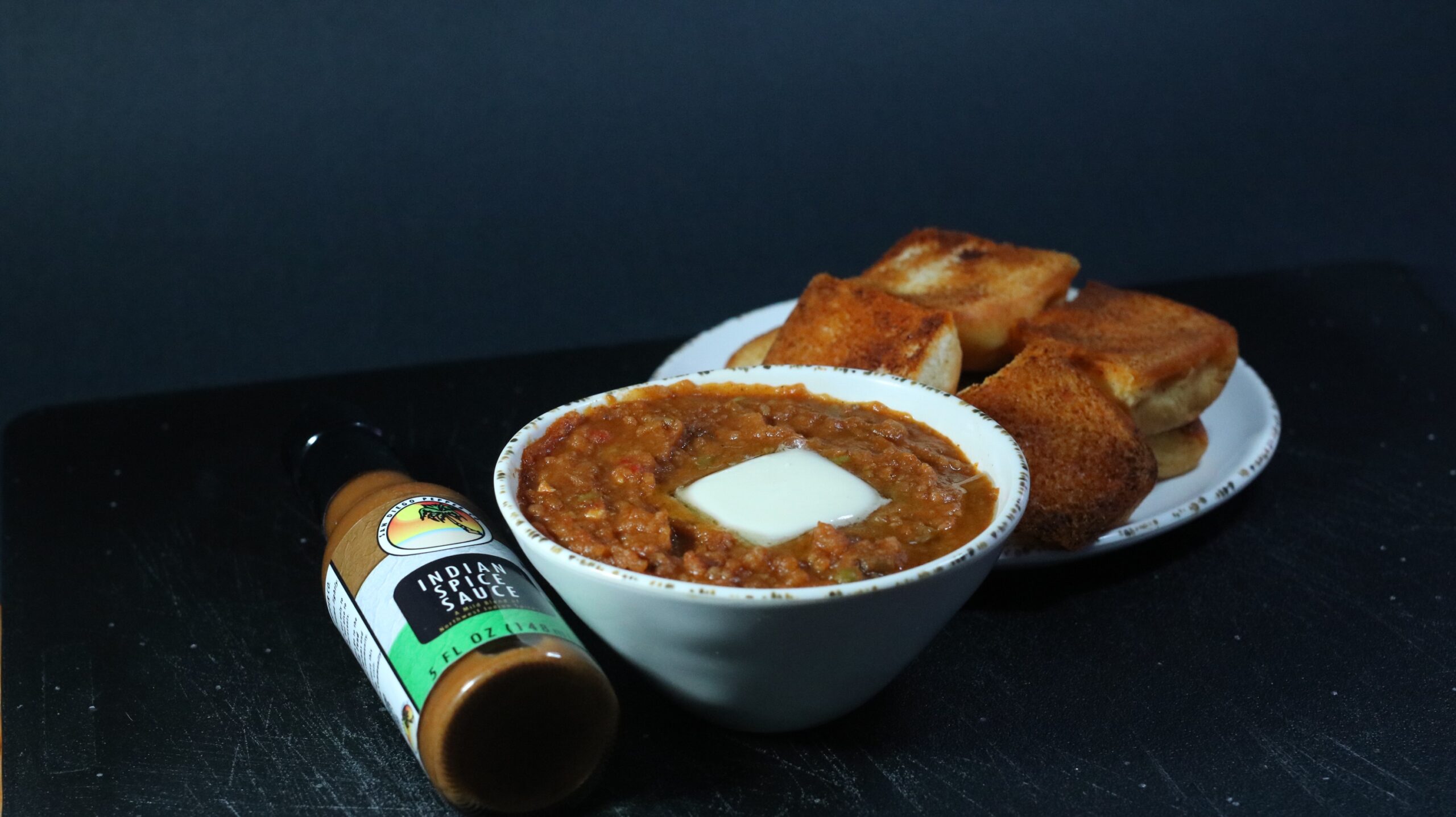
For years, the American “Indian food” experience at home has been limited to heavy, cream-filled simmer sauces that take 30 minutes to cook and an hour to clean up. But the culinary world is changing. We’re moving past the heavy jars and moving toward something more agile, more exciting, and way more versatile.
Enter the San Diego Pepper Company Indian Spice Sauce. It’s not just a condiment; it’s a revolution in the Indian hot sauce category. Born from deep Punjabi roots and crafted in the heart of Southern California, this sauce is bridging the gap between American heat-seekers and authentic South Asian soul.
Here is why this 5 oz bottle is about to become your new kitchen obsession.
Through a highly intentional formulation—eschewing heavy oils, rejecting tomato bases, maintaining a high vinegar content, and mastering a manageable spice level— San Diego Pepper Company is successfully introducing the authentic flavors of India into the mainstream American kitchen.
1. Ditch the Simmer Sauce: Meet the “Agile” Condiment
Traditionally, if you wanted the taste of India, you had to buy a 16-ounce jar of simmer sauce. You’d cook your chicken, pour in the sauce, and… that was it. You were committed. Plus, let’s be honest: half those jars end up growing science experiments in the back of the fridge because they’re too big to finish in one go.
San Diego Pepper Co. pivoted. They realized that Americans love the ritual of the hot sauce bottle. By putting the essence of India into a 5 oz dasher bottle, they’ve created an “agile” condiment.
Whether you’re doing a quick Tuesday night taco, drizzling it over your morning eggs, or giving your avocado toast a global makeover, you get a concentrated blast of flavor without the waste or the commitment. It’s the difference between a heavy sauce and a versatile condiment, and once you make the switch, there’s no going back.
2. Culinary Alchemy: The “Tadka” Without the Grease
The “secret sauce” (literally) behind the best Indian food is a technique called Tadka. It’s the process of blooming spices in hot oil or ghee to unlock their aromatic flavor molecules. It’s what gives Punjabi food that incredible, deep-earthy smell that fills a home.
But here’s the problem: traditional Tadka is heavy on the oil. That doesn’t always play nice in a hot sauce bottle, and it’s not exactly “bikini season” friendly.
San Diego Pepper Co. used their Punjabi heritage to pull off a miracle: the oil-free Tadka. By using a proprietary steeping process, they “bloom” the spices without the added fat. You get all the toasted aromatics and complexity of a five-star curry in a clean, light sauce that fits your lifestyle. It’s all the flavor, none of the guilt.
3. The Anti-Tomato Movement: Why Vinegar is King
Most “Indian-style” sauces you find in the US are loaded with tomato paste. While that’s fine for a Butter Chicken, it’s a disaster for a table sauce. Tomatoes mute the delicate notes of cumin and fenugreek, and they make the sauce go bad quickly.
San Diego Pepper Co. took a different route. They went back to the roots of ancient pickling techniques. By using a high-vinegar base instead of tomato, they’ve created a sauce that stays bright, tangy, and shelf-stable.
This acidity does something magical: it cuts through fat. If you’re eating something rich—like a burger, fried chicken, or even a cheesy pizza—this vinegar-forward Indian hot sauce acts as a palate cleanser, making every bite taste as fresh as the first.
4. Bottling the Spirit of Achaar (Indian Pickle)
In a Punjabi household, the meal isn’t finished without Achaar. Specifically, the Green Chili Pickle is a staple—it’s tangy, salty, and provides a sharp jolt of energy to the meal.
This Indian Spice Sauce is essentially a “bottled” version of that experience. By focusing on a powerful blend of garlic, fenugreek, and cumin, it gives you that unmistakable Achaar punch. It’s the perfect crossover: it hits the familiar notes of your favorite American vinegar-based hot sauces but transports you straight to a spice market in Amritsar.
5. Flavor First: The Magic of the Kashmiri Chili
We’ve all seen those hot sauces that are just “pain in a bottle.” But let’s be real—nobody actually enjoys that. The modern foodie is looking for flavor over fire.
This sauce uses the legendary Kashmiri Chili. In the world of Indian cooking, this pepper is the MVP. It provides a stunning, vibrant red color and a mild, smoky sweetness without the throat-burning heat of a habanero.
Because the heat is manageable, you can actually use it. You can pour it on. You can use it as an overnight marinade for salmon or steak. It’s a flavor-first approach that makes it an everyday staple rather than a one-time dare.
6. From San Diego to Your Screen
The world of food is moving fast, and San Diego Pepper Co. is right there with it. While you can find them in local markets, they’ve become a sensation for the Millennial and Gen-Z crowd who are obsessed with global flavors.
Whether you’re discovering them through TikTok Shop or seeing foodies drizzle it over non-traditional dishes, the message is clear: Indian flavors belong on everything.
The Final Verdict
San Diego Pepper Company isn’t just making another hot sauce; they are providing the blueprint for how we eat in 2024. By taking the heavy lifting out of Indian cooking and putting the heart of the Punjab into a convenient, oil-free, tomato-free bottle, they’ve made Indian hot sauce the most exciting category in your pantry.
Ready to level up your meals? Grab a bottle, ditch the boring condiments, and taste what happens when San Diego craft meets Indian tradition.
Your taste buds will thank you.
A Market Research perspective on San Diego Pepper Company’s growth for Indian Hot Sauce
The Consumer Friction: Simmer Sauces vs. The Agile Condiment
To understand the strategic brilliance of the Indian Spice Sauce, one must first look at how Indian food has traditionally been marketed to American home cooks. For decades, the grocery store “ethnic aisle” has been dominated by one primary vehicle for Indian flavors: traditional Indian simmer sauces. Products like jarred Tikka Masala, Butter Chicken, and Korma sauces have served as the training wheels for Western consumers exploring South Asian cuisine.
However, from a marketing perspective, simmer sauces present a significant barrier to entry: consumer commitment. Opening a 16-ounce jar of simmer sauce essentially dictates the entire meal. It requires the consumer to cook a specific protein, simmer it for a designated time, and prepare a side of rice or naan. Furthermore, simmering sauces are notoriously wasteful. If a consumer only wants a touch of flavor for a quick lunch, opening a large jar of tomato-heavy sauce is impractical; the leftover sauce often ends up forgotten in the back of the refrigerator, eventually spoiling.
San Diego Pepper Company recognized this consumer friction and pivoted brilliantly by leaning into the booming American hot sauce market. The American consumer has a deeply ingrained, almost ritualistic relationship with condiments. Hot sauce, in particular, is an everyday staple, utilized to elevate everything from morning eggs to late-night pizza. By analyzing the fundamental difference between a sauce and a condiment—where a sauce is built into a dish during cooking, but a condiment is added at the table to adjust the final taste—the brand positioned its product for maximum daily usage.
Packaged in a familiar, agile 5 oz dasher bottle, the Indian Spice Sauce eliminates the commitment of the simmer jar. It provides a concentrated blast of flavor without dictating the menu. This format aligns perfectly with current consumer behaviors, particularly the trend of home cooks striving to easily prepare restaurant-quality meals at home. Whether splashed on a taco, drizzled over a burger, or mixed into yogurt as a quick marinade, it operates with the versatility of an American hot sauce while delivering the profound depth of an Indian curry.
Culinary Alchemy: Re-engineering the Tadka Without Oil
The true genius of the Indian Spice Sauce lies in its production technique. In Indian culinary tradition, particularly within Punjabi households, the soul of a dish is brought to life through the ancient cooking method of Tadka (also known as chhonk, baghaar, or tempering).
To understand Tadka is to understand the chemistry of flavor. The process involves taking whole and ground spices—such as cumin, mustard seeds, coriander, and fenugreek—and briefly frying them in hot fat, typically ghee or mustard oil. The high heat of the oil ruptures the tough plant cell walls of the spices, dissolving the fat-soluble components and extracting complex flavor molecules and terpenes. This creates a highly aromatic, intensely flavored oil that is then poured over dishes like dal or curries, acting as the finishing crescendo of the meal.
However, creating a commercially viable, shelf-stable condiment using a traditional, heavy-oil Tadka presents massive challenges for the American market. Heavy oil can separate unpleasantly in a 5 oz bottle, it drastically increases caloric density, and it can alienate health-conscious consumers.
San Diego Pepper Company, deeply rooted in the founder’s Punjabi heritage, took the conceptual framework of Tadka—the deliberate blooming and layering of spices—and completely re-engineered it for the Western palate. They adapted the technique to bloom the spices without oil. This is a revolutionary step in product formulation. By utilizing a proprietary blending and steeping process, they managed to capture the intense, toasted aromatics of traditional tempering, a technique normally reliant entirely on fat and high heat.
The result is a sauce that possesses the fragrant complexity of a freshly tempered dal, but with a clean, light, and accessible viscosity. This oil-free adaptation speaks directly to the modern consumer’s desire for clean labels and healthier choices, while sacrificing absolutely none of the authentic flavor depth that defines Northwest Indian cuisine.
The Rejection of Tomato: Why Vinegar is the Ultimate Flavor Vehicle
Another critical strategic decision made by San Diego Pepper Company was the total exclusion of tomatoes from their formulation. When Westerners think of Indian sauces, they almost exclusively envision the heavy, rich, tomato-based gravies that dominate British-Indian restaurant menus. While delicious, tomato bases have distinct limitations as table condiments: they mute delicate spices, require refrigeration, spoil quickly, and often mask the intricacies of the chili peppers they carry.
Instead of a tomato base, the Indian Spice Sauce relies on a robust, high-vinegar backbone. The use of pickling with vinegar is one of the oldest and most effective preservation methods in human history, known for its ability to extend shelf life while drastically brightening flavor profiles.
By utilizing white vinegar as the primary liquid base, the sauce achieves two crucial marketing goals. First, it firmly establishes the product within the familiar sensory territory of classic American hot sauces (think Tabasco or Frank’s RedHot), making the initial taste experience approachable. Second, and more importantly, it aligns the product with a beloved, centuries-old staple of the Indian dining table: Achaar.
The Spirit of Achaar: Bottling the Green Chili Pickle Experience
No authentic Indian meal is complete without the presence of Achaar—the deeply savory, spicy, and fiercely tangy pickles that sit in small jars on every dining table across the subcontinent. Achaar is not meant to be eaten by the spoonful; it is a flavor enhancer, meant to be touched to the tongue alongside a bite of rice, roti, or mild lentils to provide a sudden, electric jolt of acidity and spice.
By keeping the vinegar content high and relying on a powerful blend of cumin, garlic, and fenugreek, the Indian Spice Sauce successfully mimics the exact flavor profile and utility of Hari Mirch ka Achar (green chili pickle). Just like the traditional pickle, the sauce provides a sharp, concentrated blast of tanginess that effortlessly cuts through the rich, fatty elements of a meal.
This is an incredibly smart crossover strategy. An American consumer might use it to cut through the richness of a greasy cheeseburger or a heavy breakfast burrito, completely unaware that they are essentially utilizing the sauce in the exact same culinary manner that a Punjabi family utilizes a spoonful of green chili pickle to cut through a rich serving of Saag Paneer. The culinary intent translates perfectly across cultures, driven by the universal human craving for acidity.
Flavor-First Over Heat: The Strategic Use of Kashmiri Chilis
One of the largest hurdles in marketing Indian food to the general American public is the persistent stigma surrounding spice levels. Many consumers shy away from the “ethnic aisle” out of a fear of overwhelming, palate-destroying heat. In the hot sauce category, there has long been a “machismo” marketing trend focused on extract-based, unbearably hot sauces. However, recent market analytics show a distinct shift in consumer preferences, with a massive surge in demand for mild and sweet-spicy flavor variants. Modern consumers want to taste their food, not mask it in pain.
San Diego Pepper Company directly addressed this by formulating their Indian Spice Sauce with a flavor-first mentality. Instead of relying on aggressive, high-Scoville peppers like Habaneros or Ghost Peppers, the brand built the sauce around the revered Kashmiri chili.
In Indian cuisine, the Kashmiri chili is highly prized. It is the secret behind the vibrant, fiery-red color of Tandoori chicken, but it is deceptively mild in heat. It possesses a sweet, slightly smoky, and deeply fruity flavor profile that allows the accompanying spices—the earthy cumin, the floral cardamom, and the bitter-sweet fenugreek—to shine through.
By strategically keeping the heat level manageable, San Diego Pepper Company transformed their product from a novelty item into an everyday staple. A mild heat level means the sauce can be poured generously over steamed vegetables, used as an overnight marinade for chicken thighs, or heavily dashed into a bowl of rice. This encourages rapid product consumption, leading to higher repurchase rates—a fundamental metric for success in the CPG (Consumer Packaged Goods) industry.
Digital Strategy and Demographic Reach
The product’s physical formulation is supported by an equally astute digital marketing strategy. To capture the attention of a younger, highly engaged demographic, the brand has expanded beyond traditional brick-and-mortar retail and standard e-commerce. By recognizing a demographic shift largely led by millennials adopting international cuisines, San Diego Pepper Company has leaned into social commerce.
They are actively reaching Gen-Z and Millennial food enthusiasts through modern e-commerce platforms like TikTok Shop. This is an essential play in today’s market. Short-form video content allows the brand to visually demonstrate the sauce’s incredible versatility—showing it being splashed on non-traditional foods like pizza or mac and cheese. This visually breaks down the barrier of the “Indian food is only for curries” stereotype in real-time, right on the consumer’s phone screen.
Conclusion: The Blueprint for Cross-Cultural Culinary Success
Launching a successful food product in today’s saturated market requires much more than a good recipe; it demands a rigorous understanding of cultural translation. San Diego Pepper Company has not simply bottled an Indian recipe; they have translated the experience of Indian cuisine into a dialect that the American consumer inherently understands.
By identifying the friction of wasteful simmer sauces, the brand successfully pivoted to the beloved American condiment format. By reimagining the ancient technique of Tadka without the use of heavy oils, they created a clean, modern, and highly aromatic product. By rejecting the Westernized crutch of tomato bases in favor of a bright, high-vinegar profile, they bottled the authentic, acidic spirit of traditional Indian Achaar. And finally, by prioritizing the complex, mild flavor of the Kashmiri chili over pure heat, they ensured their sauce is an everyday staple rather than a back-of-the-fridge novelty.
San Diego Pepper Company’s 5 oz Indian Spice Sauce is a triumph of strategic product marketing. It proves that authenticity does not have to be rigid. By thoughtfully adapting traditional techniques for modern palates and formats, brands can successfully bridge the gap between cultures, one delicious drop at a time.